

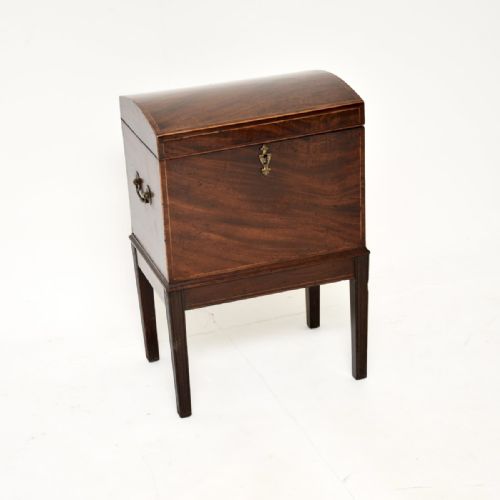
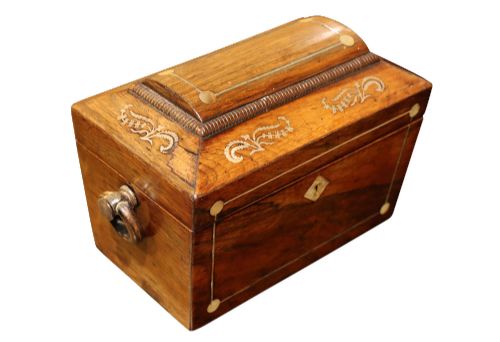
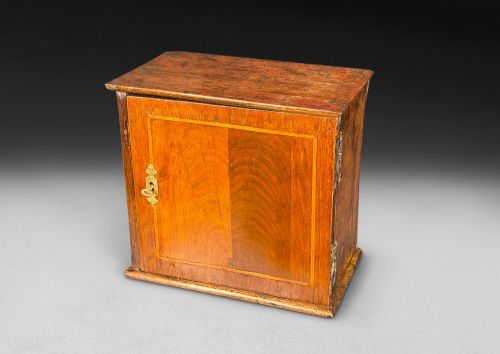
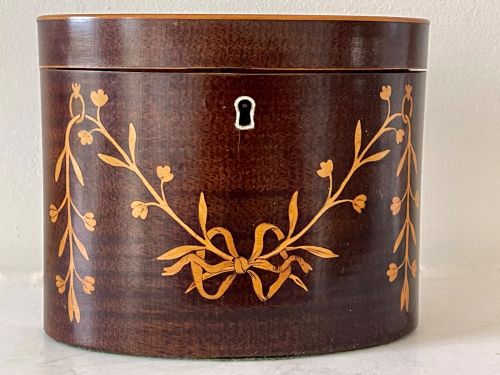
Wooden Inlay Box
A wooden inlay box brings together dense timbers and precise contrasting marquetry to hold letters, tea, or trinkets on a desk or table.
Wooden Inlay Box
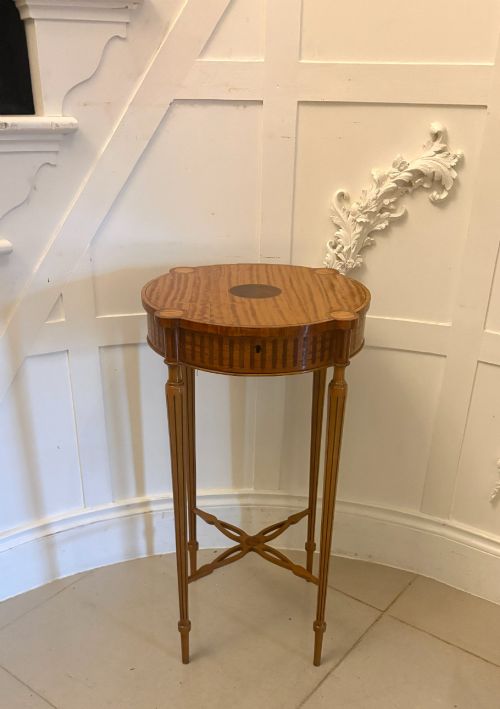
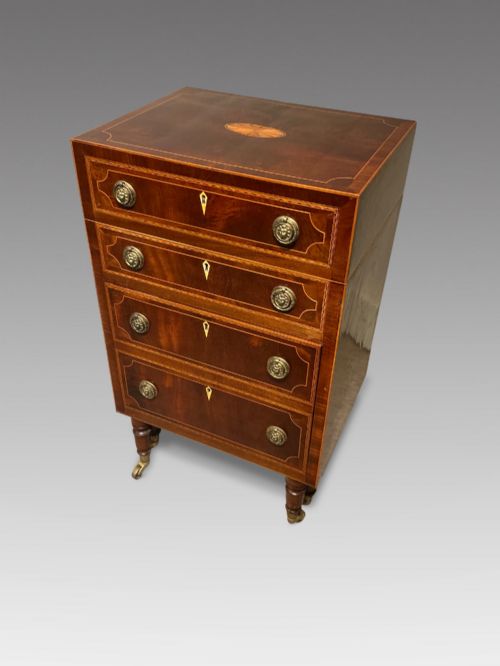
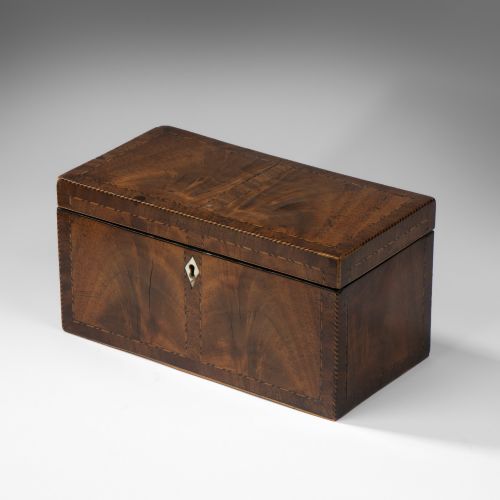
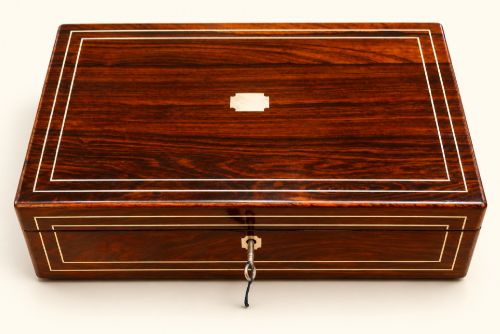
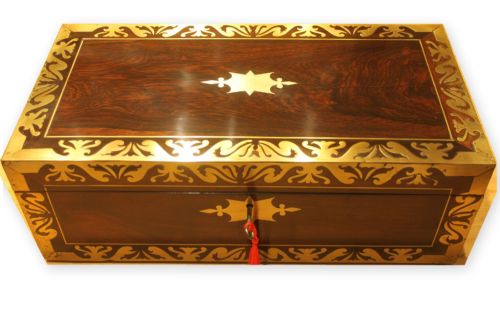
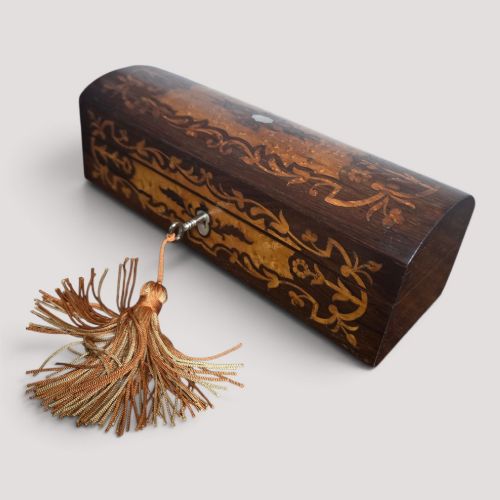
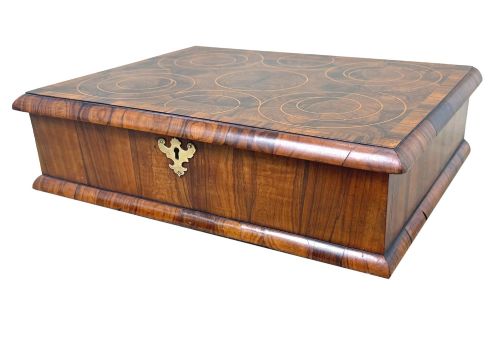
A wooden inlay box encompasses everything from Georgian tea caddies and Victorian writing slopes to larger document caskets and decorative containers spanning the eighteenth, nineteenth, and early twentieth centuries. The pieces on this page appear in various utilitarian and decorative forms, including jewellery boxes, cutlery cases, and writing boxes.
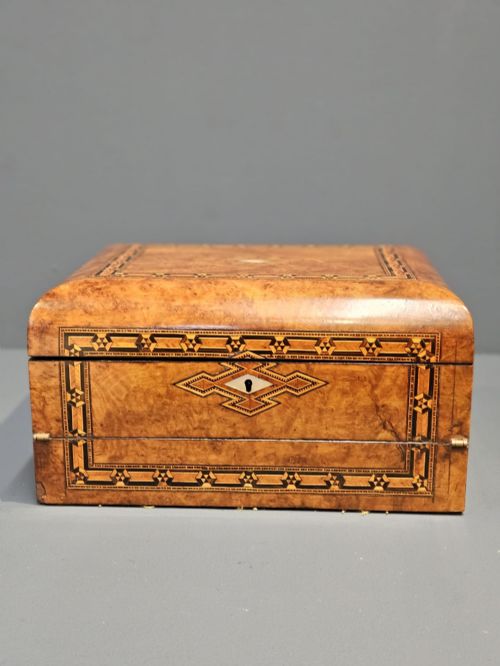
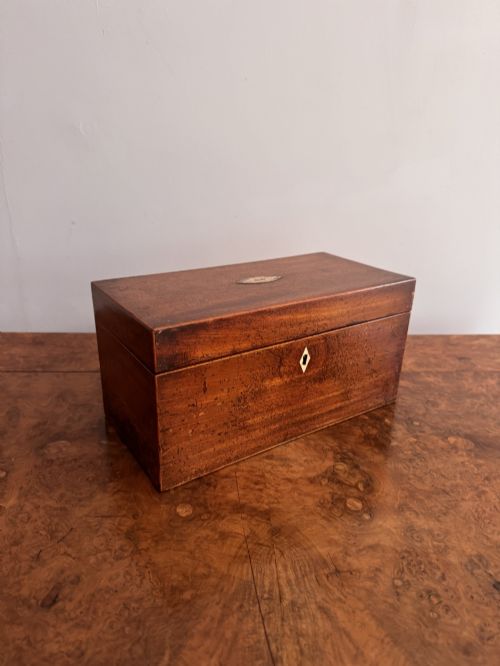
Makers shaped these containers from native and exotic hardwoods such as mahogany, walnut, rosewood, and oak, applying contrasting veneers and geometric or pictorial motifs in boxwood, bone, and mother-of-pearl. The selection leans heavily toward nineteenth-century writing slopes and tea caddies alongside earlier oak coffers and marquetry caskets.
How they were made
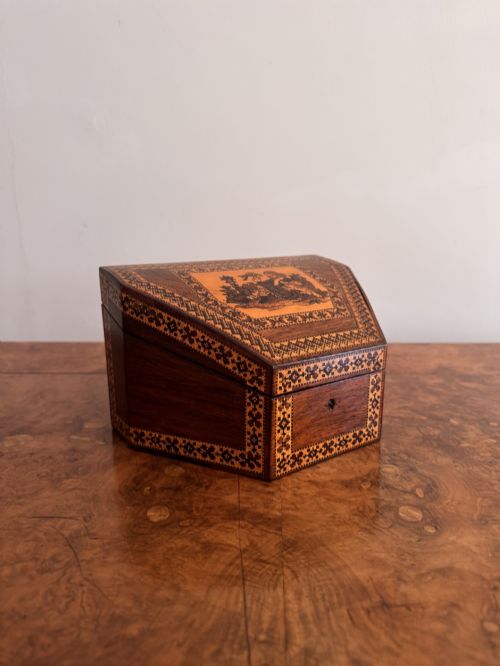
Carpenters constructed the carcases using solid timbers or applied veneers of flame mahogany, burr walnut, and satinwood over secondary woods, incorporating brass binding and hinges for structural durability. Surfaces received elaborate embellishment through marquetry, parquetry, and Tunbridge ware, embedding minute mosaic tiles of naturally coloured woods to form pictorial scenes or geometric borders.
Intergral details included secret drawers within writing slopes, velvet linings inside jewellery caskets, and intricate internal compartments for tea canisters or cutlery. Artisans secured delicate inlays of bone, ebony, and mother-of-pearl into hand-cut recesses, finishing the exterior surfaces with polished shellac or oil.
Wooden Inlay Box Retail Price Guide 2026
Typical asking prices for wooden inlay box among the pieces listed under this phrase on Sellingantiques today, from the lower quarter to the upper quarter. They describe what is for sale here now, not the wider market.
The listings on this page span the seventeenth, eighteenth, nineteenth, and early twentieth centuries, featuring woods such as oak, mahogany, walnut, and coromandel.
What varies in quality
The distinction between ordinary production and superior craftsmanship rests on the precision of the timber matching and the intricacy of the inlay work. Finer examples display symmetrical curl grain veneers, tightly fitted secret compartments, and meticulous marquetry without gaps between the contrasting woods.
Subtleties in hardware, such as flush-fitting brasses, original working locks with matching keys, and finely turned interior knobs, elevate a piece above standard utilitarian boxes. The complexity of the internal layout and the condition of the original lining or wood finish determine the overall standing of the object.
Tahan·Edmund Nye·James Shoolbred and Co
The Wooden Inlay Box Glossary
- Marquetry
- Decorative veneer work forming pictorial or geometric patterns by fitting together small pieces of various woods, shell, or ivory.
- Parquetry
- Geometric mosaic woodwork used for floors or box lids, constructed from small blocks of timber to create repeating angular designs.
- Writing slope
- A portable desktop box with a hinged sloping lid that opens to reveal a writing surface, pen trays, and storage compartments.
- Tea caddy
- A container designed to store dry tea leaves, often featuring internal lidded canisters and mixing bowls.
- Tunbridge ware
- Woodware decorated with mosaic patterns made from thousands of tiny coloured wood blocks, characteristic of nineteenth-century Kent production.
Wooden Inlay Box: Frequently Asked Questions
What is a wooden inlay box used for?
These boxes served practical domestic functions such as storing correspondence, loose tea, jewellery, and playing cards in period households.
Today, they suit similar organisational uses on desks, dressing tables, or sideboards while displaying period decorative techniques.
How do I date a wooden inlay box?
Dating relies on observing construction methods, timber choices, and prevailing design styles across the Georgian, Victorian, and Edwardian periods. Secondary woods, hinge types, and the specific style of marquetry or brass banding offer reliable chronological clues.
Examining internal fittings and any documentary labels helps narrow the manufacturing window further.
What is the difference between marquetry and parquetry?
Marquetry involves cutting diverse veneers to form pictorial scenes, scrolls, or floral arrangements on the surface of the box. Parquetry constructs geometric, repeating patterns using angular blocks of wood.
Both techniques appear frequently on nineteenth-century caskets and writing slopes.
How should I care for an antique wooden inlay box?
Keep the wood away from direct sunlight and sudden temperature shifts to prevent the veneers from lifting or splitting. Regular dusting with a soft, dry cloth maintains the polished finish without moisture damage.
Occasional application of appropriate wax preserves the historic sheen of the timber.