
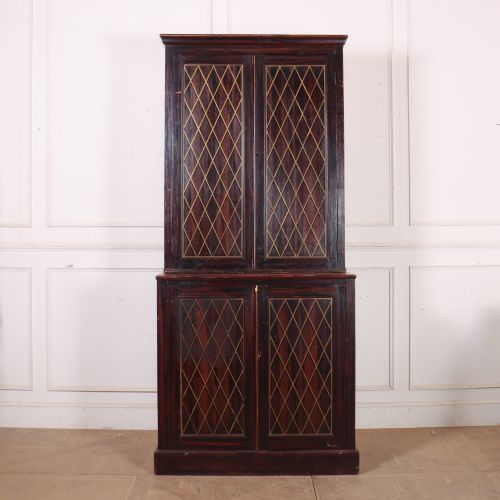

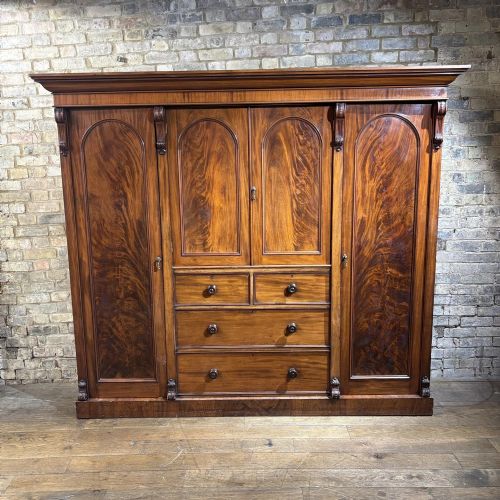
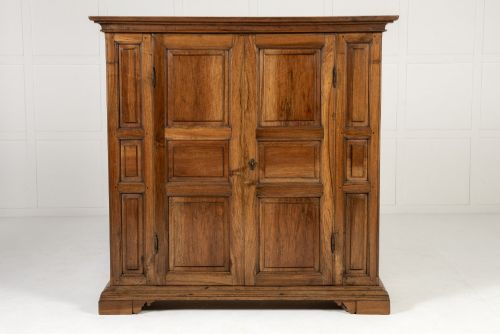
Wooden Housekeeper Cabinet
A wooden housekeeper cabinet offers substantial storage with traditional charm, featuring sturdy timber construction designed to hold household linens and provisions.
Wooden Housekeeper Cabinet
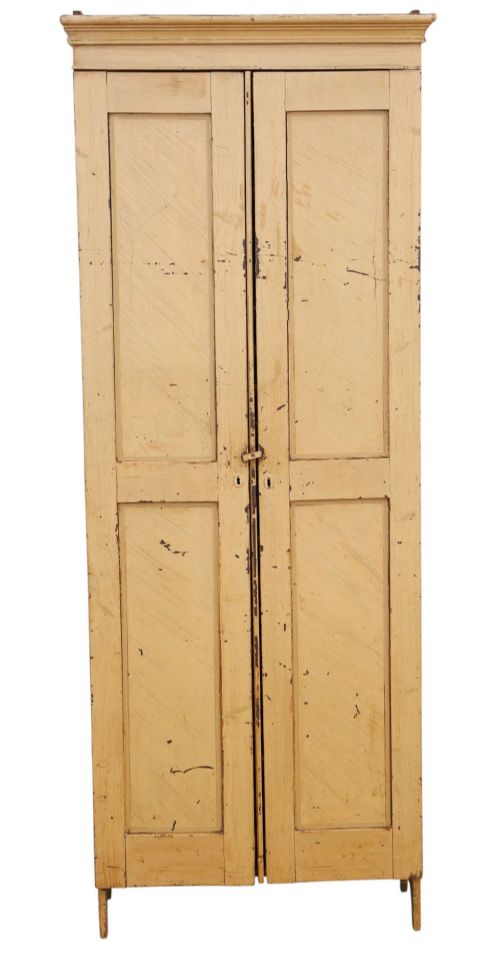
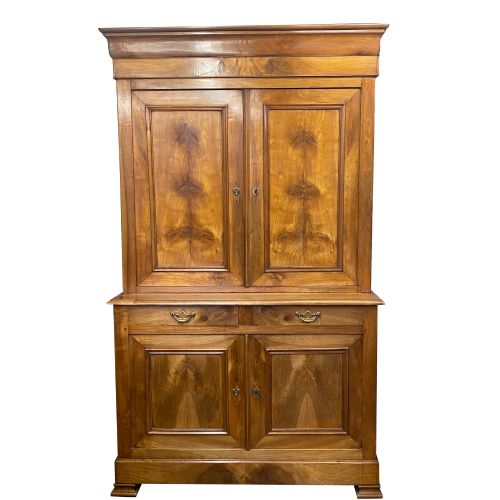
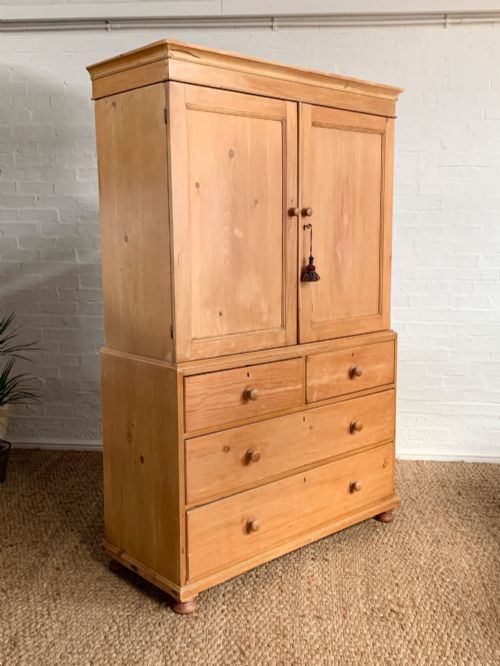
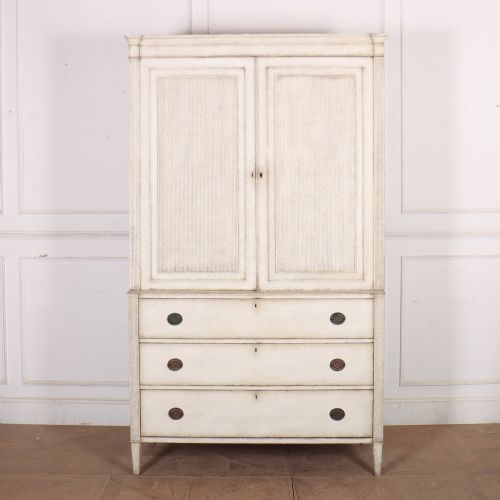
You will most commonly encounter pine examples from the 19th century, often bearing original paint or stripped surfaces ready for wax. These functional storage cupboards and linen presses appear in various regional styles, including English, French Provincial, and Scandinavian country variants.
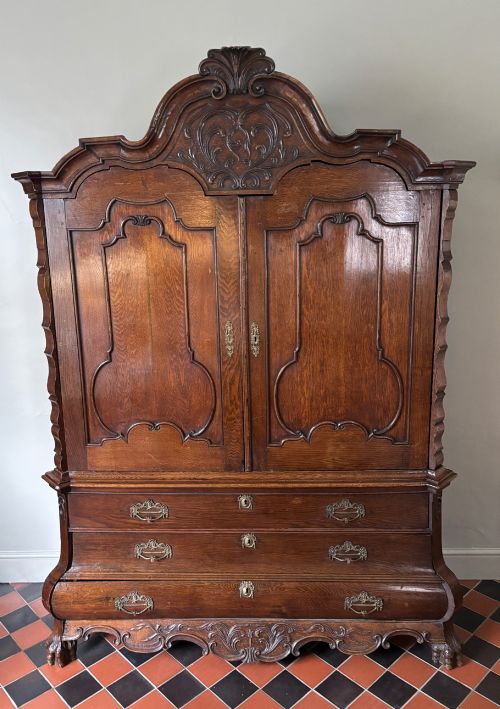
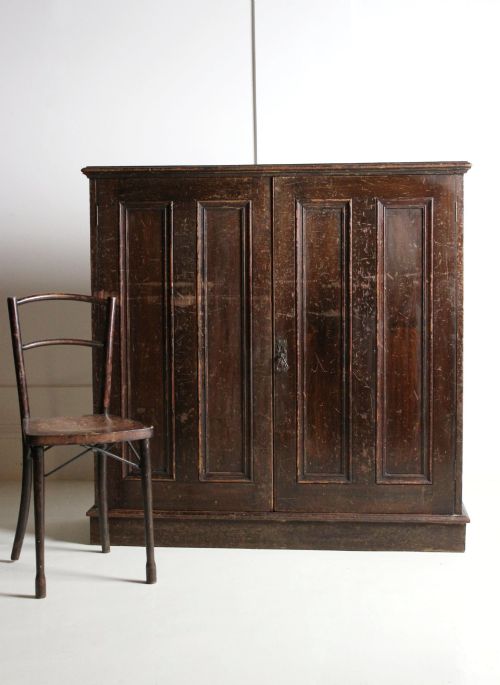
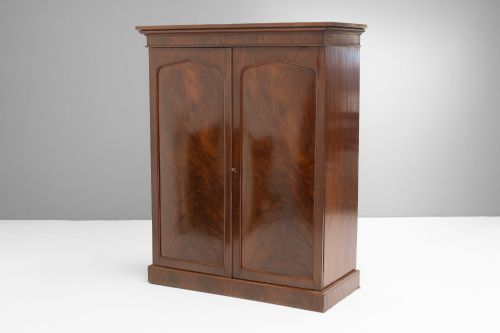
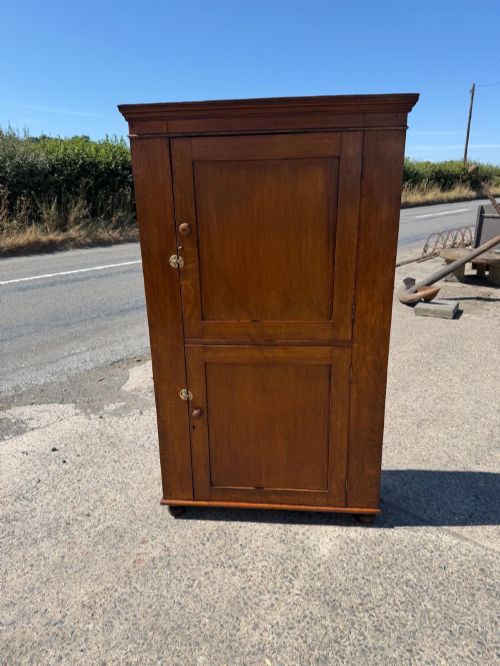
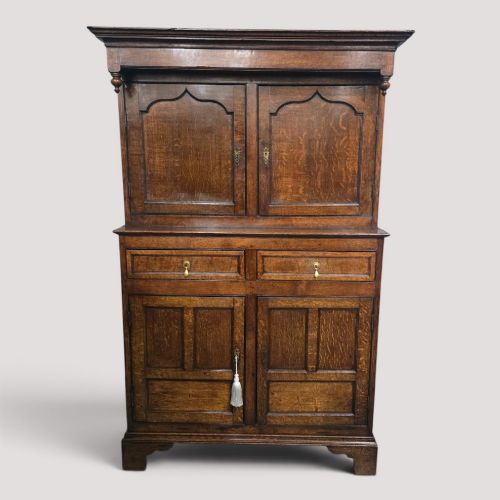
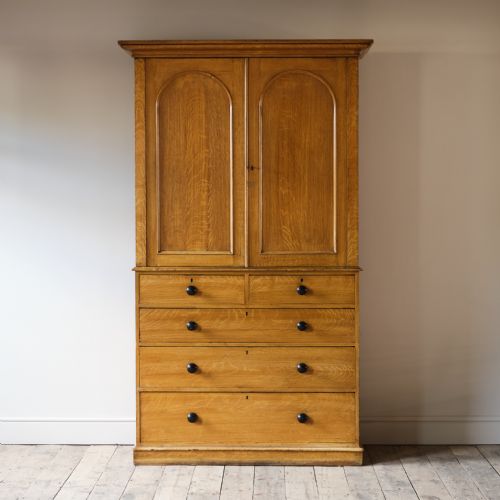
Heavier hardwood versions in oak, mahogany, and cherry wood also feature among the listings, representing more formal country house or provincial incarnations. Whether standing on bun feet or tall narrow frames, these cabinets combine deep shelving with robust door assemblies.
How they were made
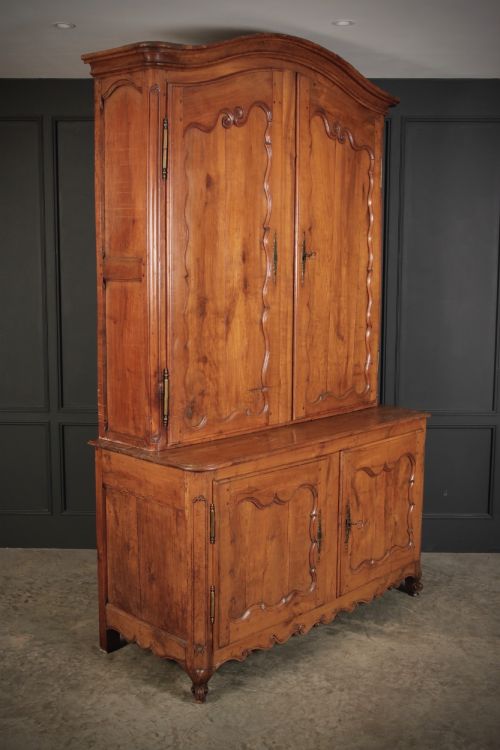
Constructed predominantly from solid timbers such as pine, oak, mahogany, and cherry wood, these cabinets rely on traditional joinery to support large storage volumes. Many pieces utilise durable two-part structures or robust multi-panel doors to withstand daily domestic use.
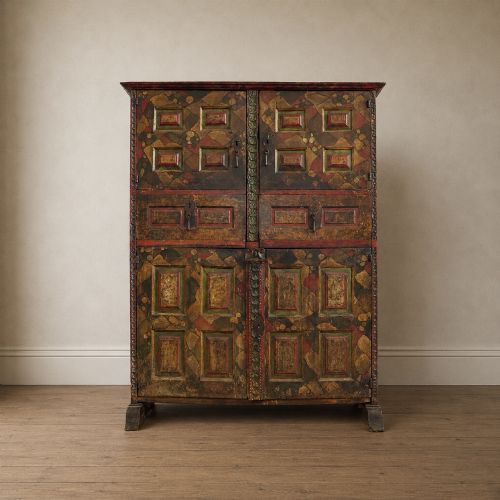
Surfaces frequently show historical treatments including original paint, polychrome decoration, or stripped finishes designed to be waxed. Iron and brass hardware such as hinges and locks secure the heavy doors and drawers across both regional country pieces and formal hardwood variants.
Regional styles represented include English, French Provincial, Scandinavian, Spanish Basque, and Tuscan cabinetmaking traditions.
What varies in quality
The division between everyday utility pieces and finer examples rests on the choice of timber and the sophistication of the joinery. Dense hardwoods like mahogany and walnut, or regionally specific fruitwoods such as cherry and chestnut, elevate a cabinet beyond standard utilitarian pine.
Surface preservation dictates much of the character, with untouched original paint or rich patinated wax finishes commanding greater visual interest. Proportion and restraint in architectural detailing, from flared cornices to well-turned bun feet, distinguish master cabinetwork from basic provincial carpentry.
Heals
The Wooden Housekeeper Cabinet Glossary
- Linen Press
- A tall storage piece designed specifically to store sheets and tablecloths, traditionally featuring sliding trays or shelves behind upper doors.
- Two Part Cupboard
- A cabinet constructed in two separate modular sections, usually a heavier base with a slightly smaller upper section stacked on top for easier transport.
- Polychrome Painted
- Decorated in multiple colours, seen on continental European pieces where pigmented layers provide decorative surface protection.
- Flame Mahogany
- A veneer cut from the branch junction of a mahogany tree, creating a distinctive flickering flame pattern across larger door panels.
- Bun Feet
- Rounded, ball-shaped wooden feet that elevate the base of a cabinet slightly off the floor.
Wooden Housekeeper Cabinet: Frequently Asked Questions
What is a wooden housekeeper cabinet?
A wooden housekeeper cabinet is a large storage furniture piece historically used in large homes to store household linens, foodstuffs, and domestic equipment.
These pieces typically feature deep interior shelving enclosed by one or two wooden doors, often standing upright as a focal point in kitchens, pantries, or hallways.
How were these cabinets used?
Housekeepers utilised these large cupboards to keep textiles clean and dry away from damp stone walls, or to secure dry rations and kitchen stores.
The deep shelves and integrated drawer spaces accommodated folded linens, household accounts, and provisions required for the daily management of a large household.
How do I care for a painted pine cabinet?
Protect antique painted surfaces from direct sunlight and excessive moisture fluctuations to preserve the original finish without degradation.
Light dusting with a dry cloth is generally sufficient, avoiding harsh chemical cleaning agents that might strip historic paint layers.
How can I tell the age of a cabinet?
Dating relies on observing construction methods, timber choices, and hardware styles consistent with documented periods from the seventeenth to the early twentieth century.
Hand-cut joints, original hand-forged iron or brass fittings, and regional timber preferences provide clear indicators of a piece's era of origin.