
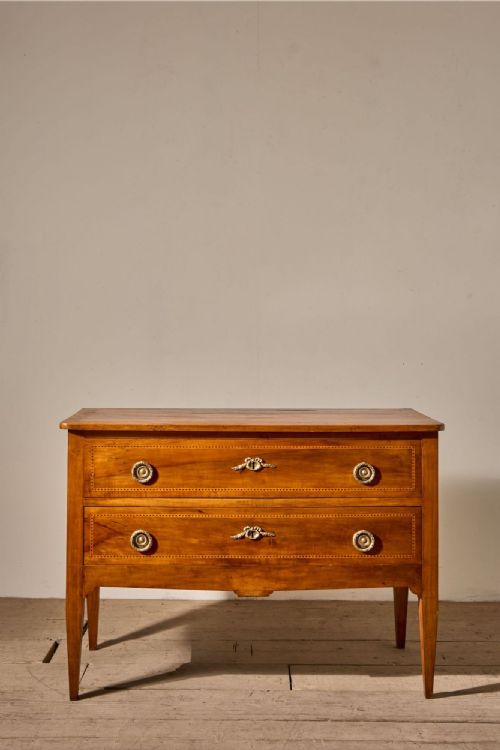


Antique Cherrywood Dresser
An antique cherrywood dresser offers the rich warmth of seasoned timber in substantial storage forms built across the eighteenth and nineteenth centuries.
Antique Cherrywood Dresser
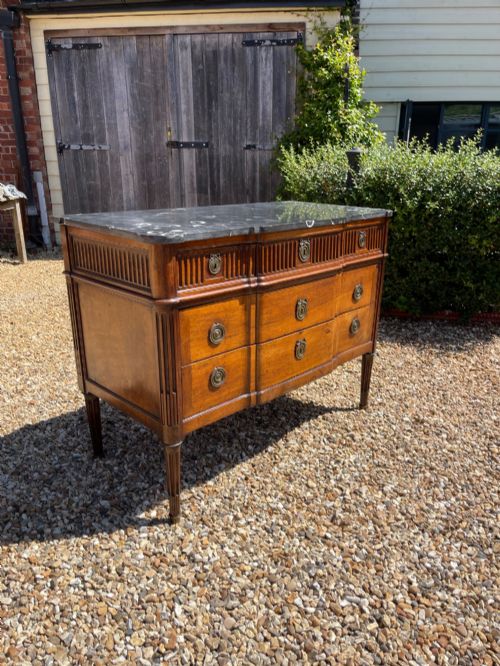
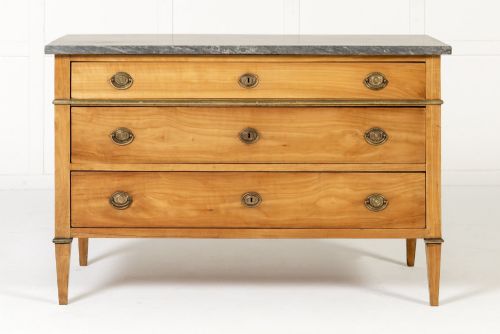
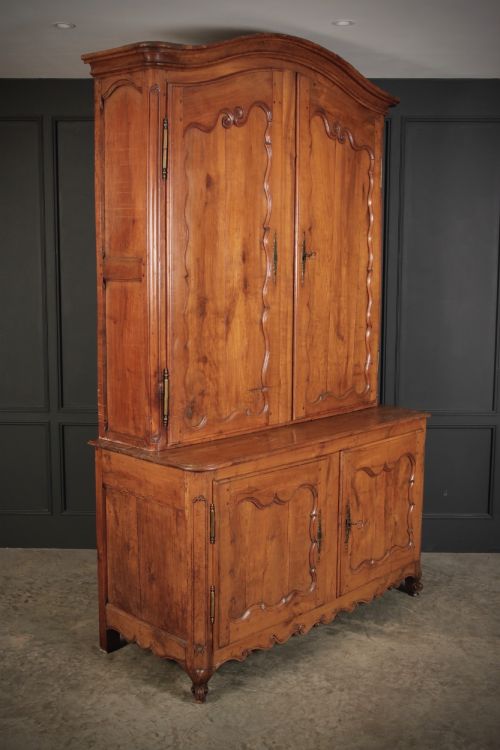
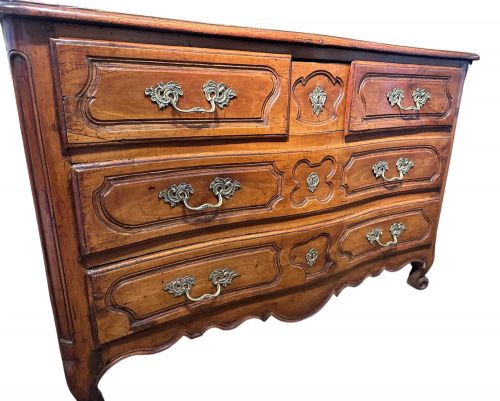
The antique cherrywood dresser category encompasses a variety of substantial storage forms, most frequently appearing as French commodes, cupboards, and sideboard bases from the eighteenth and nineteenth centuries. These pieces reflect regional European cabinet-making traditions, particularly French provincial work alongside George II English lowboys.
Buyers browsing this selection will most commonly encounter eighteenth-century commodes and sideboards constructed in solid cherrywood or cherry wood, occasionally combined with walnut. Forms range from low chests of drawers to tall buffets and hutches, showcasing styles from Louis XVI and Directoire to transitional periods.
Construction and materials
Construction relies on solid cherrywood and cherry timber, sometimes paired with walnut for contrasting secondary woods or structural framing. Cabinet-makers utilised traditional joinery suited to dense fruitwoods, yielding sturdy frames for commodes, cupboards, and dresser bases.
Metal hardware such as brass handles and iron fittings provides functional contrast to the warm grain of the timber. Marble surfaces occasionally top specific French commode forms, adding weight and refined utility to the provincial designs.
Current listings span the eighteenth and nineteenth centuries, featuring materials such as cherrywood, brass, iron, and marble across French and English styles.
Assessing quality and character
Quality in these pieces is determined by the depth and maturity of the timber's patina, alongside the integrity of the original joints and proportions. Finer examples display deliberate choice of figured cherrywood grain, particularly across drawer fronts and large cupboard doors.
The sophistication of regional style marks the distinction between standard provincial utility and elevated design, visible in carved transitional details or restrained Directoire lines. The retention of original brass or iron hardware further separates superior survivals from later replacements.
The Antique Cherrywood Dresser Glossary
- Commode
- A low chest of drawers or cabinet, typically originating from French provincial workshops during the eighteenth or nineteenth century.
- Lowboy
- A small seventeenth or eighteenth-century table with drawers, functioning as a low dressing table or side table.
- Directoire
- A transitional French style bridging Louis XVI and Empire periods, characterised by neoclassical restraint and clean geometric lines.
- Transitional
- A design phase blending the curving lines of Louis XV with the straight neoclassical geometry associated with Louis XVI and Directoire.
- Patina
- The surface sheen and colour developed on timber through decades of age, handling, and polishing.
Antique Cherrywood Dresser: Frequently Asked Questions
How do I date an antique cherrywood commode?
Dating relies on examining the construction methods, secondary timbers, and stylistic markers such as transitional curves or Directoire straight lines.
Eighteenth-century examples often display hand-cut dovetailing and deep timber patination, while nineteenth-century pieces may incorporate machine-sawn elements or later hardware.
Where were these cherrywood pieces made?
The pieces listed originate predominantly from French provincial regions and English workshops active across the eighteenth and nineteenth centuries.
Local cabinet-makers utilised regionally available fruitwoods, particularly cherry and walnut, to construct durable domestic furniture.
How should I care for cherrywood furniture?
Cherrywood benefits from consistent indoor humidity levels and protection from direct sunlight to preserve the natural warmth of the timber grain.
Periodic dusting with a soft cloth and minimal application of traditional wax helps maintain the historic surface finish without building up residue.