

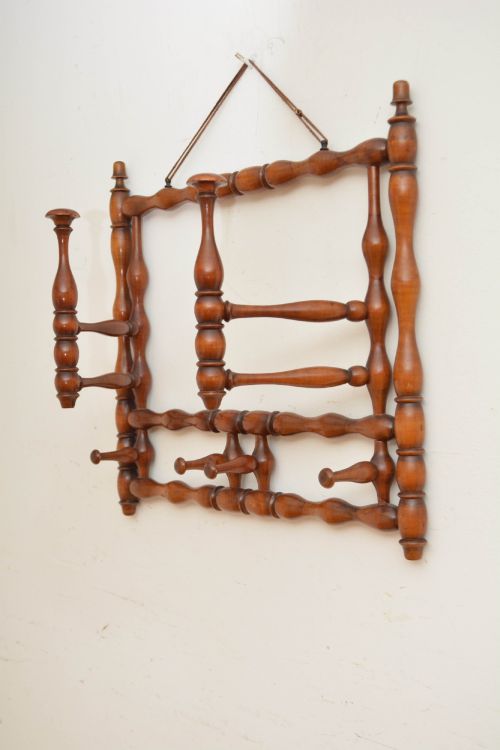
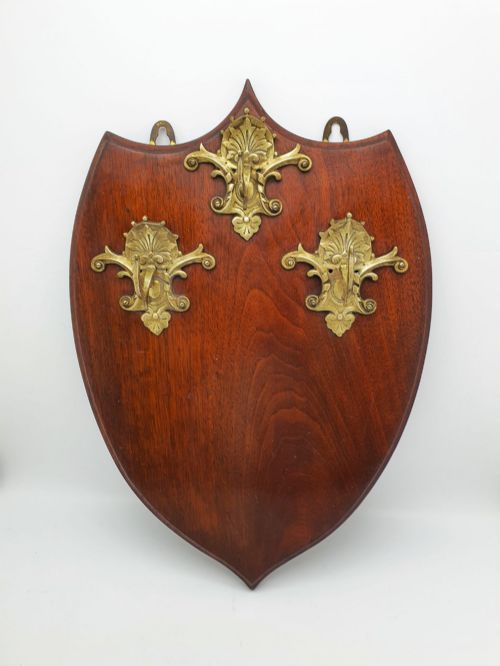
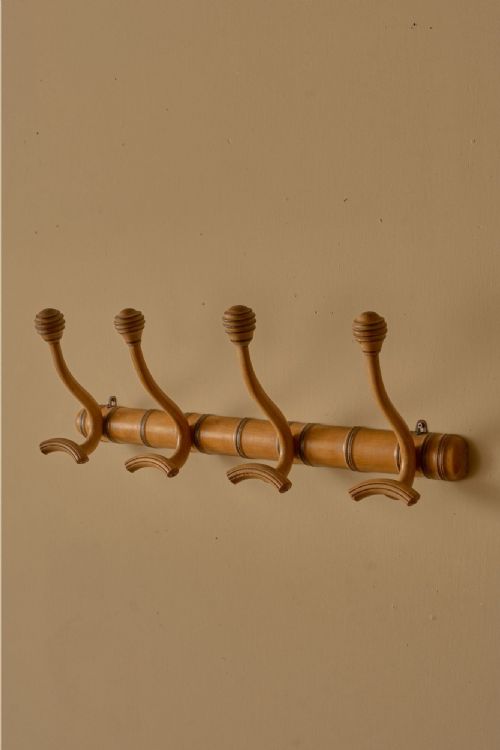

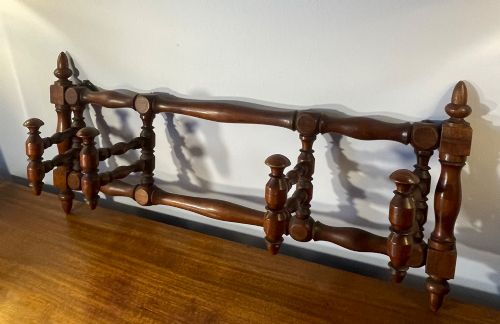
Wooden Hat Pegs Wall
These wooden hat pegs wall fixtures are practical wall-mounted entries for hanging coats and hats, built to last from the nineteenth and early twentieth centuries.
Wooden Hat Pegs Wall
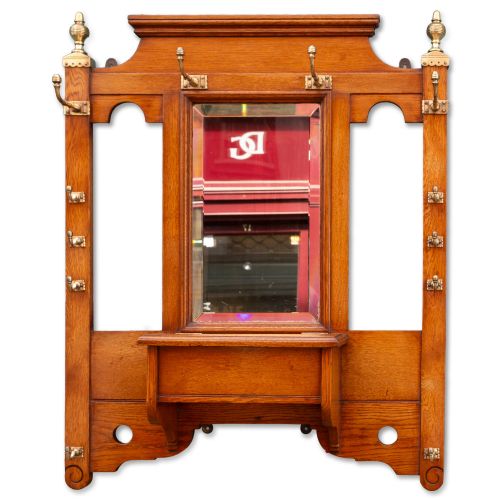
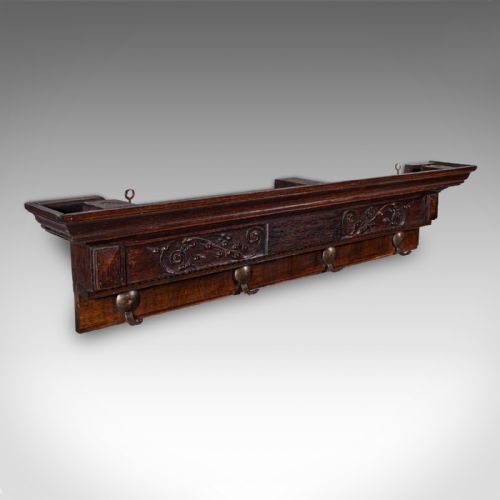
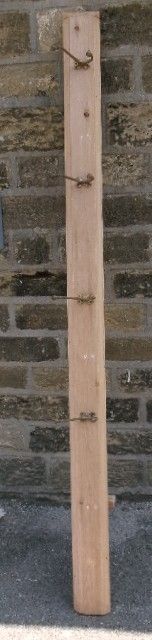
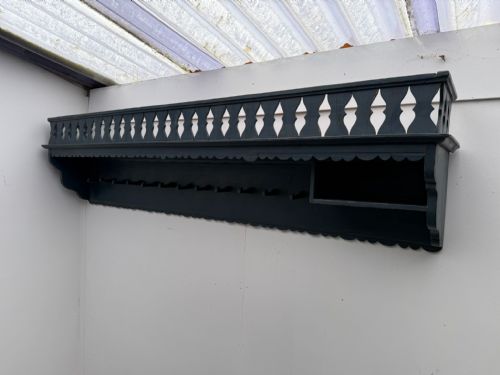
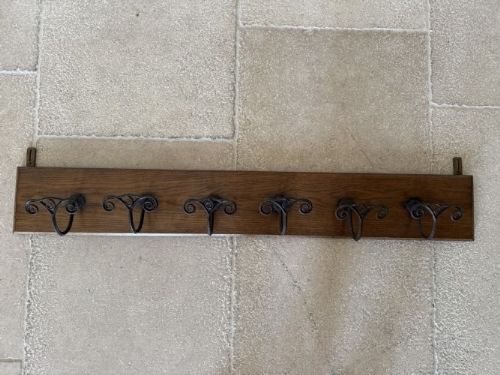
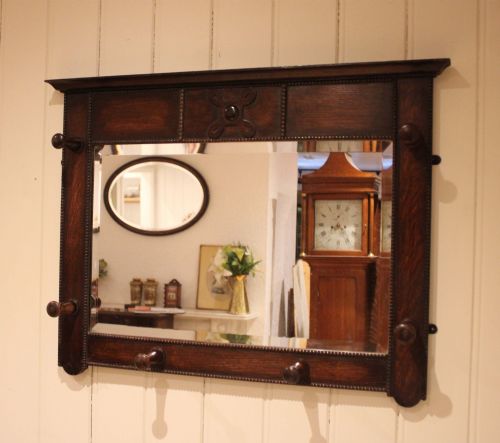
When you search for wooden hat pegs wall items, you encounter functional hallway storage designed to mount directly onto domestic walls. These pieces range from simple wooden backboards fitted with metal hooks to elaborate carved designs incorporating mirrors and umbrella stands.
The versions you meet most frequently on this page date from the Victorian and Edwardian eras, alongside pieces from the turn of the twentieth century. They appear in forms such as coat racks, cloakroom valets, and combined mirror-backed hall stands.
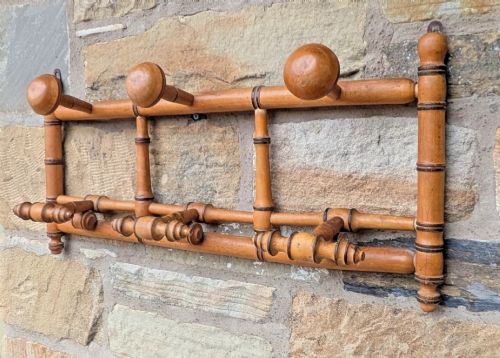
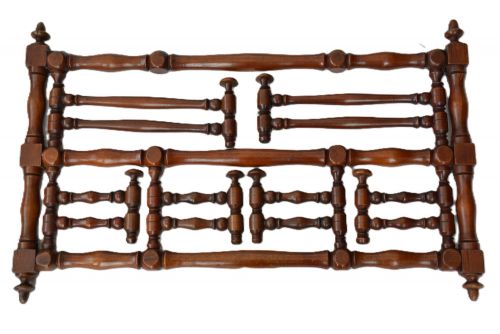
Regional and stylistic variations include French faux bamboo, Aesthetic Movement designs, and Black Forest carvings. Each type reflects the domestic requirements of its period, from modest cottage halls to grand reception rooms.
Materials and construction
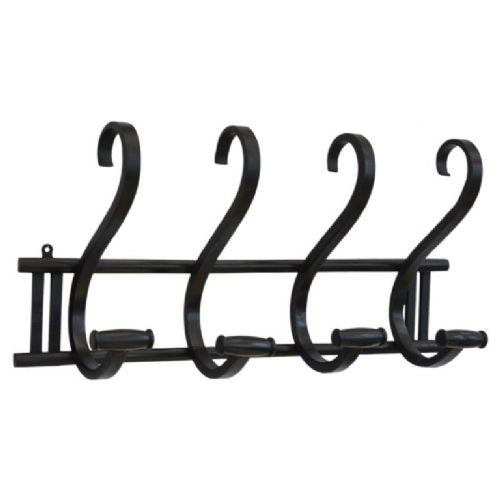
Construction relies on solid hardwoods and softwoods such as oak, mahogany, walnut, beech, pine, and ebonised bentwood. These timbers provide a sturdy backboard capable of supporting the weight of heavy garments and hats over decades of daily use.
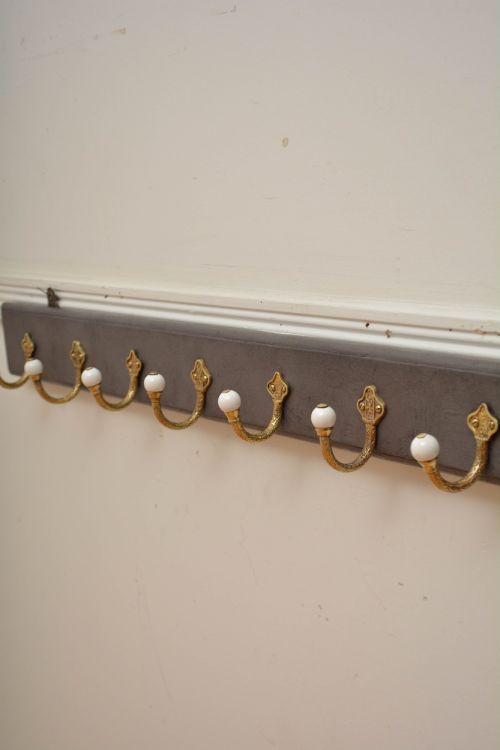
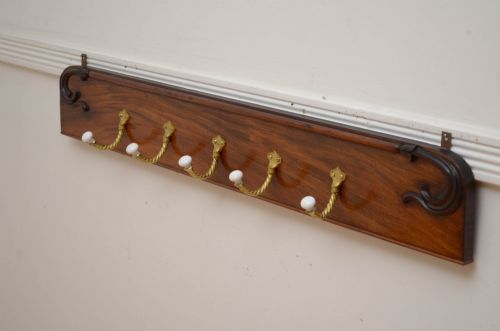
Metal and ceramic elements are integrated extensively, utilising brass hooks, cast iron, wrought iron, and ceramic or glass knobs. Artisans fastened these fittings securely to the wooden mounts, often incorporating bevelled glass mirrors and hand-carved sculptural details.
Wooden Hat Pegs Wall Retail Price Guide 2026
Typical asking prices for wooden hat pegs wall among the pieces listed under this phrase on Sellingantiques today, from the lower quarter to the upper quarter. They describe what is for sale here now, not the wider market.
Regional styles represented include French country, Hungarian country, Aesthetic Movement, and Black Forest decorative carving.
Factors of quality
Quality rests primarily in the depth of hand-carving and the integrity of the timber selection. Finely carved Black Forest animal motifs or well-figured mahogany and oak backboards demonstrate superior craftsmanship compared to plain utility boards.
The Wooden Hat Pegs Wall Glossary
- Backboard
- The horizontal or vertical wooden plank that supports the mounted hooks. This timber base attaches directly to the wall.
- Bentwood
- Wood softened by steam and bent into curved structural forms. This technique creates lightweight yet strong coat rack frames.
- Faux bamboo
- Wood turned and painted to imitate natural bamboo stalks. This decorative finish appears frequently on French hallway pieces.
- Aesthetic Movement
- A late nineteenth-century design style emphasising visual beauty over narrative subject matter. Pieces from this movement often combine ebonised wood with contrasting brass.
Wooden Hat Pegs Wall: Frequently Asked Questions
How do I hang a wall coat rack safely?
These racks require secure fixing into wall studs or solid masonry using appropriate screws and wall plugs. Because heavy coats place significant strain on the backboard, proper anchoring prevents the piece from pulling away from the wall.
Ensure the weight is distributed evenly across the mounting points provided in the timber. Professional installation is advisable for longer racks or heavy carved pieces.
How do I clean antique wooden hat racks?
Dust the timber regularly with a soft, dry cloth to prevent dirt accumulation in carved details. Avoid modern liquid polishes that leave residue, opting instead for traditional beeswax applied sparingly.
Metal hooks and ceramic inserts tolerate gentle cleaning with a damp cloth. Take care to keep moisture away from antique mirror glass and wooden joints.
What is the difference between Victorian and Edwardian racks?
Victorian pieces tend to feature heavier timbers, darker finishes, and ornate carving such as Black Forest animal motifs. They often incorporate cast brass or ceramic hooks mounted to solid oak or mahogany.
Edwardian designs frequently exhibit lighter woods, simpler geometry, and greater use of bentwood or painted finishes. These later pieces suit more compact hallway spaces.
Were these racks used in homes or public spaces?
Many examples served in domestic entrance halls and cloakrooms for everyday family use. Others were built for institutional reception areas, clubs, and commercial cloakrooms.
Grand pieces incorporating mirrors and umbrella stands belonged to substantial Victorian and Edwardian residences. Smaller multi-hook rails suited narrower urban entranceways.