




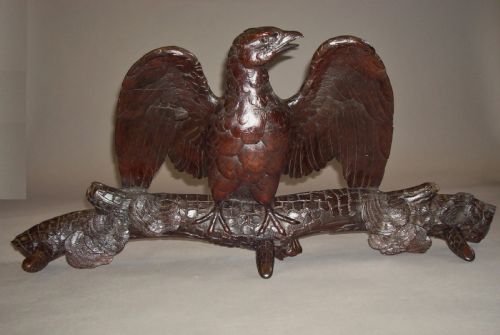


Carved Timber Coat Rack
A carved timber coat rack brings an engaging focal point to an entrance hall while offering practical hanging space for daily wear.
Carved Timber Coat Rack
A carved timber coat rack spans substantial hall stands and compact wall-mounted hooks originating from periods ranging from the eighteenth century through to the early twentieth century. Examples on this page encompass styles such as Victorian, Jacobean, and Black Forest, alongside Chinese Qing Dynasty pieces.
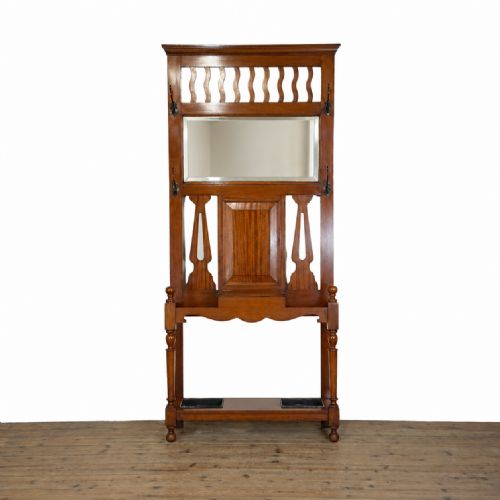
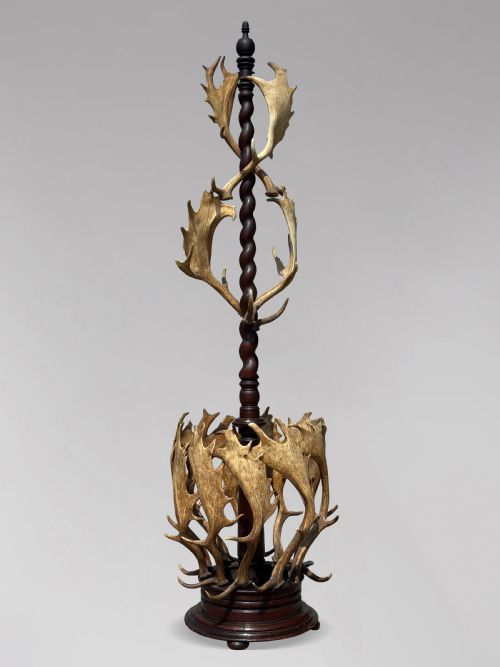
The most prevalent formats are wall hooks and substantial hall stands, frequently incorporating carved animal motifs, wooden columns, and integrated mirrors or umbrella trays. Materials extend from mahogany and oak to linden wood, hardwood, and horn.
How They Were Made
Maker execution relies heavily on hand carving across diverse timbers including mahogany, oak, linden wood, and general hardwoods. Artisans shaped these materials into intricate animal forms and architectural columns.
Functional metal elements and glass components integrate directly into the carved wooden structures to serve as hooks, mirrors, or storage trays, supported occasionally by natural horn.
Carved Timber Coat Rack Retail Price Guide 2026
Typical asking prices for carved timber coat rack among the pieces listed under this phrase on Sellingantiques today, from the lower quarter to the upper quarter. They describe what is for sale here now, not the wider market.
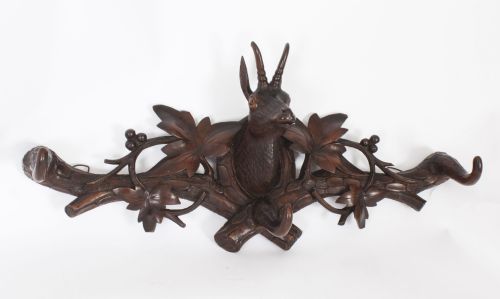
A chamois goat's head peers attentively from a nineteenth-century wall rack, ready to hold everyday hats.
What Varies in Quality
The choice of primary timber, from dense mahogany and oak to softer linden wood, dictates the durability and crispness of surviving relief work across different centuries.
J Parker of Woodstock
The Carved Timber Coat Rack Glossary
- Black Forest
- A style of wood carving originating in the Swiss and German border regions, heavily represented by wildlife figures and realistic animal heads.
- Hall Stand
- A large piece of hall furniture combining coat hooks, a mirror, and often an umbrella stand or glove box.
- Linden Wood
- A pale, fine-grained timber frequently utilised for intricate, high-relief carving due to its soft and even texture.
- Jacobean
- A British design style from the early seventeenth century noted for dark, sturdy oak and geometric panel relief.
Carved Timber Coat Rack: Frequently Asked Questions
What is a carved timber coat rack?
A carved timber coat rack is a functional wooden furnishing designed for hallways, featuring carved ornamentation and hanging provisions for garments and hats. These pieces range from simple wall-mounted rails to large, freestanding hall stands.
They reflect diverse historical periods and regional carving traditions, utilising woods such as mahogany, oak, and linden wood alongside metal and horn components.
How do I date a hall stand?
Dating a hall stand involves examining the stylistic traits, timber types, and construction methods characteristic of periods like the Victorian era or the eighteenth century. Details such as turned mahogany columns or specific regional carving styles offer key chronological indicators.
Makers' marks or inscriptions, when present, provide definitive points of origin and production eras for individual pieces.
What styles of carving are common?
The listings feature prominent Black Forest wildlife carvings, traditional British oak joinery, and Chinese Qing Dynasty woodwork. Animal subjects like bears, foxes, eagles, and chamois goats appear frequently in relief and full sculpture.
Architectural elements such as columns and turned wooden spindles also define the aesthetic across different historical periods.