

Wooden Hat Coat Rack
A wooden hat coat rack combines daily utility with period presence, offering a practical place for outerwear while grounding a hallway in traditional craftsmanship.
Wooden Hat Coat Rack
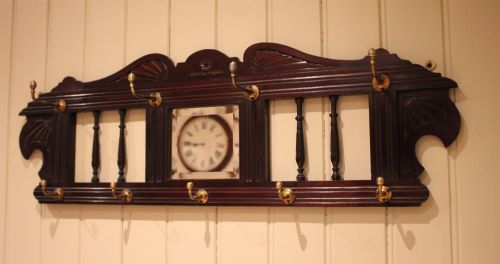
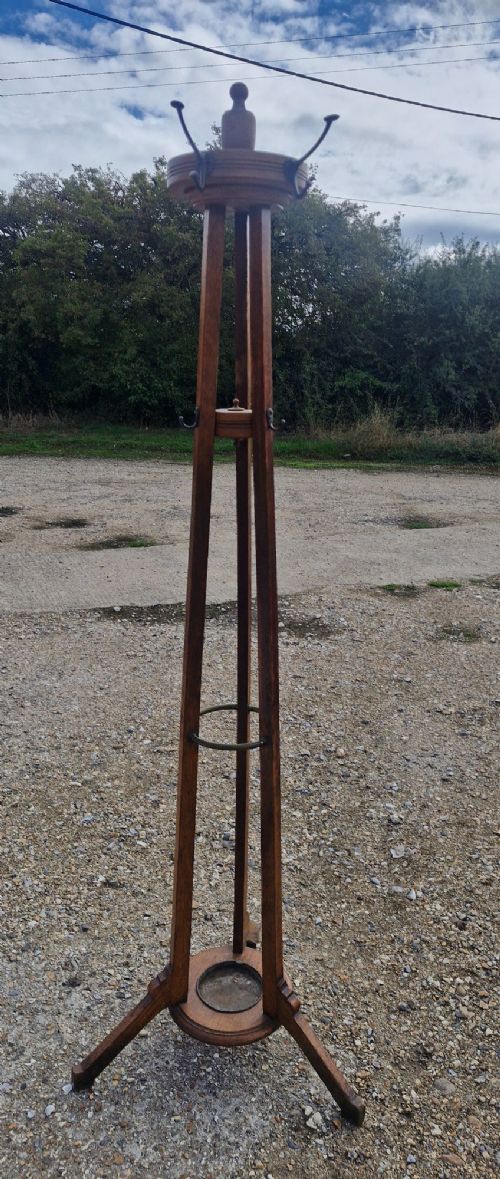
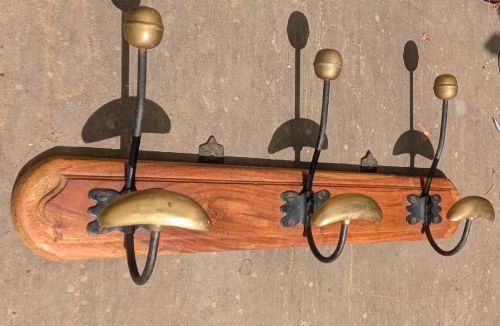
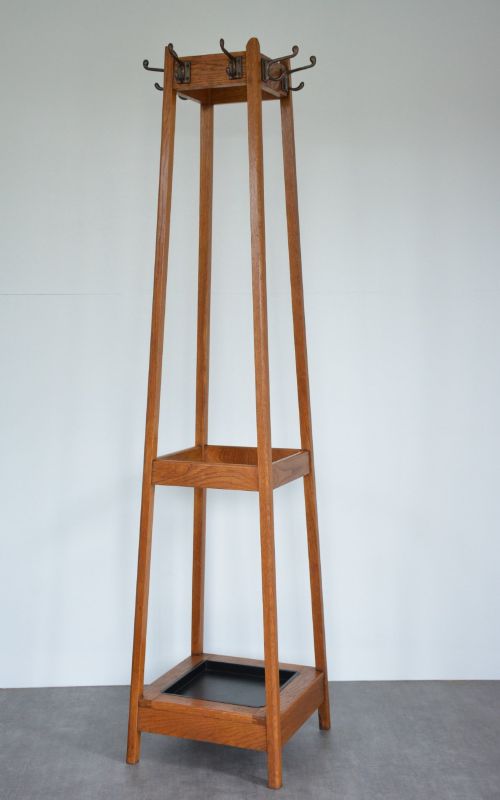
A wooden hat coat rack serves as a functional fixture for domestic entryways, appearing primarily as wall-mounted backboards with fitted hooks or as freestanding hall trees and stands. When searching for a wooden hat coat rack, buyers encounter diverse forms ranging from compact cloakroom rails to substantial furniture pieces designed for hats, coats, sticks, and umbrellas.
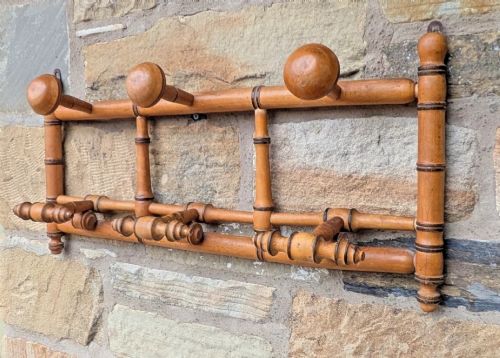
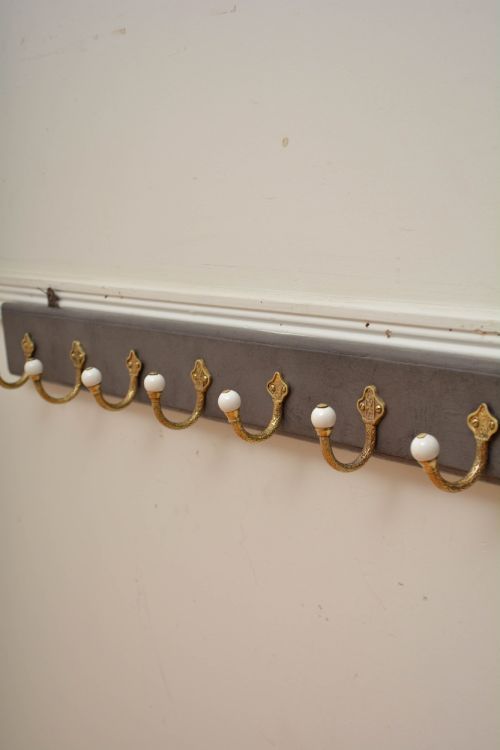
The selections span from the late nineteenth century through the early decades of the twentieth century, encompassing Victorian, Edwardian, and Arts and Crafts aesthetics alongside industrial and French country influences. Wall-mounted variants frequently feature timber backboards fitted with brass, ceramic, or cast metal hooks, while freestanding versions utilise turned posts and curved frames.
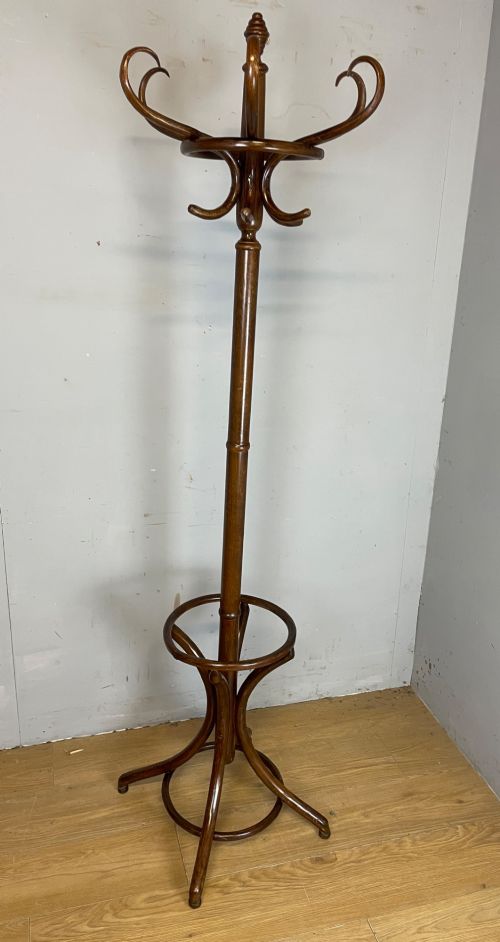
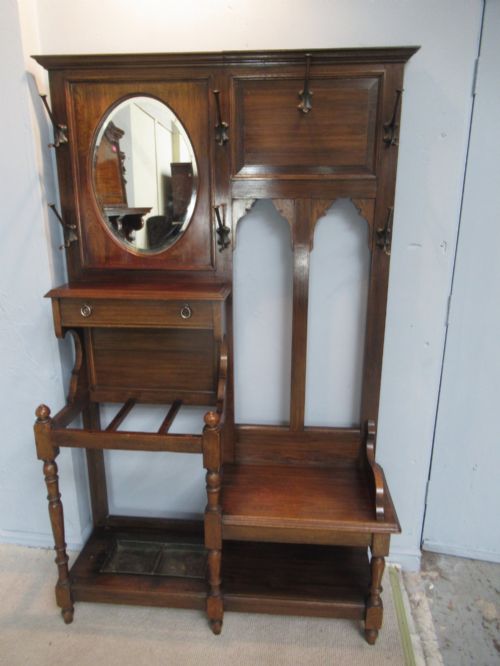
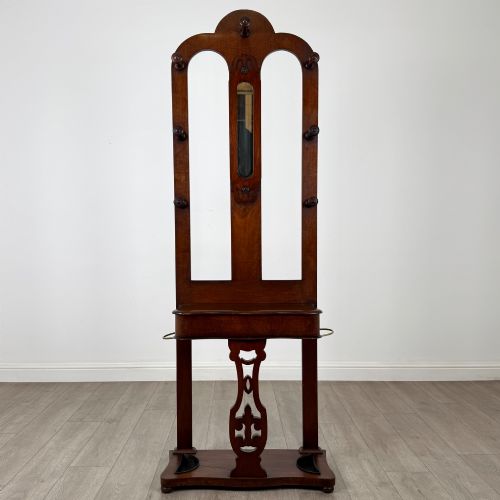
Freestanding examples often incorporate umbrella holders, drip trays, and revolving top sections for hats and coats. Pieces originate from various periods including the Victorian and Edwardian eras, reflecting the domestic requirements of their time through specialised compartments for daily accessories.
How they were made
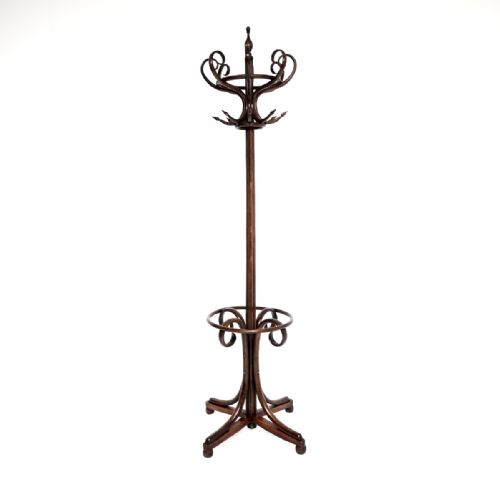
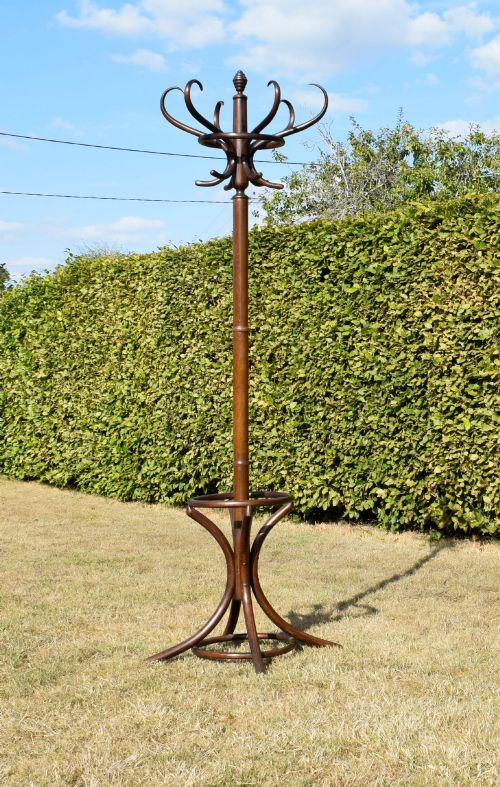
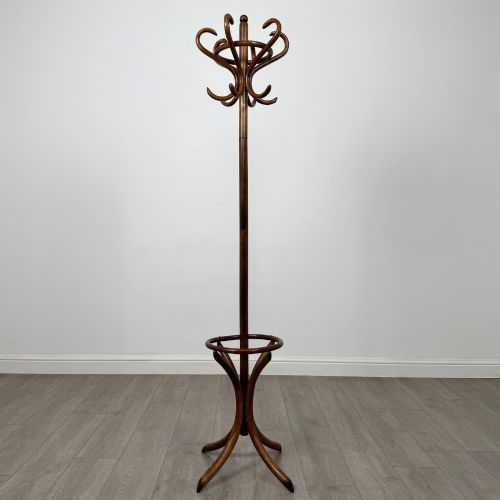
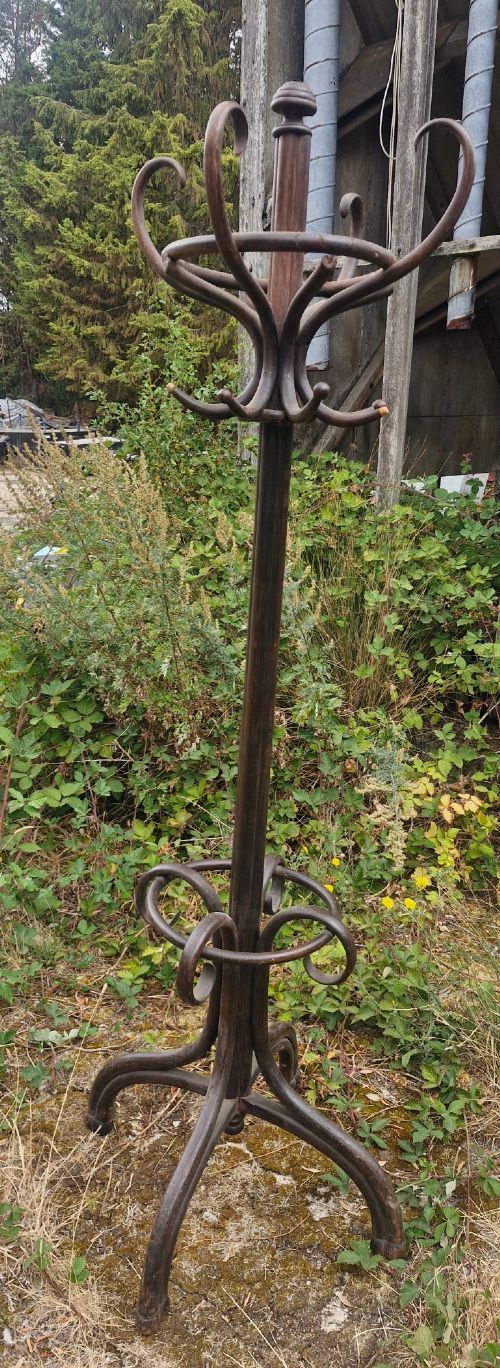
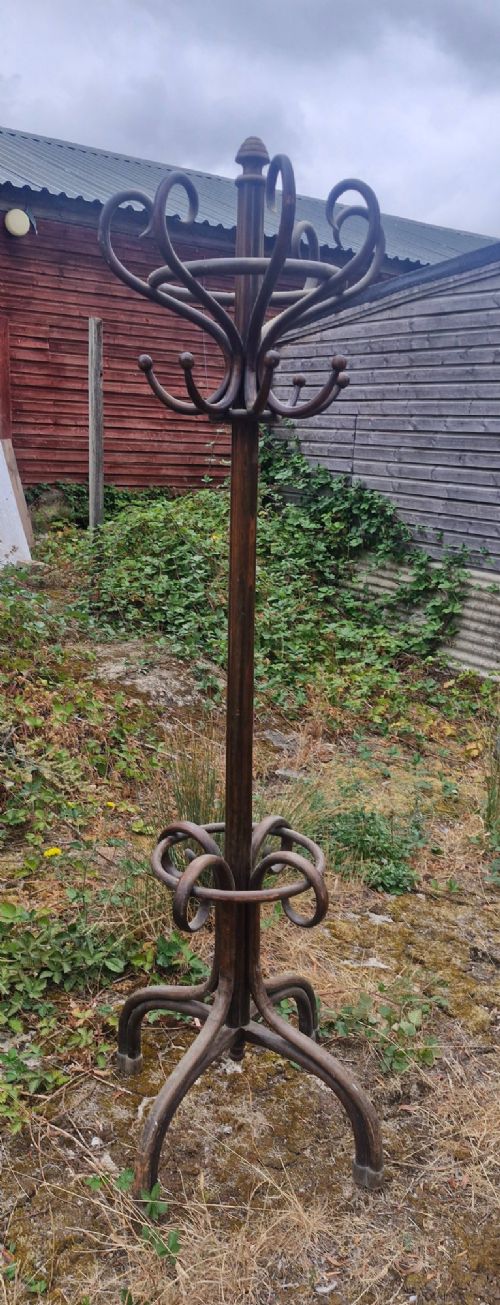
Maker construction relies heavily on solid hardwoods like oak, mahogany, walnut, and beech, selected for their durability and grain. Bentwood technique utilises steamed beech formed into curved shapes, particularly evident in tall stands and half-round hall trees.
Metal components such as brass, cast iron, and bronze form the hooks and hanging fixtures, occasionally paired with ceramic elements or glass details. Wall-mounted backboards employ pine or hardwood panels to secure the hooks firmly for weight-bearing use.
Listings feature oak, mahogany, beech, and bentwood across Victorian, Edwardian, and Arts and Crafts periods.
What varies in quality
Construction methods distinguish robust examples from lighter pieces, with solid timber framing and secure joints providing long-term stability under heavy garments. The calibre of the hardware, including cast brass hooks and original ceramic fixtures, indicates the overall standard of the piece.
Thonet·Astrola·Jas. Shoolbred
The Wooden Hat Coat Rack Glossary
- Bentwood
- A technique where timber is steamed until pliable and bent into curved structural forms. This method defines many lightweight coat stands and hall trees from the late nineteenth and early twentieth centuries.
- Hallstand
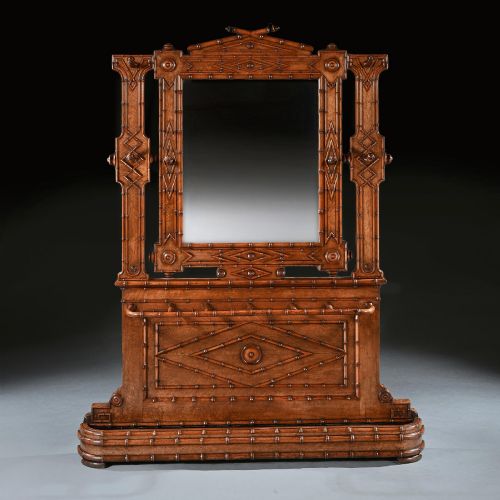
- A large freestanding hall furniture piece combining coat hooks, a hat shelf, a mirror, and umbrella stands with drip trays. These items anchored the entrance spaces of period homes.
- Faux bamboo
- A decorative finish where wood is carved and painted to imitate natural bamboo stalks. This style appeared frequently in nineteenth-century aesthetic movement and French furniture.
- Japonisme
- A Western artistic style influenced by Japanese art, popular during the late nineteenth century. It appears in decorative details on furniture and hall stands from the period.
- Cloakroom
- A dedicated domestic space or entryway for receiving outdoor garments, hats, and sticks. Pieces designed for this environment prioritise practical hanging capacity over display.
Wooden Hat Coat Rack: Frequently Asked Questions
How do I mount a wall rack safely?
Wall-mounted racks require solid fixing into wall studs or appropriate masonry anchors to support the weight of heavy coats and hats safely. Distributing the load evenly across the backboard prevents strain on individual hooks.
Ensure the screws match the depth and strength of the timber backboard to maintain structural integrity during daily use.
What is a bentwood hat stand?
A bentwood hat stand utilises steam-bent beech wood to create lightweight yet sturdy freestanding frames with curved hooks for garments and hats. These stands often feature a revolving top section and circular bases.
Originating in the nineteenth century, this design style offers a slender profile suited to narrow hallways and reception spaces.
How do I care for wooden hall furniture?
Maintain timber surfaces by applying appropriate wax or polish periodically to nourish the grain and protect against moisture from wet coats and umbrellas. Avoid placing pieces in direct sunlight or near heat sources to prevent wood splitting.
Check metal hooks and fixings regularly to ensure they remain tight and secure within the wood.
What is the difference between a coat rack and a hall stand?
A coat rack is typically a wall-mounted board with fitted hooks designed solely for hanging garments and hats in compact spaces. A hall stand is a larger freestanding piece of furniture that incorporates umbrella holders, drip trays, mirrors, and storage compartments.
While coat racks focus purely on wall storage, hall stands provide a comprehensive entryway storage solution.