



Wooden Hand Sculpture
These carved wooden hand sculpture pieces and figural carvings bring tactile presence and historic regional character to a room.
Wooden Hand Sculpture
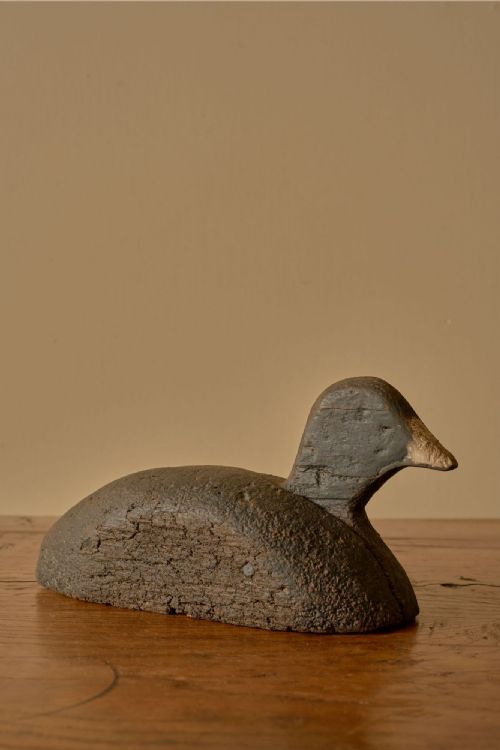
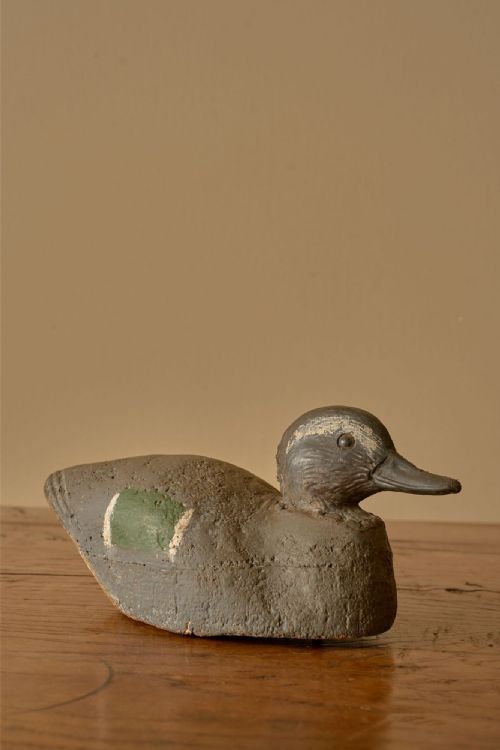
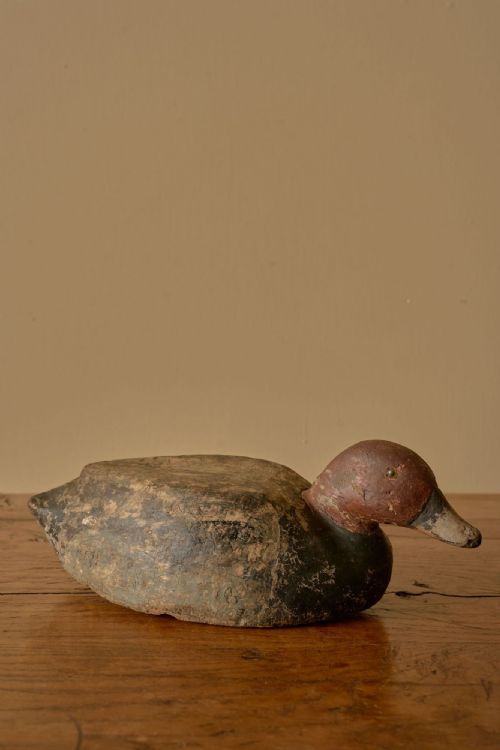
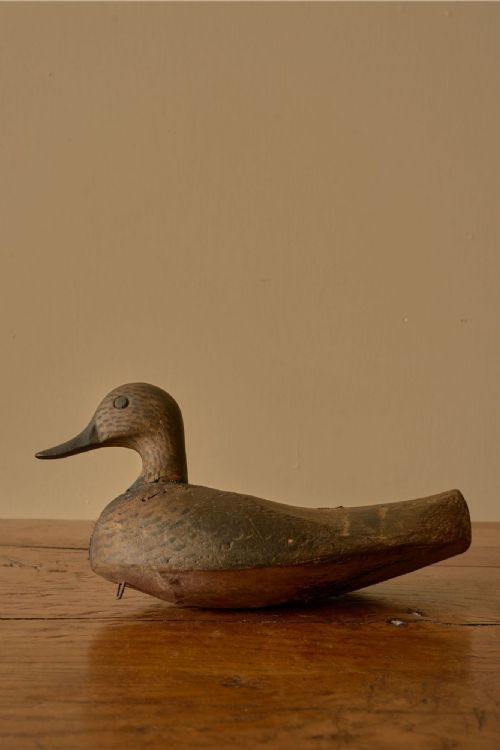
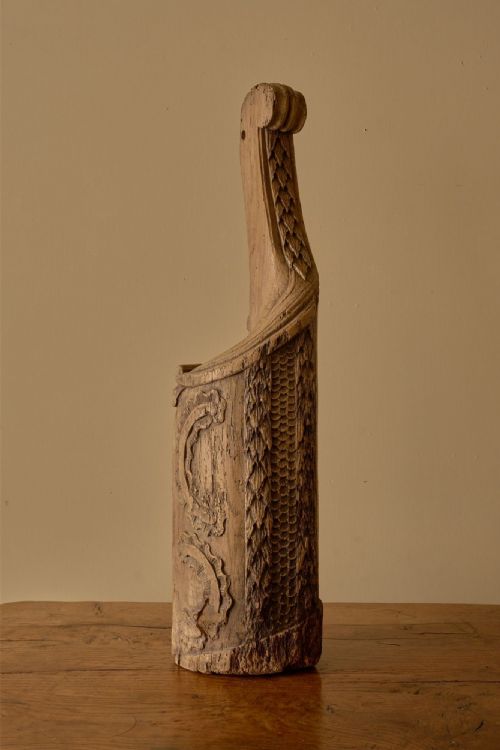
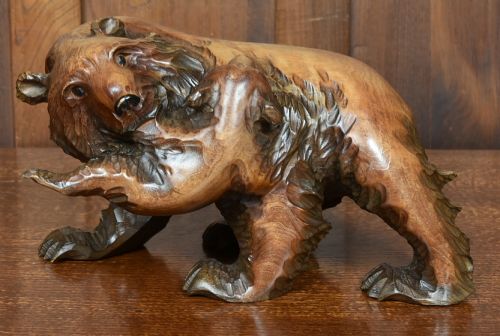
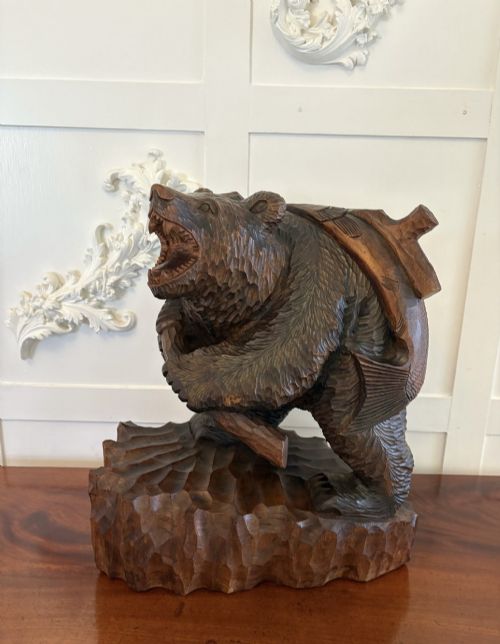
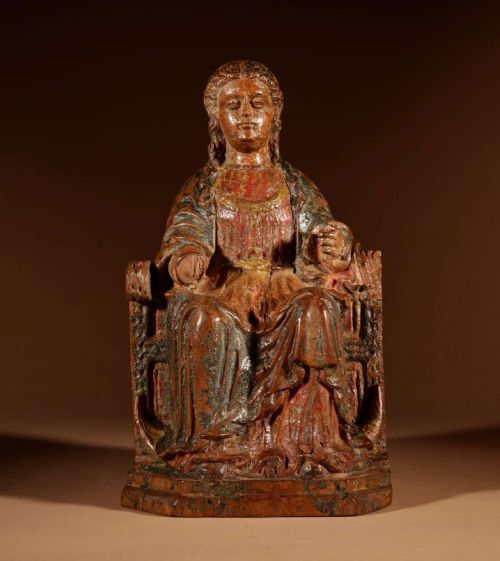
A wooden hand sculpture search brings up a diverse range of carved figural objects, animal studies, and religious reliefs spanning several centuries. The selection here leans heavily towards European folk art, Black Forest animal carvings, and traditional Asian figures rather than literal anatomical hands. Buyers encounter everything from decoy ducks and architectural fragments to detailed saints and bears carved from timber.
Originating across Britain, Europe, and Asia, these objects serve purely decorative or symbolic purposes within domestic interiors. Pieces range from small tabletop animal studies to substantial wall plaques and life-size torsos. The forms reflect local traditions, whether Swiss limewood figures, Japanese bear carvings, or English decoy ducks.
How they were made
Carvers utilised regional hardwoods and softwoods including oak, walnut, chestnut, lime, and linden wood. The choice of timber dictated the scale of the detail, with close-grained woods allowing for fine facial expressions and feather textures. Many items retain original paint schemes, polychrome surfaces, or dark polish.
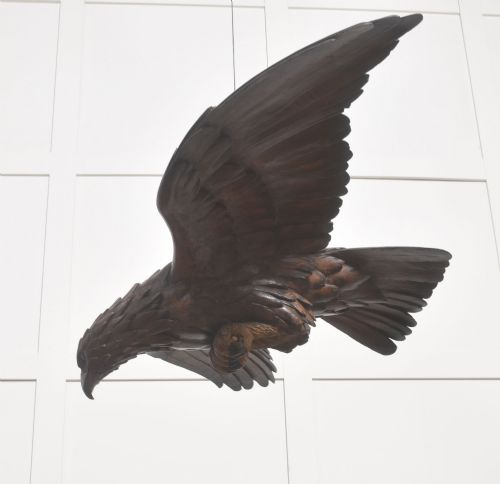
Makers employed traditional hand chisels and gouges to shape the raw timber directly. Surfaces often show the rhythmic marks of the tool, distinguishing hand-carved items from mechanical production. Details such as glass or stud eyes were sometimes added to animal studies to increase realism.
Listings feature woods such as oak, walnut, linden wood, chestnut, and painted timber across multiple centuries.
What varies in quality
Anatomical proportion and depth of relief separate superior carvings from simpler regional work. Master carvers captured tension in limbs and naturalistic movement in fur or drapery, whereas lower quality examples remain stiff and flat. The handling of anatomical joints or animal musculature reveals the competency of the workshop.
Surface preservation significantly alters desirability and quality perception. Pieces retaining untouched original polychrome paint or undisturbed historic patina command greater respect than those stripped or heavily restored. The crispness of the remaining carved detail through generations of handling indicates the original execution standard.
The Wooden Hand Sculpture Glossary
- Polychrome
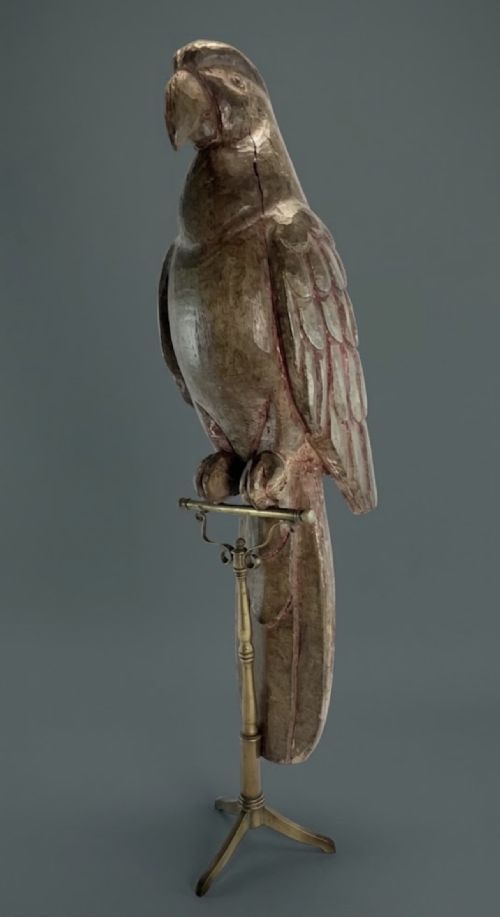
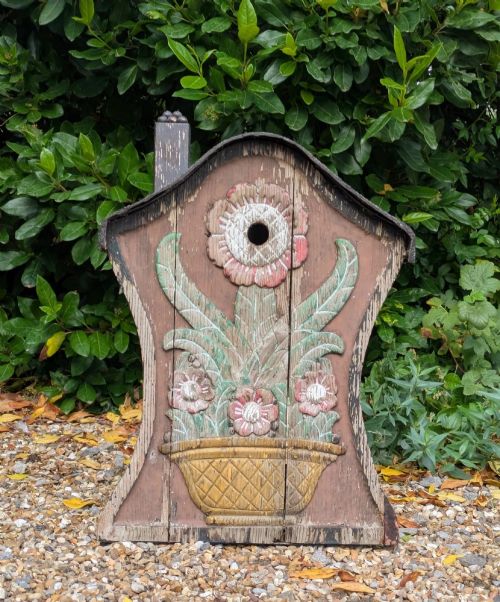
- Painted in several colours. This surface treatment appears frequently on religious figures and folk art birds to imitate life.
- Black Forest
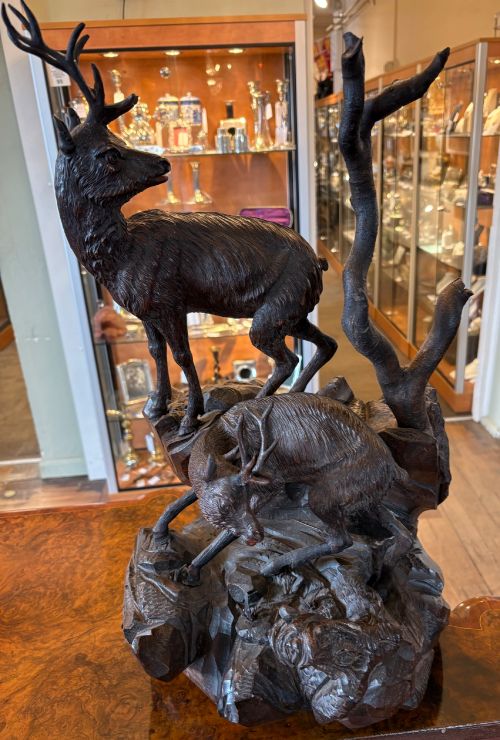
- A style of wood carving originating in Switzerland and the Black Forest region of Germany. These works typically depict bears, deer, and alpine animals in realistic poses.
- Folk art
- Utilitarian or decorative objects made by self-taught or local craftspeople. These pieces prioritize expressive character over strict academic proportions.
- Newel post
- The principal post at the foot of a staircase. Surviving examples are often carved heavily from dense hardwoods.
- Corpus Christi
- An image of Jesus Christ on the cross. These wooden sculptures focus on devotional detail and emotional expression.
Wooden Hand Sculpture: Frequently Asked Questions
What woods were commonly used?
Carvers selected timbers based on regional availability and the required scale of the object. Oak, walnut, and chestnut provided durable foundations for architectural panels and religious figures.
Softer woods like limewood and linden wood allowed carvers to execute intricate details on animal studies and small folk art figures without splitting.
How do I care for antique wood?
Keep wooden sculptures away from direct heat sources and dramatic fluctuations in relative humidity to prevent the timber from splitting. Sudden temperature changes cause wood to expand and contract.
Dust the surface gently with a dry, soft cloth rather than applying modern polishes or oils. Natural wax finishes benefit from occasional professional maintenance.
How do I date these carvings?
Examine the tool marks left on the reverse or hidden areas of the wood. Hand-hewn marks made by traditional gouges differ significantly from modern machine milling.
Compare the style of clothing, hair, or anatomical depiction with known periods. Historic wear patterns and the composition of underlying paint layers also help establish age.
Where were Black Forest carvings made?
These distinctive wooden sculptures originated primarily in the Alpine regions of Switzerland and south-west Germany during the nineteenth and early twentieth centuries. Local woodworkers produced them in significant quantities for travellers.
Subjects ranged from bears carrying fish or honey pots to mountain goats and detailed forest foliage.