



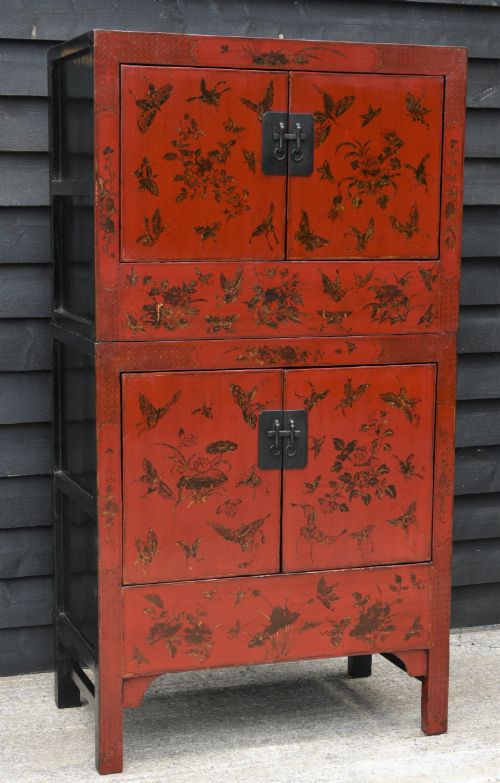
Painted Wooden Hand
These painted wooden hand pieces bring together traditional craft, folk art and decorative painted surfaces from the nineteenth and early twentieth centuries.
Painted Wooden Hand
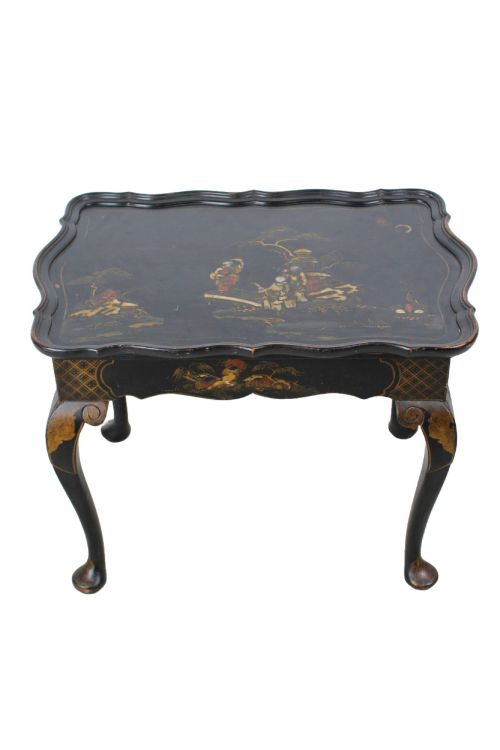
A painted wooden hand search uncovers items where artisans applied decorative paint, lacquer or motifs directly onto wooden substrates. You will encounter objects originating from diverse traditions, ranging from English folk art and trade signs to Kashmiri tables, lamps and decorative carvings.
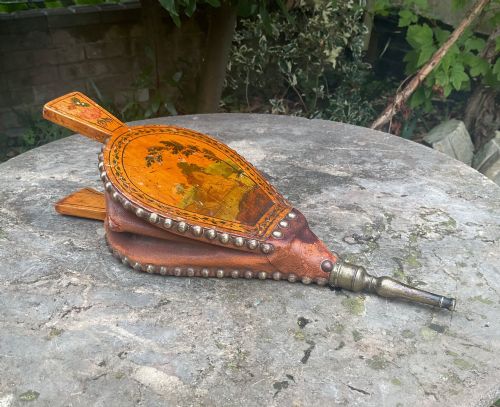
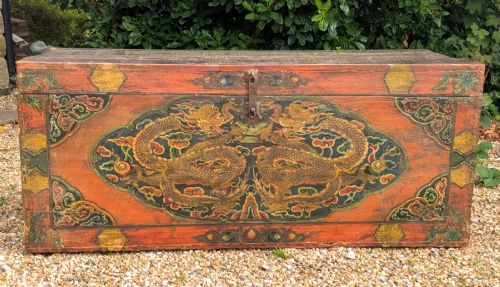
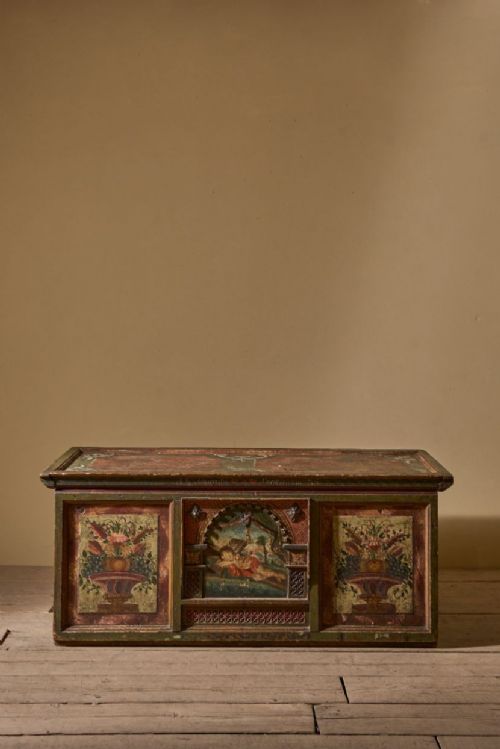
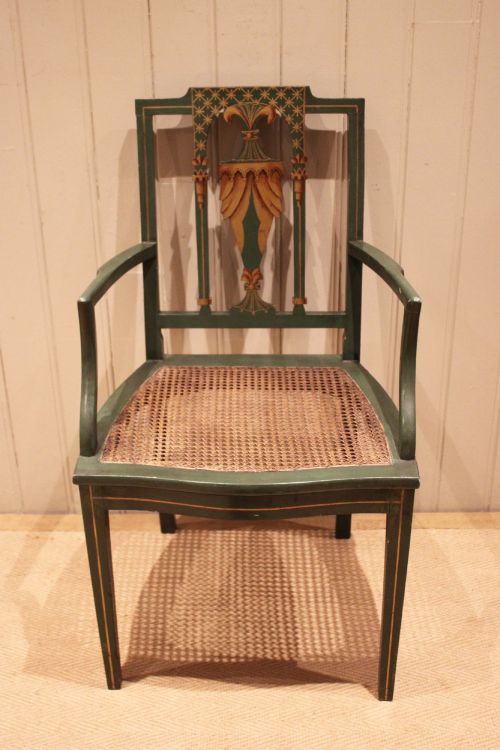
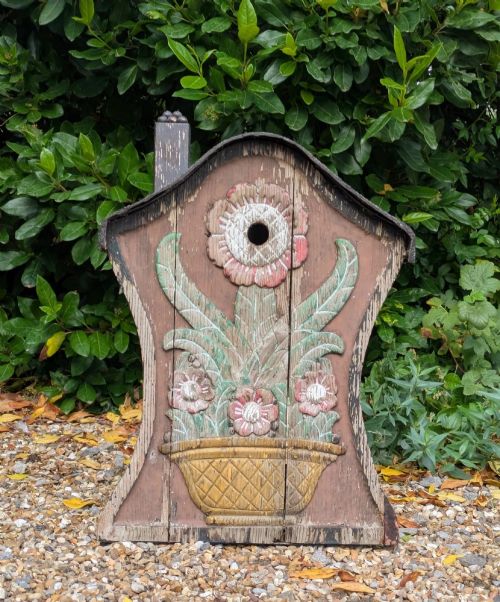
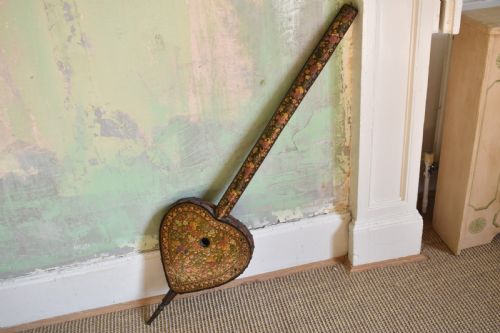
The selection includes household utilitarian items such as fire bellows, chests, and armchairs alongside sculptural decoy birds, trade signage and decorative panels. Pieces span the Victorian, Edwardian and early twentieth-century periods, showcasing regional painting styles from Scandinavia, Britain, France and India.
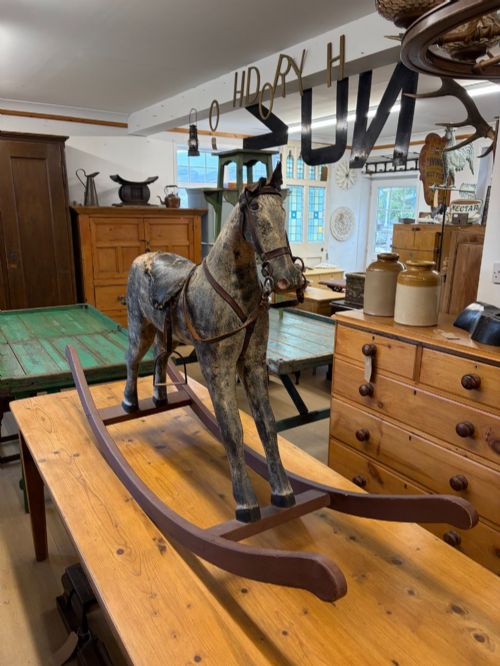
Many listings demonstrate specific utilitarian functions that transitioned into decorative items, including shop signage, delivery carts, and architectural panels. The common thread across these works is the combination of hand-carved wood and applied decorative paint or lacquer surfaces.
Materials and Techniques
Makers utilised native and exotic timbers including pine, satinwood and turned woods as foundations for elaborate painted decoration. Artisans applied oil paints, water-based pigments and lacquer directly to prepared wooden surfaces, often sealing the work with protective finishes.
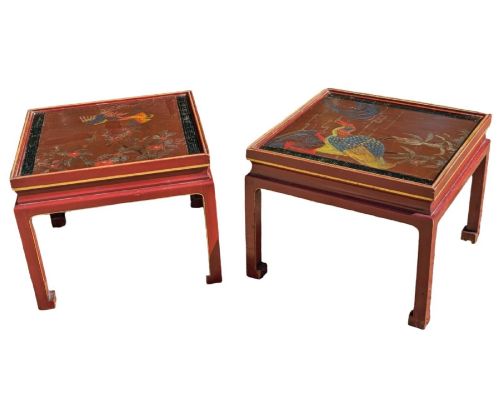
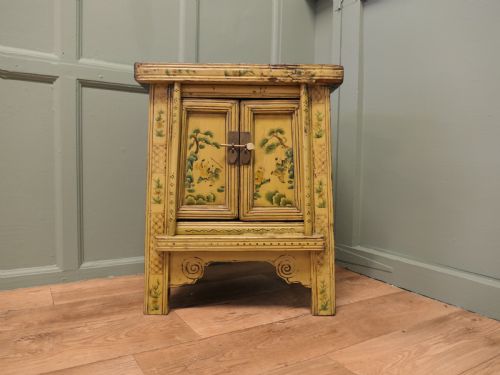
Surface ornamentation frequently involved detailed freehand brushwork, Chinoiserie motifs, floral patterns and specialised regional techniques seen in Kashmiri and Scandinavian folk traditions. Metal elements such as hand-forged iron strapwork and brass fittings were integrated for structural reinforcement and visual contrast.
The category encompasses diverse forms including trade signs, decoy animals, furniture, and Kashmiri lighting.
Assessing Quality
Quality rests primarily on the integrity and survival of the original painted surface relative to the underlying wooden structure. Patina and evidence of age distinguish genuine period artefacts from later decorative adaptations.
Artisanal skill shows in the confidence of the brushwork, the depth of layered lacquer, and the harmony between carved form and surface decoration. Regional folk pieces display varying degrees of naive charm versus refined academic execution.
R.D. Roberts
The Painted Wooden Hand Glossary
- Folk Art
- Objects created by self-taught or traditional craftsmen for utilitarian or local decorative purposes. These items prioritize practical function and regional style over academic design standards.
- Chinoiserie
- European decorative style reflecting Chinese artistic influences, characterised by painted or lacquered motifs of figures, landscapes and pavilions. This style gained particular popularity during the Edwardian period.
- Decoy
- Carved and painted wooden birds or animals originally utilised in hunting to attract wildlife. They now survive as collected examples of folk sculpture and craftsmanship.
- Lacquer
- A durable resinous finish applied in multiple layers to wooden objects and polished to a hard sheen. It is frequently associated with Asian export wares and European imitations.
- Tipstaff
- A traditional wooden staff of office carried by law enforcement officers, often painted with royal cyphers and heraldic insignia. These functional objects served as symbols of legal authority.
Painted Wooden Hand: Frequently Asked Questions
What are painted wooden hand pieces?
These items encompass decorative and utilitarian objects made from wood that feature hand-applied paint, lacquer, or folk art decoration. They include signs, decorative panels, sculptures, and furniture produced across various international traditions.
Most examples date from the nineteenth and early twentieth centuries, reflecting the distinct aesthetic preferences of periods such as the Victorian and Edwardian eras.
How were these items used historically?
Many pieces served practical domestic, commercial, or municipal functions before becoming decorative collectibles. Examples range from trade signage and delivery carts to furniture, lighting, and specialised tools.
Other items, such as decoy birds and decorative carvings, were created for specific outdoor or interior display purposes, combining utility with traditional craftsmanship.
How should I care for painted wooden items?
Maintain stable environmental conditions away from direct sunlight and excessive humidity to preserve delicate painted surfaces and timber substrates. Gentle dusting with a dry, soft cloth is sufficient for routine maintenance.
Avoid chemical cleaners, commercial polishes, or excessive moisture, as these can strip original painted layers and damage historic patinas.