



Distressed Timber Hand
These pieces known as distressed timber hand examples combine weathered surfaces and sculptural form, offering distinct character for interior display.
Distressed Timber Hand
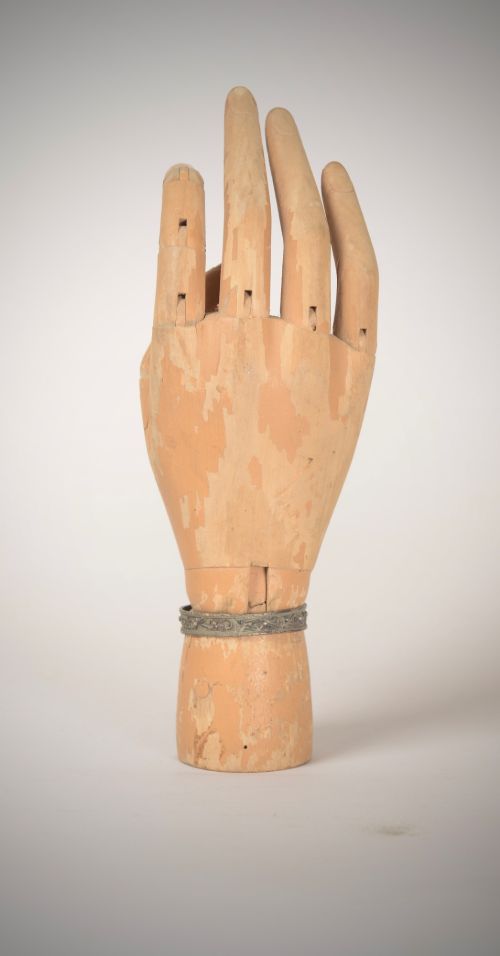
The distressed timber hand search brings up sculptural objects and decorative sculptures, alongside related vernacular items like painted mannequin hands and carved wooden pieces. Buyers frequently encounter objects shaped by human hands or depicting hands, rendered in carved wood and timber.
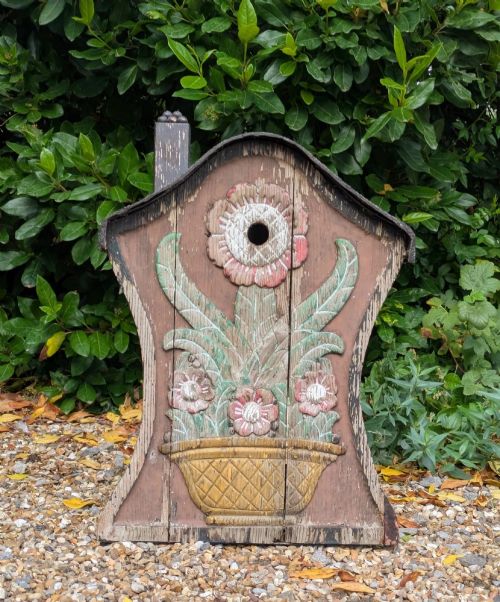
Originating predominantly from the nineteenth century, these objects often display folk art sensibilities and painted surfaces that have weathered over decades. The selection on this page demonstrates how utilitarian wooden forms transition into decorative focal points.
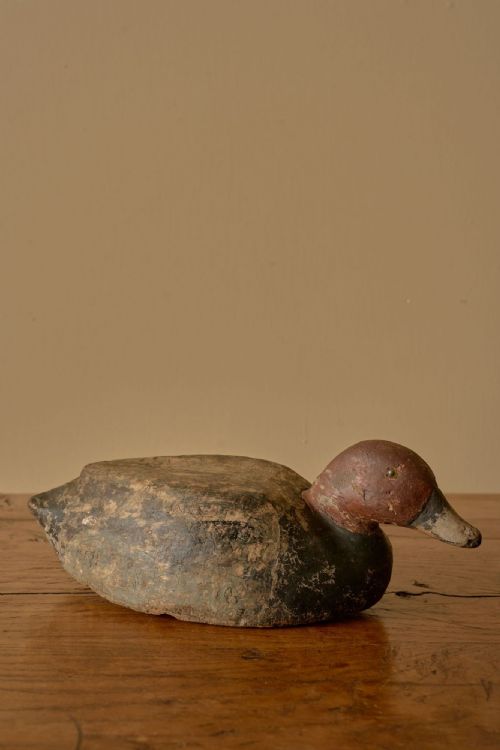
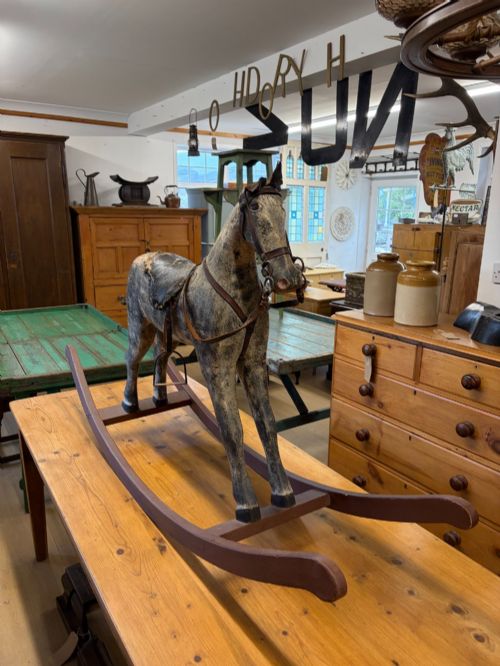
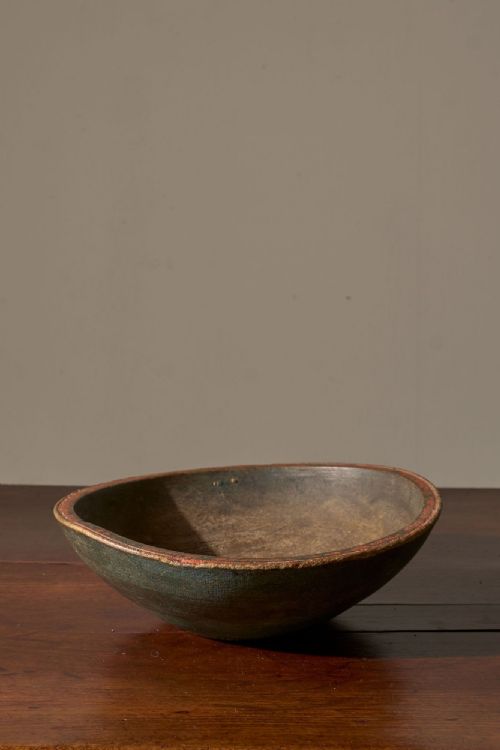
Alongside hand sculptures, the evidence shows a wider vernacular tradition encompassing carved wooden figures, decoy ducks, and Swedish bowls from the eighteenth and nineteenth centuries. Each piece carries the marks of its making and long use in domestic or workshop settings.
How they were made
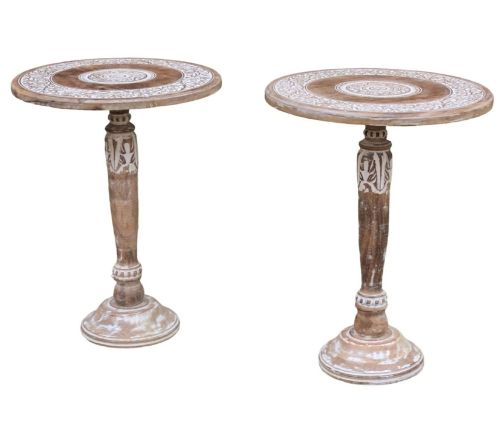
Makers shaped these items primarily from carved wood, pine, and mango wood using traditional hand tools to achieve organic contours. The surfaces frequently show layers of historical paint that have cracked, chipped, and worn down through handling and exposure.
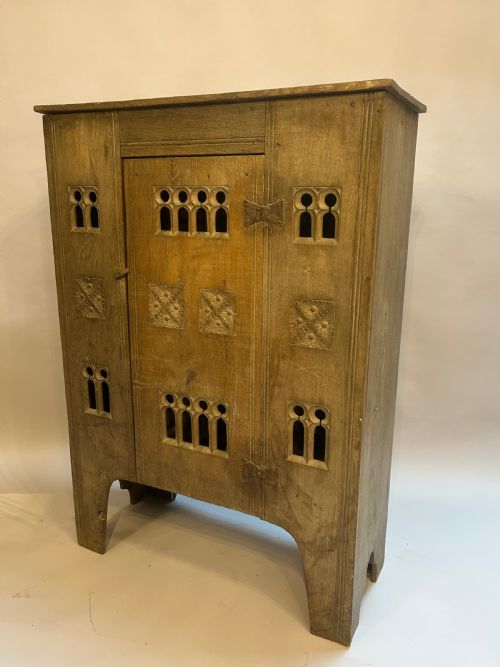
Iron and metal elements occasionally appear as structural fixings, hinges, or decorative accents on larger pieces like cabinets and doors. Glass is also recorded in the materials, though timber and pigment remain the dominant mediums across the selection.
Distressed Timber Hand Retail Price Guide 2026
Typical asking prices for distressed timber hand among the pieces listed under this phrase on Sellingantiques today, from the lower quarter to the upper quarter. They describe what is for sale here now, not the wider market.
Materials across these listings include carved wood, pine, iron, metal, and glass, spanning periods from the eighteenth century through the 1930s.
What varies in quality
Quality rests in the integrity of the carving and the authentic depth of the surface patina rather than any smooth finish. Pieces that retain their original unpolished paint layers hold greater visual coherence than those with later or over-cleaned surfaces.
The balance of the sculptural form and the character of the ageing timber distinguish finer examples from simpler vernacular items. A well-preserved carved detail retains its crispness even beneath multiple generations of worn pigment.
The Distressed Timber Hand Glossary
- Folk art
- Utilitarian or decorative objects created by self-taught or traditional artisans, often displaying regional styles rather than academic design. This style embraces unpretentious materials and direct carving techniques.
- Patina
- The surface sheen and textural change acquired by wood and paint through age, handling, and environmental exposure. A natural patina develops slowly and cannot be easily replicated by artificial means.
- Primitive
- A descriptive term for early or provincial objects made without sophisticated tools or adherence to classical proportions. These pieces derive their appeal from their directness and bold sculptural presence.
- Vernacular
- Objects designed and built to fulfill local, everyday needs using regional materials and traditional methods. This category includes everything from household seating to carved decoys and painted bowls.
Distressed Timber Hand: Frequently Asked Questions
What is a distressed timber hand?
A distressed timber hand refers to sculptural wooden objects shaped like hands, often finished with historical paint that has worn down over time. These pieces serve as decorative objects rooted in nineteenth-century folk traditions.
They reflect utilitarian craft repurposed for display, carrying distinct surface wear that highlights the grain of the wood beneath.
How do I date these carved wooden objects?
Dating relies on observing the tool marks left by the maker, the type of timber used, and the chemical composition of any surviving paint layers. Eighteenth and nineteenth-century pieces typically exhibit hand-sawn surfaces and organic wear patterns.
Comparing the construction methods with documented vernacular pieces helps establish a reliable timeline of origin.
Where should I display a wooden hand sculpture?
These sculptures suit tabletops, mantelpieces, or dedicated display shelves where their sculptural form and aged surface texture remain visible. Placing them away from direct heat sources protects the fragile wooden substrate and historical paint.
Pairing them with neutral backgrounds allows the varied tones of the weathered timber to stand out clearly.
How do I care for painted wooden surfaces?
Maintenance involves gentle dusting with a soft, dry cloth to prevent dirt accumulation without disturbing fragile paint layers. Avoid using liquid cleaners, waxes, or modern polishes that can soften historical pigments and alter the natural matte finish.
Keeping the environment stable in humidity and temperature prevents the timber from splitting or warping further.