



Vintage Wooden Hand
A vintage wooden hand brings sculptural warmth and human gesture to a room, functioning as a striking decorative object.
Vintage Wooden Hand
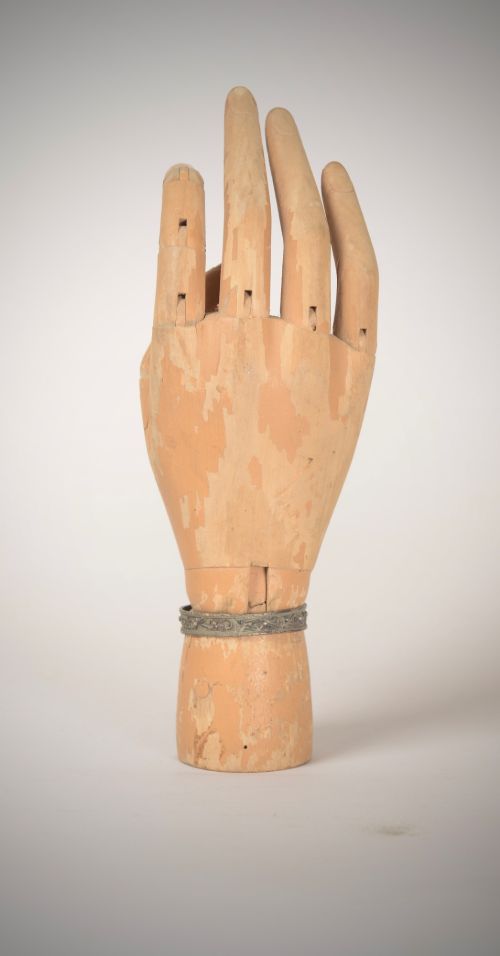
When searching for a vintage wooden hand, collectors encounter carved items originating from the nineteenth century onwards. These objects include painted mannequin hands that once served utilitarian purposes in tailors' shops and studios before transitioning to decorative display.
The material form encompasses carved wood and painted timber surfaces that show the marks of past handling and workshop creation. Pieces vary from simple folk art objects to detailed anatomical models used for artistic study.
Most examples found on this page reflect the craftsmanship of earlier centuries, bringing tangible history into modern domestic spaces.
Materials and Construction
These items are shaped from solid wood and hardwood timbers using traditional hand-carving and turning techniques. Artisans utilised gouges, chisels, and knives to define the fingers, palms, and knuckles with realistic proportion.
Surface finishes frequently involve applied paint, clear wax, or natural oils that have aged over decades to create a distinctive patina. Metal pins or hinges occasionally join articulated fingers, allowing the hand to be posed in various gestures.
Vintage Wooden Hand Retail Price Guide 2026
Typical asking prices for vintage wooden hand among the pieces listed under this phrase on Sellingantiques today, from the lower quarter to the upper quarter. They describe what is for sale here now, not the wider market.
Listings featuring wooden hands span the nineteenth and twentieth centuries, incorporating painted finishes and carved hardwood construction.
Assessing Quality
Quality in these carved objects rests upon the naturalism of the anatomy and the sensitivity of the carving. Superior pieces display carefully articulated joints, well-proportioned fingers, and a clear understanding of human structure.
The integrity of the surface finish also defines the standard of the piece, with original paint showing natural wear rather than later interference. Strong execution by the carver separates standard utilitarian items from works of genuine sculptural merit.
John Jones·Liberty·Shuho Nakahara
The Vintage Wooden Hand Glossary
- Treen
- Small wooden domestic objects made before the widespread use of plastics. These pieces range from utilitarian kitchenware to decorative carvings.
- Folk Art
- Artistic work created by people without formal academic training, often reflecting regional traditions. These items prioritize practical utility and direct expression.
- Patina
- The surface sheen and colour developed by wood and paint through age, handling, and exposure to light. This quality indicates authenticity and history.
- Mannequin
- A jointed model of the human figure used by artists for studying drapery and posture. Wooden versions often feature working fingers and wrists.
Vintage Wooden Hand: Frequently Asked Questions
What were vintage wooden hands originally used for?
These carved objects served primarily as artist models for studying gesture, lighting, and human anatomy in studios. Tailors and drapers also utilised them to display gloves, rings, and cuffs in shop windows.
Over time, many transitioned from working studio tools into decorative sculptures collected for their tactile form and sculptural presence.
How should I clean a painted wooden hand?
Dust the surface gently with a soft, dry cloth to remove accumulated particles without disturbing the underlying finish. Avoid using water, liquid cleaners, or harsh chemicals that can soften aged paint and timber.
Applying a microcrystalline wax can protect exposed wood, but painted surfaces are best left untouched to preserve their original character.
How can I tell the age of a carved wooden object?
Examine the tool marks left on the wood, as hand-carved pieces display subtle irregularities from gouges and chisels rather than modern machinery. The presence of dry, stable wood and an aged surface patina also indicates considerable age.
Wear patterns around frequently touched areas, such as fingertips or palms, reveal decades of handling by previous owners.
Are the fingers on these hands usually movable?
Many decorative examples feature fixed fingers carved into a single permanent gesture, such as a pointing index or an open palm. Some studio models include articulated joints held together by internal pins or wire to allow adjustable positioning.
Checking the listing details helps confirm whether a specific piece offers a static sculpture or a flexible mannequin.