


Wooden Hallway Storage Bench
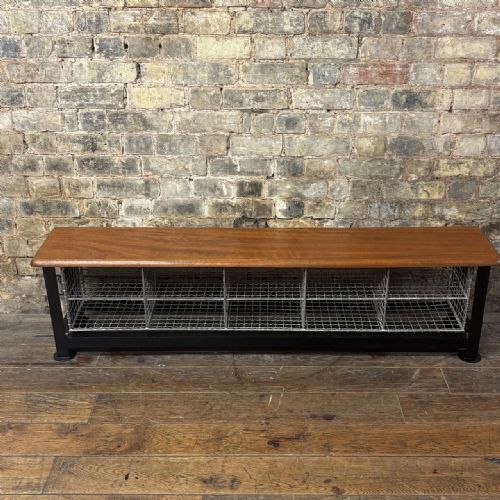
A wooden hallway storage bench provides a practical seat and concealed compartment, combining utility and period character for the entrance of a house.

Wooden Hallway Storage Bench
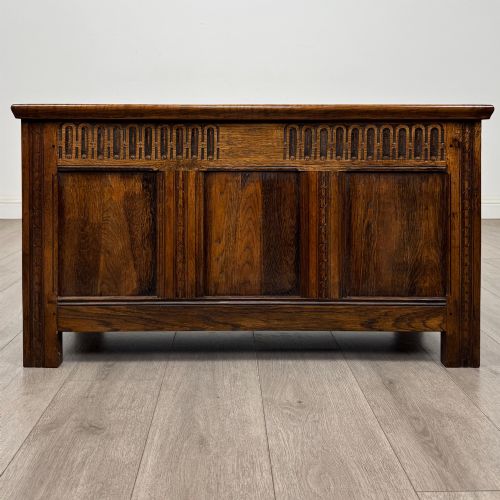
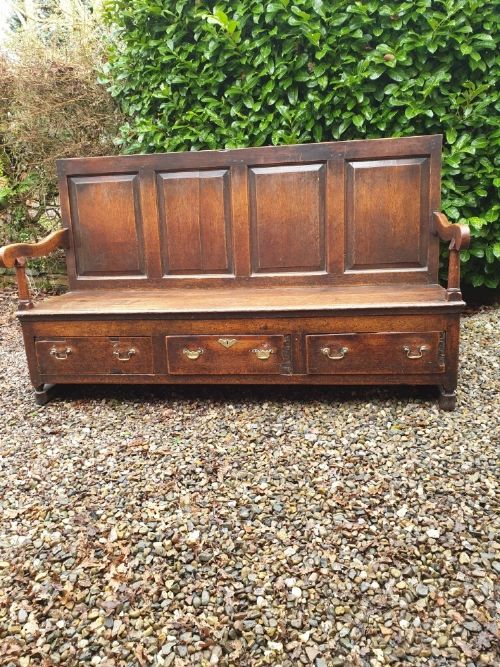
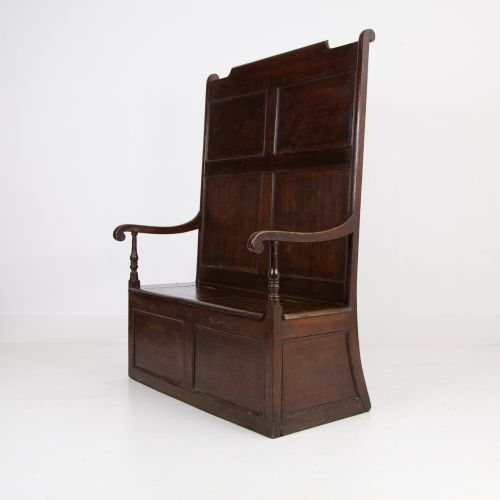
A wooden hallway storage bench encompasses traditional forms such as settles, hall seats, and box benches designed for entryways and reception areas. These items range from sturdy country pieces in pine and oak to formal examples from the Victorian, Edwardian, and Georgian periods.
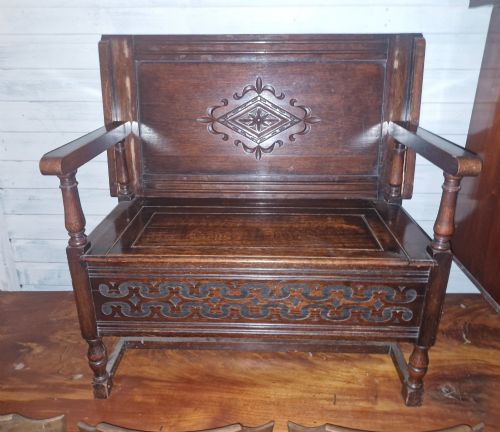
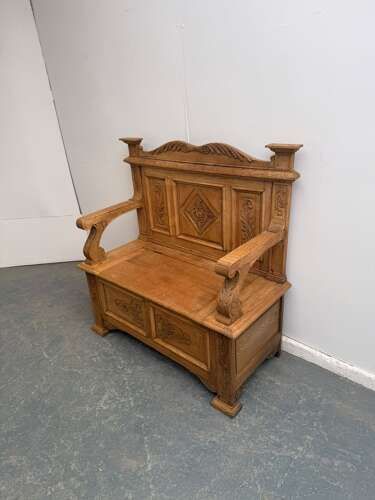
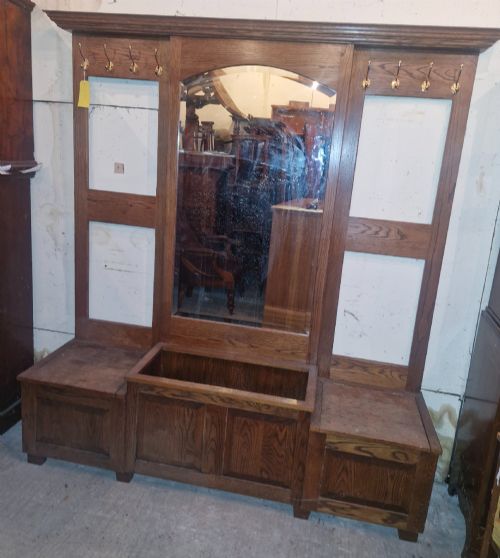
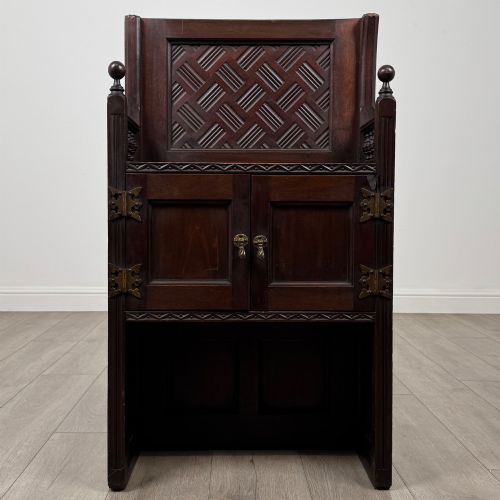
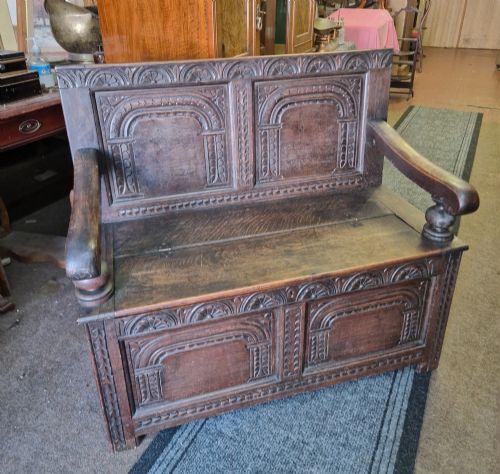
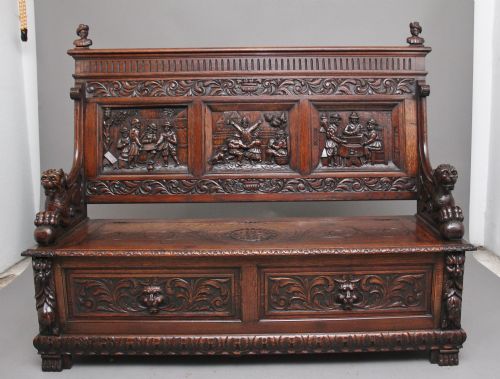
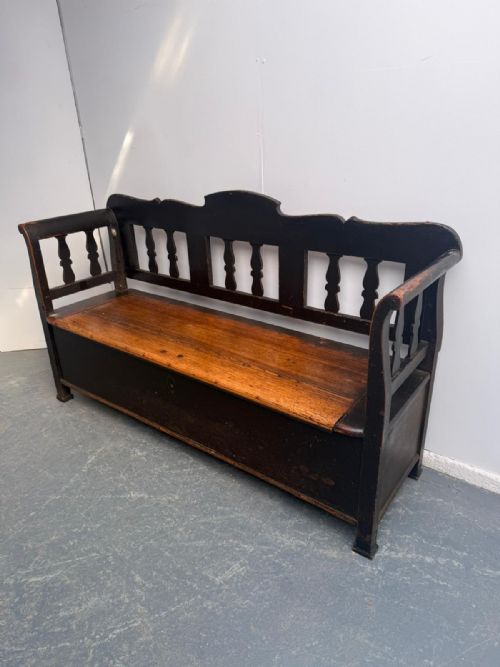
The versions most frequently met on this page include Hungarian pine painted benches, solid oak box settles, and compact Edwardian hall seats with lift-up lids or integrated umbrella stands. Buyers encounter everything from rustic farmhouse items to carved Jacobean revival styles.
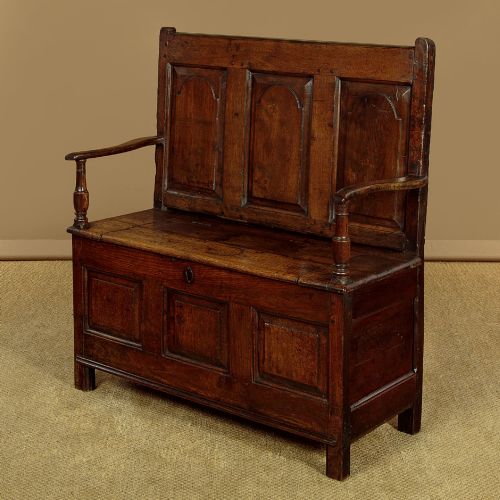
Many of these furnishings serve multiple functions, operating as boot stores, blanket boxes, or window seats alongside their primary role as hall benches. The construction varies from simple planked pine to elaborate high-back seating with panelled compartments.
Materials and Construction
Carpenters built these storage benches primarily using solid timbers like oak, pine, elm, and mahogany, chosen for their durability in heavy-traffic entryways. Joinery techniques typically involve mortise and tenon frames, hand-dovetailed storage boxes, and pegged joints on earlier pieces.
Finishes range from waxed surfaces that highlight the natural grain of light or dark oak to historic painted coats in blue, black, grey, and cream. Iron and brass hardware, including hinges, hooks, and handles, provide functional support and contrast with the wood.
Listings feature wooden hallway storage benches spanning from the 17th century through the Edwardian period, incorporating oak, pine, mahogany, and elm.
Craftsmanship and Integrity
Quality rests in the originality of the timber, the integrity of the structural joinery, and the preservation of original painted or waxed surfaces. Pieces retaining their contemporary brass or iron fittings and untouched interior compartments command greater interest.
Earlier 18th-century and Georgian examples display hand-carved detailing and pegged construction, whereas later 19th-century and Edwardian pieces often utilise factory-turned spindles and applied mouldings. The weight of the timber and the snug fit of the lift-up lids distinguish standard utility items from finer country house commissions.
The Wooden Hallway Storage Bench Glossary
- Settle
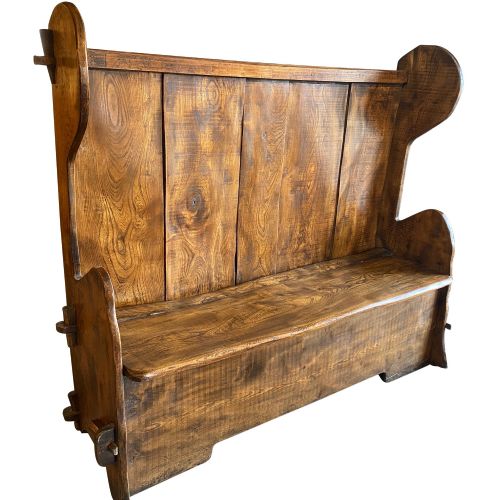
- A wooden bench with a high back, solid arms, and a box seat that lifts to reveal storage. This form kept drafts away from the sitter in older hallways.
- Box Settle
- A seat featuring a built-in compartment beneath the squab or lid for storing boots, blankets, and garments. It served as multi-functional furniture in entrance passages.
- Monks Bench
- A convertible piece of furniture with a hinged back that folds down to form a table surface over a chest base. These items appeared in various revival styles around the turn of the twentieth century.
- Hall Seat
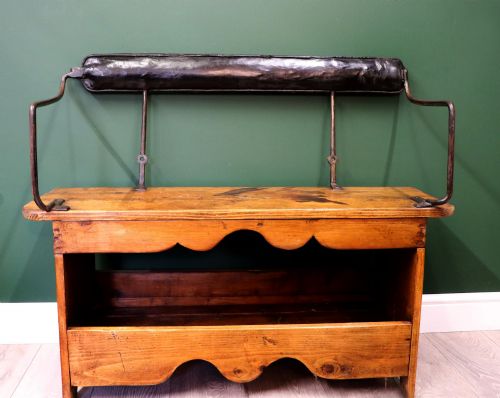
- A compact bench or chair placed in an entrance hall, sometimes incorporating umbrella stands, mirrors, or coat pegs. They provided a designated spot for putting on footwear.
Wooden Hallway Storage Bench: Frequently Asked Questions
How do I fit a wooden hallway storage bench in a small space?
Measure the width of your entryway and the clearance required to open the lift-up seat or doors. Compact Edwardian hall seats or shorter pine benches often suit narrow corridors better than high-backed oak settles.
Consider whether the piece includes protruding armrests or back panels that might block doorways or wall hooks. Slim-profile benches with integrated coat rails maximise utility without consuming excessive floor area.
What is the difference between an oak settle and a pine hall bench?
Oak settles typically date from earlier periods, such as the 18th or 19th centuries, featuring dense hardwood construction, pegged joinery, and often carved panels. They offer a heavy, formal presence suited to traditional interiors.
Pine hall benches, including Hungarian painted examples, usually date from the Victorian era onwards and provide a lighter appearance. Their painted or waxed finishes fit country house and rustic aesthetics.
How do I care for the wood and finish?
Apply traditional beeswax periodically to waxed oak or pine surfaces to nourish the timber and maintain a soft sheen. Avoid placing wooden benches near direct heat sources, such as radiators, which can cause the wood to split.
Dust carved details and painted finishes gently with a dry or slightly damp cloth. Protect the interior storage space from damp items like wet boots to preserve the internal wood.
How can I tell the age of a storage bench?
Examine the construction methods, tool marks, and fixings used in the assembly of the frame and storage box. Hand-sawn boards, pegged joints, and forged iron hinges generally indicate earlier 18th or early 19th-century manufacture.
Machine-sawn timber, standardised screws, and applied decorative mouldings point towards late Victorian or Edwardian production. Patina, wear patterns around the seat edges, and the type of finish also offer clues to age.