

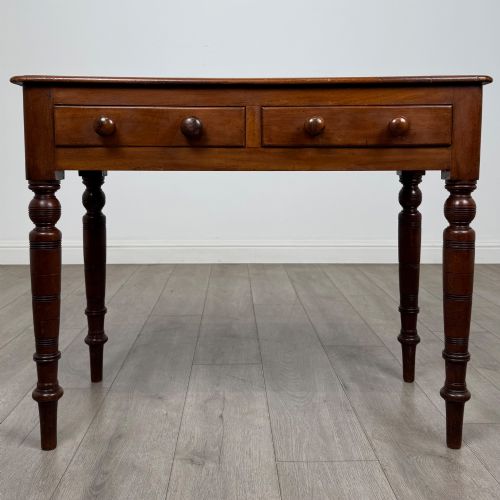
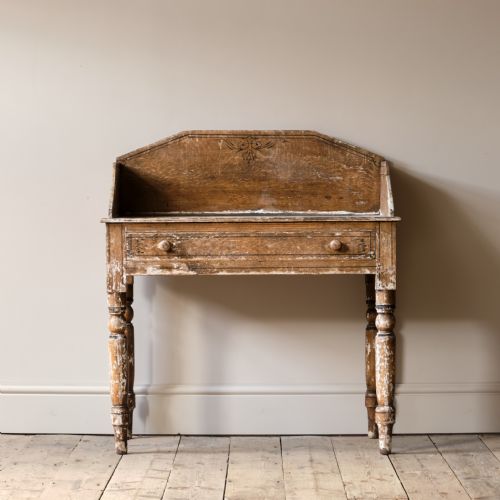
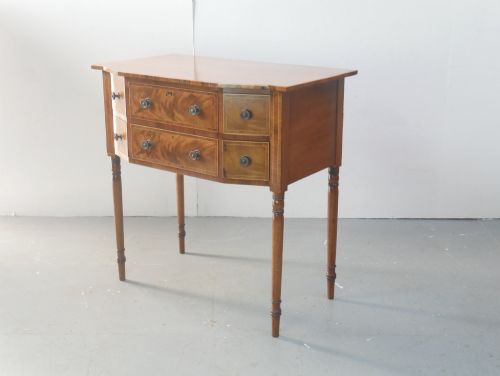
Wooden Hall Console Table
These wooden hall console table designs span centuries of practical craftsmanship, offering solid timbers and useful surfaces for narrow entrance spaces.
Wooden Hall Console Table
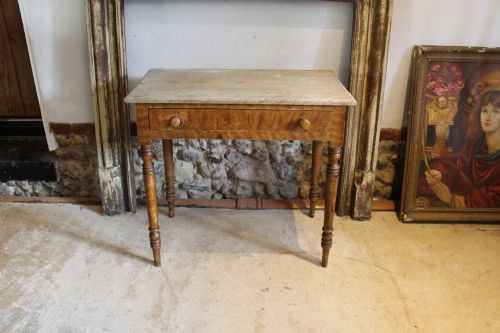
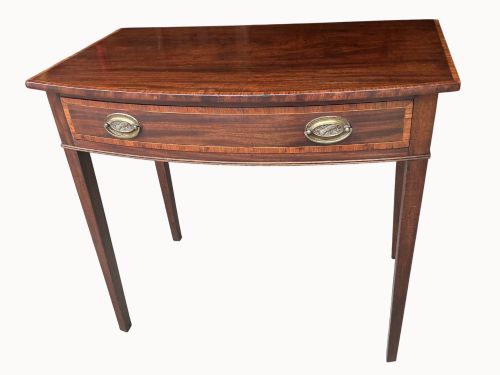
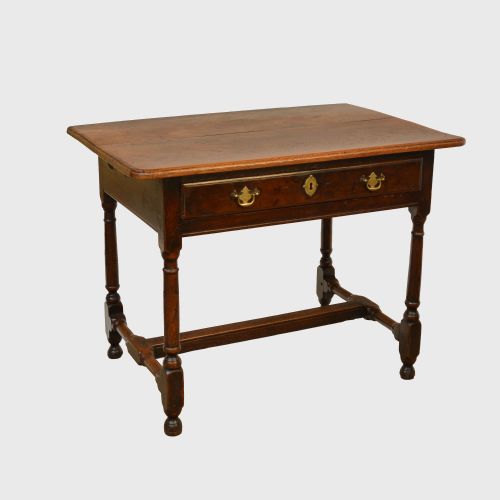
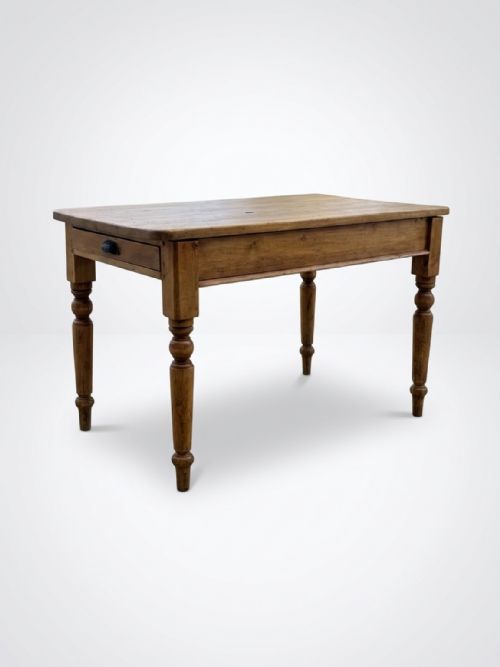
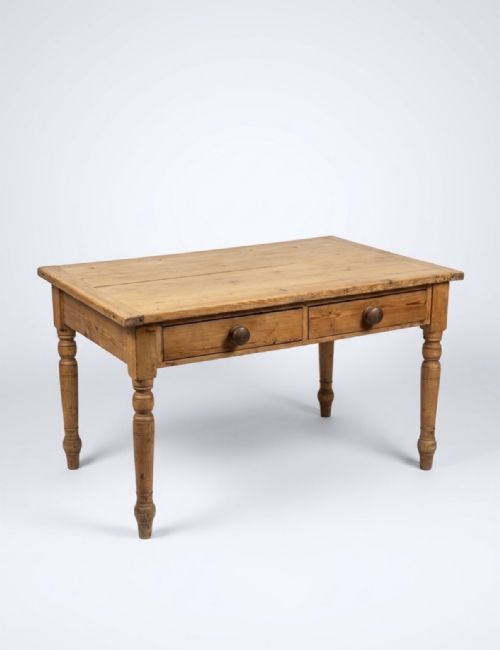
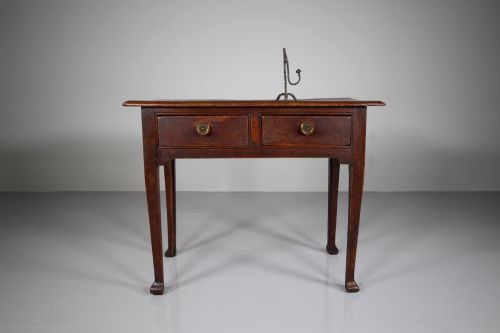
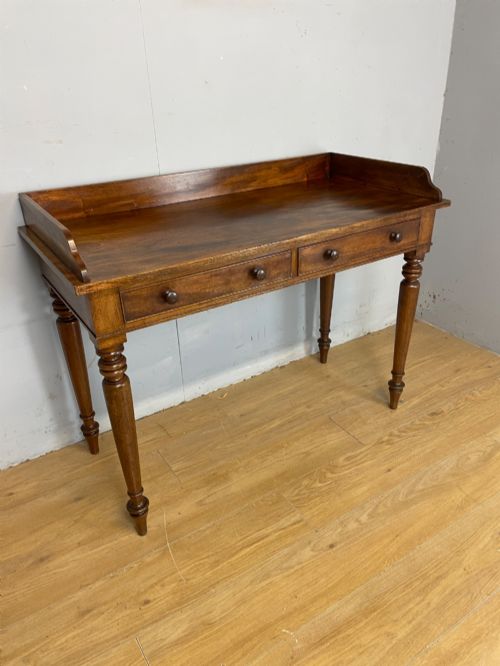
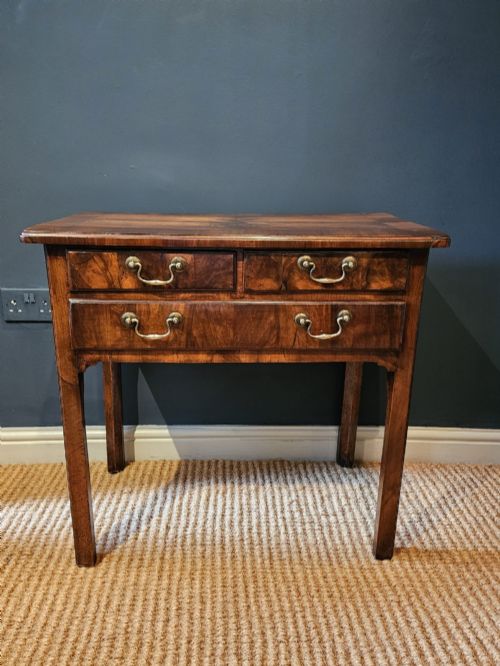
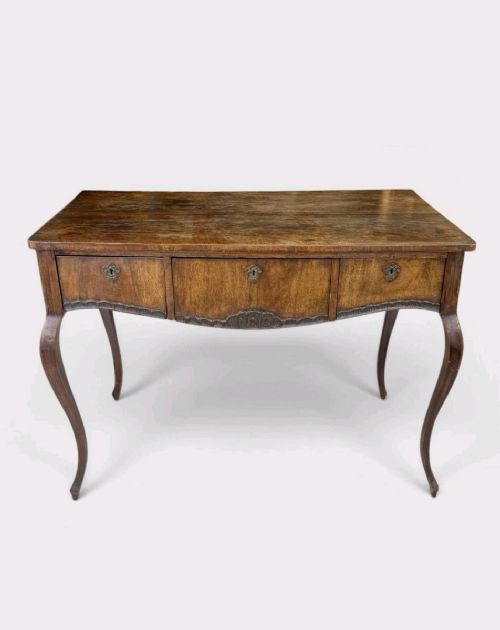
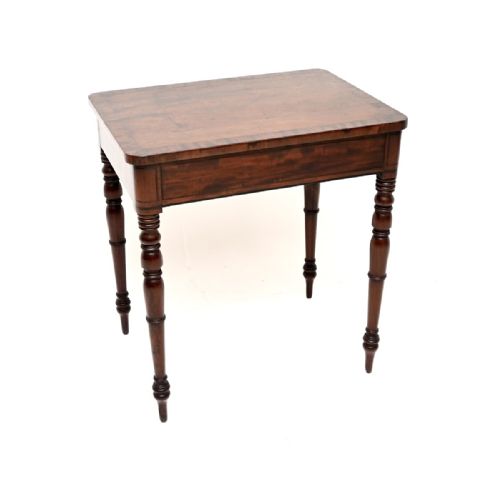
A wooden hall console table typically manifests in domestic interiors as a side table, lowboy, or serving piece designed to sit flush against an entryway wall. The selections available encompass Georgian oak lowboys, Victorian mahogany drawers, and Edwardian painted examples tailored for narrow thoroughfares.
Buyers encounter forms ranging from 18th-century elm and fruitwood country furniture to polished Regency and flame mahogany specimens intended for formal reception rooms. These furnishings served historical households as surfaces for post, lighting, and decorative objects upon entering the dwelling.
The typology frequently overlaps with side tables, washstands, and servers, reflecting how past households repurposed utilitarian ledges for hallway duties. Oak, pine, walnut, and mahogany dominate the offerings, built to endure the heavy foot traffic of traditional domestic corridors.
How they were made
Cabinetmakers utilised durable hardwoods such as mahogany, oak, walnut, and elm, often combining them with secondary softwoods like pine for drawer linings and internal framing. Timber selection depended on regional availability and the intended social status of the furniture piece.
Construction techniques relied on traditional joinery, including dovetail joints for drawer construction and pegged mortise and tenon frames for structural stability. Surface finishes varied from clear beeswax and French polish to decorative scumble paint and marquetry inlays.
Listings span multiple centuries, uniting 18th-century Georgian oak lowboys with Victorian mahogany pieces and Edwardian painted hallway servers.
What varies in quality
Quality rests upon the selection of timber figures, such as flame mahogany or burr walnut veneers, matched against the integrity of the underlying structural carcase. Superior examples exhibit precise dovetailing, intact original brass hardware, and minimal timber shrinkage over centuries of use.
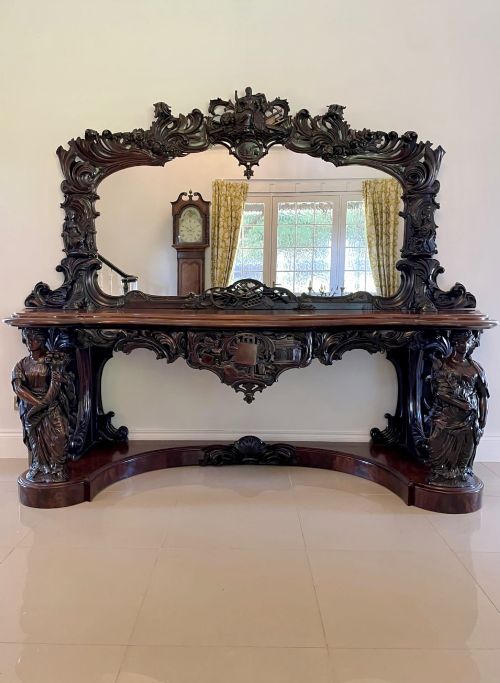
The finesse of hand-carved details, whether geometric mouldings on a Georgian lowboy or elaborate mirror backs on Victorian console tables, distinguishes standard utility furniture from exhibition-grade commissions. Proportion and balance also determine value, as pieces tailored for narrow hallways maintain slender depths without sacrificing stability.
The Wooden Hall Console Table Glossary
- Lowboy
- A small oak or walnut table featuring one or more tiers of drawers, standing on relatively tall legs. This form originated in the late 17th century and served variously for dressing or serving.
- Scumble
- A decorative painting technique involving a translucent top layer dragged over a base coat to simulate grained timber. Victorian makers frequently applied this method to cheaper softwoods.
- Marquetry
- The art of applying veneer pieces in decorative patterns to a structural surface. Craftsmen utilised contrasting woods to create floral or geometric motifs.
- Lowboy
- A small oak or walnut table featuring one or more tiers of drawers, standing on relatively tall legs. This form originated in the late 17th century and served variously for dressing or serving.
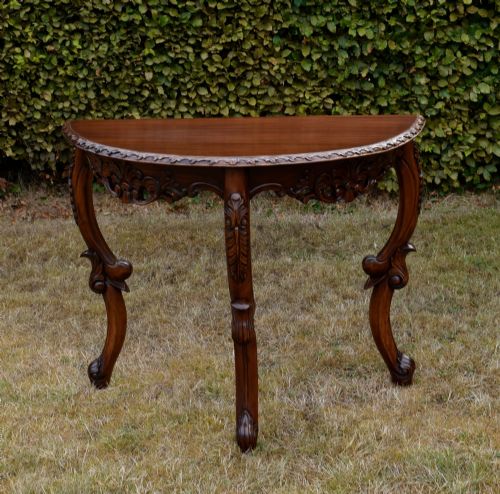
- Demilune
- A half-moon shape characteristic of console tables designed to sit flat against a wall. This profile saved valuable floor space in compact entrance halls.
Wooden Hall Console Table: Frequently Asked Questions
What is a wooden hall console table used for?
These tables provide a narrow surface for placement in entrance halls and corridors, historically holding lighting, calling cards, and household items.
Modern homes utilise them in identical fashion to anchor narrow spaces while offering practical display areas beneath mirrors or artwork.
How do I identify a Georgian console table?
Georgian pieces typically feature solid oak or mahogany construction, clean linear proportions, and traditional craftsmanship such as hand-cut dovetails.
Details like brass drop handles and straightforward drawer configurations help separate these 18th-century examples from later Victorian revivals.
Are these tables suitable for narrow hallways?
Many examples, particularly side tables, lowboys, and demilune shapes, feature shallow depths specifically engineered for compact spaces.
Measuring the available floor clearance against the table depth ensures proper passage through the entryway.
What woods were used in antique console tables?
Cabinetmakers relied on native and imported timbers, including mahogany, oak, walnut, elm, pine, and satin birch, depending on the period.
Regional country pieces often utilised elm and fruitwood, whereas formal urban furniture favoured polished mahogany and walnut.