
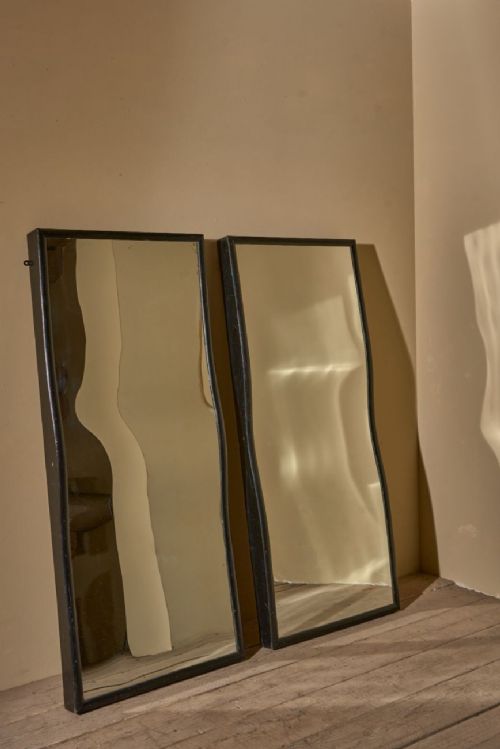
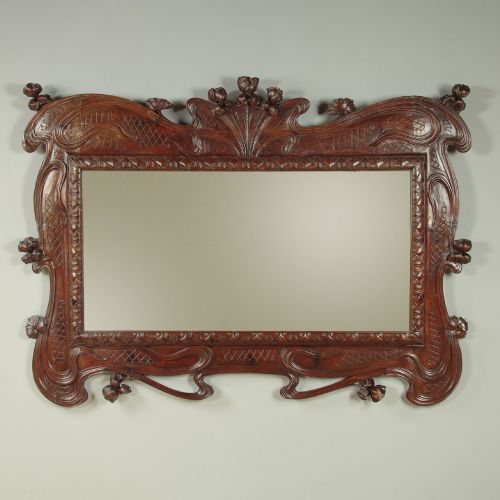
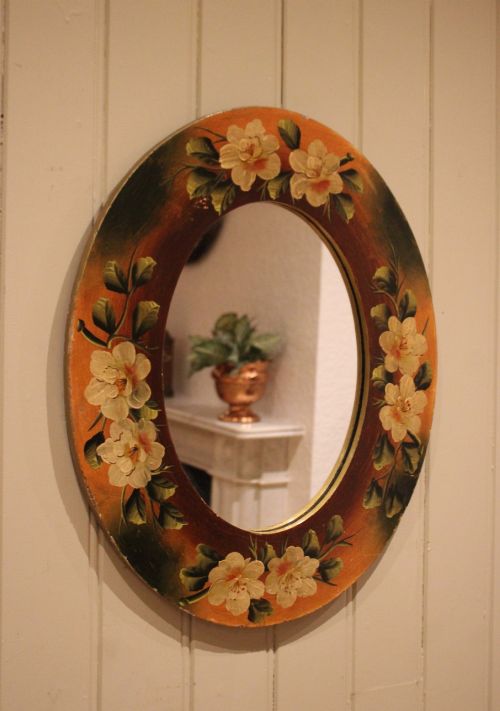
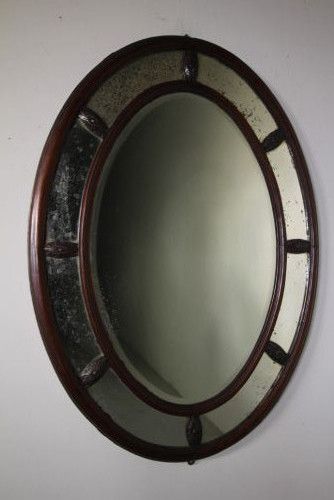


Wooden Framed Wall Mirror
A wooden framed wall mirror brings depth and light to a room, ranging from simple oak panels to ornate giltwood.
Wooden Framed Wall Mirror
A wooden framed wall mirror serves both a practical and decorative function in domestic interiors. When searching for this phrase, buyers encounter various forms including overmantel mirrors, pier mirrors, and smaller wall-hanging pieces.
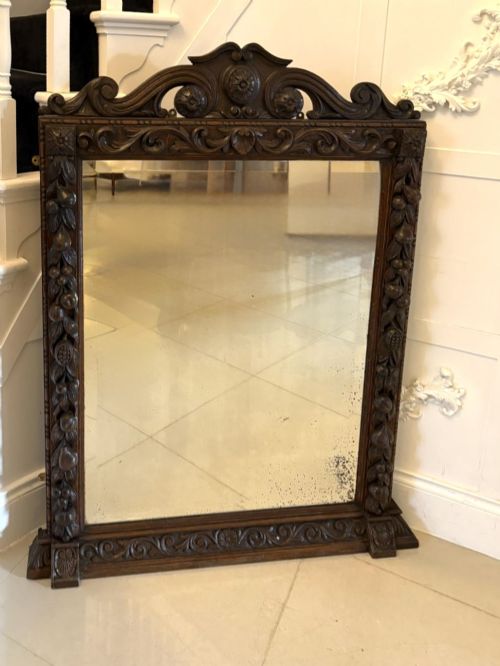
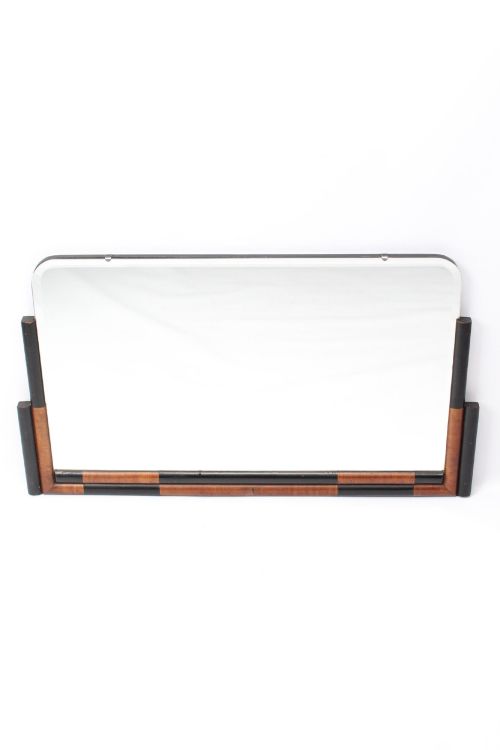
The pieces on this page span the 18th, 19th, and early 20th centuries, covering Victorian, Edwardian, Art Deco, and French Country styles. Oak and mahogany frames appear frequently alongside walnut and giltwood variants.
Originating from English, French, Italian, and Anglo-Indian workshops, these mirrors range from simple domestic items to large architectural overmantels designed for grand reception rooms.
How they were made
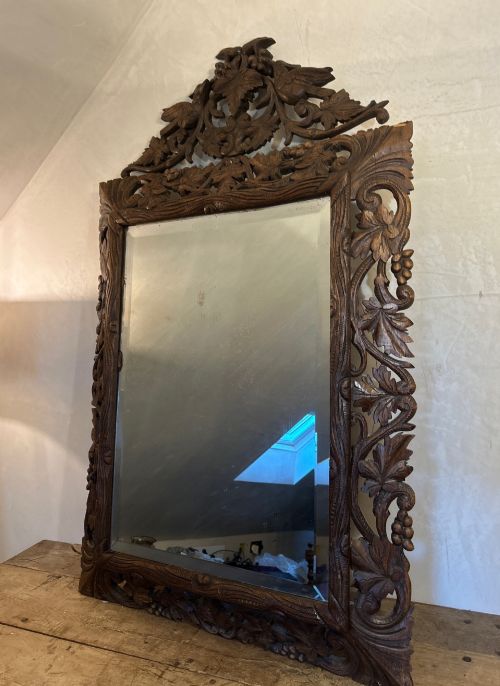
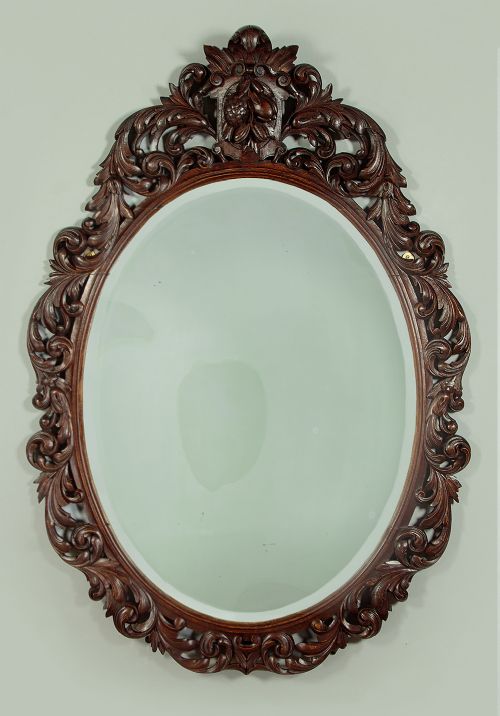
Cabinetmakers utilised dense timbers such as oak, mahogany, walnut, and rosewood for the structural frames, often joining them with traditional corner joints. Carved ornamentation, gesso application, and gold leaf gilding were then added to enrich the surface appearance.
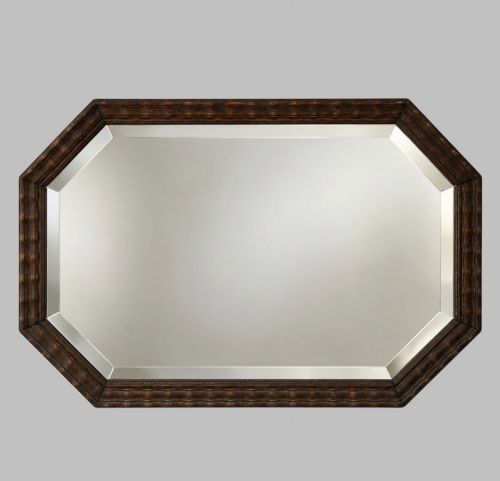
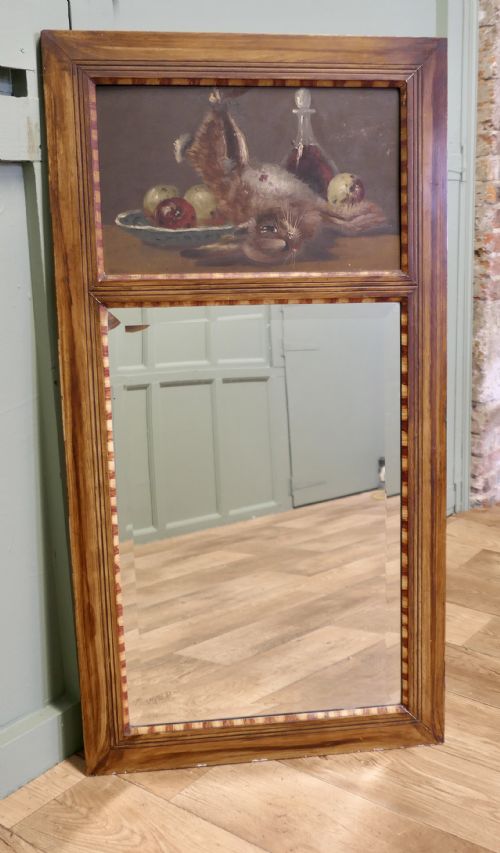
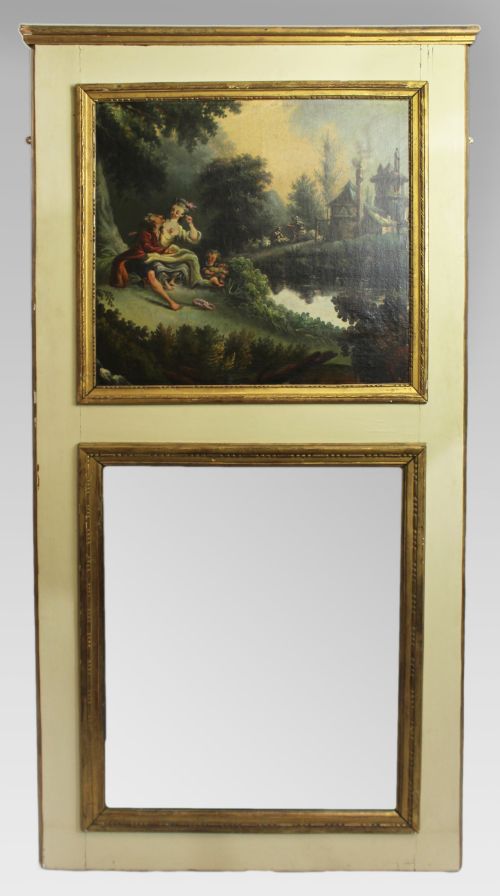
Glass plates were silvered and sometimes bevelled by hand, set into the timber rebate and held with backing boards. Certain French and English examples incorporate painted panels or oil paintings directly into the wooden framework.
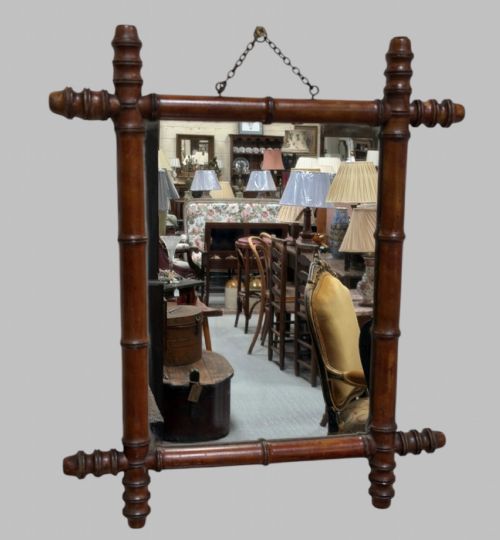
Regional variations introduced specialised techniques like faux bamboo turning, ebonising, or intricate inlay work using contrasting wood veneers.
Some oak frames survived centuries of hunting lodge gatherings to reflect today's modern hallways.
What varies in quality
The depth and crispness of the hand-carving distinguish standard production pieces from finer examples. Deeply undercut foliage, figural motifs, and well-executed gesso detailing show superior workshop execution.
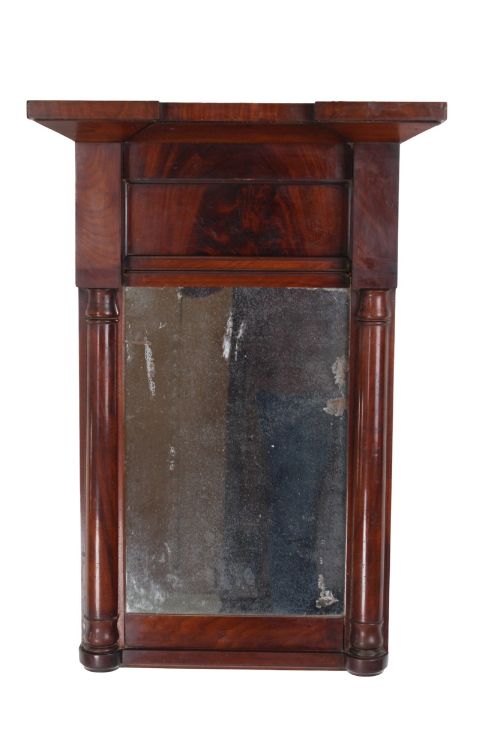
The quality of the timber selection dictates the overall presence of the frame. Well-figured mahogany, quarter-sawn oak, and rich walnut retain their structural integrity and visual warmth far better than softer substitute woods.
Original mirror plates with bevelled edges and subtle foxing demonstrate authenticity, whereas later replacements change the historic character of the object.
Waring and Gillow
The Wooden Framed Wall Mirror Glossary
- Overmantel mirror
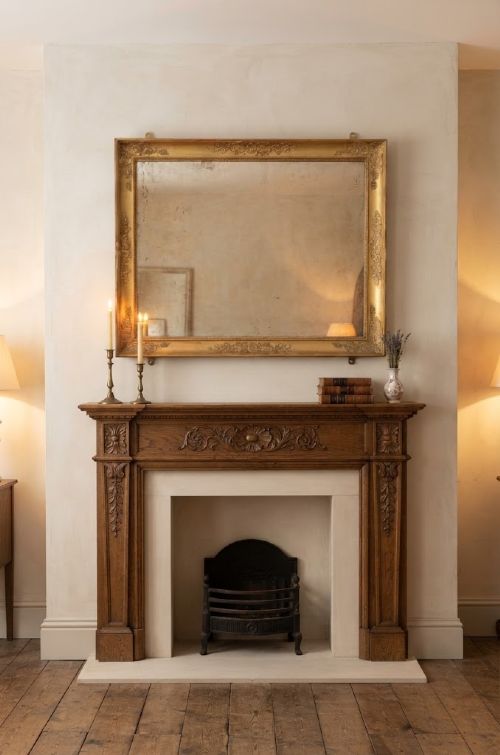
- A large mirror designed to hang specifically above a fireplace mantelpiece. They often match the architectural proportions of the chimney breast.
- Pier mirror
- A tall, narrow mirror made to hang on the wall space between two windows, known as the pier. These frequently incorporate console tables or extend downwards.
- Trumeau mirror
- A decorative wall mirror that incorporates a painted panel or oil painting within the upper section of the wooden frame. This style originated in France.
- Gesso
- A plaster-like mixture applied to wood frames to provide a smooth base for gilding or painting. It allows for crisp moulded relief decoration.
- Bevelled glass
- A mirror plate with edges cut and polished at an angle to create a framed border effect. This technique catches light at various angles.
Wooden Framed Wall Mirror: Frequently Asked Questions
What is a wooden framed wall mirror?
A wooden framed wall mirror is a reflective glass plate enclosed within a timber border, designed to hang on interior walls.
These pieces utilise frames carved from oak, mahogany, walnut, or finished in giltwood and gesso across various historical periods.
How were overmantel mirrors used?
Overmantel mirrors were positioned directly above fireplace mantels to reflect candlelight and daylight around nineteenth-century rooms.
Their wide proportions filled the architectural wall space beneath the cornice and above the hearth.
How do I identify Victorian mirrors?
Victorian mirrors often feature heavy carved oak or walnut frames, deep mouldings, and sometimes giltwood ornamentation.
Many examples display revival styles like Chippendale or incorporate structural overmantel formats typical of the period.
What is a trumeau mirror?
A trumeau mirror is a tall wall mirror featuring an integrated decorative panel or pastoral oil painting above the glass plate.
Originating largely from French workshops, these pieces served as prominent architectural decorations in country houses.