

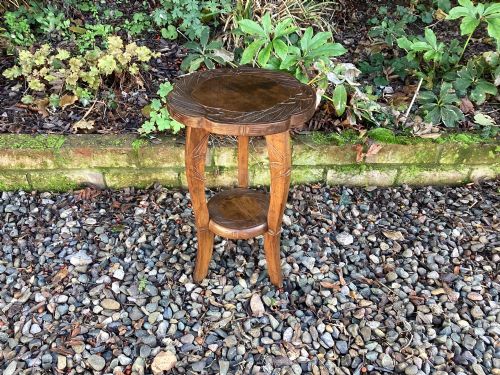
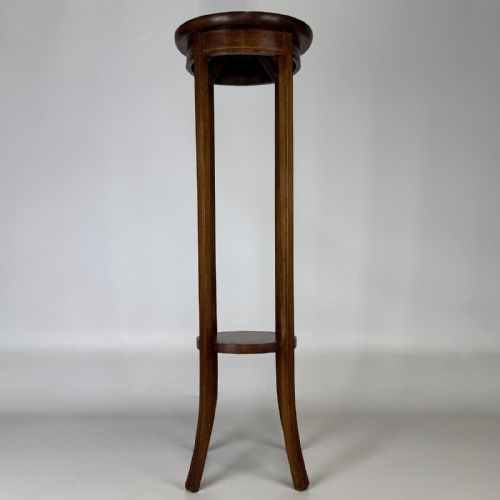


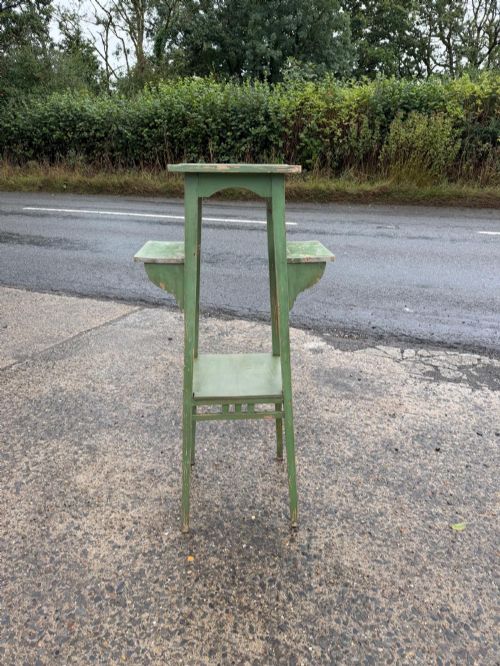




Wooden Flower Table
These wooden flower table pieces provide an elevated stage for indoor plants and urns, bringing organic form and practical surface area into sitting rooms.
Wooden Flower Table
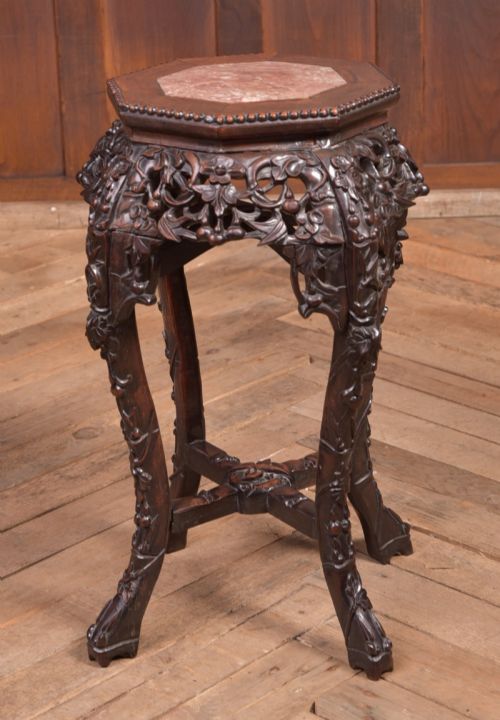
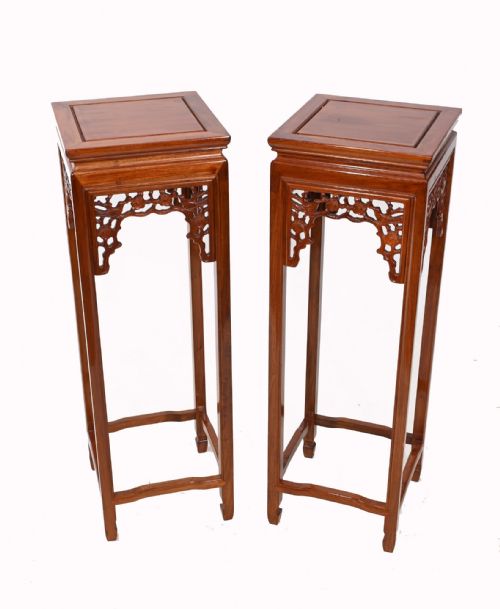
When you search for a wooden flower table, you encounter plant stands, jardiniere stands, and small occasional tables designed to hold botanical displays. The selection ranges from compact English oak and mahogany designs to intricately carved Chinese hardwood pedestals.
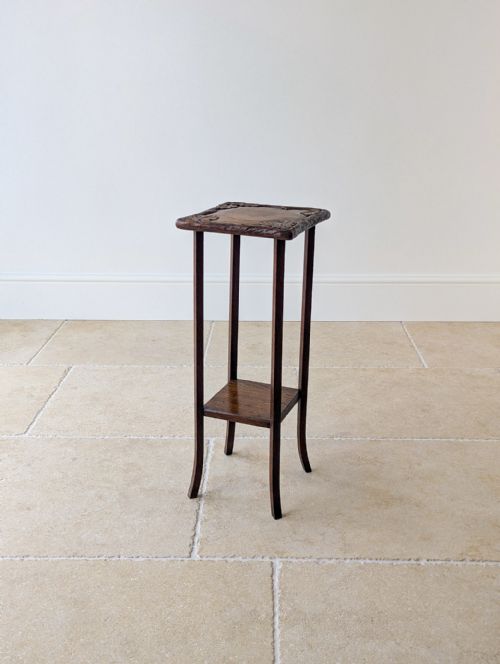
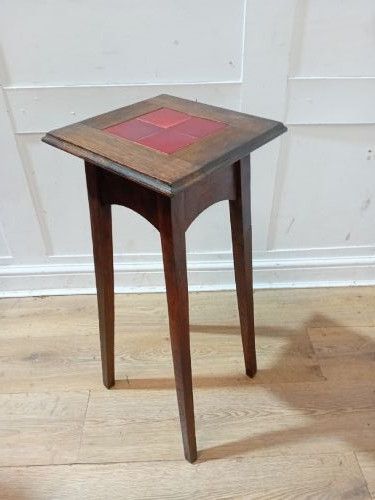
Many examples incorporate raised tiers, lower shelves, or inset marble panels to protect the timber from moisture and soil. Forms extend from low square tables to tall pedestals with barley twist legs or elaborate scrolling brackets.
Origins span British workshops from the Victorian and Edwardian eras alongside imported Chinese export pieces from the Qing Dynasty. This mix allows buyers to choose between plain domestic utility and deeply carved Oriental craftsmanship.
Materials and construction methods
Makers utilised dense timbers such as oak, mahogany, rosewood, elm, and satinwood to support the weight of heavy pots and damp soil. Hardwoods were frequently turned, carved, or assembled with traditional joinery to ensure stability under heavy loads.
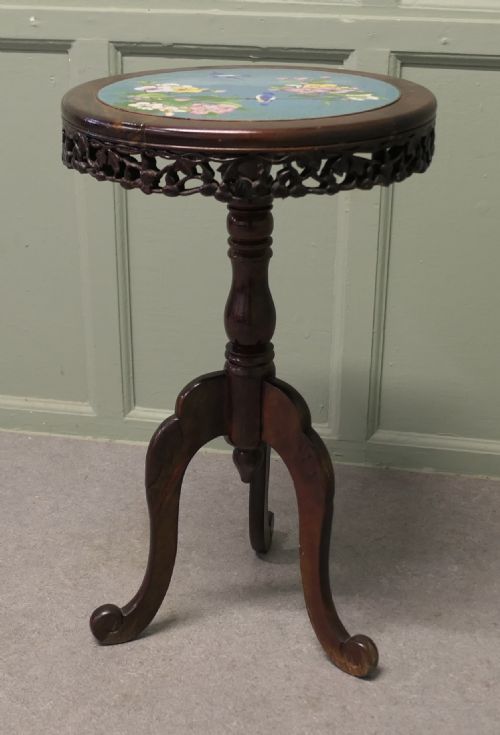
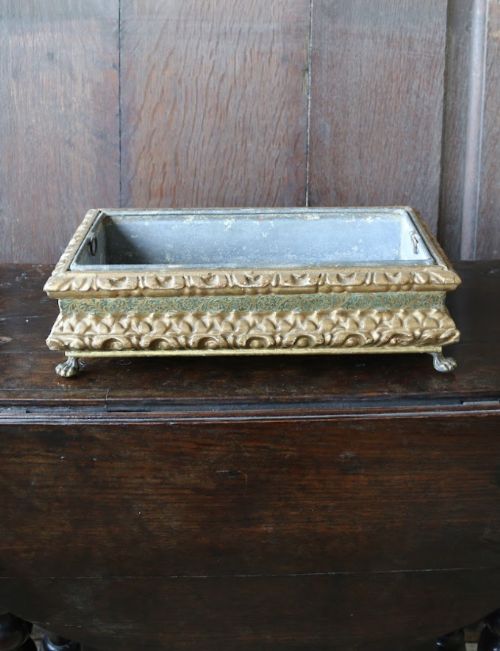
Decorative surfaces frequently combine natural timber grains with marble inserts, brass fittings, or applied paint finishes. Certain pieces incorporate specialised liners in zinc or ceramics to contain water within the jardiniere body.
Wooden Flower Table Retail Price Guide 2026
Typical asking prices for wooden flower table among the pieces listed under this phrase on Sellingantiques today, from the lower quarter to the upper quarter. They describe what is for sale here now, not the wider market.
Several stands double as quiet witnesses to forgotten ferns, having spent generations holding up heavy Victorian parlor palms.
Assessing quality and craftsmanship
Depth and crispness of hand carving distinguish superior examples from plain utility furniture, particularly in Chinese hardwood and Arts and Crafts productions. The precision of joinery in legs, tiers, and joints determines the long-term stability of taller stands.
The integration of materials such as inset marble tops or contrasting brass details separates standard production pieces from more ambitious workshop commissions. Original surfaces, whether polished timber or early paint, carry more presence than later refinishing work.
Liberty & Co
The Wooden Flower Table Glossary
- Jardiniere
- An ornamental pot or stand designed to hold a plant or flower arrangement. These vessels often feature fitted linings to protect the surrounding furniture.
- Pedestal stand
- A tall, narrow piece of furniture built to elevate a single object, such as a vase, urn, or plant. They provide vertical emphasis in interior spaces.
- Hongmu
- A traditional Chinese term for dense, dark hardwoods used in fine furniture manufacture. The material takes a high polish and supports intricate carving.
- Barley twist
- A type of furniture leg turned in a helical spiral resembling a twist of barley. This decorative woodworking technique appears frequently on British oak stands.
- Chinoiserie
- European artistic style reflecting Chinese motifs and decorative techniques. It involves lacquerwork, painted scenes, and ornate floral ornamentation.
Wooden Flower Table: Frequently Asked Questions
What is a wooden flower table used for?
These tables provide a stable platform for displaying potted plants, flowers, and decorative urns within domestic interiors. Their raised surfaces keep greenery elevated off the floor and allow trailing foliage to cascade cleanly.
Beyond botanical uses, smaller versions frequently function as bedside tables, lamp tables, or occasional surfaces for holding small decorative objects.
How do I care for a wooden plant stand?
Protect the timber surface by placing saucer bases or waterproof mats underneath potted plants to prevent moisture damage and ring marks. Regular dusting with a dry cloth helps maintain the polished finish of the hardwood.
Keep wooden stands away from direct heat sources and bright sunlight to prevent the timber from drying out, warping, or cracking over time.
How can I date an antique plant stand?
Examine the timber species, construction methods, and overall stylistic markers to determine the period of origin. Victorian and Edwardian British pieces often display simpler turned legs or Arts and Crafts carving, while nineteenth-century Chinese imports utilise dense hongmu and marble inserts.
Tool marks, screw types, and the presence of original painted finishes or patination offer further clues regarding the manufacturing date.
Are marble top stands waterproof?
The inset marble slab provides a durable, water-resistant surface designed to withstand occasional spills from watering plants. This stone insert protects the surrounding wooden frame from direct moisture contact.
However, moisture can still seep into the wooden surrounding joints if standing water is left unspotted for long periods, so prompt wiping remains essential.