





Wooden Fireplace Scuttle
A wooden fireplace scuttle brings practical warmth into a room through solid timber and metal mounts.
Wooden Fireplace Scuttle
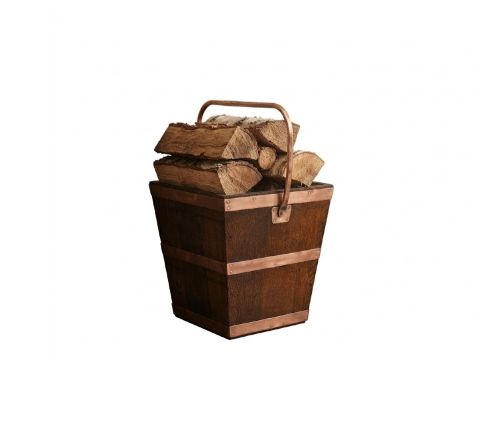
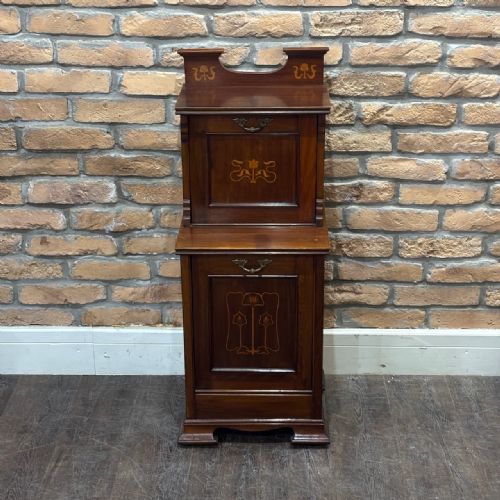
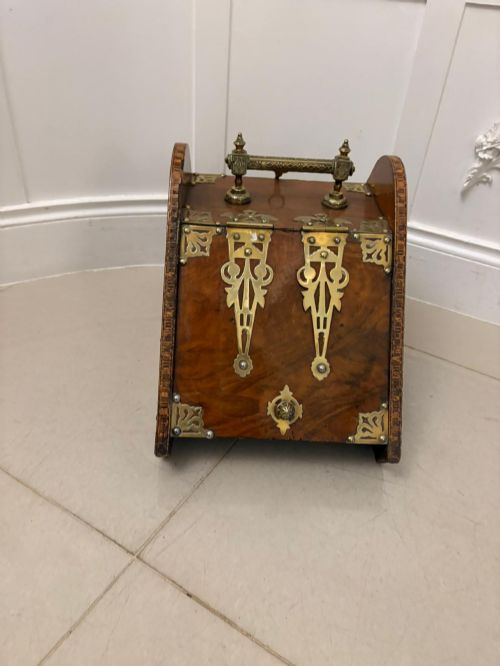
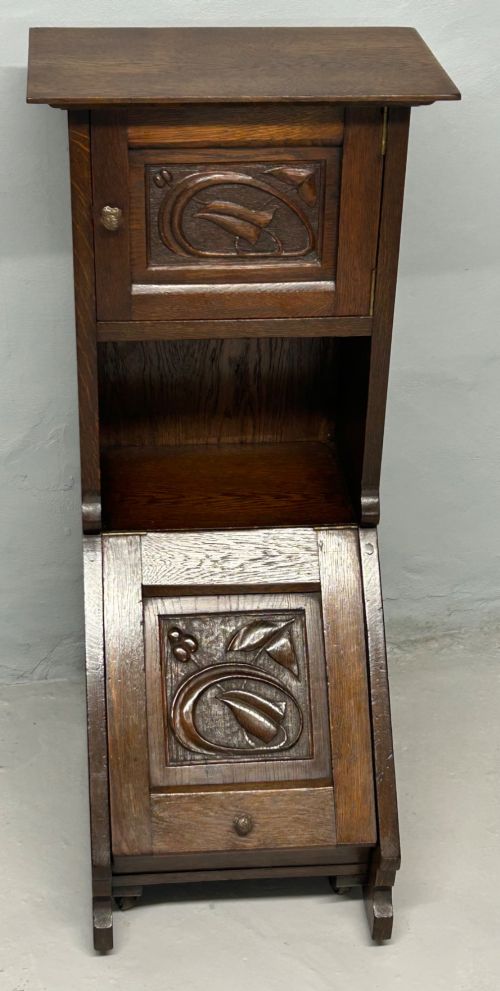
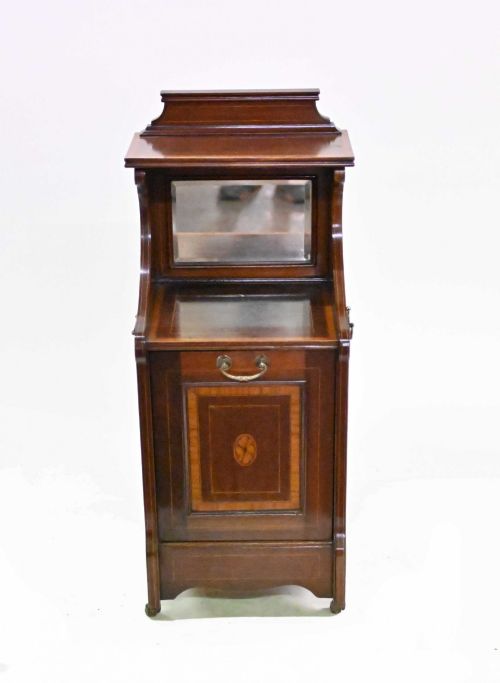
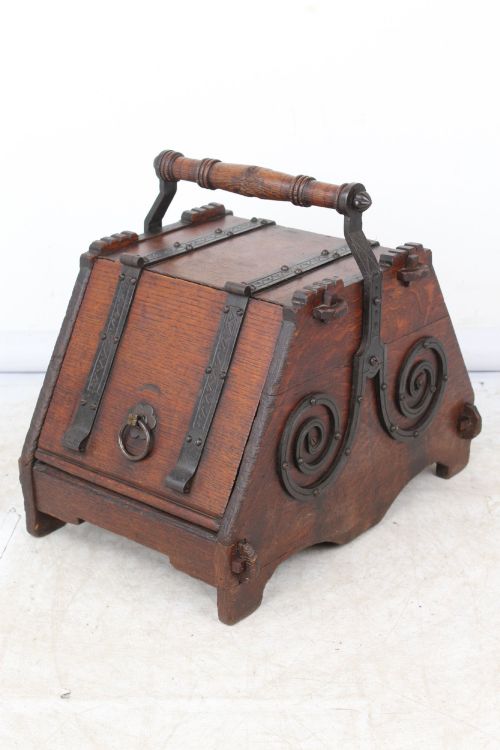
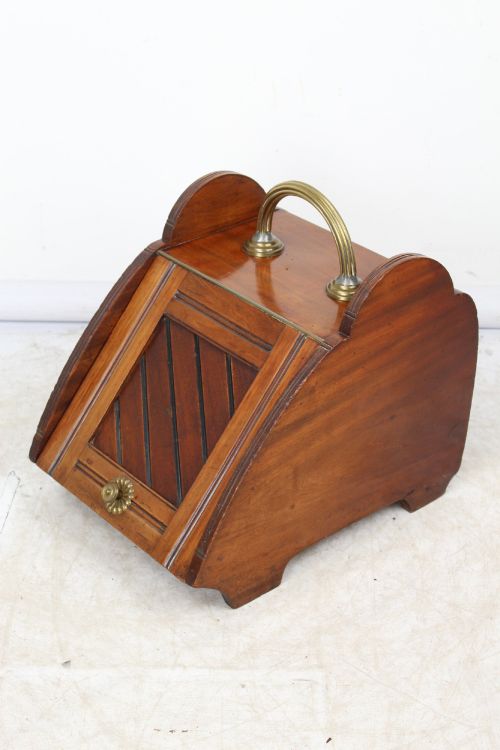
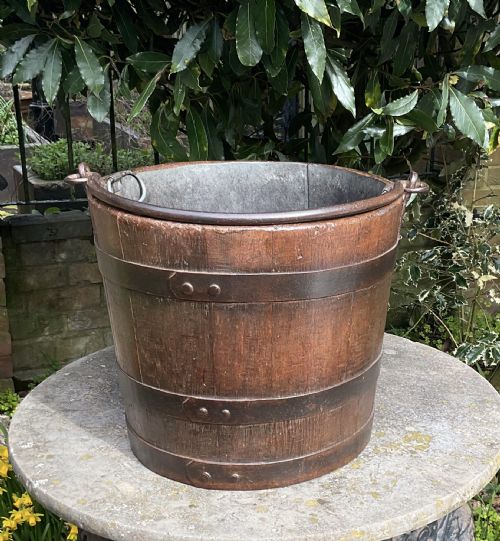
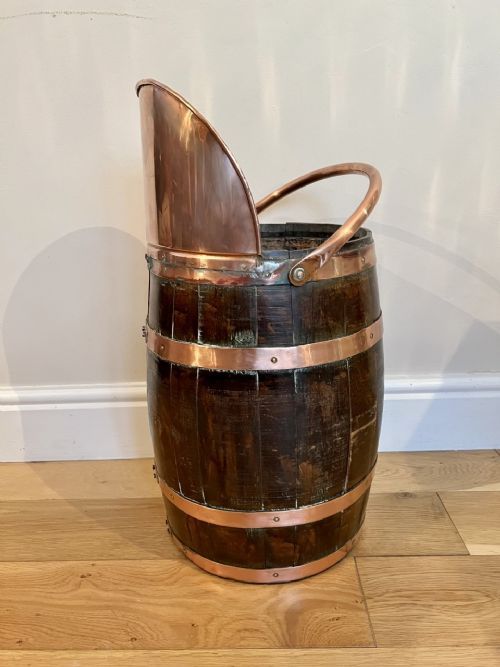
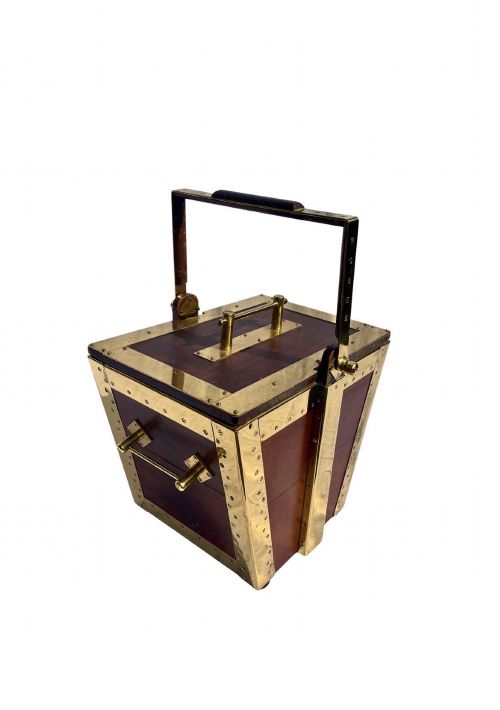
A wooden fireplace scuttle is a functional fireside container designed to hold coal, logs, or peat near the hearth. When exploring this selection, buyers encounter various forms including traditional coal boxes, purdoniums, and coopered buckets originating from the Georgian, Victorian, and Edwardian eras.
Makers utilised resilient hardwoods and fitted them with internal metal liners to handle the heavy, dirty fuel safely. The forms range from simple lidded bins to elaborate cabinets that drop forward on hinges to dispense coal cleanly onto the fire.
Assessing craftsmanship and condition
Quality rests in the selection of figured timber veneers, the precision of the joinery or cooperage, and the weight of the brass mounts. Finer examples display crisp carving, inlaid marquetry, and integrated internal shovel compartments rather than plain box construction.
The survival of original metal liners and matching shovels distinguishes standard utilitarian fuel boxes from superior domestic pieces. Robust hinges, smooth drop-front mechanisms, and untouched patination on the timber indicate higher manufacturing standards.
Wooden Fireplace Scuttle Retail Price Guide 2026
Typical asking prices for wooden fireplace scuttle among the pieces listed under this phrase on Sellingantiques today, from the lower quarter to the upper quarter. They describe what is for sale here now, not the wider market.
Some Victorian coal boxes were designed with metamorphic ingenuity, disguising fuel storage as elegant music cabinets or parlor seats.
Christopher Dresser
The Wooden Fireplace Scuttle Glossary
- Purdonium
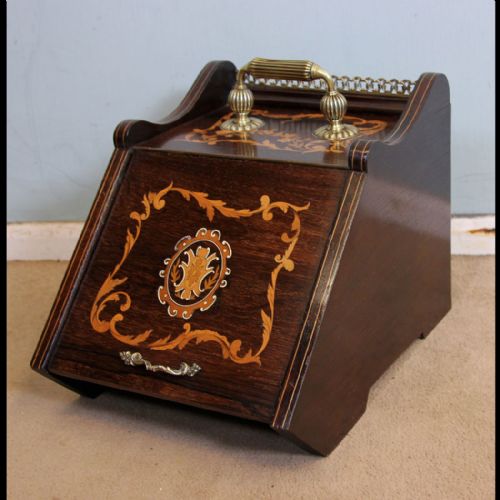
- A specialised type of coal box featuring a sloping front that drops forward on hinges to reveal an interior scuttle or liner. These were popular in Victorian and Edwardian drawing rooms.
- Coopered
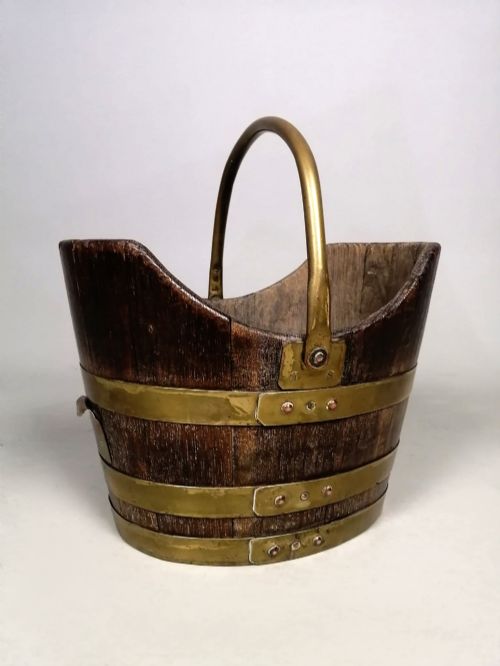
- A method of construction where tapered wooden staves are joined side by side and secured with metal bands, similar to barrel making. This technique appears frequently on peat buckets and log bins.
- Marquetry
- The art of applying decorative pieces of veneer to a structure to form intricate patterns or pictures. Rosewood and mahogany boxes often utilise this technique on the lid.
- Ormolu
- Gilded bronze mounts applied to furniture and decorative objects for ornamentation. They provide contrast against dark woods like mahogany and walnut.
- Spindle
- A turned wooden rod used as a decorative structural element. They appear on the open galleries or handles of certain nineteenth-century peat buckets.
Wooden Fireplace Scuttle: Frequently Asked Questions
What is a purdonium?
A purdonium is a specific type of coal box with a hinged front that tilts downward to dispense fuel. This design kept coal contained while presenting a tidy wooden cabinet to the room.
They often include an interior metal tray or scuttle that lifts out for easy refilling at the coal bunker outside.
How do you use a coopered bucket?
Coopered buckets were built with curved wooden staves held together by metal bands to store loose fuel by the hearth. They function well today for holding logs or kindling beside an active fireplace.
The sturdy stave construction handles the weight of heavy wood without splitting the timber seams.
Are original metal liners common?
Many surviving pieces retain their original removable metal liners or coal scoops. These zinc or tin liners protected the surrounding wood from dirt and moisture.
Finding a piece with its original liner and matching shovel adds both authenticity and practical utility.
How do I date a wooden coal box?
Dating relies on observing the prevailing wood choices, hardware styles, and decorative motifs across different periods. Georgian examples tend to feature coopered mahogany or oak, while Victorian pieces often incorporate brass mounts and walnut.
Edwardian versions frequently showcase inlaid rosewood and specialised drop-front purdonium mechanisms.