

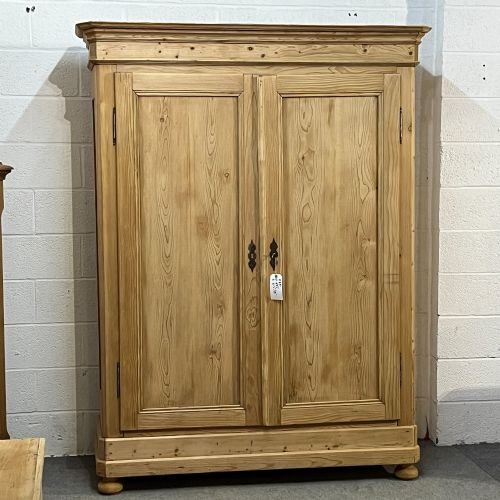
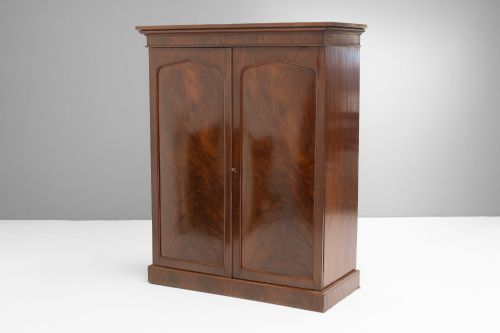
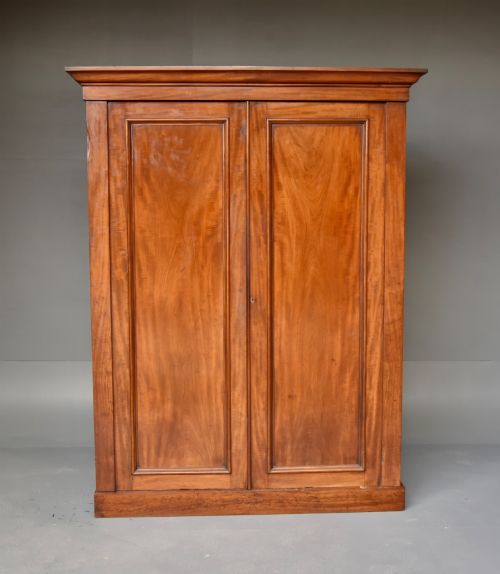
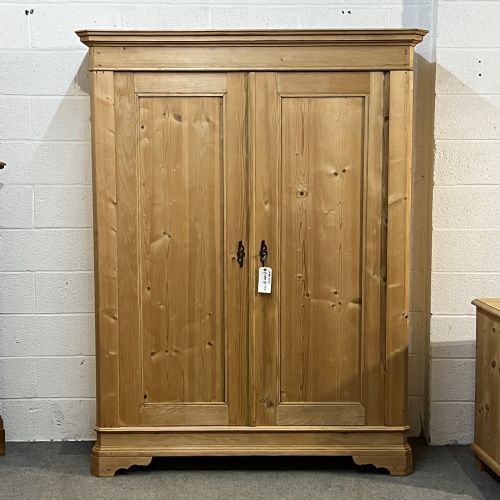
Wooden Double Wardrobe
A wooden double wardrobe is a substantial piece of bedroom furniture designed to hold garments, shaped by centuries of changing domestic storage needs.
Wooden Double Wardrobe
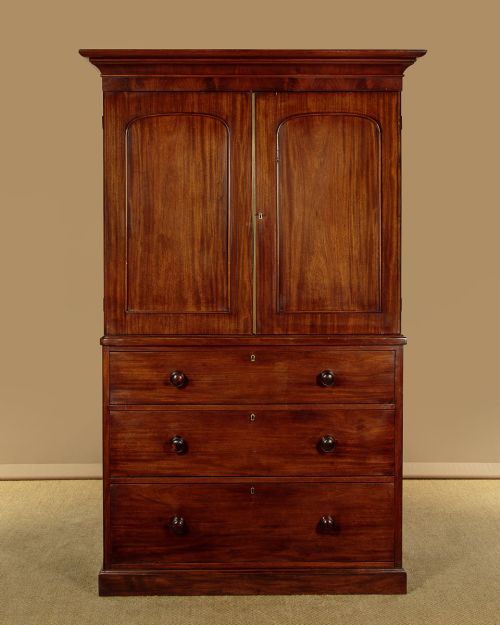
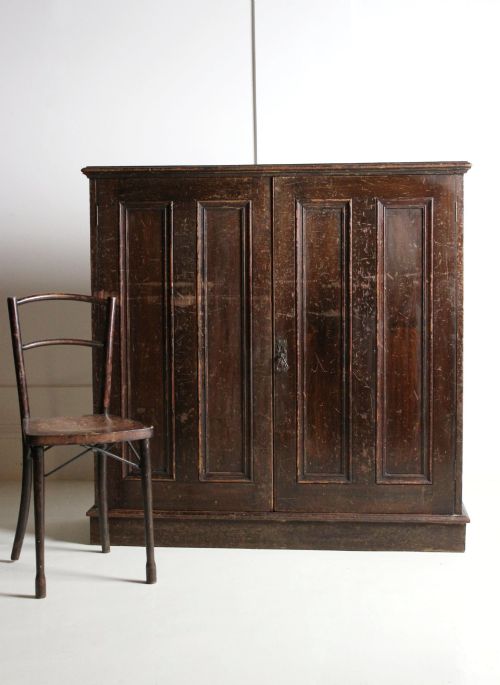
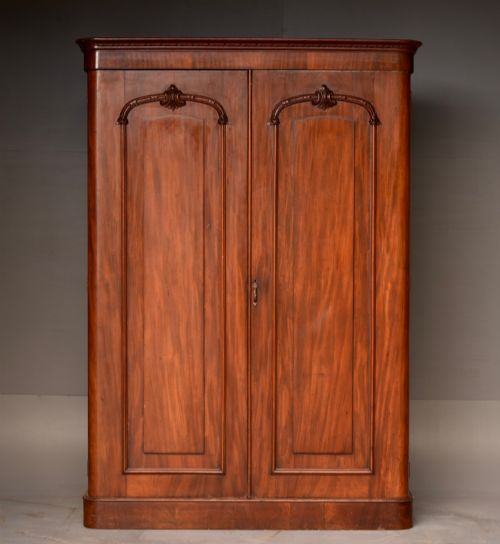
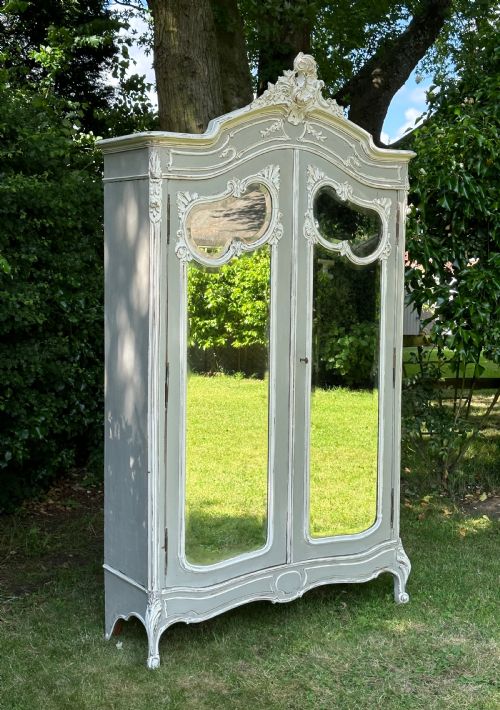
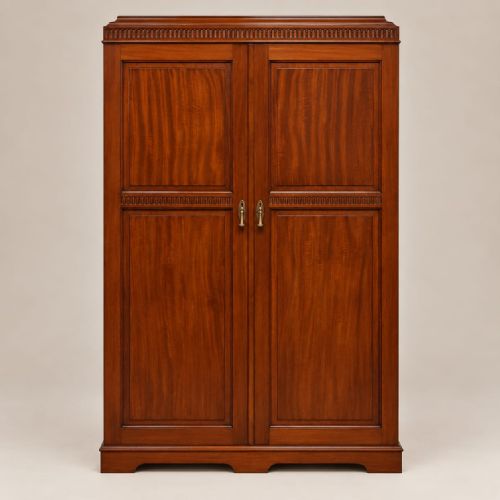
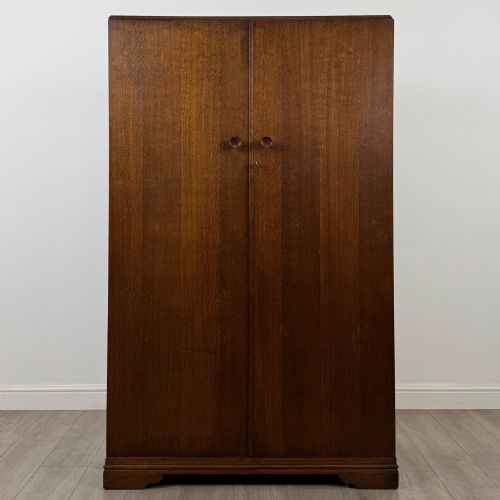
A wooden double wardrobe provides enclosed hanging and shelf space, appearing in forms such as compactums, armoires, linen presses, and traditional two-door cupboards. These pieces span from the eighteenth century through the Georgian, Victorian, and Edwardian eras into the twentieth century, reflecting domestic life across British, French, and other European traditions.
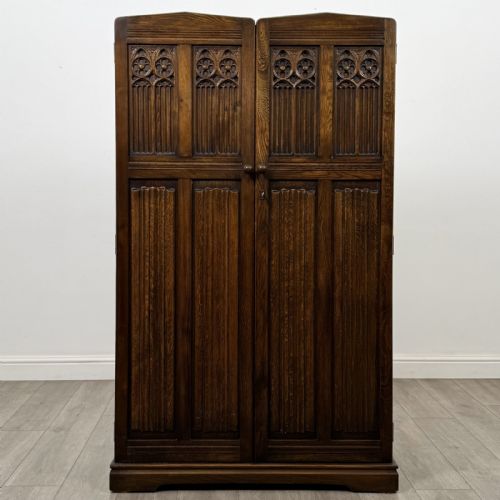
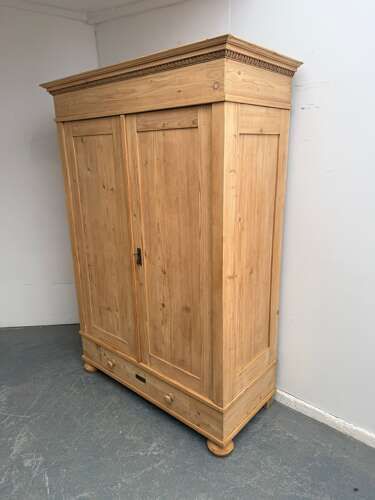
The most common examples on this page are mahogany, oak, and pine double wardrobes from the nineteenth and early twentieth centuries. Buyers encounter both British mahogany and walnut designs alongside continental pine and oak armoires, fitted with internal hanging rails, drawers, or linen slides.
Materials and Construction
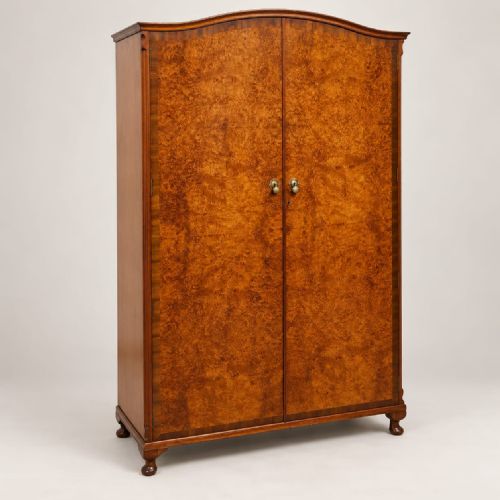
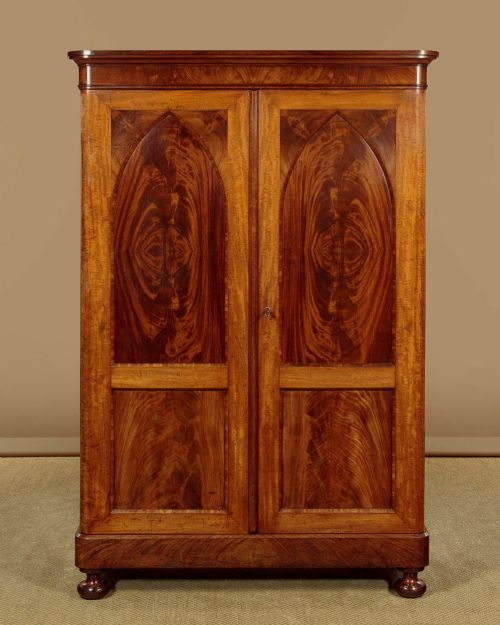
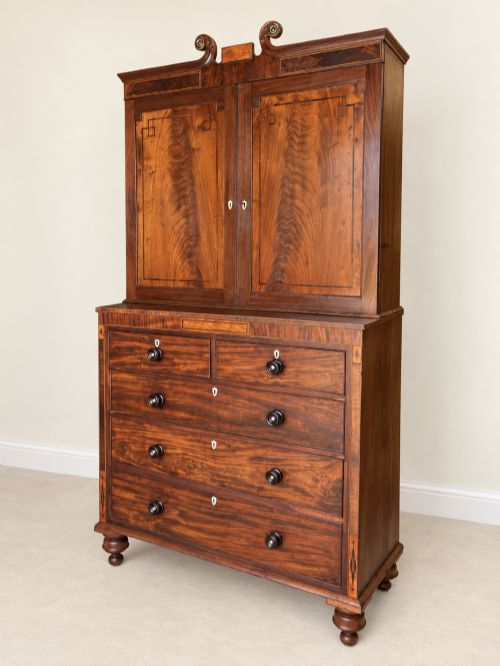
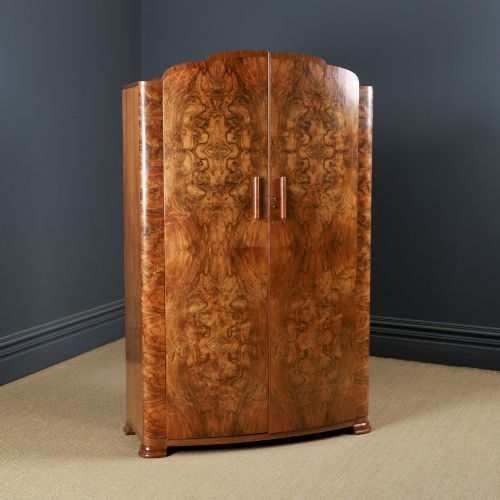
Cabinet makers utilised solid timbers alongside veneered surfaces, employing mahogany, oak, pine, and walnut. Flame mahogany veneers and burr walnut figured panels provide decorative surfaces over robust carcases.
Joinery techniques include pegged joints, hand-cut dovetails for internal drawers, and panelled door construction. Brass hardware, iron fittings, and glass elements complete the structural assembly.
Listings feature pieces spanning the eighteenth century, Georgian period, Regency era, William IV, Victorian era, Edwardian period, and the 1920s and 1930s.
Quality and Craftsmanship
The calibre of a wooden double wardrobe rests on the selection of timber figures, such as matched flame mahogany or burr walnut veneers, compared to plain or stained secondary woods. Finer examples display meticulous inlay work and balanced proportions.
Internal configuration and joinery integrity dictate utility, ranging from basic shelf-and-hanging layouts to fully fitted interiors with original linen slides and sliding trays. The retention of original surface finishes, whether polished mahogany or scumble paintwork, distinguishes preserved pieces from altered ones.
Crown Furniture·S & H Jewell
The Wooden Double Wardrobe Glossary
- Linen Press
- A dual-purpose piece featuring sliding trays or shelves in the upper section for folded textiles, placed above a base of multiple drawers. These storage items evolved into the modern wardrobe format.
- Armoire
- A large continental cupboard with doors enclosing shelving or hanging space. Originating in France, these pieces often feature deep cornices and carved detail.
- Compactum
- A fitted wardrobe combining hanging space, drawers, and shelving within a single multi-compartment unit. This efficient design maximises storage capacity.
- Scumble
- A translucent decorative paint layer applied over a base coat to imitate the grain of more costly timbers like oak. It appears on nineteenth-century utility pieces.
- Flame Mahogany
- A veneer cut from the fork of the mahogany tree, producing a distinctive flickering flame pattern. Cabinet makers used this figure on prominent exterior doors.
Wooden Double Wardrobe: Frequently Asked Questions
What is a double wardrobe?
A double wardrobe is a two-door storage unit designed primarily for hanging garments and storing apparel. These pieces provide substantial interior capacity for bedroom organisation.
They appear across multiple historic periods in woods such as mahogany, oak, and pine, often incorporating internal drawers or shelving alongside hanging space.
How do I fit a modern hanger inside?
Many older wardrobes feature shallower internal depths than contemporary units because historical clothing was narrower. Measuring the internal hanging depth before purchase ensures modern hangers fit correctly.
Some pieces utilise front-to-back pull-out rails rather than traditional side-to-side hanging rods to accommodate standard garment widths.
What is the difference between an armoire and a wardrobe?
An armoire is a traditional continental European cupboard, typically featuring heavy proportions and deep decorative cornices. They often originated in France and are constructed from oak, walnut, or painted pine.
A wardrobe specifically denotes British and American hanging closets that developed through the Georgian and Victorian periods, though the terms are frequently used interchangeably in the marketplace.
Can these wardrobes be dismantled for moving?
Many nineteenth-century wardrobes, particularly continental pine armoires and specific British designs, are constructed as knockdown pieces. These dismantle into separate panels, cornices, and bases for transport.
Solidly built British mahogany or oak pieces from certain eras may be constructed as single fixed carcases that require careful clearance measurement for stairways and doorways.