


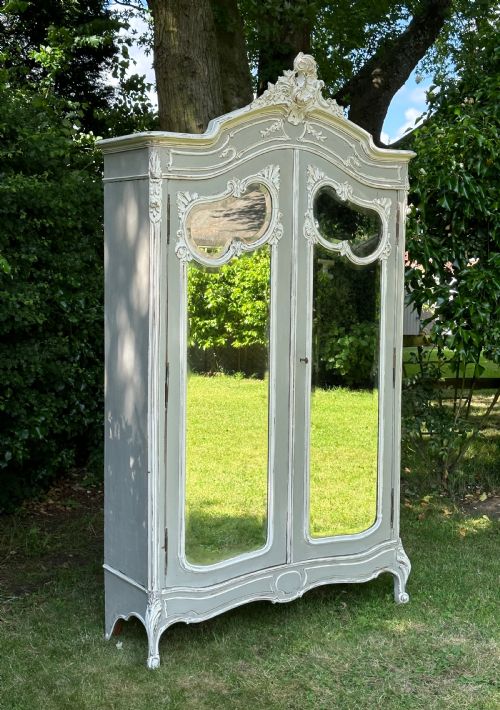
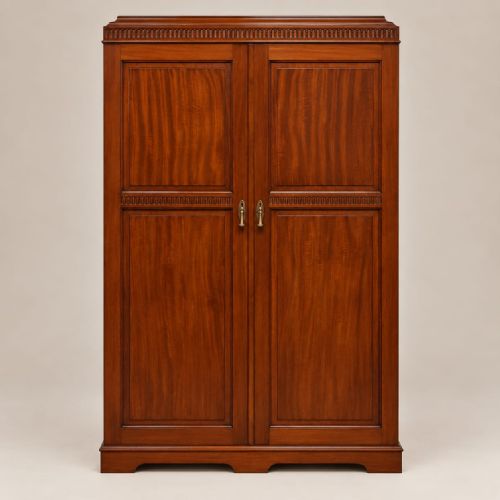
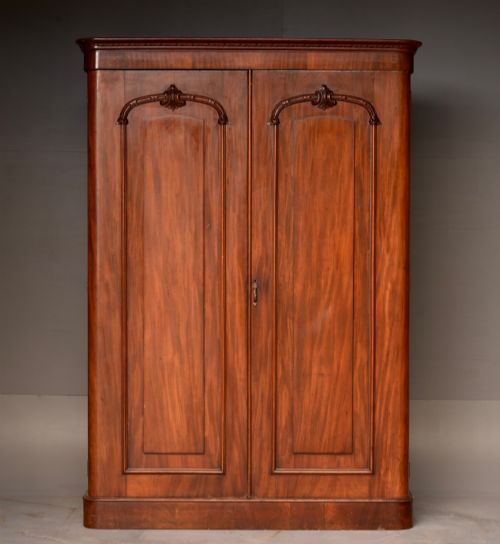
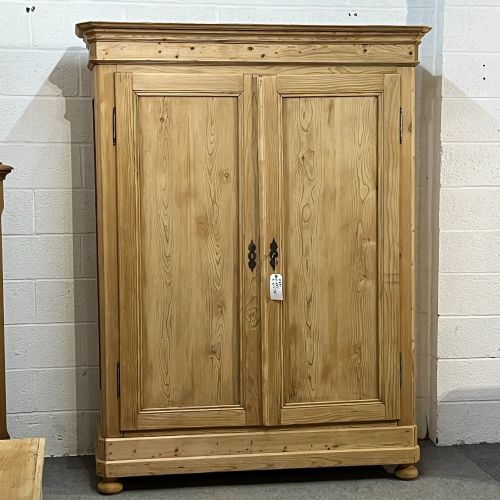

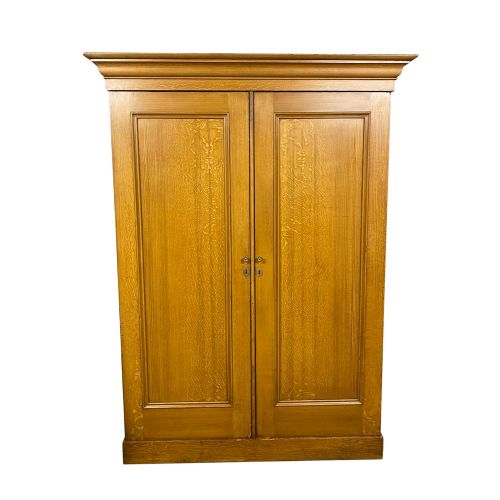
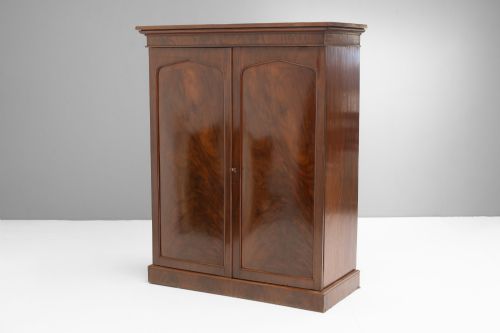
Wooden Double Door Armoire
A wooden double door armoire is a substantial storage piece that anchors a room with timber presence and practical depth.
Wooden Double Door Armoire
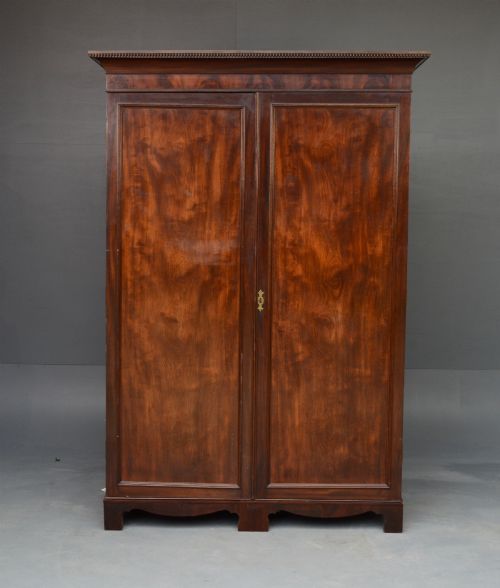
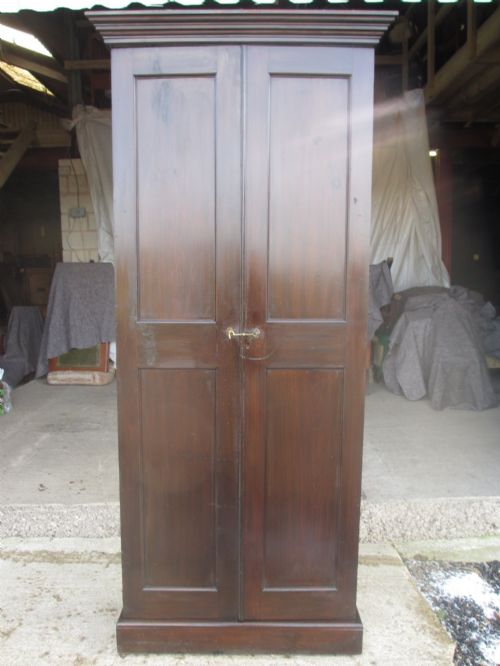
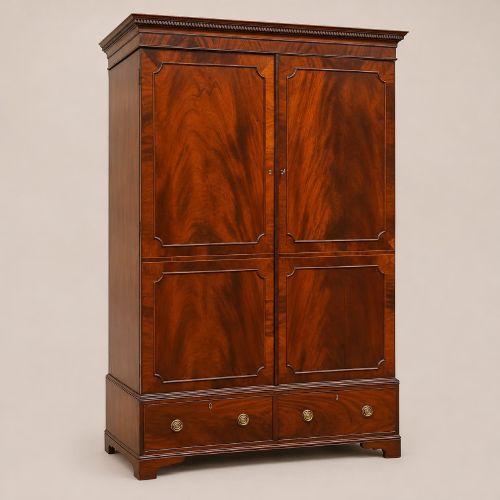
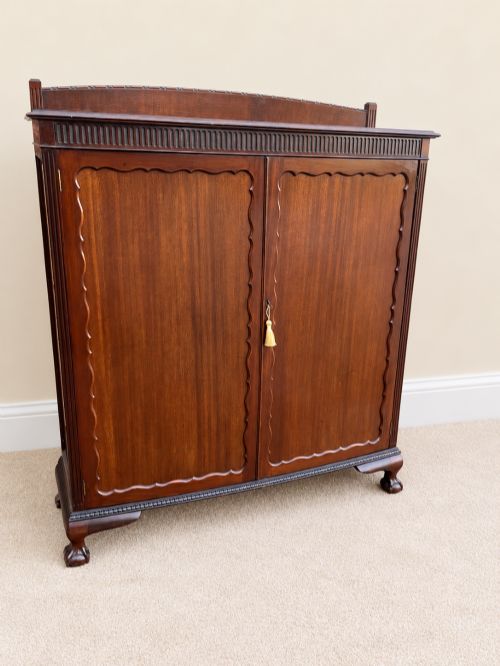
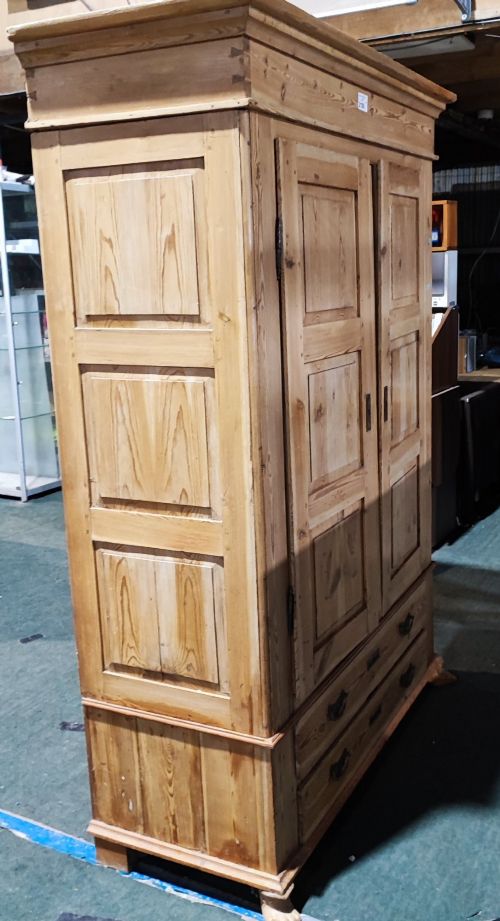
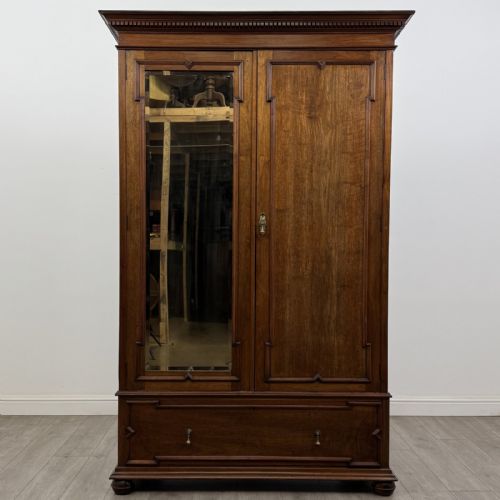
When you search for a wooden double door armoire, you encounter large storage pieces built to house clothing, linen, or household goods behind paired panelled doors. These items appear across periods spanning from the eighteenth century through to the art deco era, manifesting in forms such as wardrobes, linen presses, and cupboards.
The versions most common in these listings include nineteenth-century pine wardrobes, eighteenth-century mahogany presses, and walnut armoires originating from British, French, and continental workshops. They range from knockdown pine constructions meant for easier transit to grand architectural designs in figured mahogany and oak.
Buyers select these substantial pieces to introduce architectural character and generous volume into contemporary bedrooms and hallways. Each item reflects the domestic storage needs of its original era, combining internal hanging space or shelving with imposing external timber surfaces.
How They Were Made
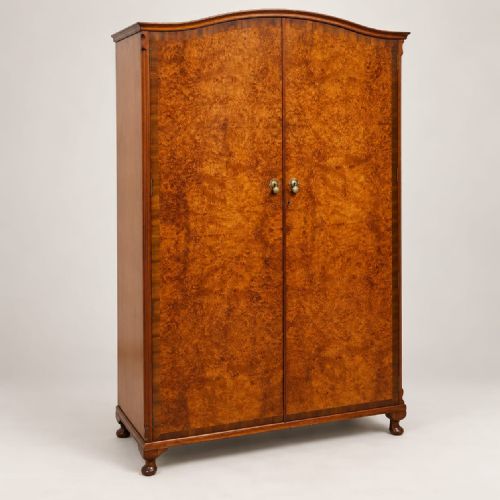
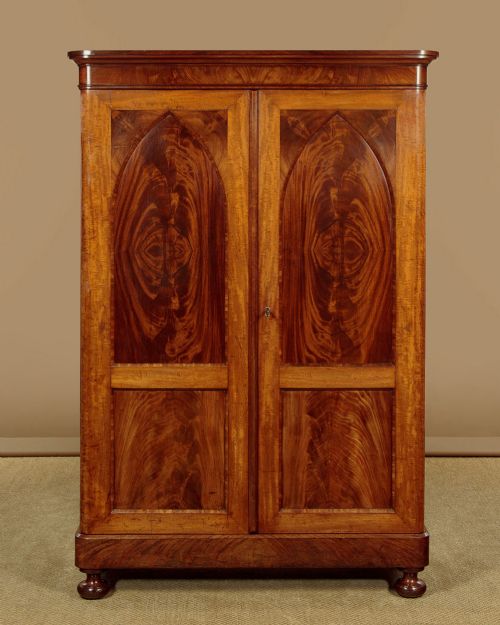
Cabinet makers constructed these pieces using solid timbers like oak, pine, and mahogany, frequently applying decorative veneers such as burr walnut and flame mahogany to prominent door panels. Structural integrity relied on traditional joinery, including dovetail joints for internal drawers and sturdy mortise and tenon frames for the main body.
Surface finishes varied widely according to regional traditions and period tastes, ranging from polished French polish and wax to painted finishes like scumble faux oak and blue pigments. Metal hardware in brass and iron provided functional hinges and locks, while decorative elements incorporated marquetry inlay and carved mouldings.
Wooden Double Door Armoire Retail Price Guide 2026
Typical asking prices for wooden double door armoire among the pieces listed under this phrase on Sellingantiques today, from the lower quarter to the upper quarter. They describe what is for sale here now, not the wider market.
Listings feature timbers including mahogany, pine, walnut, oak, and Indian rosewood, alongside decorative flame mahogany and burr walnut veneers.
What Varies in Quality
The calibre of timber selection and veneer matching defines the upper tier of these pieces, where cabinet makers utilised highly figured burr walnut or flame mahogany to create symmetrical patterns across the doors. Lesser examples employ simpler stained or painted softwoods with minimal grain patterning.
Construction depth and originality of internal fittings also separate standard items from superior works, particularly in pieces retaining original linen slides, hanging rails, and brass hardware. Alterations to interiors or replacement cornices reduce the integrity of historical storage furniture.
S & H Jewell
The Wooden Double Door Armoire Glossary
- Armoire
- A large freestanding cupboard or wardrobe with two doors, traditionally used in France for storing garments and household textiles.
- Linen press
- A tall piece of furniture featuring upper doors enclosing sliding trays or shelves, positioned above a base section fitted with drawers.
- Compactum
- A fitted wardrobe designed to maximise internal storage by combining hanging space, drawers, and shelving within a single compact footprint.
- Flame mahogany
- A highly figured timber veneer cut from the branch junction of the mahogany tree, displaying distinctive flickering flame-like grain patterns.
- Scumble
- A decorative painting technique involving a translucent glaze dragged over a base coat to imitate the appearance of aged timber grain.
Wooden Double Door Armoire: Frequently Asked Questions
How do I assemble a knockdown wardrobe?
Knockdown wardrobes utilise interlocking panels and wooden pegs or internal bolts rather than permanent glue joints, allowing them to be dismantled for transport.
When assembling one, ensure the base sits level on the floor before slotting the side panels and doors into place to maintain square alignment.
What is the difference between an armoire and a press?
An armoire provides vertical hanging height behind its doors for garments, whereas a linen press traditionally houses internal sliding trays specifically sized for folded textiles.
Many period examples adapt these internal spaces over time to suit modern clothing storage requirements while retaining their traditional external appearance.
How should I care for antique wood surfaces?
Maintain waxed or polished timber surfaces by dusting with a dry cloth and applying natural beeswax periodically to nourish the grain.
Avoid placing these heavy wooden pieces near direct heat sources or in damp environments to prevent the timber from warping or splitting.
Can I paint a polished wooden wardrobe?
Many pine and hardwood pieces historical to the nineteenth century were originally painted or intended for future decoration using traditional finishes.
Applying chalk paint or mineral paint to unvarnished or stripped surfaces is common, though altering original polished finishes on high-end mahogany or walnut items affects their historical character.