


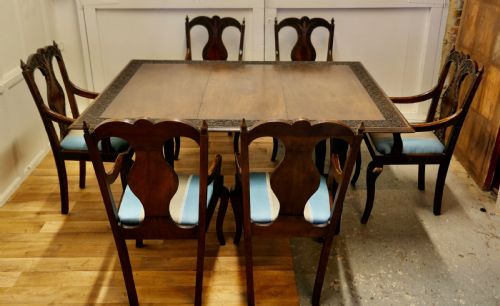


Wooden Dining Table Set
These wooden dining table set pieces bring together period tables and matched or accompanying chairs for daily dining.
Wooden Dining Table Set
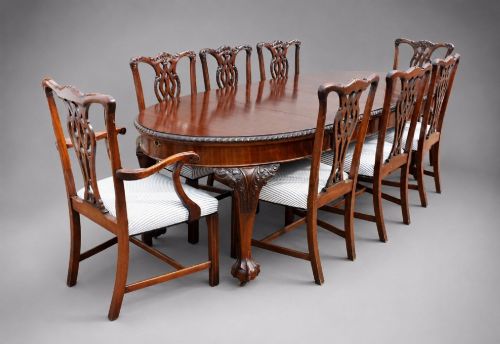
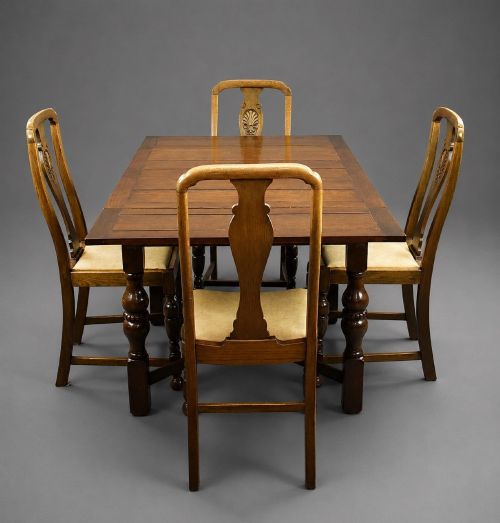
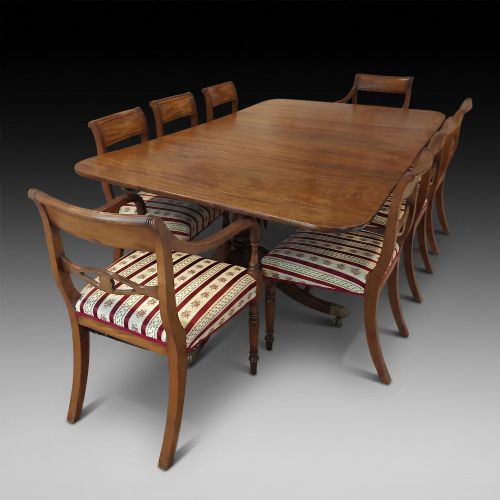
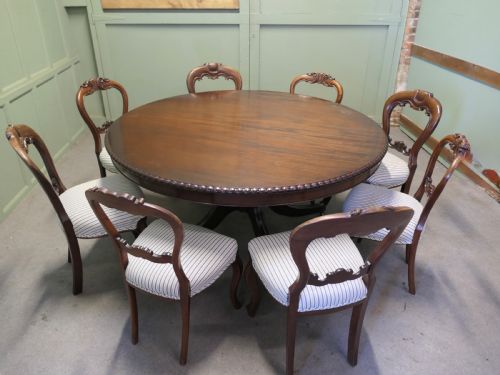
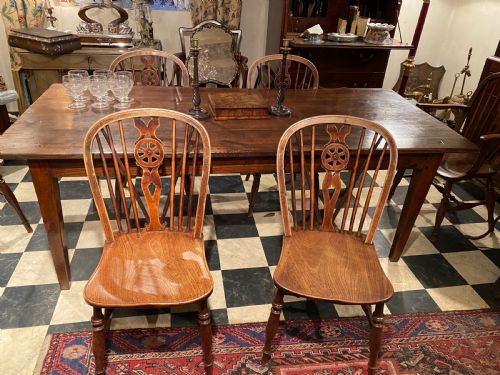
A wooden dining table set brings together a primary dining surface and coordinating chairs, spanning periods from the eighteenth century through to the Art Deco era and the nineteen-thirties. Buyers searching for a wooden dining table set will encounter everything from expansive Regency and Edwardian suites to robust oak refectory tables and draw leaf designs.
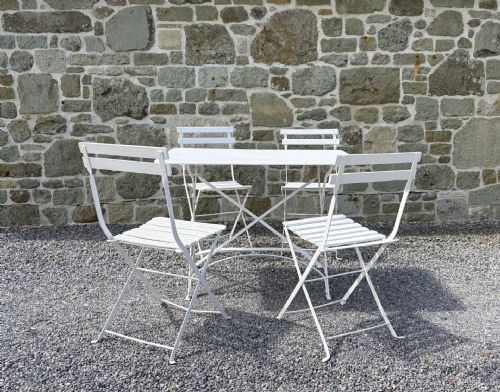
The configurations vary considerably across the selection, ranging from large extending tables paired with a dozen chairs to intimate kitchen sets and garden furniture. Many offerings include related dining furniture such as matched benches, carvers, and comprehensive seating groups.
Origins stretch from English country houses to continental workshops and transatlantic makers, showing how dining arrangements adapted across different eras. These groupings offer a complete period solution for dining spaces rather than requiring piecemeal assembly.
How they were made
Makers relied primarily on timbers such as mahogany, oak, and walnut, selecting dense hardwoods capable of withstanding daily use. Construction often employed traditional joinery techniques, seen in refectory trestles, draw leaf mechanisms, and extending table frames.
Surface treatments and hardware frequently incorporated brass details, while accompanying seating featured fabric upholstery and structured cushioning. Metal elements appeared in specific forms like garden furniture, combining cast iron frames with wooden slats.
Materials appearing across the inventory include mahogany, oak, walnut, and cast iron.
What varies in quality
Quality reveals itself in the selection of timber grain, the structural integrity of extending mechanisms, and the consistency of matched suites. Superior sets demonstrate careful timber matching across both table leaves and chair frames.
The execution of carved details, the stability of joints, and the preservation of original upholstery or surfaces distinguish standard production from exceptional examples. Cohesiveness between the table and its accompanying chairs remains a central indicator of merit.
James Shoolbred
The Wooden Dining Table Set Glossary
- Refectory table
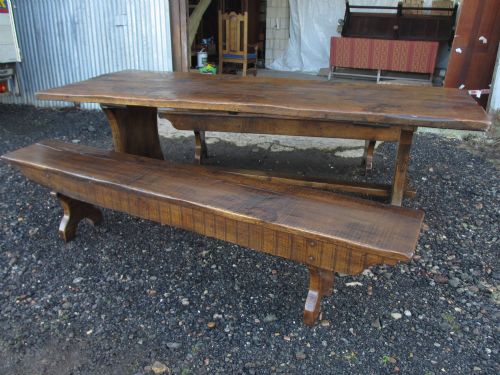
- A long, narrow dining table traditionally used in communal halls and characterised by sturdy legs connected by a central stretcher.
- Draw leaf table
- A dining table equipped with sliding leaves stored beneath the main top that pull out to extend the surface area.
- Carver
- An armchair designed with armrests, traditionally placed at the heads of a dining table and accompanied by side chairs.
- Balloon back
- A style of chair back popular in the nineteenth century, formed by a rounded, curved wooden loop resembling a balloon.
- Fiddle pattern
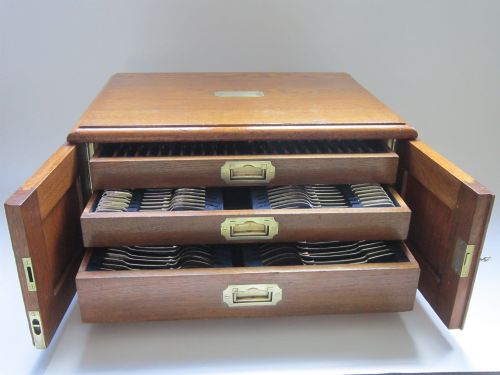
- A traditional cutlery design featuring a stem that widens gradually towards the base in the shape of a violin.
Wooden Dining Table Set: Frequently Asked Questions
How do I choose the right size?
Consider the dimensions of your room and the number of regular diners you need to seat. Many tables feature extending mechanisms or draw leaves to accommodate additional guests when required.
Check the clearance around the table for chairs and movement, ensuring that carvers and side chairs fit comfortably beneath the top when pushed in.
Are chairs always original to the table?
Sets often combine tables and chairs made at similar times rather than strictly original pairings. Many listings offer matched suites assembled to provide a cohesive period appearance.
Examine the timber tones, styles, and proportions to understand how the elements relate to one another within the complete grouping.
How do I care for wooden dining surfaces?
Protect timber surfaces from direct heat and moisture by using coasters and placemats during daily use. Regular dusting with a soft cloth maintains the finish without building up residue.
Avoid placing wooden furniture in direct sunlight or near heat sources to prevent timber movement and cracking over time.
How do I identify different periods?
Observe the leg shapes, timber choices, and construction methods characteristic of eras like the Regency, Victorian, or Edwardian periods. Distinct decorative motifs and hardware styles often signal the date of manufacture.
Compare the overall proportions and joinery details against documented examples from specific centuries to confirm the likely period.