



Wooden Desktop Drawer Unit
A wooden desktop drawer unit brings order to papers and small treasures while adding character to any workspace.
Wooden Desktop Drawer Unit
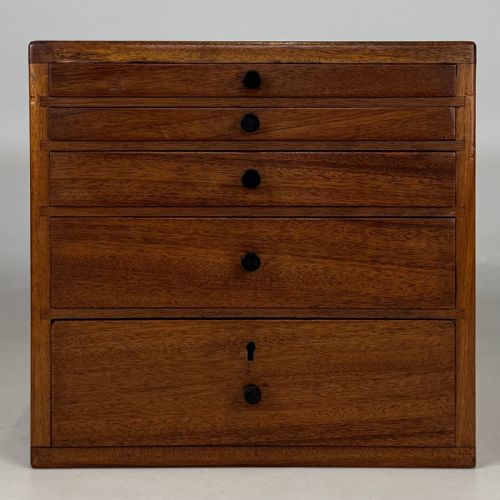
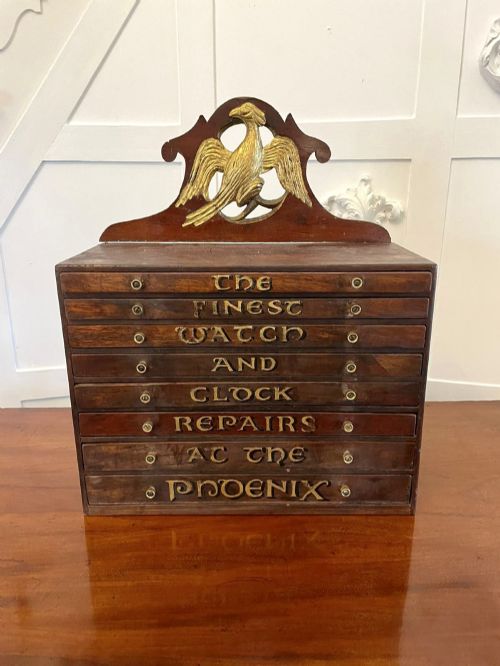
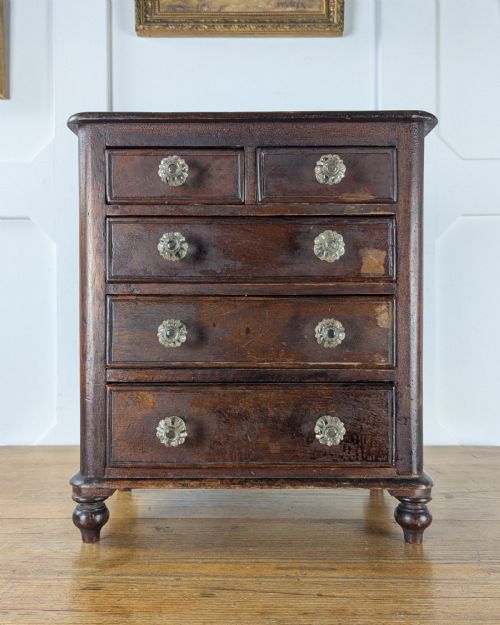
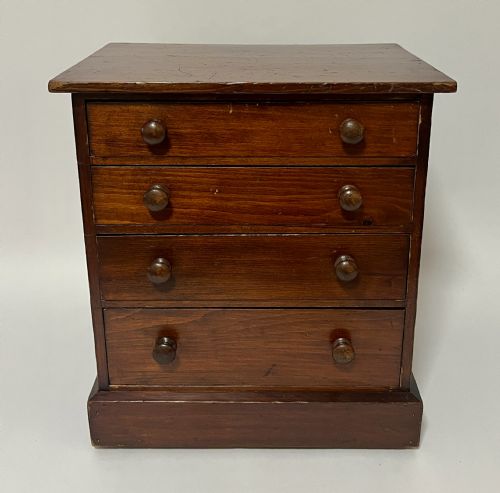
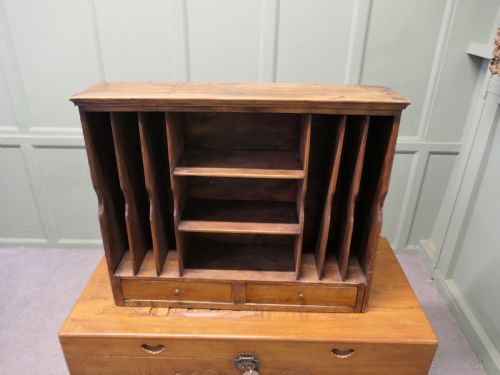
A wooden desktop drawer unit encompasses miniature chests, filing cabinets, and small collector chests designed for tabletop organisation. Buyers seeking a wooden desktop drawer unit will encounter pieces ranging from Victorian apprentice chests to early twentieth-century office filing drawers and French post office shelves.
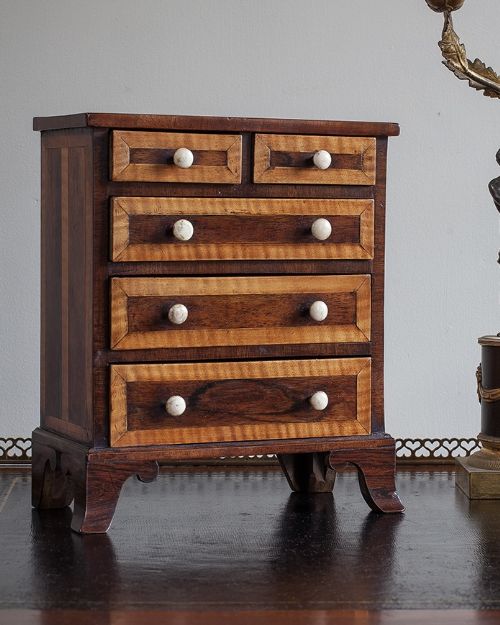
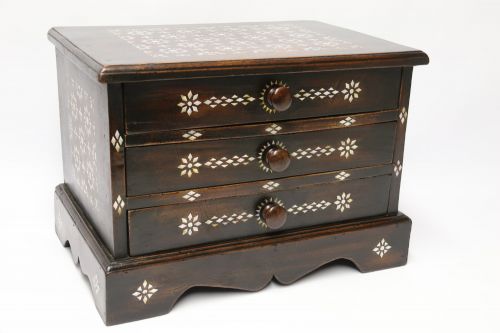
The selection frequently includes small mahogany trinket storage, satin walnut collector cabinets, and inlaid hardwood Anglo-Indian pieces. These compact items serve practical storage needs while displaying traditional craftsmanship across periods such as the nineteenth century, Edwardian era, and Art Deco years.
How they were made
Maker construction relies on timbers such as mahogany, oak, walnut, pine, and satin walnut, often shaped into miniature furniture or filing systems. Joinery incorporates traditional techniques suited to smaller scale desktop items, creating sturdy frames for multiple drawers.
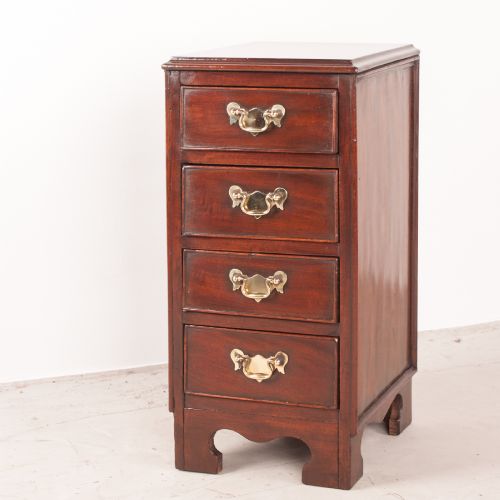
Hardware details predominantly feature brass fixtures, pulls, and handles that complement the timber surfaces. Some examples include inlaid hardwood decoration or stained finishes applied to deal and pine bases.
Wooden Desktop Drawer Unit Retail Price Guide 2026
Typical asking prices for wooden desktop drawer unit among the pieces listed under this phrase on Sellingantiques today, from the lower quarter to the upper quarter. They describe what is for sale here now, not the wider market.
Materials represented across the inventory include mahogany, oak, walnut, satin walnut, pine, metal, glass, and brass.
What varies in quality
Quality differences stem from the selection of timber and the precision of the cabinet work. Finely figured mahogany or satin walnut and intricate inlay work distinguish superior collector chests from simpler stained pine or deal storage boxes.
The integration of original brass hardware and the smooth operation of multiple small drawers indicate higher standards of period manufacture. Finer pieces demonstrate careful attention to proportions, whether scaled down as miniature apprentice chests or built for practical office filing.
The Wooden Desktop Drawer Unit Glossary
- Apprentice piece
- A small item of furniture created by a craftsman to demonstrate skill for guild qualification. These miniature chests often mirror full-size designs in every detail.
- Collector cabinet
- A specialised piece featuring multiple shallow drawers designed to organise specimens, coins, or small objects. They are constructed in woods like satin walnut, mahogany, and oak.
- Inlay
- A decorative technique where contrasting pieces of wood or other materials are inserted into the primary timber surface. Anglo-Indian examples frequently employ this method.
- Deal
- A soft timber cut from pine or fir trees, commonly used in nineteenth-century utilitarian furniture. Stained deal provides an affordable finish for smaller desktop cabinets.
Wooden Desktop Drawer Unit: Frequently Asked Questions
What were small wooden drawer units originally used for?
These compact units served various purposes depending on their design, from storing letters and documents in office settings to holding jewellery, trinkets, or specimens in private homes.
Filing drawers managed correspondence, while miniature chests and collector cabinets held valuable small possessions or served as sample pieces for craftsmen.
How do I date an antique desktop drawer unit?
Dating relies on examining the timber species, construction methods, and hardware styles present on the piece. Nineteenth-century examples often feature solid mahogany or walnut, while early twentieth-century office drawers utilise oak or beech with specific mechanical labeling systems.
Stylistic cues such as Victorian proportions or Art Deco simplicity further narrow down the period of manufacture.
Are these drawer units suitable for modern desk use?
Their compact dimensions make them ideal for organising modern stationery, papers, small electronics, or craft supplies on a contemporary desk.
Collector cabinets and miniature chests provide practical compartmentalised storage while introducing period charm and warmth to a workspace.
What woods were commonly used for desktop drawer units?
Maker workshops employed a wide variety of timbers including mahogany, oak, walnut, satin walnut, pine, and deal. Hardwoods like mahogany and walnut provided durability and a fine grain for display pieces.
Utilitarian office pieces and simpler storage boxes frequently utilised pine, deal, or beech.