



Small Wooden File Drawers
These small wooden file drawers bring practical desk organisation and period charm to a room.
Small Wooden File Drawers
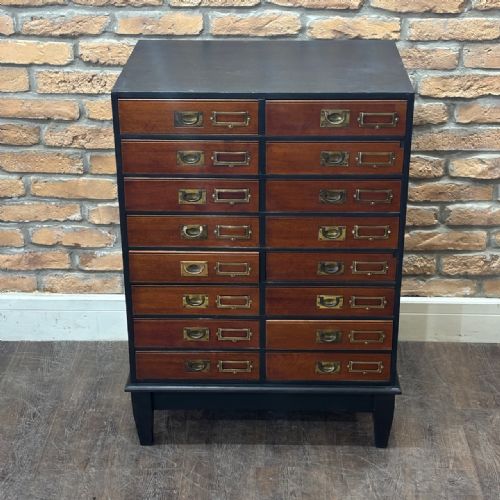
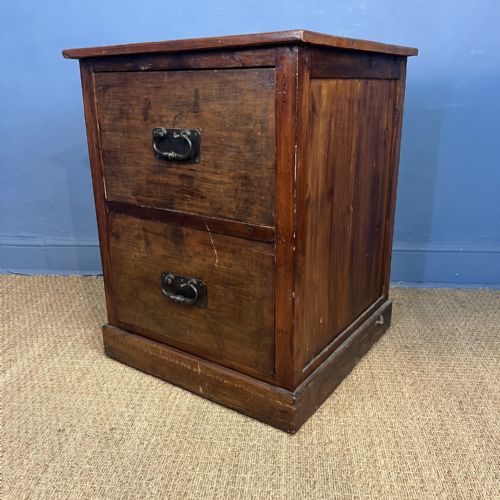
When you search for small wooden file drawers, you encounter compact desktop units, multi-drawer cabinets, and filing chests designed for domestic or office organisation. The examples recorded here span the late nineteenth century through to the nineteen-thirties, covering Victorian, Edwardian, and Art Deco periods.
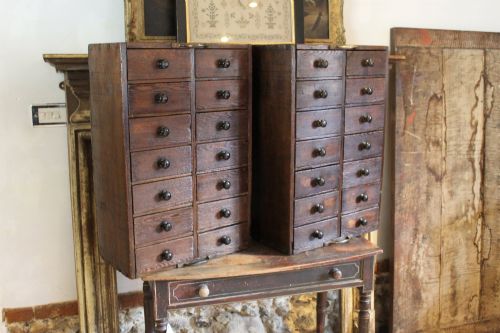
Most pieces on this page take the form of desktop filing drawers, music cabinets, and small oak or mahogany chests. Origin styles range from industrial utility and Arts and Crafts to Anglo-Indian work, reflecting diverse historical workspaces.
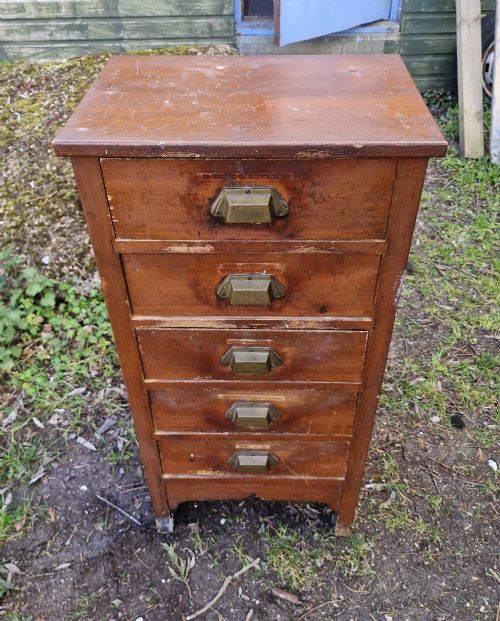
Buyers frequently find configurations featuring four or five graduated drawers, brass handles, and index slots. These compact items serve collectors, home offices, and studies needing efficient paper storage without large furniture footprints.
How they were made
Cabinet makers constructed these small wooden file drawers primarily using hardwoods such as oak, mahogany, walnut, and teak, alongside occasional pine and beech. Timber selection dictated the weight and durability of each desktop unit or filing chest.
Metal hardware played a crucial role in daily operation, with brass handles, pulls, and label holders fitted to the drawer fronts. Joinery methods matched the commercial and domestic demands of nineteenth and early twentieth-century offices.
Small Wooden File Drawers Retail Price Guide 2026
Typical asking prices for small wooden file drawers among the pieces listed under this phrase on Sellingantiques today, from the lower quarter to the upper quarter. They describe what is for sale here now, not the wider market.
Listings feature oak, mahogany, walnut, and teak woods across Victorian, Edwardian, and Art Deco periods.
What varies in quality
Quality differences lie in the choice of timber figure, the precision of the drawer joints, and the integrity of the original brass hardware. Finer pieces display carefully selected oak, mahogany, or walnut grains that have aged with a rich patina.
The sophistication of the internal configuration also distinguishes standard office items from bespoke workshop or retailer pieces. Retained period brass handles and intact index fittings elevate the overall integrity of a cabinet.
D Napier and Sons
The Small Wooden File Drawers Glossary
- Graduated drawers
- Drawers within a single chest that decrease in depth from bottom to top. This arrangement provides varied storage capacities for different paper sizes or office supplies.
- Campaign chest
- A portable set of drawers designed for travel, typically featuring recessed brass handles and reinforced corners. These pieces were built for durability during transit.
- Music cabinet
- A specialised storage piece with shallow drawers originally intended for sheet music. Today, these cabinets serve well for organising loose documents and correspondence.
- Index filing drawers
- Compact desktop units fitted with specific labelling slots or mechanisms for sorting cards and documents. They represent early twentieth-century office efficiency.
Small Wooden File Drawers: Frequently Asked Questions
What were small wooden file drawers used for?
These compact units served offices, shops, and homes for sorting correspondence, documents, and index cards.
They kept paperwork organised on a desktop before modern filing systems took over.
How do I date a wooden filing cabinet?
Examine the timber, hardware style, and construction methods to estimate the decade of production.
Period labels, brass handle designs, and wood choices such as oak or mahogany often point to Victorian or Edwardian manufacturing eras.
Can I use these drawers for modern A4 paper?
Many period collectors cabinets and desktop drawers accommodate modern paperwork, though internal dimensions vary.
Checking specific drawer measurements ensures standard documents fit comfortably inside.
How should I care for antique wood drawers?
Maintain the timber by keeping units away from direct heat sources and sudden humidity changes.
Applying a traditional beeswax occasionally helps preserve the polished finish without harming the historic surface.