


Wooden Cutlery Storage Box
These wooden cutlery storage box pieces bring solid utility and period charm to a room, offering fitted interiors and rich timbers for organising flatware.
Wooden Cutlery Storage Box
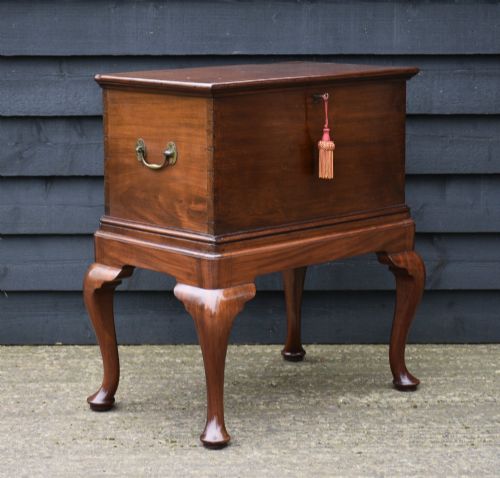
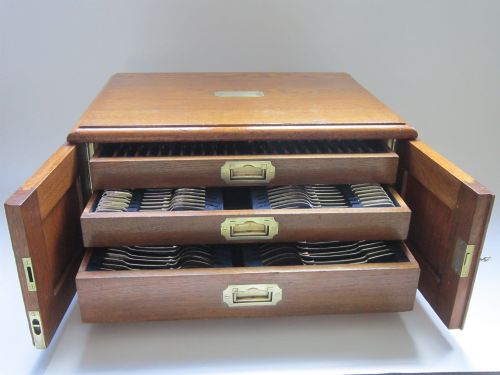
A wooden cutlery storage box serves as a practical vessel for keeping flatware organised, drawing from forms such as knife boxes, canteens, and chests. These pieces span periods from the seventeenth century through to the Art Deco era, reflecting domestic habits of past centuries.
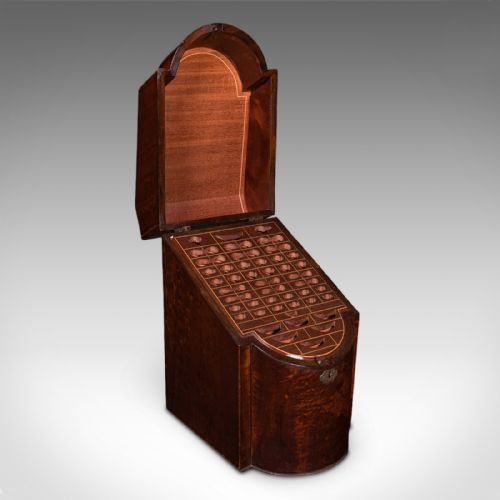
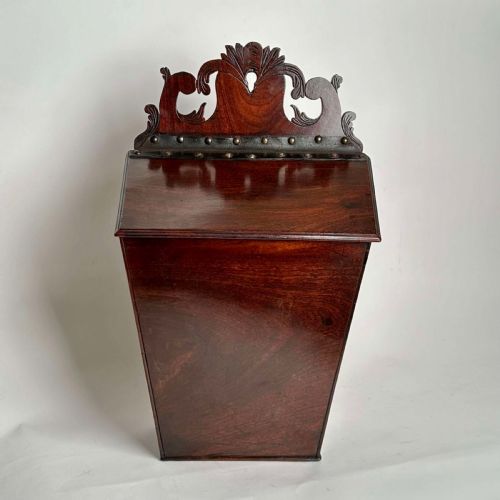
You will most frequently encounter nineteenth century and Georgian examples fashioned from mahogany or oak. Formats range from serpentine fronted knife boxes to campaign silverware trunks and fitted canteens.
Regional variations appear across the selection, including English oak kitchen organisers, Portuguese coromandel boxes, and Scandinavian rustic pine pieces. Each variation highlights the distinct storage needs and cabinet-making traditions of its origin.
Materials and construction methods
Cabinet makers relied primarily on dense hardwoods like mahogany, oak, and walnut to build a sturdy wooden cutlery storage box. Wood inlay added decorative detail to surfaces, particularly on serpentine fronted forms from the Georgian period.
Interiors often featured fitted compartments lined with velvet to protect sterling silver and steel flatware. Brass hardware, including carrying handles and escutcheons, reinforced the structural integrity and portability of chests and trunks.
Fittings across the selection include velvet linings, brass hardware, and dedicated compartments for sterling silver and steel flatware.
Assessing quality in construction
Superior examples of a wooden cutlery storage box display carefully selected timber grains, such as figured mahogany or coromandel, matched across the exterior panels. The precision of the dovetail joinery and the retention of original brass fittings distinguish finer pieces.
The sophistication of the internal fitting dictates the tier of the piece, with partitioned velvet-lined trays demonstrating higher workshop standards. Lower tiers manifest as simpler pine or oak boxes intended for utilitarian service rather than formal dining rooms.
Walker & Hall
The Wooden Cutlery Storage Box Glossary
- Canteen
- A fitted box or chest designed specifically to hold a complete set of cutlery. These interiors usually feature dedicated slots or layers for knives, forks, and spoons.
- Serpentine
- A furniture shape characterised by a undulating front line that curves outward in the centre and inward at the sides. This contour appears frequently on finer Georgian knife boxes.
- Campaign
- Portable furniture designed for travel, typically fitted with flush brass handles and reinforced corners. These chests and trunks were built to withstand movement.
- Inlay
- A decorative technique where pieces of contrasting wood or other materials are inserted into depressions in the base wood. It adds pattern and visual depth to box lids and fronts.
- Escutcheon
- A flat plate surrounding a keyhole, usually made of brass. It protects the surrounding wood from wear caused by the key.
Wooden Cutlery Storage Box: Frequently Asked Questions
What fits inside a wooden cutlery storage box?
These boxes accommodate various flatware sets, from antique silver to modern stainless steel. Fitted interiors usually include specific slots for knives, forks, and spoons.
Larger canteens and chests hold extensive sets numbering over one hundred pieces, while smaller knife boxes suit compact service collections.
How do I date a wooden cutlery storage box?
Dating relies on timber choices, construction techniques, and stylistic markers. Georgian pieces often feature mahogany with serpentine shapes, while Victorian examples introduce campaign brass hardware.
Later pieces from the Art Deco period reflect geometric trends of the nineteen thirties, shifting away from earlier classical proportions.
Where were these boxes used?
Domestic dining rooms and country kitchens utilised these boxes to keep flatware organised and protected from tarnish. Campaign trunks served travellers on journeys.
Today, they function well on sideboards or tabletops in modern dining spaces, offering hidden storage for everyday or ceremonial cutlery.
Are the interiors original?
Interiors vary depending on whether the box served as a knife box, canteen, or general chest. Many retain their fitted wooden dividers and velvet linings.
Examining the wood tone and wear patterns inside helps determine if the layout matches the exterior period of the piece.