
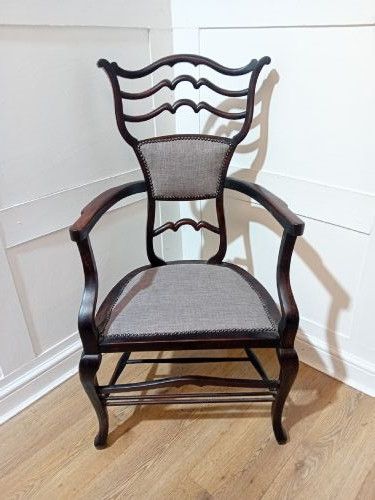
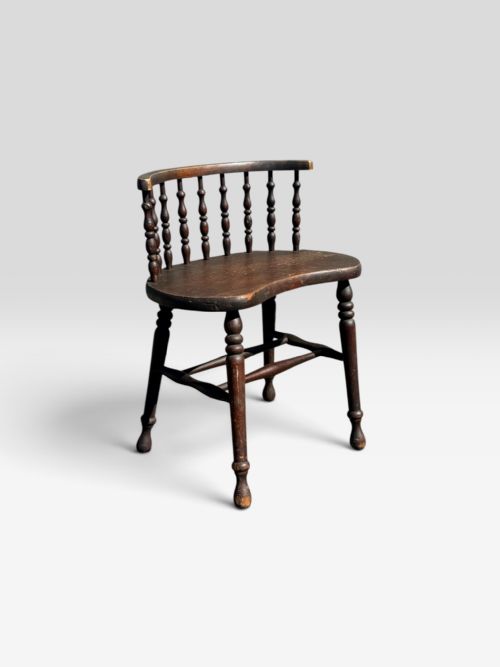


Wooden Corner Chair
A wooden corner chair solves the problem of difficult room layouts by fitting neatly into awkward spaces while offering a distinctive seating option.
Wooden Corner Chair
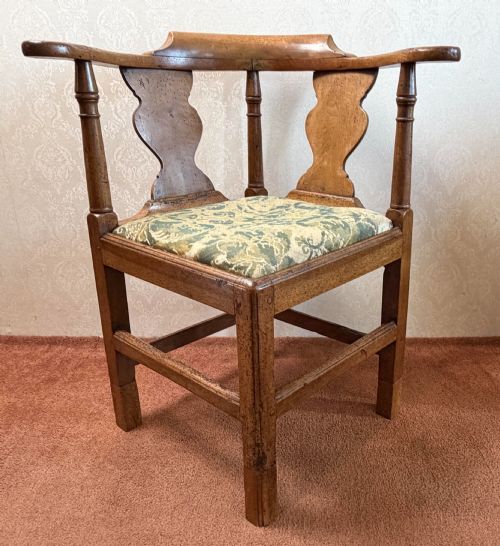
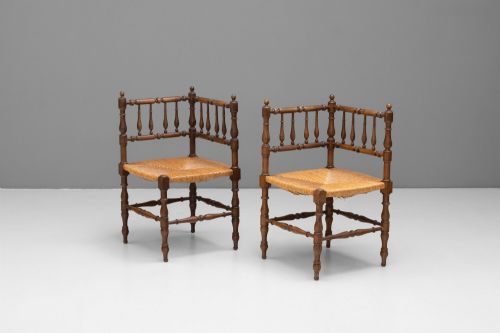
When you search for a wooden corner chair, you look at seating designed specifically to sit snugly into a ninety-degree room junction, often featuring a rounded backrest supported by multiple upright spindles or pillars.
The versions you meet most frequently on this page span from Georgian and Victorian periods up through Edwardian interpretations, utilising timbers like mahogany, oak, and elm.
These pieces function primarily as occasional seating or accent chairs, bringing architectural interest to empty corners in hallways, studies, and drawing rooms.
Materials and construction
Cabinet makers constructed these seats using solid hardwoods such as mahogany, oak, walnut, and fruitwood, frequently employing turnery for the structural uprights and legs.
Joinery techniques included mortise and tenon joints to secure the curved arm rails and backrests, ensuring stability in a frame subjected to diagonal stresses.
Secondary decorative elements involved marquetry inlay, mother-of-pearl detailing, carved panels, and drop-in seats upholstered in fabric, leather, or tapestry.
Listings feature woods including oak, mahogany, walnut, elm, fruitwood, and rosewood, alongside decorative additions of mother-of-pearl and tapestry.
Judging the standard
Quality in a wooden corner chair rests on the crispness of carved details, the integrity of the structural joinery in the complex curved back rail, and the choice of dense, well-figured timber.
Early eighteenth-century examples exhibit finer grain selection and more harmonious proportions than later revival pieces, though craftsmanship remains high across Victorian and Edwardian interpretations.
The degree of original surface finish and the retention of period upholstery materials distinguish superior survivals from pieces that have undergone extensive rebuilding.
Liberty and Co
The Wooden Corner Chair Glossary
- Corner Chair
- A seat designed with a diagonal orientation to fit directly into the angle of a room, typically featuring a semicircular backrest carried on three or four posts.
- Mahogany
- A durable tropical hardwood prized by cabinet makers for its reddish-brown colour and stability, frequently utilised in Georgian and Edwardian seating.
- Turnery
- woodwork shaped by rotating the timber on a lathe, producing cylindrical and baluster components commonly seen on the legs and back supports of these chairs.
- Tapestry
- A heavy hand-woven textile material often used historically for upholstery on chair seats, providing decorative pattern and texture.
- Inlay
- A decorative technique where contrasting materials such as lighter woods or mother-of-pearl are inserted into recesses within the primary timber surface.
Wooden Corner Chair: Frequently Asked Questions
How do I place a wooden corner chair in a modern room?
These chairs fit naturally into neglected room angles, making them ideal for dead spaces in hallways or bedrooms where standard seating will not work. Their compact footprint provides a functional seat without overwhelming the floor plan.
Pair the piece with a small floor lamp or position it beside a bookcase to create a reading nook. The diagonal orientation naturally draws the eye toward architectural corners.
What periods do these corner chairs come from?
The selection includes pieces spanning from the eighteenth century through the Victorian era and into the Edwardian period. Georgian examples often feature understated elm or mahogany frames, while later Victorian and Edwardian pieces frequently showcase revival styles or elaborate inlay.
Distinguishing between periods relies on examining timber patination, construction methods, and stylistic cues such as Gothic or Moorish revival motifs. Earlier pieces generally display heavier framing and simpler turned supports.
Are wooden corner chairs comfortable to sit in?
Most corner chairs function primarily as occasional or accent seating rather than lounging furniture. The enclosing curved backrest offers firm support, but the rigid wooden structure is built for brief sitting periods.
Many examples feature drop-in upholstered pads covered in fabric, leather, or tapestry to add cushioning. The open design allows an ergonomic posture when angled correctly in a room.
How do I tell an 18th century corner chair from a later copy?
Eighteenth-century examples typically display hand-cut joinery, pegged joints, and deep natural patination on timbers like oak, walnut, or fruitwood. Tool marks left by hand saws and adzes indicate age.
Later Victorian and Edwardian reproductions often utilise machine-sawn components and brighter mahogany finishes. Examining the underside of the seat frame usually reveals the consistency of the age wear.