







Wooden Collectors Case
A wooden collectors case organises small treasures and curiosities, offering a neat way to display or store specimens and antiques.
Wooden Collectors Case
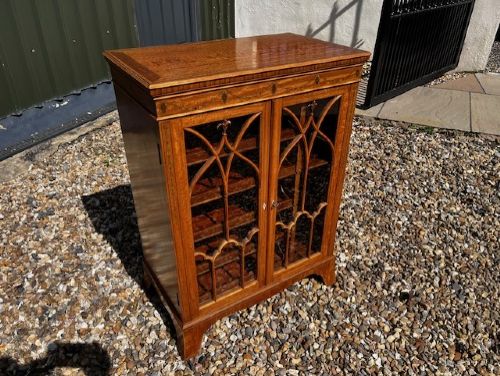
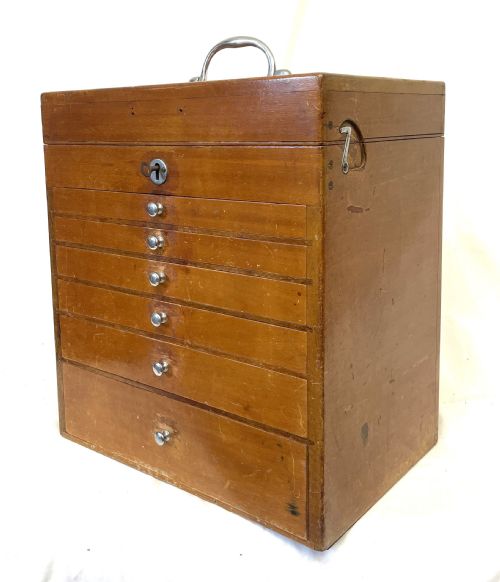
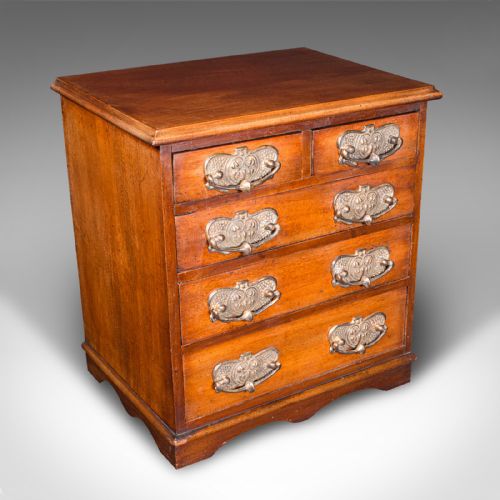
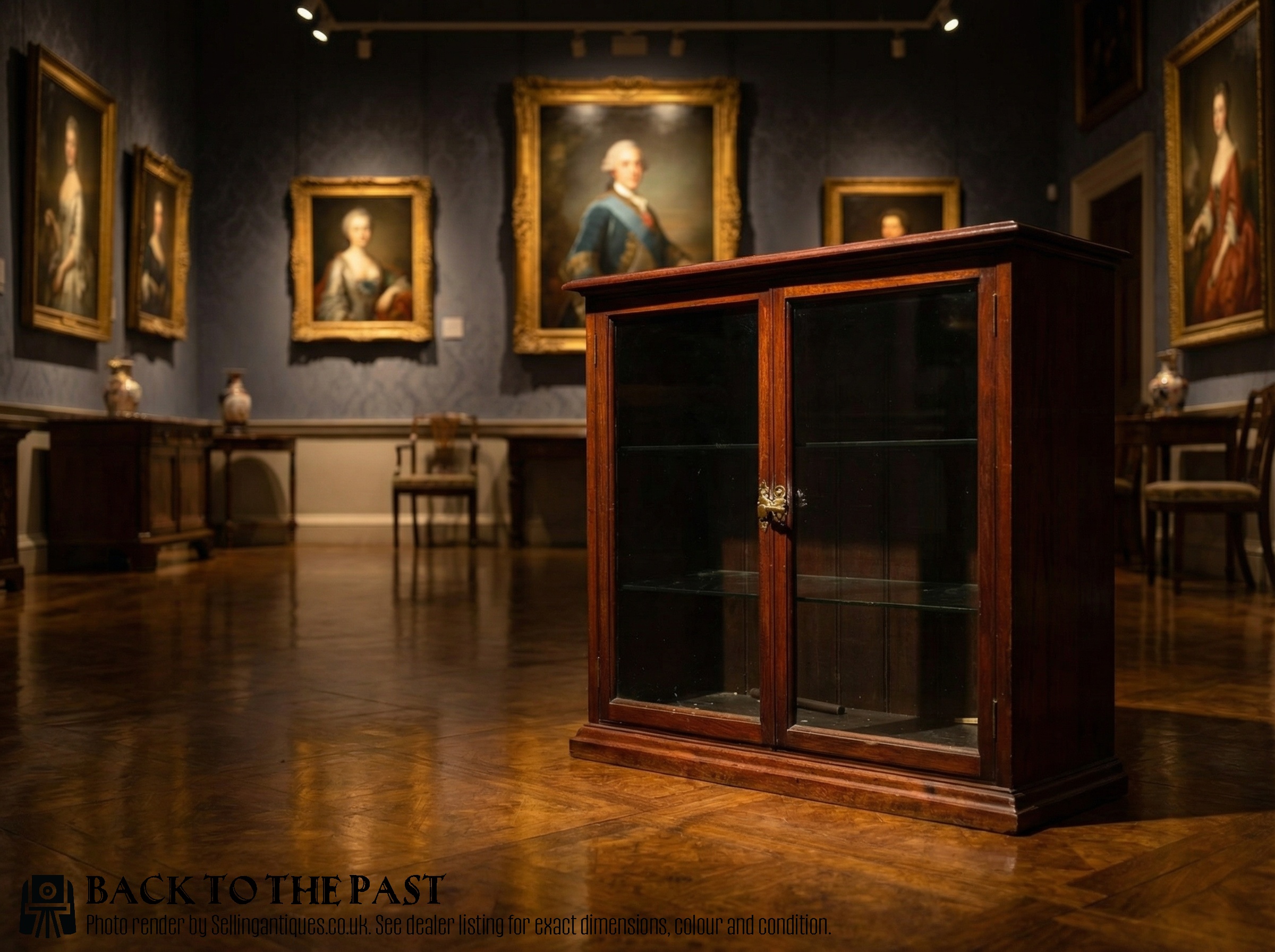
A wooden collectors case encompasses tabletop cabinets, desktop drawers, countertop displays, and specimen chests suited for holding small objects. These pieces range from Regency desktop cases and Victorian mahogany specimens to 1920s commercial countertops and Edwardian wall cabinets.
Most items you encounter span the Victorian and Edwardian eras through to the 1930s, constructed for specific trades or personal hobbies like botany, taxidermy, and dentistry. The selection prioritises functional tabletop and countertop formats designed to keep delicate items secure and visible.
How they were made
Cabinet makers utilised dense hardwoods such as mahogany, oak, satinwood, and cedar, often pairing them with glass panels, brass hardware, and internal linings of velvet or fabric. Structural integrity relied on tight joinery to protect sensitive contents from dust and handling.
Glazing techniques incorporated fitted wooden frames or curved glass domes secured to timber bases, while specialised interiors featured multiple small drawers, fitted partitions, or recessed slots for instruments and specimens.
Several pieces started life holding medical gear, apothecary bottles, or dental tools.
What varies in quality
Quality shows in the selection of timber veneers, such as satinwood and marquetry inlay, compared to plain utility woods. Finer examples display meticulous corner joints, intact brass handles, and original glass panes without distortion.
Interior execution distinguishes standard utilitarian storage from superior pieces, evident in smooth drawer operations, clean fabric linings, and carefully fitted compartments designed for specific instruments or specimens.
The Wooden Collectors Case Glossary
- Specimen case
- A small cabinet or chest with shallow drawers designed to hold natural history items like insects, plants, or minerals.
- Countertop display
- A glazed cabinet intended to sit upon a shop counter for customers to view merchandise while keeping items secure.
- Display dome
- A glass cover mounted on a wooden base, traditionally used to protect taxidermy, clocks, or botanical displays from dust.
- Marquetry inlay
- Decorative woodwork where small pieces of contrasting veneer are fitted into a design on the surface of the cabinet.
Wooden Collectors Case: Frequently Asked Questions
What fits inside a wooden collectors case?
These cases accommodate small keepsakes, minerals, coins, medical instruments, and botanical specimens depending on the drawer depth and internal layout.
Tabletop and countertop versions suit items meant for regular viewing, while multi-drawer desktop chests keep delicate pieces organised out of the light.
How do I date a wooden collectors case?
Dating relies on timber types, construction methods, hardware styles, and the specific trades associated with the piece, such as apothecary or dentistry.
Victorian and Edwardian examples often feature heavier mahogany or oak builds, whereas 1920s commercial units lean towards simpler oak frames and industrial utility.
Are these cases suitable for retail displays?
Countertop and wall-mounted display cabinets function well for showcasing small vintage goods, jewellery, or curiosities in modern settings.
Glass panels and hinged doors provide secure visibility while maintaining the original character of the shop fitting.
How should I clean the glass and wood?
Wood surfaces respond best to gentle dusting and traditional wax polishes that maintain the natural finish without building up heavy residues.
Glass panels require standard non-ammonia cleaner applied to a cloth rather than sprayed directly, protecting the surrounding timber and fabric linings.