


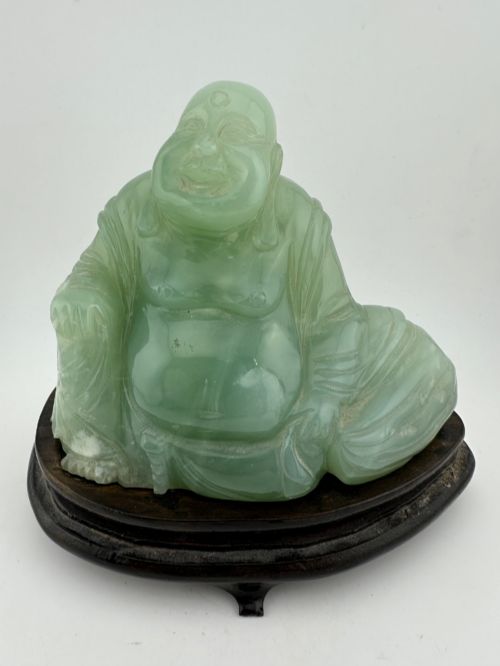
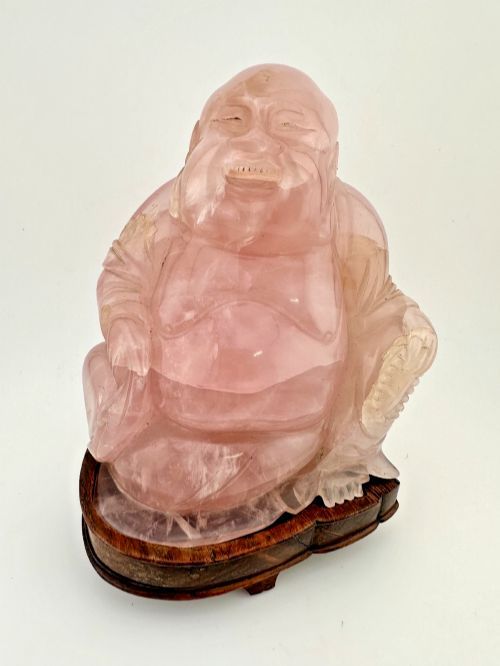
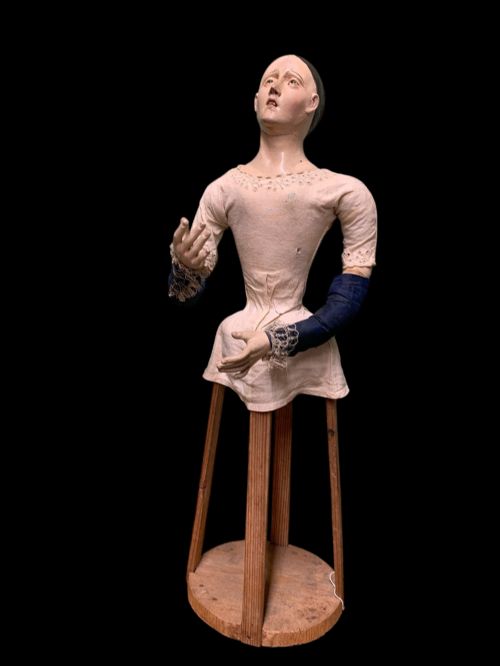
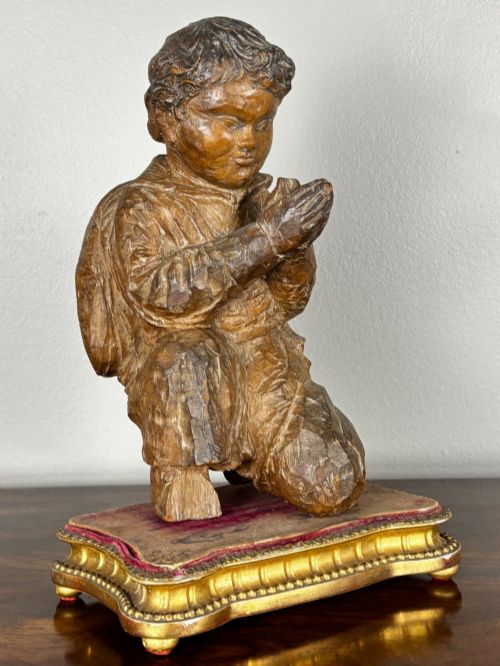
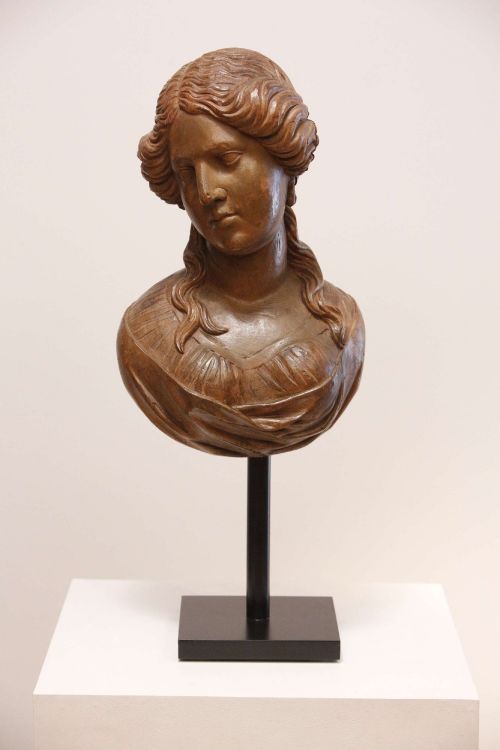
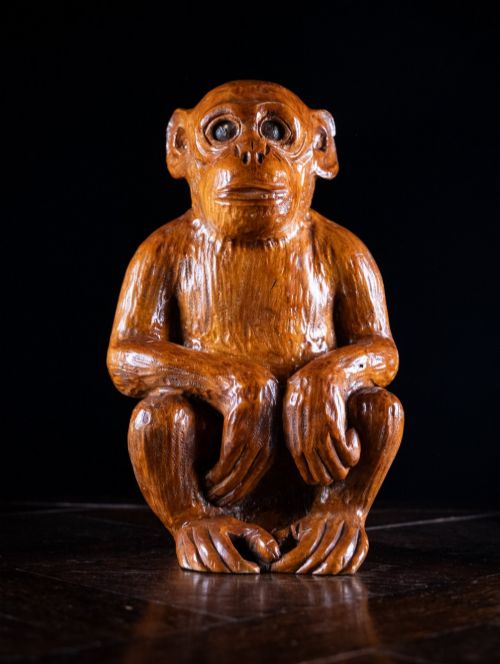
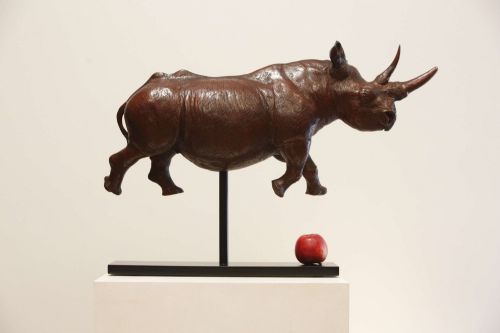
Wooden Carving Statues
These wooden carving statues span centuries of regional workshops, bringing traditional figures, animals and architectural fragments into the home.
Wooden Carving Statues
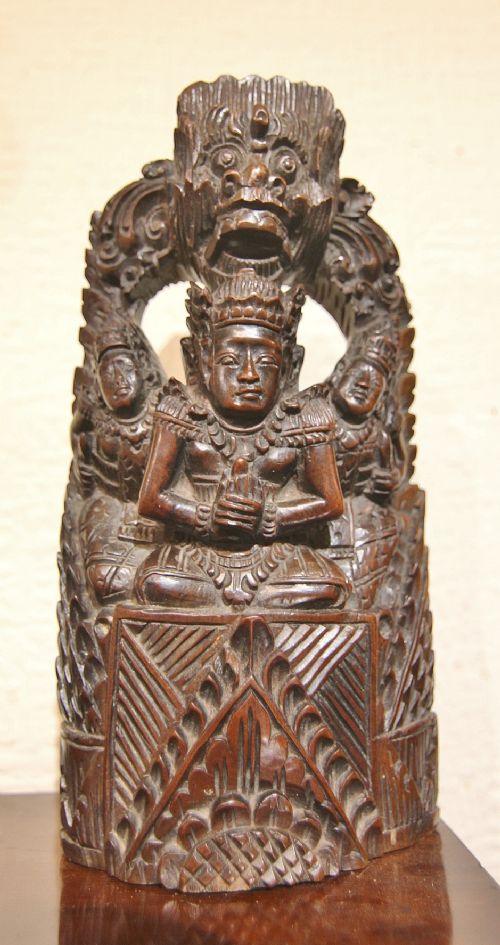
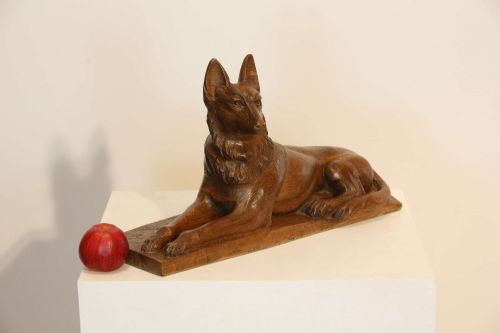
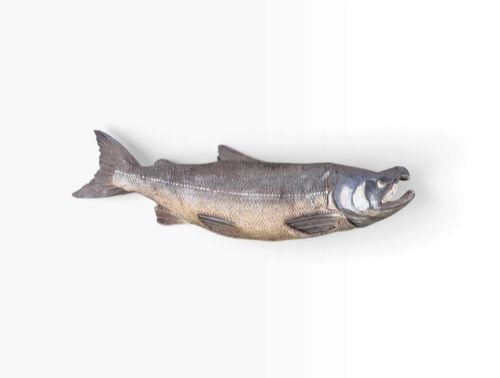
Wooden carving statues encompass figurative sculptures, religious fragments, animal studies and architectural ornaments produced across Europe and Asia. Buyers encounter everything from small Black Forest bears and Japanese okimono to life-size continental figures and temple guardians.
The selection ranges from sixteenth-century oak devotional panels and seventeenth-century saints to nineteenth-century Black Forest animal groups and twentieth-century decorative bookends. Continental European workshops and East Asian carvers dominate the origin points of these pieces.
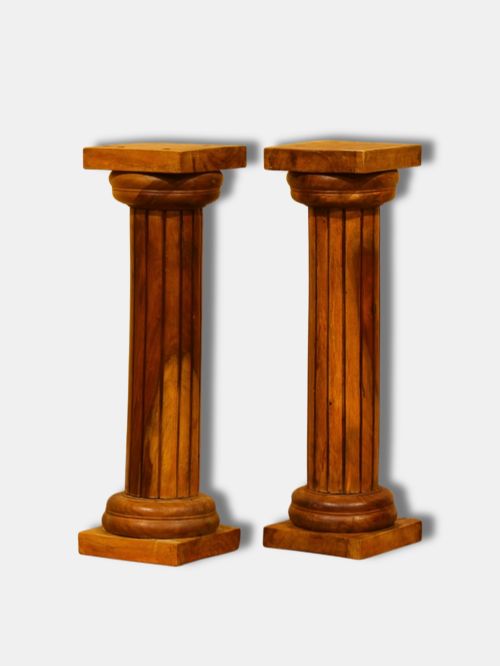
Statues and sculptures appear alongside utilitarian forms like match holders, pedestals and lamp bases, showing how carved wood served decorative and functional roles in domestic interiors.
How they were made
Carvers shaped these pieces from timber such as lime wood, walnut, oak, cedar and tropical hardwoods using specialised gouges and chisels. The choice of wood dictated the level of detail achievable, with fine-grained timbers allowing intricate fur and facial expressions.
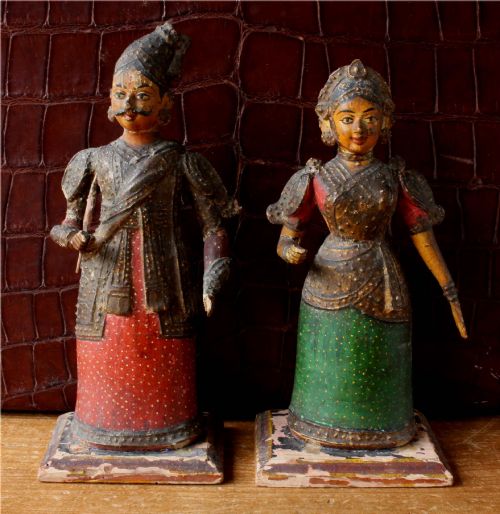
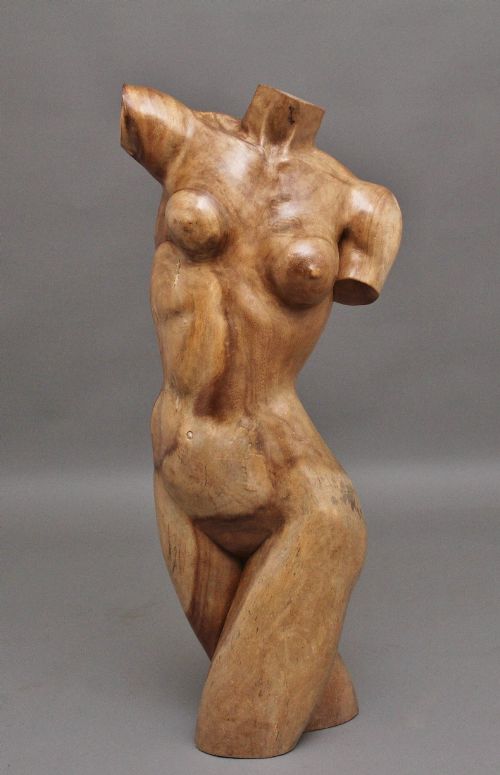
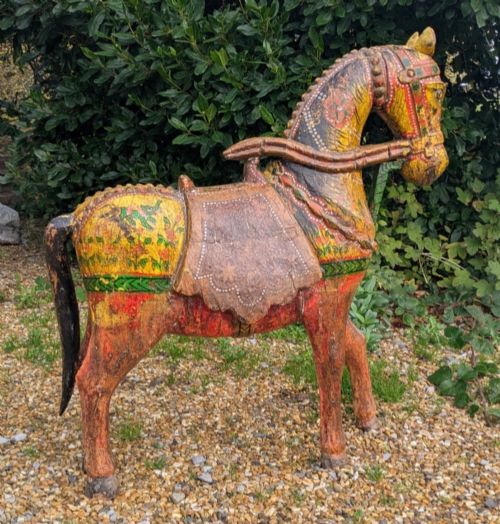
Many European and Asian figures received surface treatments including polychrome paint, gesso preparation, and accents of gold leaf. Others relied on the natural grain of hard and soft woods left unpainted or waxed to a warm sheen.
Wooden Carving Statues Retail Price Guide 2026
Typical asking prices for wooden carving statues among the pieces listed under this phrase on Sellingantiques today, from the lower quarter to the upper quarter. They describe what is for sale here now, not the wider market.
Listings feature woods ranging from indigenous European oak and lime to imported rosewood and cedar.
What varies in quality
The distinction between standard decorative work and superior carving lies in the anatomy, depth of undercut, and control of proportion. Master carvers achieved convincing weight in drapery and lifelike posture in animal studies, whereas lesser pieces remain stiff and summary.
Conservation history and original surface integrity also separate examples. Pieces retaining untouched early polychrome paint or patinated bare wood command greater interest than those stripped or heavily restored in later centuries.
Valentino Besarel·Shuho Nakahara·J Huggler
The Wooden Carving Statues Glossary
- Polychrome
- Painted in several colours, a technique common on European religious figures and architectural wood carvings to simulate life. This decoration often shows craquelure and wear consistent with age.
- Black Forest
- A nineteenth-century style originating in Switzerland and Germany, known for realistic animal carvings such as bears, eagles and owls. These pieces frequently utilise linden wood or walnut.
- Okimono
- A Japanese decorative carving intended for display on a shelf or in a tokonoma alcove. These figures often depict animals, fishermen or mythical subjects in fine detail.
- Gesso
- A plaster-like mixture applied to wood surfaces as a smooth base for gilding or paint. It provides the foundation for polychrome decoration on continental figures.
- Linden wood
- A pale, close-grained timber favoured by European carvers for its softness and lack of prominent grain. This wood allows for sharp undercut details without splitting.
Wooden Carving Statues: Frequently Asked Questions
How do I clean an antique wooden carving?
Dust gently with a soft, dry brush and avoid liquid cleaners or polish that can darken bare timber or lift delicate paint.
For waxed surfaces, a very light application of microcrystalline wax can protect the grain when applied sparingly.
Are these statues suitable for display outdoors?
Most antique carved wood pieces were created for interior use and lack weatherproof treatments.
Fluctuations in temperature and humidity outdoors will cause timber to split, warp, and painted surfaces to flake.
How can I tell the difference between European and Asian carvings?
European pieces often reflect Christian iconography, classical mythology or Alpine fauna such as bears and stags.
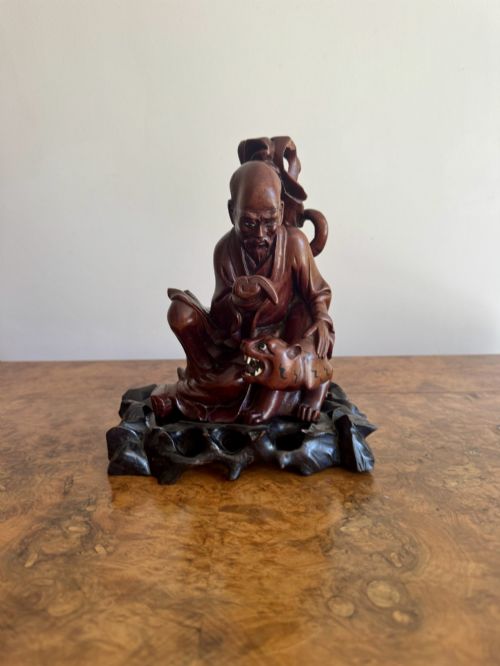
Asian carvings frequently feature Buddhist or Daoist deities, guardian figures, or traditional regional motifs executed in dense hardwoods.
Why do some wooden figures show cracks?
Wood is a natural material that expands and contracts in response to changes in ambient humidity within the home.
Stable indoor conditions help prevent further movement, while minor splits are a normal characteristic of aged timber.