



Wooden Box Mirror
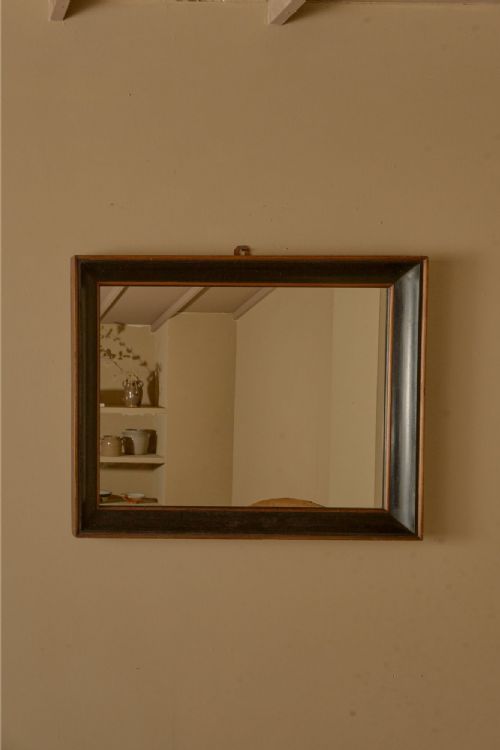
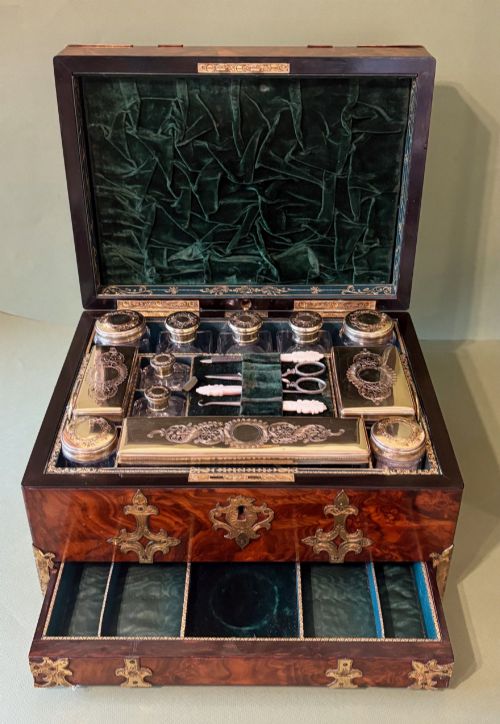
A wooden box mirror provides a compact, portable surface for reflection while concealing small drawers and compartments for personal items.
Wooden Box Mirror
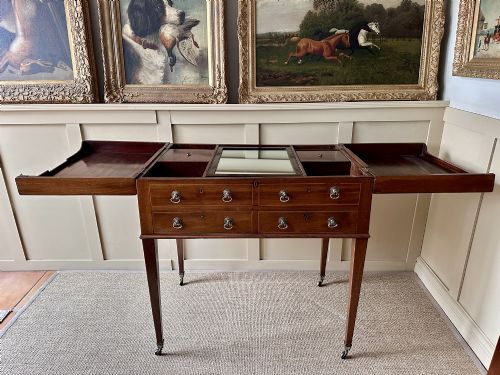
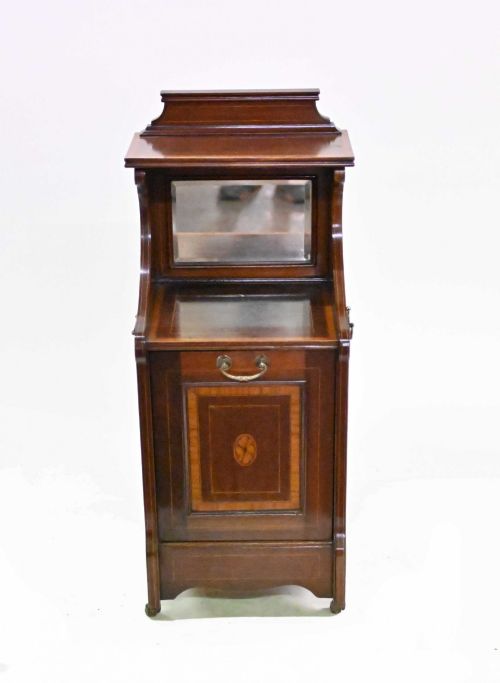
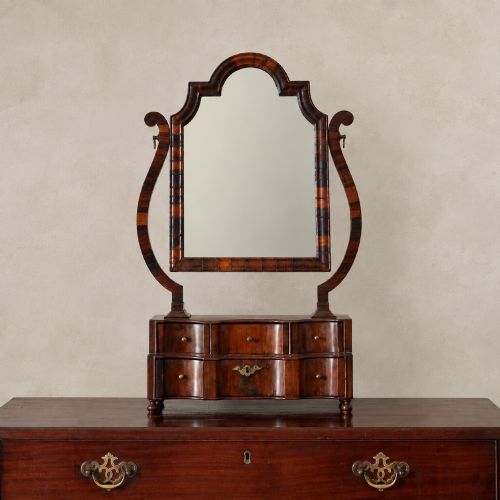
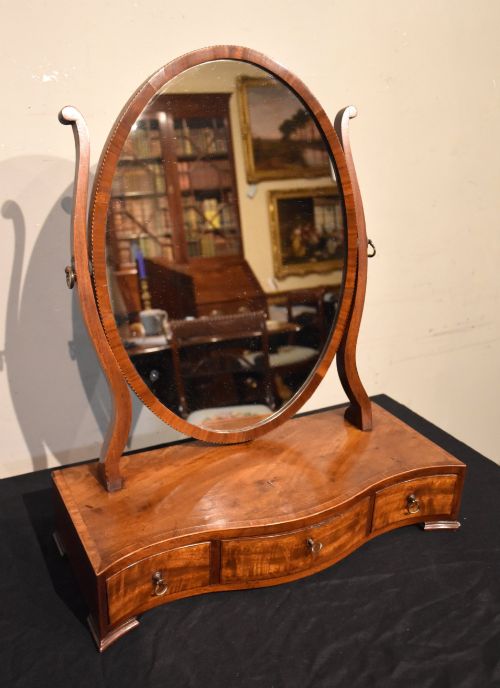
The wooden box mirror sits atop a chest or dressing table, featuring an adjustable pivoting glass plate mounted above a small pedestal base or drawer box. When looking for a wooden box mirror, buyers encounter numerous examples dating from the 18th century through to the Edwardian period.
These pieces serve as functional dressing accessories, combining a mirror plate with enclosed storage space for jewellery and grooming equipment. The form transitions from simple Queen Anne and George III walnut designs to elaborate serpentine mahogany variations of the later Georgian era.
Makers constructed these mirrors in various timbers including mahogany, walnut, and oak, often incorporating boxwood stringing, brass fittings, and fitted internal compartments. Such items reflect the domestic habits of past centuries, when personal grooming took place in bedrooms using portable table mirrors.
Materials and Construction
Cabinetmakers constructed the main body using dense hardwoods such as mahogany and walnut, frequently selecting figured veneers for the drawer fronts and plinths. These timbers provide structural stability while offering rich grain patterns that respond well to traditional polishing techniques.
The pivoting mirror frames connect to upright support arms using brass screw caps and hinges, allowing the glass to tilt at the required angle. Artisans often integrated miniature drawers into the base block, utilising dovetailed joints to ensure durability through daily use.
Wooden Box Mirror Retail Price Guide 2026
Typical asking prices for wooden box mirror among the pieces listed under this phrase on Sellingantiques today, from the lower quarter to the upper quarter. They describe what is for sale here now, not the wider market.
Some travel variants folded flat into compact wooden boxes so gentlemen and ladies could take their reflections on the road.
Judging Quality and Execution
Superior examples display carefully matched wood veneers across the drawer fronts and box body, showing deliberate attention to grain pattern continuity. Finer pieces incorporate subtle serpentine shaping to the base and refined brasswork on the support arms rather than plain, unadorned mounts.
The weight and clarity of the mirror glass contribute significantly to the overall merit of the object, alongside the tightness of the joinery in the base drawers. Well-executed pieces maintain proportional balance between the pivoting frame and the storage box beneath.
The Wooden Box Mirror Glossary
- Toilet mirror
- A small mirror designed to stand on a dressing table or chest, typically incorporating a set of small drawers in the base.
- Serpentine
- A curved shape featuring a convex centre flanked by concave sides, frequently seen on the fronts of Georgian dressing mirrors.
- Stringing
- A thin inlay of contrasting wood used to outline drawers, panels, and borders on cabinet furniture.
- Pivoting frame
- The hinged mounting system that holds the mirror plate between two upright arms, allowing the angle of reflection to change.
- Plinth
- The solid base block upon which the upright supports and mirror frame rest.
Wooden Box Mirror: Frequently Asked Questions
What is a wooden box mirror?
A wooden box mirror is a tabletop dressing accessory consisting of an adjustable glass plate mounted on a small cabinet base containing drawers.
These pieces provide both a reflective surface and storage for small personal items like jewellery and grooming tools.
How do I date a wooden box mirror?
Dating relies on timber selection, hardware, and structural traits such as dovetail construction in the base drawers.
Walnut and plain proportions generally point to 18th-century pieces, while mahogany serpentine shapes often suggest the Georgian period.
Where were these mirrors placed?
They were designed to sit atop dressing tables, chests of drawers, or sideboards in bedrooms and dressing rooms.
Because they are portable, users could move them to catch the best natural daylight near a window.
What woods were commonly used?
Cabinetmakers utilised dense hardwoods including mahogany, walnut, and oak for the main body and drawer structures.
Finer examples frequently feature decorative veneers and contrasting stringing to enhance the visual appeal of the box base.