



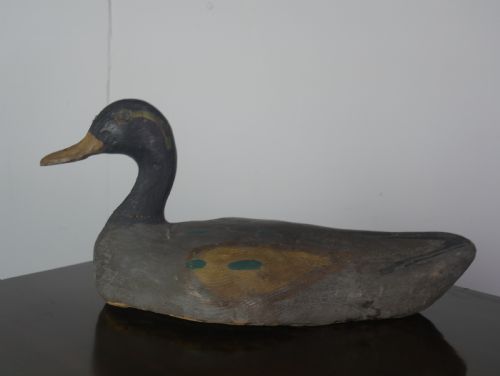


Wooden Bird Sculpture
A wooden bird sculpture brings character to a room, offering the appeal of carved form and natural texture.
Wooden Bird Sculpture
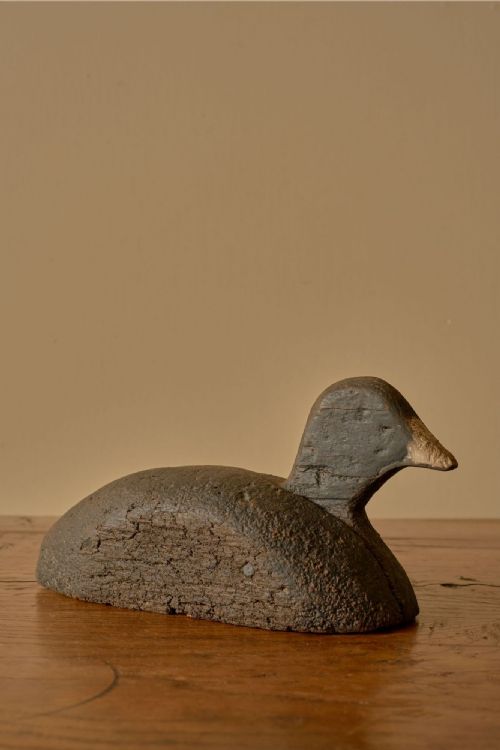
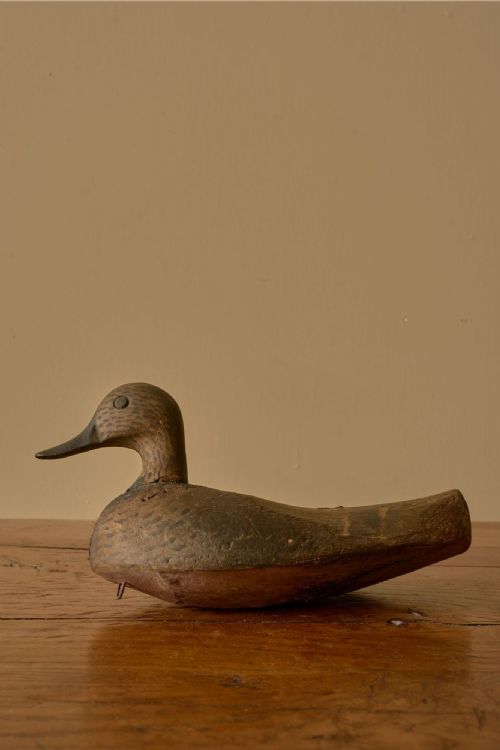
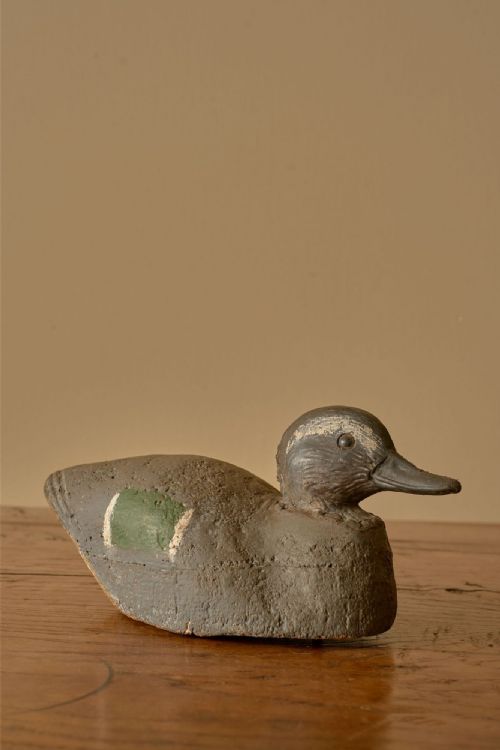
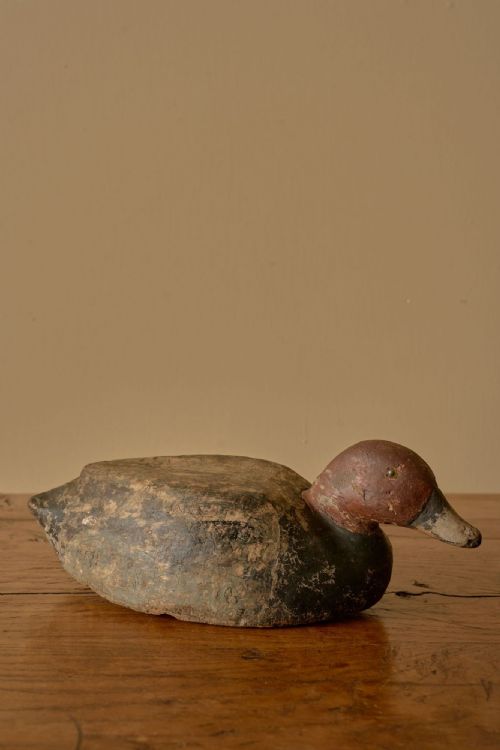
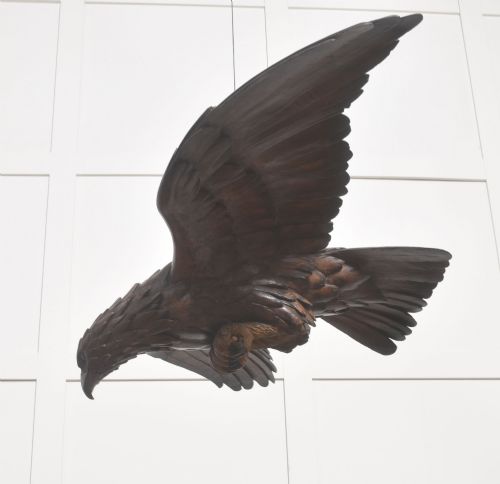
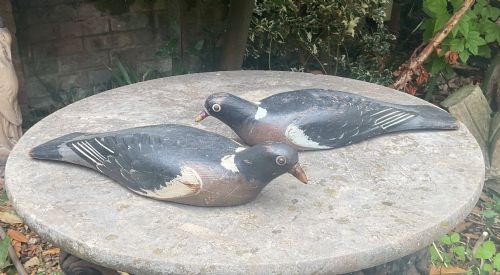
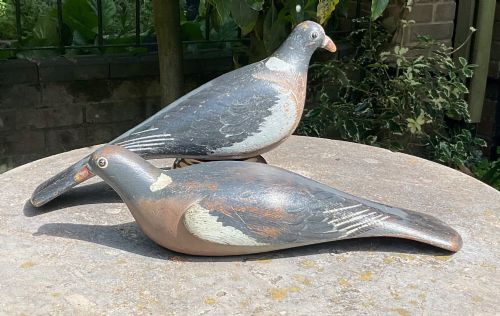
A wooden bird sculpture spans utilitarian working items and decorative carvings from various periods. Buyers searching for a wooden bird sculpture encounter domestic work like decoy ducks and pigeons alongside continental Black Forest carvings and folk art representations of parrots, herons, and eagles.
The selection ranges from early nineteenth-century country house pieces to early twentieth-century Edwardian examples. Working decoys sit alongside carved plaques of pheasants and freestanding sculptures mounted on brass stands.
Origin and style vary widely, encompassing English, French, and Scandinavian country traditions alongside Ming style and oriental influences. The dominant form on this page is the carved and painted decoy used originally in shooting and now prized as decorative folk art.
How they were made
Carvers shaped these figures primarily from solid timber and pine, often applying surface paint to render plumage and markings. Artisans utilised simple hand tools to block out the naturalistic or stylised forms of ducks, pigeons, and larger raptors.
Many examples incorporate secondary elements such as glass eyes, metal stands, or carved gesso details. Black Forest pieces demonstrate deep relief work in walnut and oak, achieving texture through careful chisel marks and penwork.
Wooden Bird Sculpture Retail Price Guide 2026
Typical asking prices for wooden bird sculpture among the pieces listed under this phrase on Sellingantiques today, from the lower quarter to the upper quarter. They describe what is for sale here now, not the wider market.
A stoic wooden heron stands ready to spear imaginary fish from a quiet hallway corner.
What varies in quality
Quality rests in the vigour of the carving and the preservation of original painted surfaces. A strong silhouette and confident tool work distinguish a master's hand from a routine workshop production.
The integrity of the surface skin, whether aged paint or polished wood, determines the visual weight of the piece. Retained original pigment on working decoys elevates the object above stripped or heavily restored examples.
The Wooden Bird Sculpture Glossary
- Decoy
- A carved and painted likeness of a bird utilised to attract wildfowl. These working objects form a major category of folk art sculpture.
- Black Forest carving
- European wood sculpture characterised by naturalistic renderings of animals and foliage, originating in the nineteenth century. These pieces often feature deep relief or freestanding figures of eagles, hawks, and game birds.
- Folk art
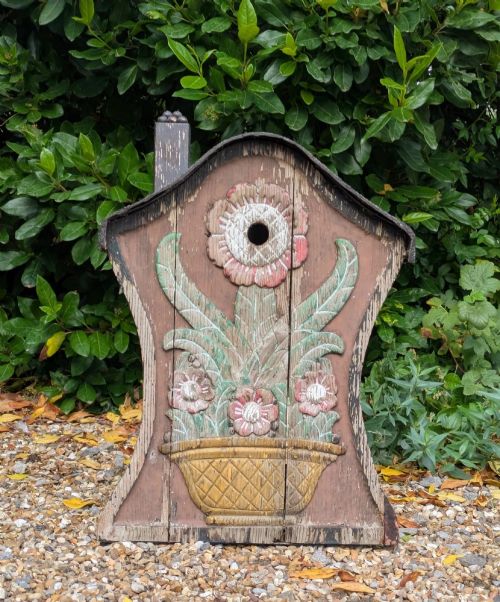
- Utilitarian or decorative items made by self-taught or rural artisans. This category embraces regional decoy ducks and rustic bird boxes.
- Gesso
- A plaster-like mixture applied to wood surfaces to prepare them for painting or gilding. It provides a smooth ground for fine decorative detail.
- Chinoiserie
- European artistic style reflecting Chinese motifs and techniques. It appears on carved wood sculptures with oriental influences.
Wooden Bird Sculpture: Frequently Asked Questions
What is a wooden bird sculpture?
A wooden bird sculpture is a carved representation of an avian subject, ranging from working duck decoys to decorative eagles and parrots.
These pieces reflect the craftsmanship of specific periods, utilising carved timber, paint, and metal components.
How were decoy ducks used?
Decoys were placed on water or shores by hunters to attract live birds within range during shooting expeditions.
Over time, these functional objects transitioned into decorative folk art displayed in domestic interiors.
How do I identify Black Forest carvings?
Black Forest carvings are typically rendered in walnut or other dark woods, depicting realistic animals, birds, and natural scenery.
They exhibit deep, skilled carving and frequently take the form of wall plaques, eagles, or hunting trophies.
Are these sculptures painted?
Many wooden birds retain original hand-painted surfaces that denote their period and working use.
Others display natural polished timber finishes, tiger oak, or gilt-wood treatments depending on their regional origin.