

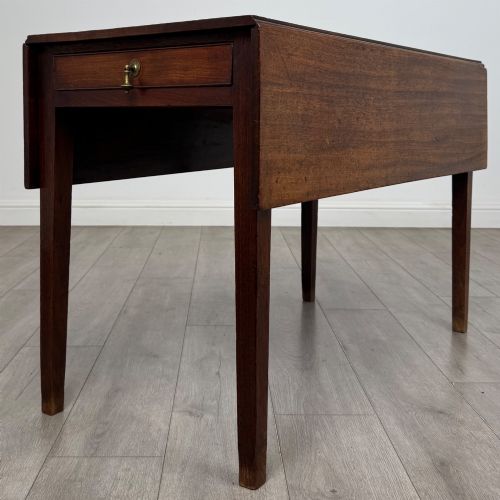
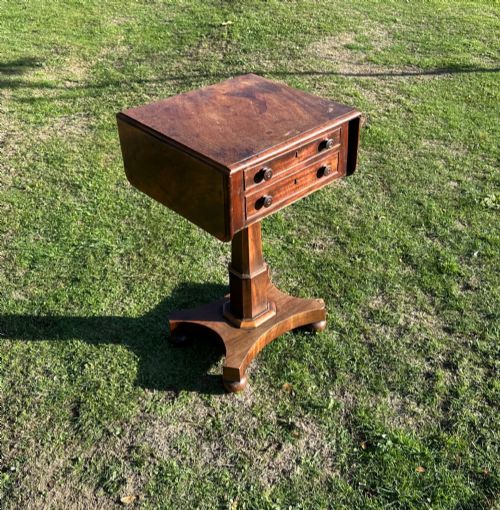
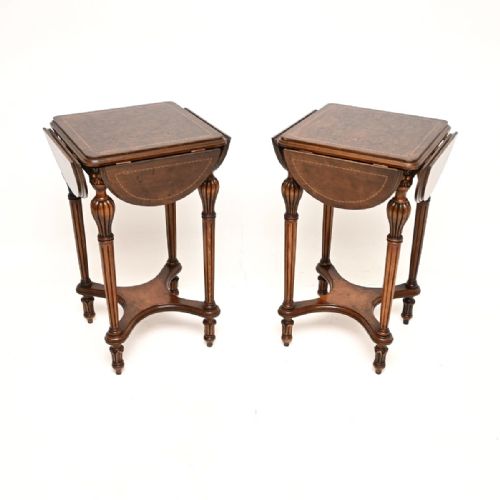
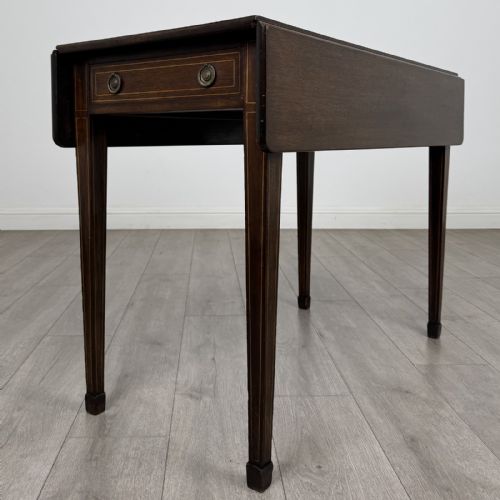
Wood Pembroke Table
A wood pembroke table brings practical drop leaves and compact form into daily use.
Wood Pembroke Table
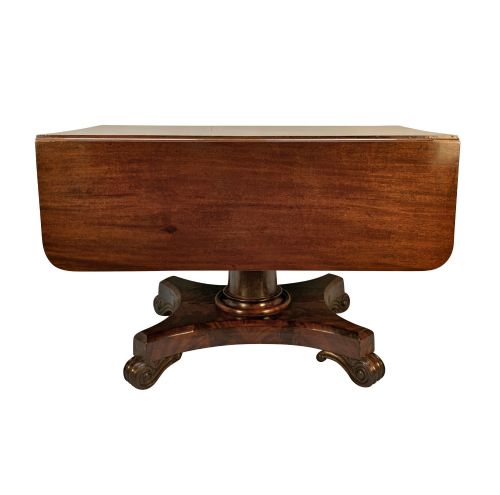
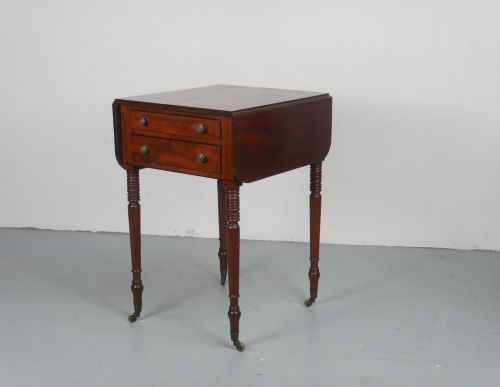
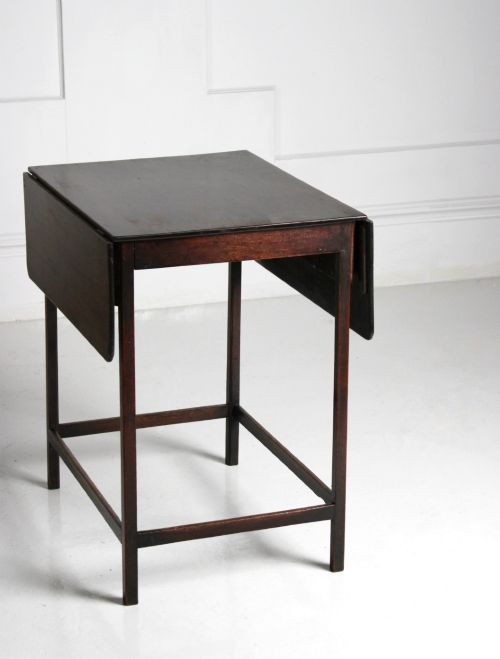
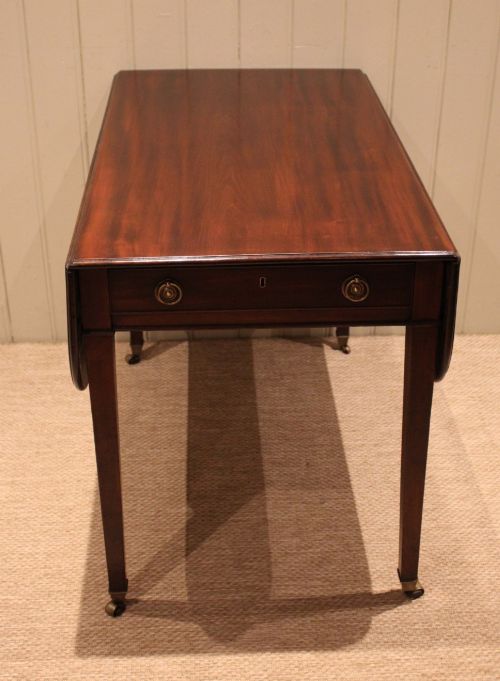
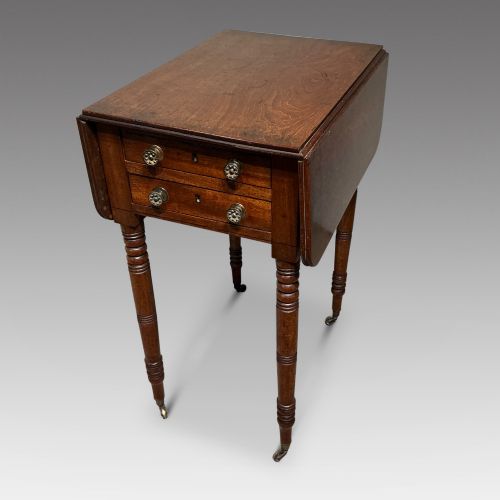
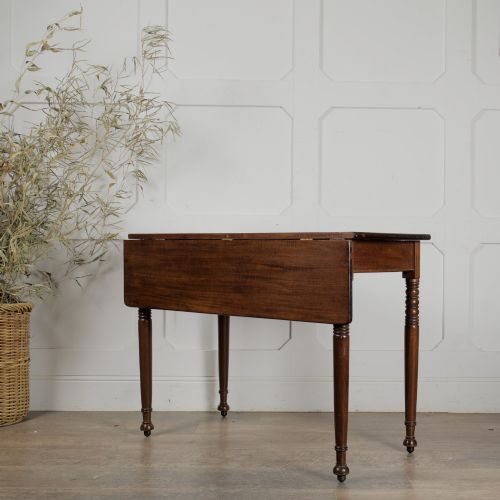
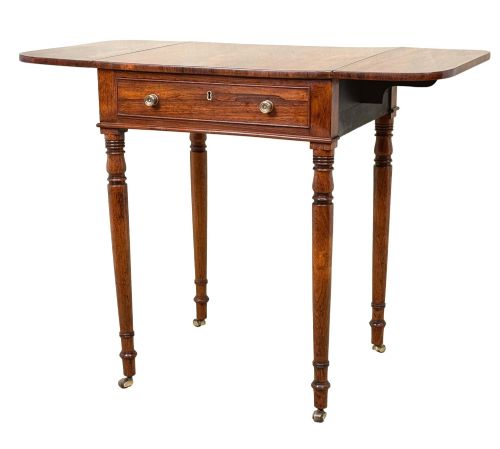
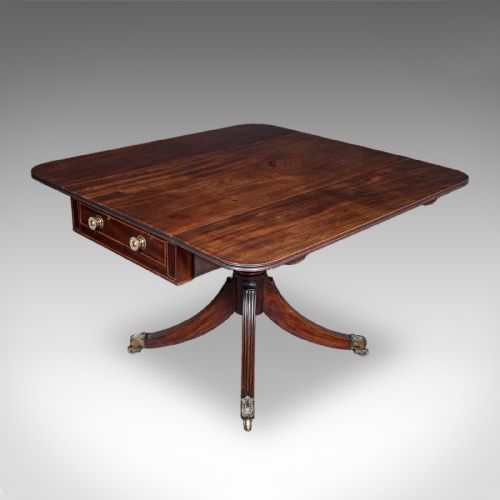
A wood pembroke table is a versatile drop leaf design featuring hinged flaps on two opposing sides, allowing the footprint to expand or contract as space requires. When you search this phrase, you encounter pieces intended for occasional dining, writing, or bedside use.
The versions most common on this page date from the Georgian, Regency, and Victorian periods, constructed predominantly in mahogany with occasional examples in rosewood, walnut, and satin birch. These tables frequently incorporate single drawers and rest upon four legs supported by castors.
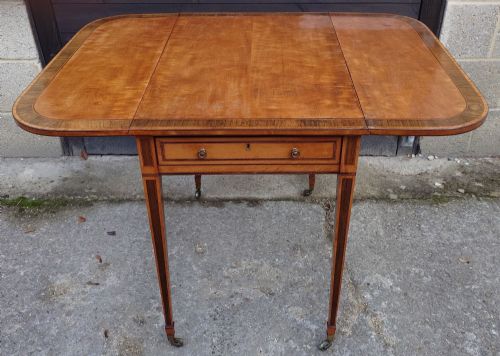
Originating in the eighteenth century, the form balances rigid central support with operable flaps, creating a flexible surface suited to smaller rooms. Examples range from plain everyday versions in solid timber to elaborate inlaid models bearing satinwood or boxwood details.
How they were made
Cabinet makers utilised dense hardwoods such as mahogany and rosewood for structural stability and fine grain quality, often selecting flame or figured veneers for visible surfaces. Crossbanding in woods like partridge wood or boxwood provided decorative borders around the primary top.
Joinery techniques relied on dovetailed drawers and sturdy framing to support the pivoting brackets, known as fly brackets or rule joints, which hold the drop leaves level when raised. Brass castors and brass inlay were frequently integrated to assist mobility and enhance the finished appearance.
Wood Pembroke Table Retail Price Guide 2026
Typical asking prices for wood pembroke table among the pieces listed under this phrase on Sellingantiques today, from the lower quarter to the upper quarter. They describe what is for sale here now, not the wider market.
Some tables hide tiny velvet-lined compartments meant for secrets, proving our ancestors loved a good hiding spot as much as we do.
What varies in quality
Quality rests upon the selection of timber figures, such as fiddleback sycamore or flame mahogany, and the precision of string inlay or marquetry. Superior pieces exhibit carefully matched grains across the flaps and top, whereas simpler items utilise plain solid timber.
The execution of the drop leaf mechanism and the integration of fitted drawers determine structural excellence. Finer examples maintain smooth operation in their hinged flaps and tight joinery at the corners, reflecting skilled workshop production.
Johnstone and Jeanes·Gillows
The Wood Pembroke Table Glossary
- Drop leaf
- A table top with hinged flaps on one or more sides that fold down to save space.
- Crossbanding
- A strip of veneer applied to the edge of a table top with the grain running perpendicular to the central surface.
- Satinwood
- A pale, highly reflective timber utilised for decorative stringing, banding, and marquetry details.
- Secretaire
- A fitted writing drawer containing small compartments and pigeonholes behind a drop-front panel.
- Rule joint
- A specialised moulding joint connecting a table top to its drop leaf, leaving no gap when the leaf is raised.
Wood Pembroke Table: Frequently Asked Questions
How were pembroke tables originally used?
These tables served multiple functions in domestic interiors, operating as writing desks, breakfast tables, or side tables against parlour walls. Their expandable leaves allowed servants to adjust surface areas quickly for card games or tea service.
In bedrooms and studies, smaller versions functioned as work tables with fitted drawers for sewing supplies and documents. Their mobility on castors meant they moved easily about the room according to the daylight.
How do I identify a Georgian wood pembroke table?
Georgian examples typically display clean architectural lines, slender tapered or square legs, and restrained use of mahogany or satinwood inlay. Drawer linings often utilise secondary woods like oak or pine with hand-cut dovetails.
Older pieces generally feel lighter in construction than later Victorian iterations and may feature subtle patination built up over centuries of polishing. Hardware such as brass drop handles aligns with eighteenth-century manufacturing practices.
Where should I place a wood pembroke table at home?
A pembroke table fits well behind a sofa, beside a reading chair, or against a hallway wall with both leaves dropped. Raising one or both leaves transforms the piece into an impromptu dining surface for small spaces.
Their finished backs and freestanding forms allow them to sit in the centre of a room rather than strictly against perimeter walls. The presence of a drawer provides convenient storage for keys, stationery, or small accessories.
What is the difference between a pembroke and a sofa table?
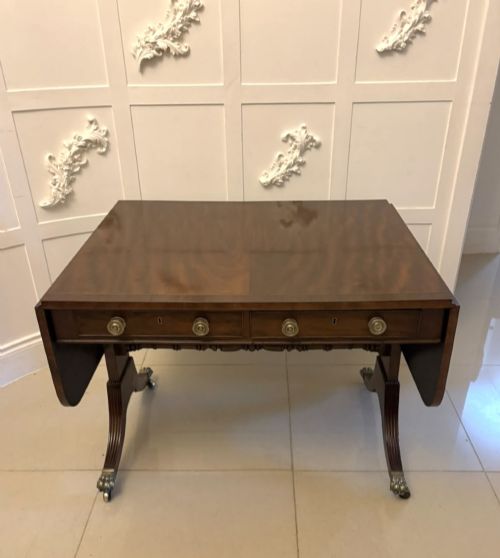
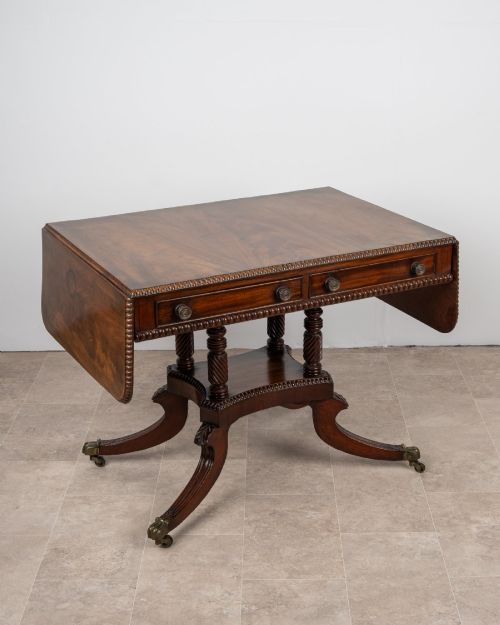
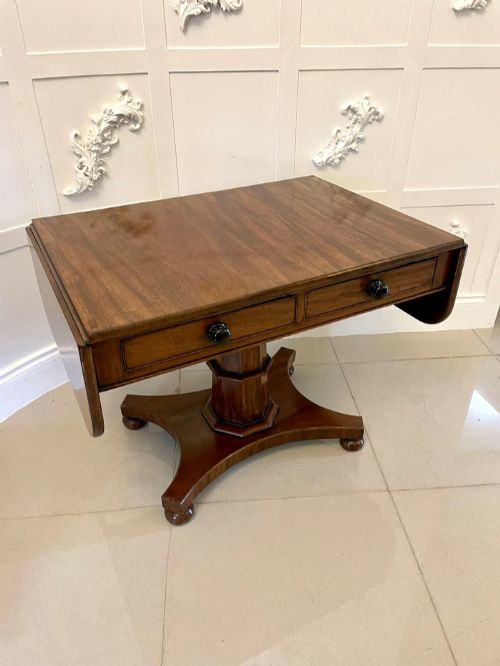
Pembroke tables typically feature two drop leaves of modest width supported by hinged wooden brackets, designed primarily for multi-purpose domestic tasks. Sofa tables are usually longer and narrower, originally intended to stand directly behind a sofa.
While both utilise drop leaves, sofa tables often incorporate trestle ends or dual pillar supports rather than four individual legs. Their proportions reflect their specific placement in nineteenth-century drawing rooms.