

Wood Office Desk
A wood office desk brings historical character to daily work, uniting sturdy timbers with functional storage.
Wood Office Desk
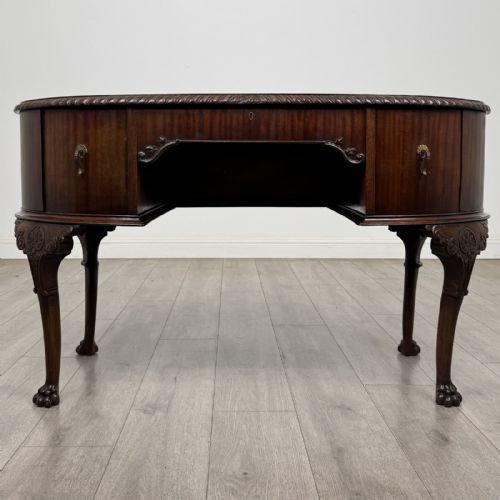
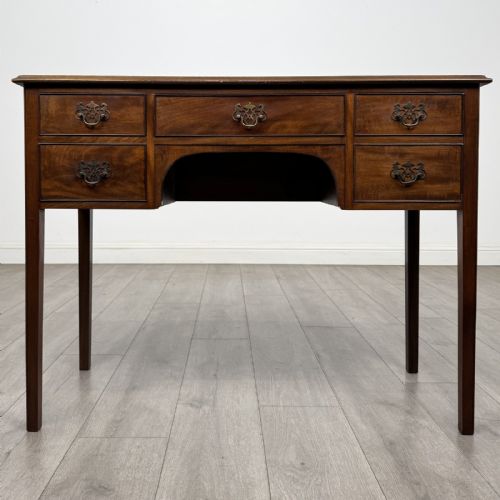
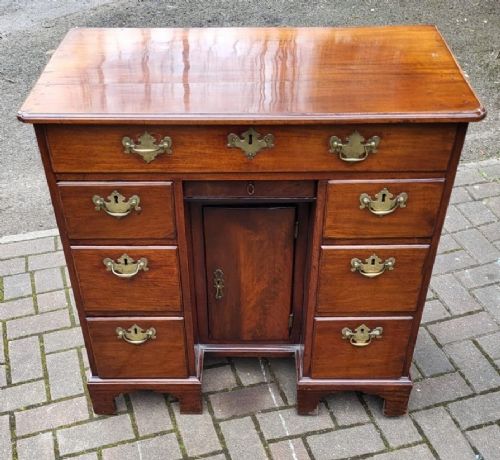
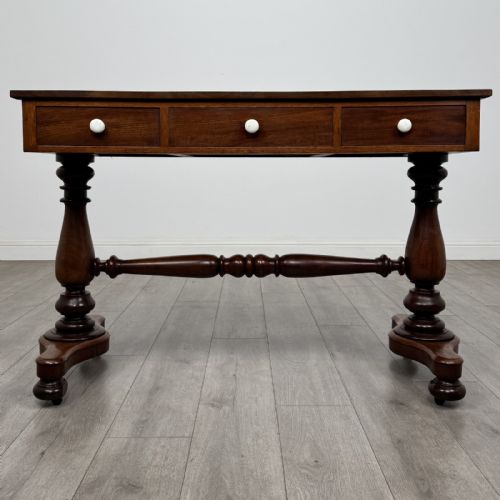
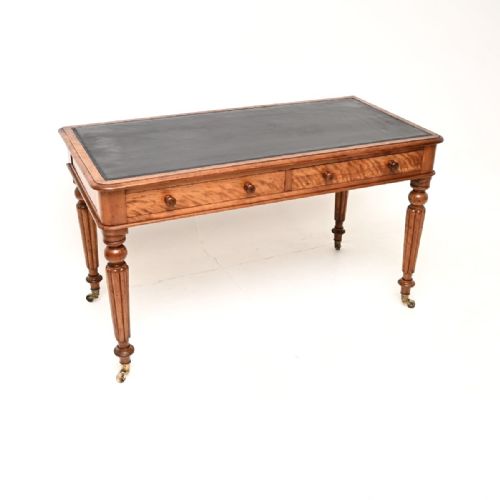
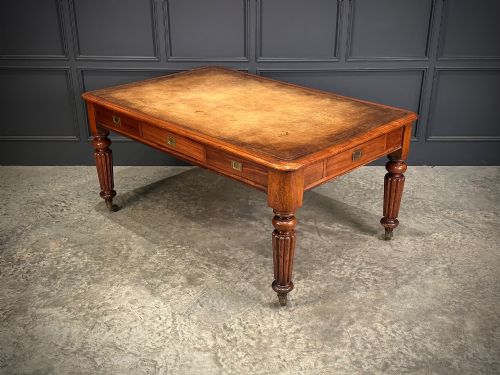
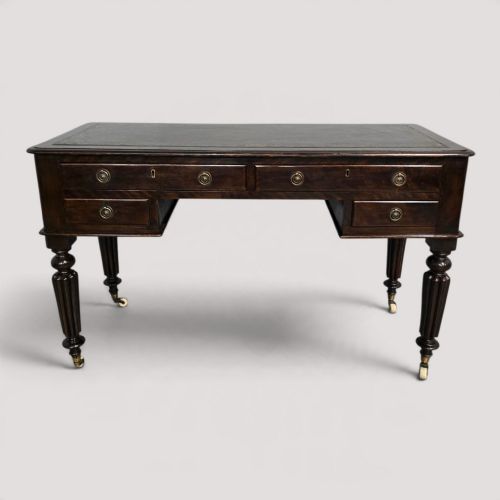
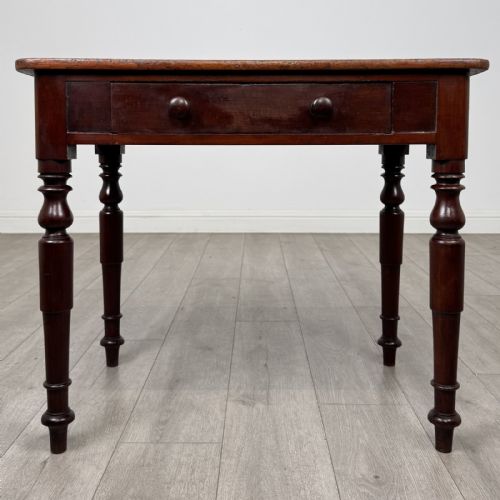
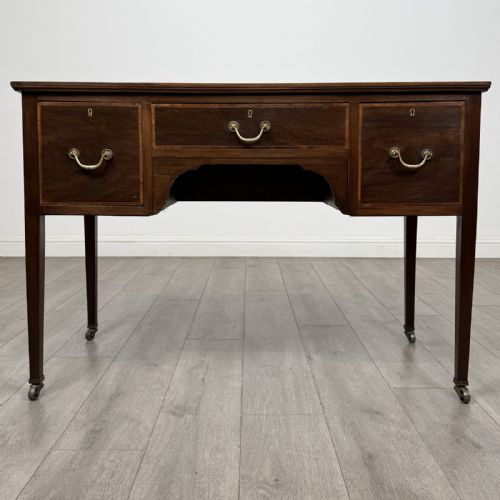
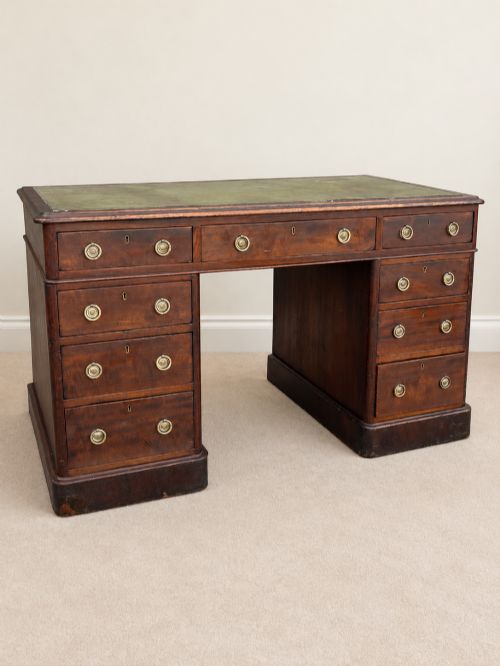
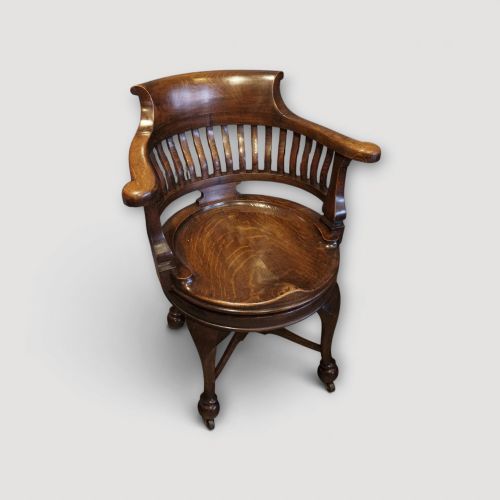
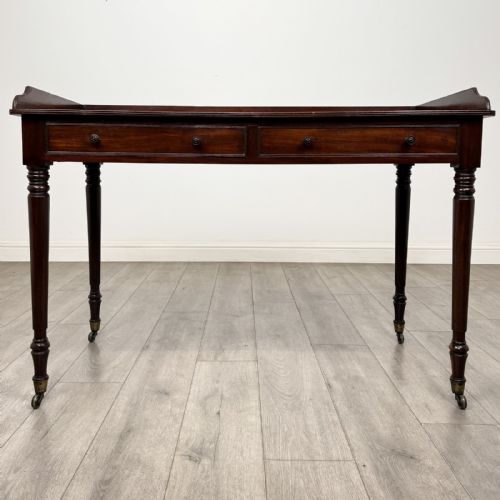
A wood office desk spans multiple eras from Georgian and Victorian periods to Edwardian and Art Deco designs. Buyers encounter writing tables, pedestal desks, partner desks, and revolving chairs designed for study or clerical use.
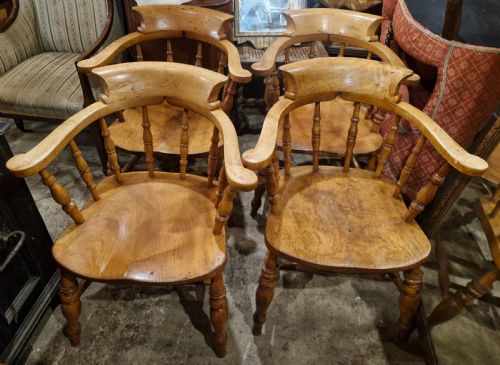
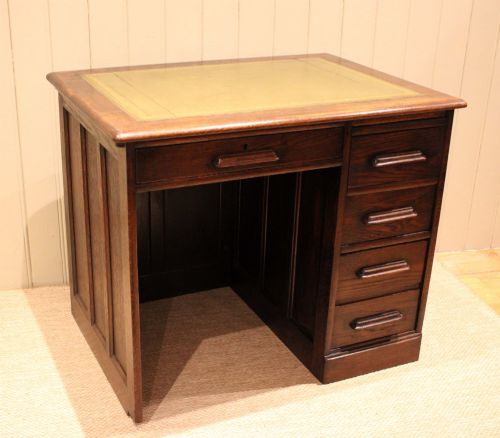
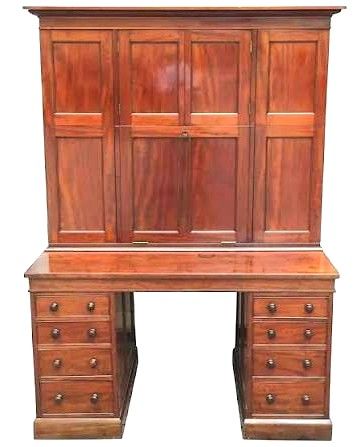
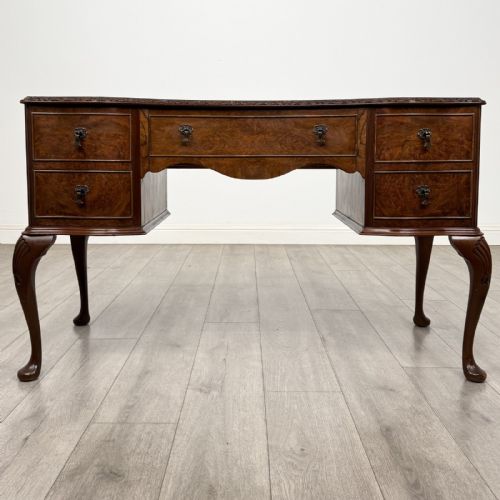
The selections on this page range from compact writing tables to substantial twin pedestal desks and fitted cupboards with pigeonholes. Woods like mahogany, oak, and walnut dominate the offerings alongside elm and ash seating.
Materials and construction
Cabinet makers utilised dense hardwoods such as mahogany, oak, walnut, and elm to build robust writing surfaces and structural frames. Inlaid marquetry, carved pillars, and brass hardware added decorative detail to functional office furniture.
Seating and desks incorporated bentwood, leather inserts, and revolving mechanisms to meet the ergonomic demands of professional spaces. Carpenters joined timbers with traditional joinery to ensure durability across centuries.
Wood Office Desk Retail Price Guide 2026
Typical asking prices for wood office desk among the pieces listed under this phrase on Sellingantiques today, from the lower quarter to the upper quarter. They describe what is for sale here now, not the wider market.
Listings feature woods such as mahogany, oak, walnut, elm, ash, and birdseye maple across Georgian, Victorian, and Edwardian periods.
Judging quality and craftsmanship
Superior pieces display exceptional selection of figured wood grains, such as burr walnut or birdseye maple, matched evenly across primary surfaces. Finely carved mouldings and intact original brass or leather components indicate higher workshop standards.
The integrity of internal pigeonholes, smooth drawer action, and sturdy pedestal joints distinguish better examples from simpler utilitarian furniture. Material pairing, such as beech and elm in captain chairs, reflects purposeful construction.
Trollope & Sons
The Wood Office Desk Glossary
- Pedestal desk
- A heavy writing desk supported by two banks of drawers meeting the floor. These large units provide ample storage flanking a central sitting space.
- Writing table
- A freestanding table with one or more drawers beneath the writing surface. These pieces offer a lighter profile than pedestal variants.
- Partners desk
- A large double-sided desk designed for two people to work opposite one another. Drawers and cupboards are duplicated on both sides.
- Tambour
- A flexible shutter made of narrow wooden slats glued to canvas, sliding in grooves to enclose compartments. This mechanism conceals desk supplies securely.
- Bureaux
- A slant-front desk opening to reveal a fitted interior with small drawers and pigeonholes. The fall front doubles as a writing slope when lowered.
Wood Office Desk: Frequently Asked Questions
How do I identify a partners desk?
A partners desk has drawers and cupboards accessible from both the front and the back. This dual-sided design allows two individuals to sit face to face.
They are larger than standard pedestal desks and were built for offices where colleagues shared workspace. Most surviving examples date to the nineteenth century.
What woods were used for office desks?
Cabinet makers relied primarily on mahogany, oak, and walnut for desks and writing tables. Elm, ash, and beech frequently appeared in desk chairs and captain chairs.
Finer pieces sometimes incorporated exotic veneers like birdseye maple or burr walnut. These varied timbers determined the overall tone and durability of the furniture.
Where should I place a writing table?
A writing table works well freestanding in the centre of a room because the back is finished just like the front. It serves effectively in home offices or libraries.
Ensure you measure the chair clearance beneath the drawers before pairing it with a revolving desk chair. Proper placement highlights the grain of mahogany or oak.