




Wood Marquetry Box
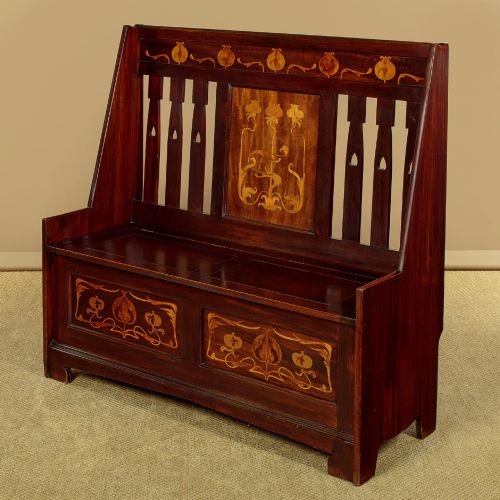
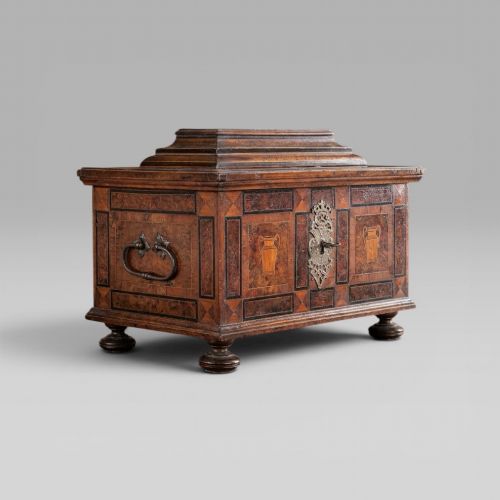
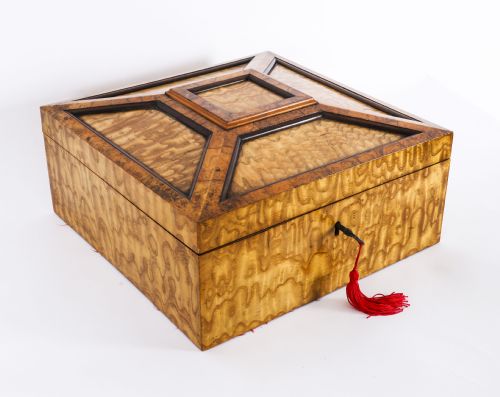
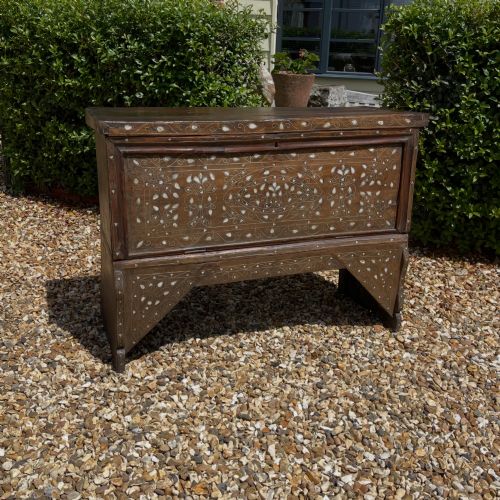
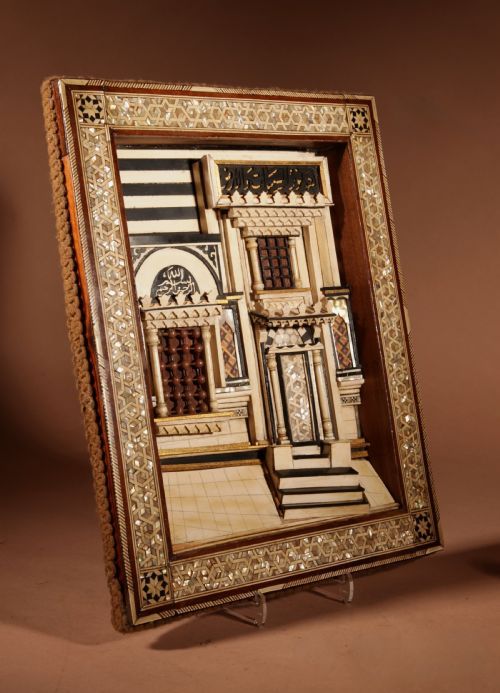
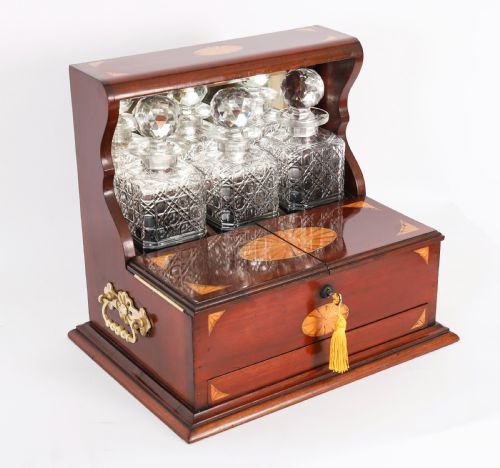
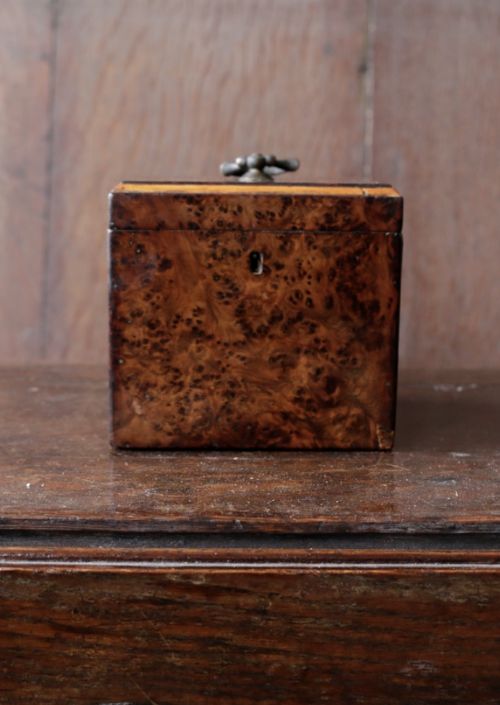
When choosing a wood marquetry box, collectors examine intricate veneered patterns applied to functional vessels spanning the Georgian and Victorian eras.
Wood Marquetry Box
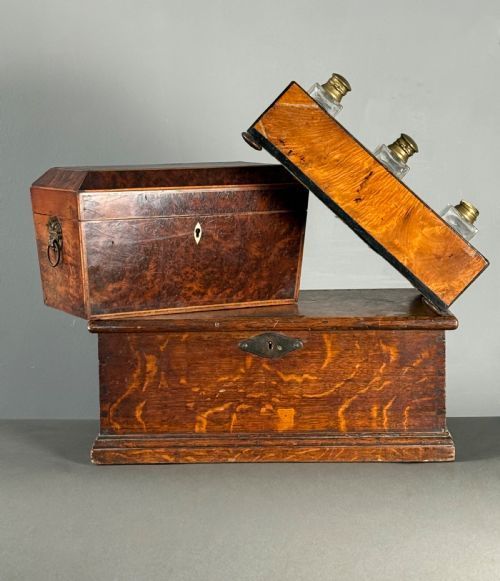
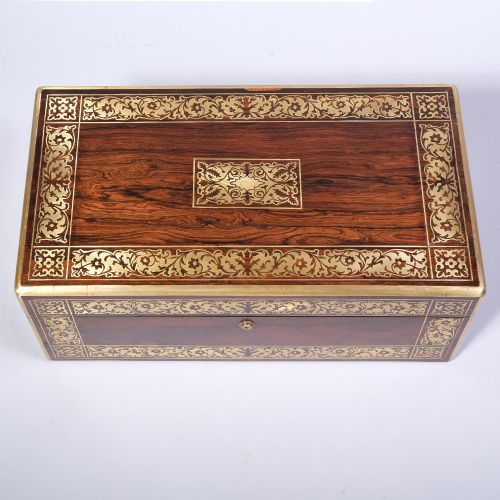
A wood marquetry box serves as a decorative receptacle for keepsakes, stationery, writing implements, or tea leaves. These items reflect centuries of fine cabinetry where skilled artisans applied thin veneers to form pictorial or geometric designs.
Buyers exploring this selection encounter various forms originating from diverse European and global traditions. Tea caddies, jewellery cases, stationery boxes, and tabletop caskets dominate the offerings.
The periods represented stretch from the late eighteenth century through the Victorian age and into the early twentieth century. Examples range from simple geometric Tunbridge ware to elaborate floral Italian Sorrento pieces.
How they were made
Cabinet makers utilised a diverse palette of contrasting timbers to achieve natural shading and colour within the veneer. Rosewood, walnut, mahogany, satinwood, boxwood, and harewood provide the primary background and contrasting elements.
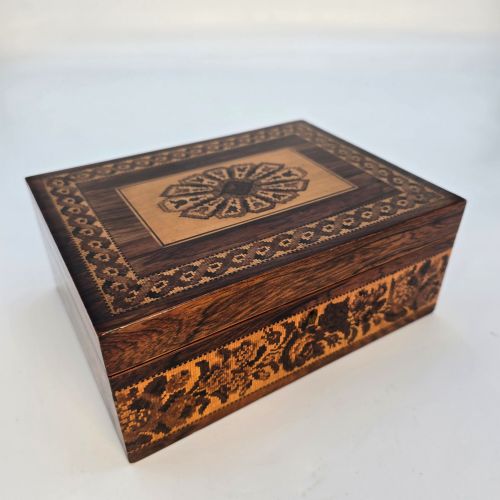
Specialised techniques such as Tunbridge ware involved gluing thousands of tiny tinted wood blocks together to form microscopic mosaic pictures. Artisans then sliced this composite block into multiple identical pattern strips for application onto the carcase.
Listings feature specimen woods, tortoiseshell alternatives, and bone alongside traditional cabinet timbers like walnut and mahogany.
What varies in quality
The sophistication of the veneer cutting and the tightness of the joinery dictate the standing of an individual piece. Superior examples display seamless integration of minute wood segments without visible filler or gaps.
Edmund Nye·Henry Hollamby·James Shoolbred And Co·Langdorff And Fils·Gill And Reigate
The Wood Marquetry Box Glossary
- Marquetry
- The art of applying decorative pieces of veneer to a structural structure to form pictorial designs. This technique differs from simpler inlay by assembling the entire pattern before adhering it.
- Tunbridge Ware
- A specialised type of woodwork characterised by mosaic designs depicting landscapes or geometric motifs. Originating in Kent, makers used local woods to achieve natural colour variations.
- Veneer
- A thin layer of superior wood glued to a base timber carcase. This method allowed craftsmen to display expensive grain patterns economically.
- Caddy
- A small container originally designed for storing tea leaves. These boxes often feature internal compartments and secure locking lids.
- Carcase
- The underlying structural body of a box or piece of furniture before the application of exterior veneers or decorative finishes. It provides the rigid support for the delicate surface artwork.
Wood Marquetry Box: Frequently Asked Questions
What were wood marquetry boxes used for originally?
These vessels functioned as secure containers for valuable commodities, personal correspondence, and precious items. Tea caddies preserved expensive imported leaves, while writing boxes provided a portable slant surface for penning letters.
Interior compartments kept small instruments, inkwells, and documents organised. Their placement on parlour tables also served a purely decorative purpose to demonstrate the owner's refined taste.
How do I care for antique wood marquetry boxes?
Maintaining these items requires stable environmental conditions away from direct sunlight and extreme humidity changes. Sunlight fades delicate dyed veneers, while fluctuating moisture causes the wood carcase to expand and crack.
Dust gently with a soft dry cloth and apply a microcrystalline wax occasionally to nourish the historic polish. Avoid liquid cleaners and modern polishes containing silicone.
How can I tell the difference between Georgian and Victorian boxes?
Georgian examples often favour restrained classical proportions utilising satinwood, harewood, or mahogany with architectural stringing lines. The marquetry tends to focus on classical urns, shells, or subtle floral sprays.
Victorian pieces frequently display denser, darker woods such as rosewood and burr walnut paired with exuberant floral motifs or geometric Tunbridge mosaics. Mass production techniques also became more prevalent as the nineteenth century progressed.
What is the difference between marquetry and inlay?
Marquetry involves assembling a complete picture or pattern from various veneer sheets before gluing the entire composition onto the box surface. The decorative veneer covers the entire carcase background.
Inlay involves carving recesses directly into the solid wood base and inserting contrasting pieces of material into those specific cavities. Marquetry creates a continuous mosaic skin, whereas inlay sits within isolated channels.