



Wood French Bed
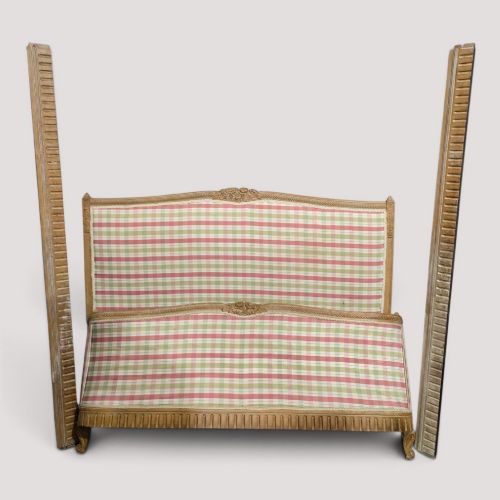
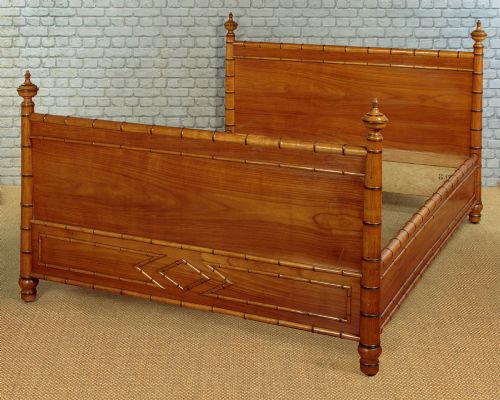
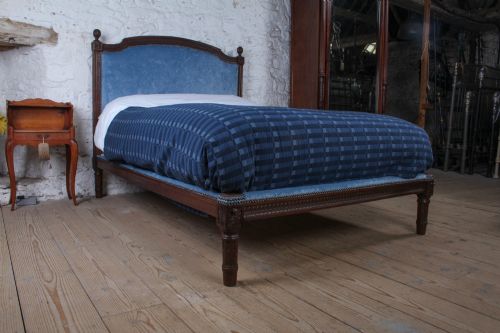
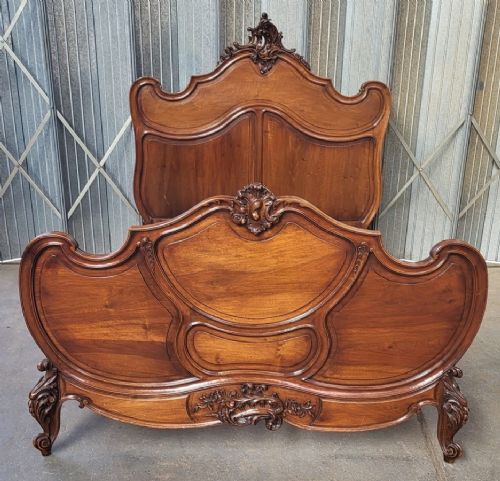
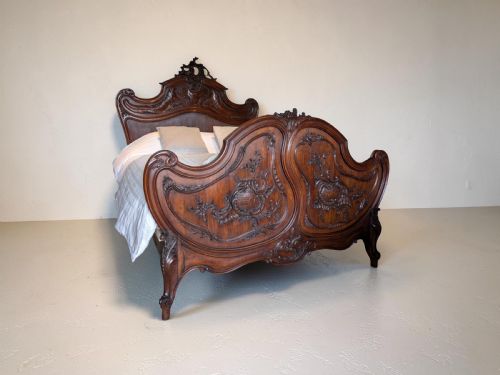
A wood french bed brings continental proportion and carved detail into a bedroom, offering a substantial frame built in walnut, mahogany, or painted finishes.
Wood French Bed
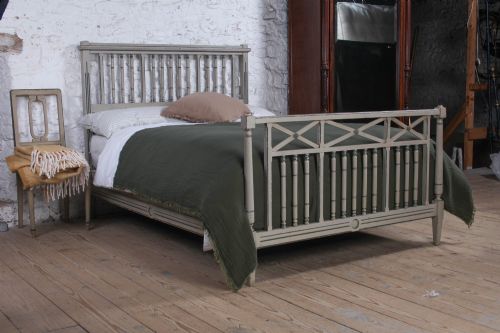
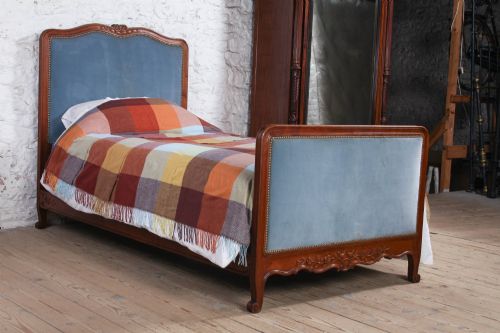
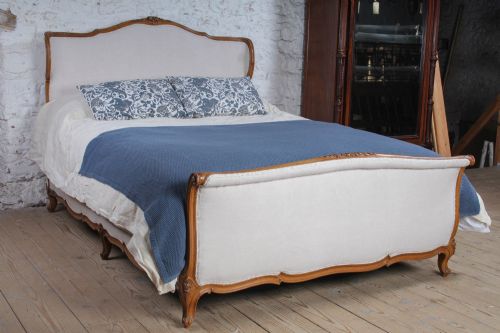
A wood french bed encompasses large sleeping frames and day beds originating from the nineteenth and early twentieth centuries, spanning periods from Victorian work up to the nineteen-thirties. Buyers searching for a wood french bed encounter distinct regional interpretations, including provincial styles, Empire designs, and Louis XV and XVI revivals that rely on curved woodwork and generous proportions.
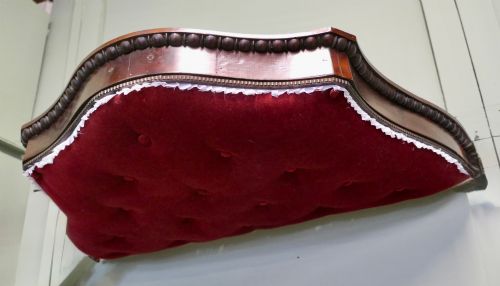
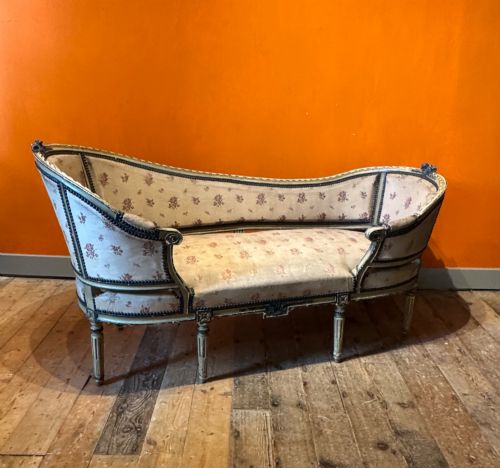
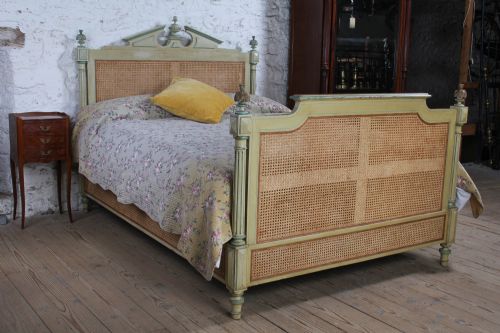
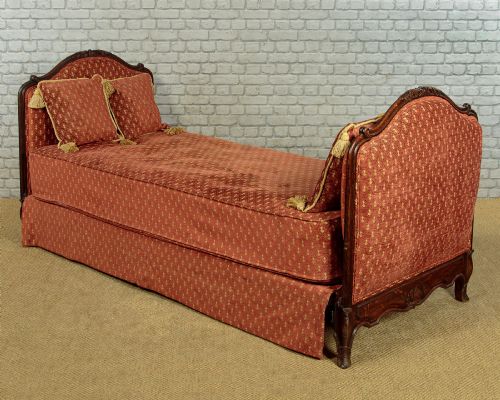
The selection ranges from standard double beds and king-size frames to larger emperor dimensions and single sleeping platforms, accompanied by related seating like chaises longues, day beds, and stools. Painted wood, walnut, oak, and mahogany form the primary structural choices, often paired with textile upholstery, cane panels, or original paint finishes.
Construction and materials
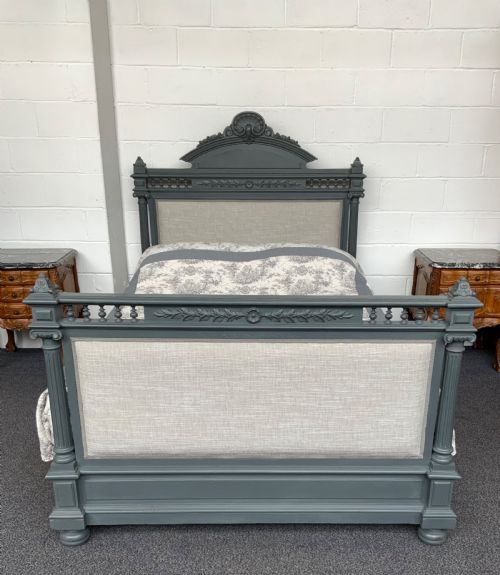
Cabinet makers utilised solid hardwoods such as walnut, mahogany, and oak for structural durability, employing hand carving to shape decorative motifs along the headboards, footboards, and pelmets. Frames frequently combine exposed timber with applied paint, gilt decoration, or limed treatments to achieve distinct regional textures.
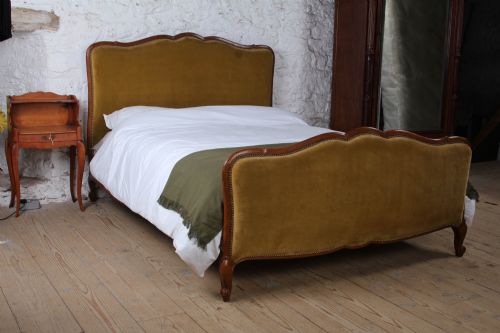
Caning appears across panels to introduce lighter textures into substantial wooden frames, while textile upholstery and fabrics line the padded headboards and day bed backs. Brass detailing and specialised joinery secure the bedstead components, ensuring the heavy timbers remain stable.
Wood French Bed Retail Price Guide 2026
Typical asking prices for wood french bed among the pieces listed under this phrase on Sellingantiques today, from the lower quarter to the upper quarter. They describe what is for sale here now, not the wider market.
Listings span the nineteenth century through the nineteen-thirties, utilising walnut, mahogany, oak, and painted wood.
Judging quality in antique beds
Quality rests upon the crispness of the hand carving and the integrity of the original wood grain beneath painted or polished surfaces. Finer examples display deeply sculpted walnut or mahogany detailing that maintains its sharpness across curved rails and shaped headboards.
The preservation of original painted finishes or authentic cane work distinguishes superior frames from later alterations. Solid structural joinery and balanced proportions between the head and low-end footboards elevate the execution of the piece.
The Wood French Bed Glossary
- Bedstead
- A framework of a bed consisting of headboard, footboard, and side rails designed to support a mattress.
- Cané
- Woven cane or rattan panels integrated into wooden frames to provide decorative ventilation and lighter visual weight.
- Duchesse brisée
- A two or three-part chaise longue combination consisting of a chair and a matching low stool or second chair.
- Pelmet
- A decorative wooden framework mounted above a bed or window to conceal fixtures and frame drapery.
- Sleigh bed
- A bed style featuring curved head and footboards that roll outward in the manner of a classical carriage.
Wood French Bed: Frequently Asked Questions
What sizes are available in these beds?
The inventory includes single frames, double beds, king-size proportions, and larger emperor sizes suited to modern mattresses.
Dimensions vary according to the period and regional style, ranging from compact provincial singles to expansive chateau frames.
How do I identify the design period?
Stylistic markers such as strict neoclassical symmetry indicate Louis XVI inspiration, whereas asymmetric curves point toward Louis XV revivals.
Nineteenth-century pieces often display heavier walnut carving, while early twentieth-century examples favour limed oaks and lighter painted finishes.
Can these beds fit modern mattresses?
Many antique frames require custom mattress sizing or slight adjustments to the internal side rails to accommodate standard contemporary dimensions.
Consulting the internal length and width measurements before purchase ensures proper alignment with modern bases.
Are original paint finishes common?
Original painted and gilt surfaces survive on selected nineteenth and early twentieth-century pieces, showing natural patination over time.
Other frames feature later or renewed paintwork designed to highlight the carved wooden details.