

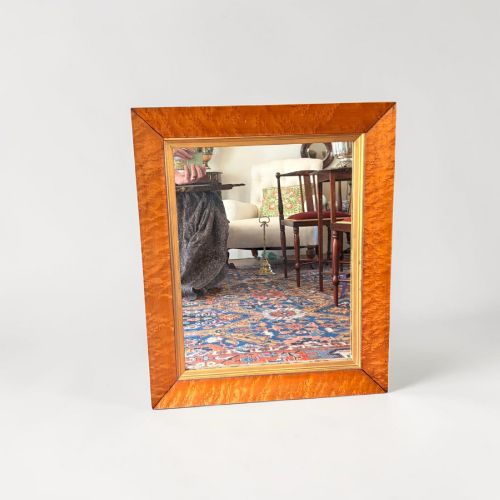
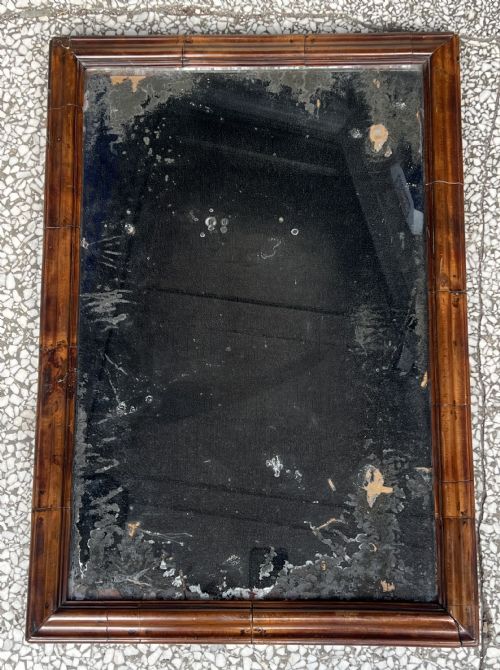

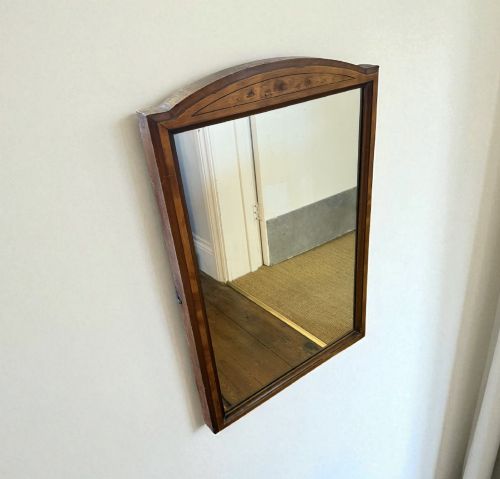
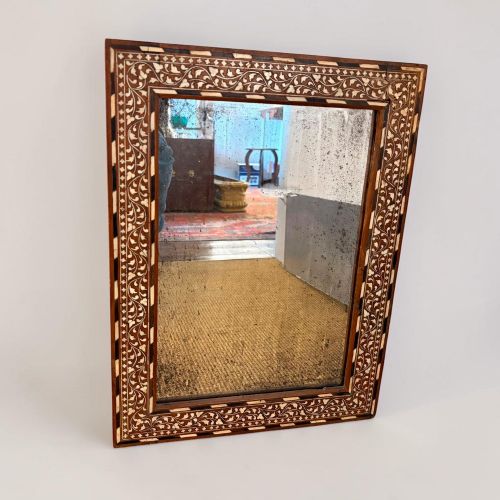
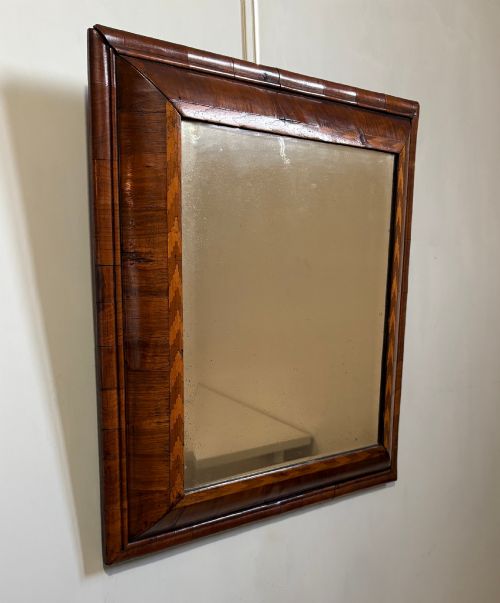
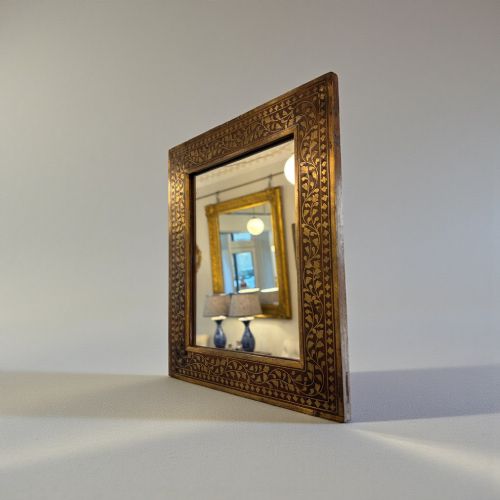
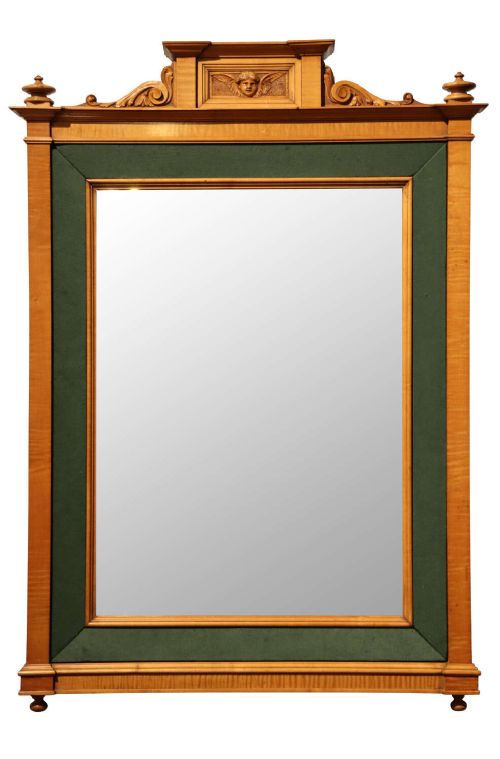
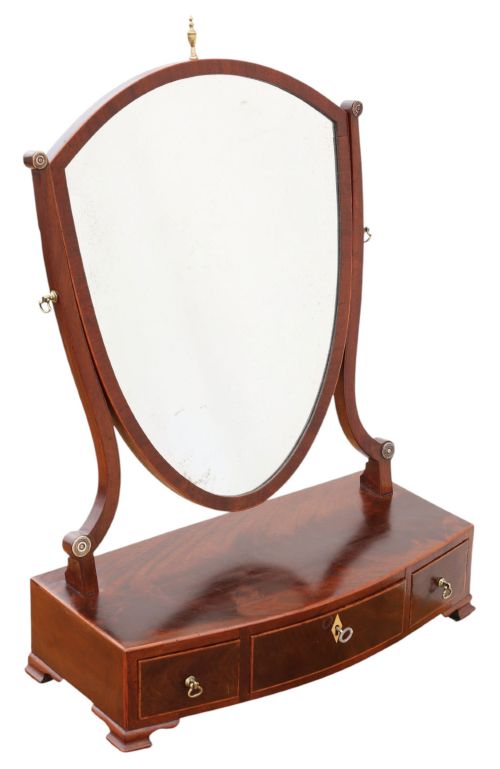

Wood Framed Vanity Mirror
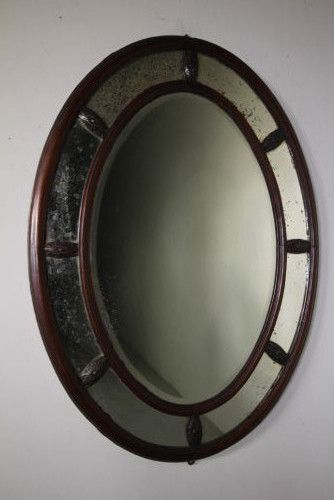
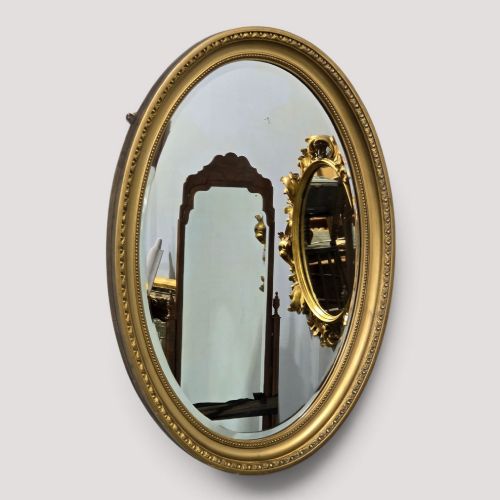
A wood framed vanity mirror brings warmth and functional elegance to a dressing space, spanning centuries of cabinet-making traditions.
Wood Framed Vanity Mirror
A wood framed vanity mirror serves as both a practical toilet glass and a decorative element, encompassing tabletop swing mirrors, cheval glasses, and wall-hanging dressing table mirrors. When exploring wood framed vanity mirror options, buyers encounter diverse forms ranging from compact Victorian table swings to larger Georgian and Edwardian designs.
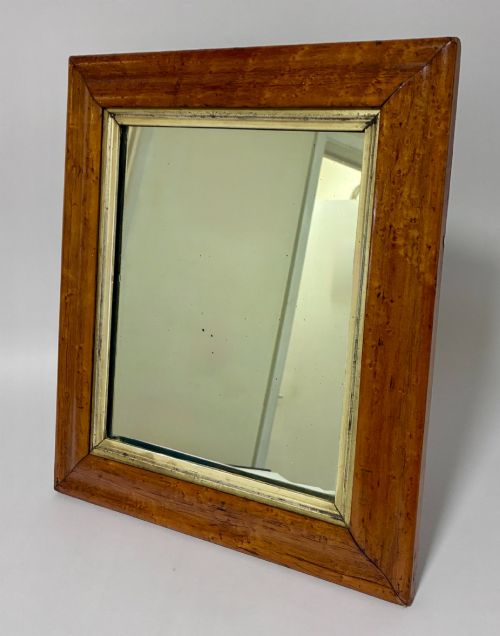
The selection on this page draws from multiple periods including the 18th century, Victorian era, Edwardian period, and the early 20th century. Materials span dense hardwoods like mahogany and walnut alongside lighter satinwood, oak, and birds eye maple.
Stylistic influences vary widely, incorporating Georgian fret-cut woodwork, French Rococo curves, Anglo-Indian brass inlay, and clean Art Deco lines. The table swing mirror is the most frequent incarnation met here, designed to sit steadily upon a dresser or chest of drawers.
Materials and construction methods
Makers constructed these frames using timber veneers and solid boards, often employing walnut, mahogany, oak, and satinwood. Wood framing provided structural rigidity to support heavy glass plates while allowing carvers to execute intricate mouldings, fretwork, and crests.
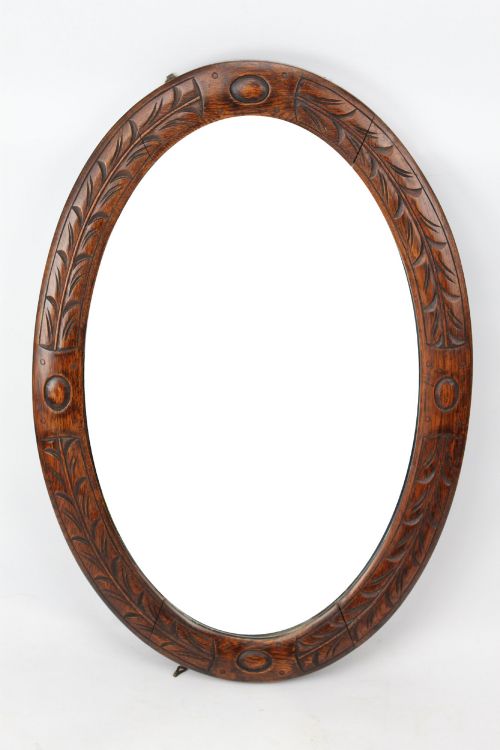
Surface treatments included clear polishing to accentuate natural grain patterns, gesso work for ornate floral relief, and painted or lacquered finishes. Brass inlays, giltwood accents, and carved wooden motifs such as the ho-ho bird frequently embellished the primary timber structure.
Wood Framed Vanity Mirror Retail Price Guide 2026
Typical asking prices for wood framed vanity mirror among the pieces listed under this phrase on Sellingantiques today, from the lower quarter to the upper quarter. They describe what is for sale here now, not the wider market.
Several mirrors proudly display carved wooden birds perched upon their crests, watching silently over centuries of daily routines.
Assessing craftsmanship and condition
Quality rests primarily in the crispness of the timber carving, the selection of figured veneers such as burr walnut or birds eye maple, and the integrity of the joints. Superior examples display thoughtful proportions and clean joinery that withstands the functional demands of daily tilting and adjustment.
The retention of original glass plates and backboards elevates a piece, as does delicate hand-worked detail like fret-cutting or brass inlay. Lesser examples show coarse replacement hardware or heavy-handed refinishing that obscures the natural character of the wood grain.
The Wood Framed Vanity Mirror Glossary
- Cheval mirror
- A freestanding full-length mirror suspended in a frame that allows it to tilt on vertical pivots. This form typically stands upon four splayed legs or a stable platform base.
- Fret mirror
- A wall mirror featuring an outer frame cut with decorative fretwork patterns, frequently associated with Georgian styles. The pierced silhouette often incorporates scrollwork or birds.
- Swing mirror
- A dressing table glass mounted on upright arms that permit the mirror plate to pivot back and forth. These items rest directly on a small plinth or box base fitted with drawers.
- Gesso
- A plaster-based mixture applied to wood surfaces and carved or moulded into intricate decorative reliefs. It frequently serves as a base for subsequent gilding or paint finishes.
Wood Framed Vanity Mirror: Frequently Asked Questions
How do I date a wooden mirror?
Dating relies on observing construction techniques, timber choices, and stylistic markers characteristic of specific eras like the Georgian or Edwardian periods. Secondary woods and backboard fixings also offer reliable clues to age.
Examining the bevel and silvering of the glass plate helps differentiate original components from later replacements. Cabinet-making standards shifted visibly between the eighteenth and twentieth centuries.
Where should I place a vanity mirror?
These mirrors suit dressing tables, chest tops, or console surfaces where they provide functional reflection alongside decorative impact. Wall-hung versions anchor hallway spaces or boudoir walls effectively.
Ensure the hanging or supporting surface bears the weight securely, particularly with larger mahogany or giltwood frames. Position them to capture and reflect natural light within the room.
What woods were commonly used?
Mahogany and walnut dominated fine cabinet-making across the eighteenth and nineteenth centuries, frequently selected for their rich grain and durability. Oak and satinwood appeared with regularity in Edwardian and country house pieces.
Exotic veneers like birds eye maple and burr walnut added decorative contrast to high-status items. Regional makers also utilised local timbers such as ash or pine beneath painted finishes.
Are swing mirrors stable?
Original swing mirrors rely on properly fitted pivot screws and balanced side posts to maintain their adjusted angle without slipping. Correctly assembled frames remain secure during daily use.
Over-tightening or worn hardware can destabilise the mirror plate within its upright supports. Simple adjustments to the brass tension screws usually restore smooth pivoting action.