


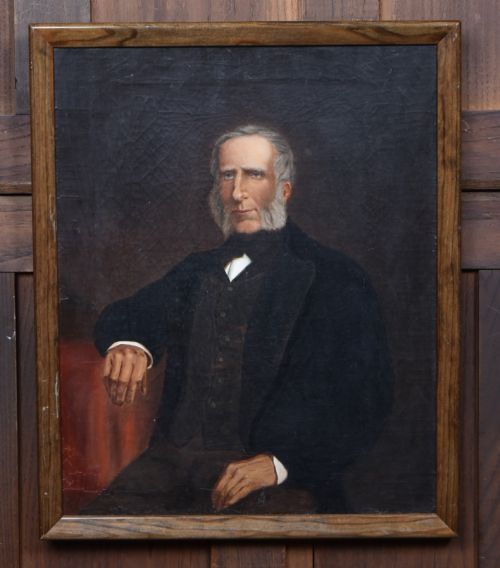
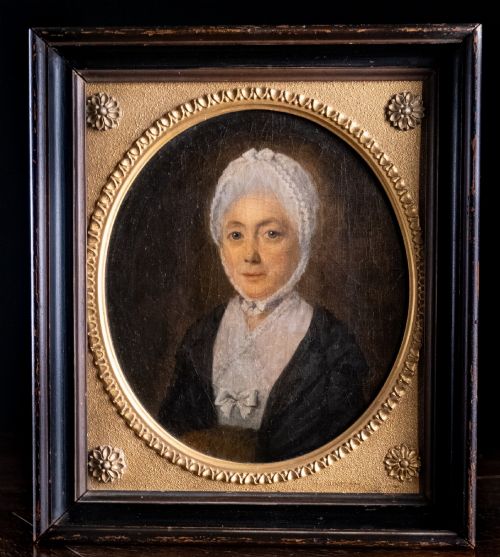
Wood Framed Portrait Artwork
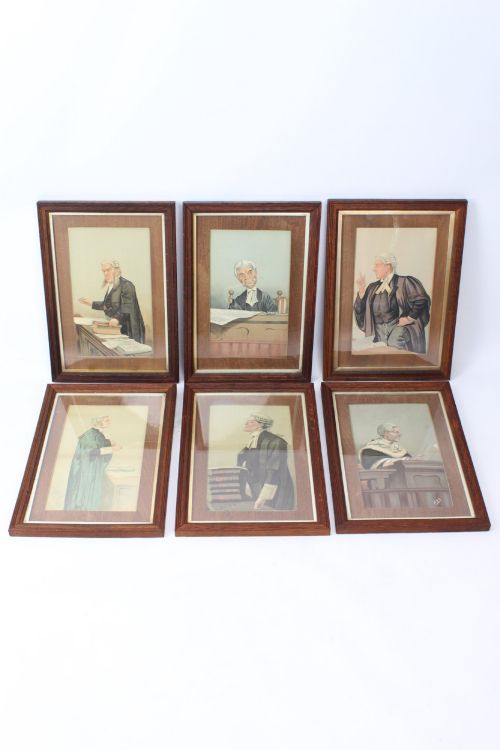
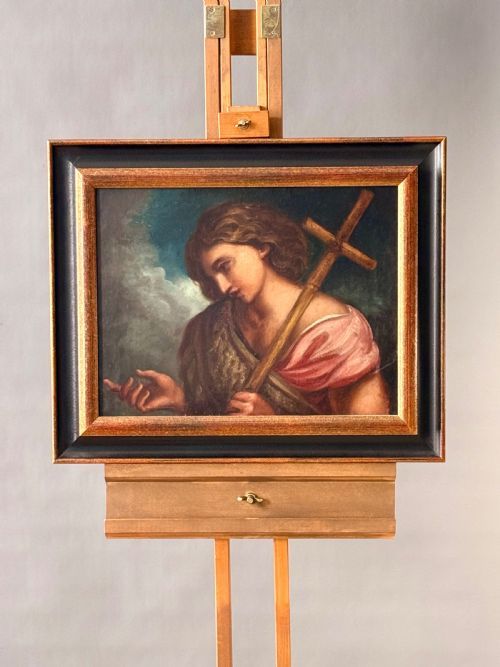
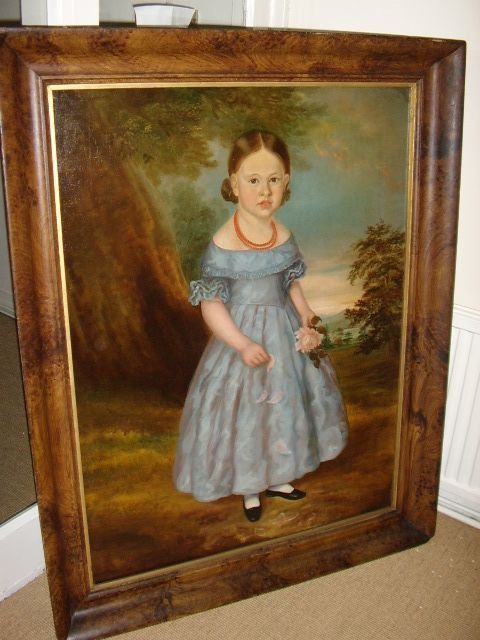
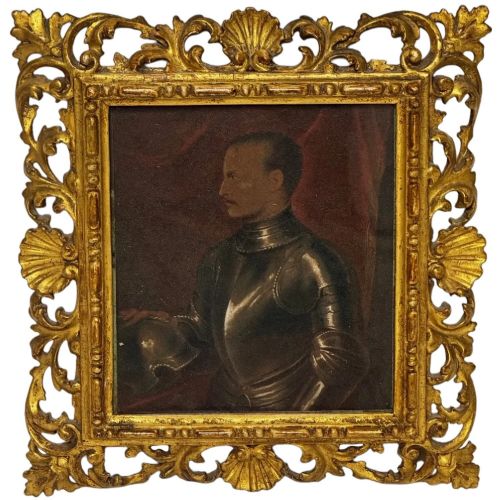
Wood framed portrait artwork captures centuries of human likeness in oil, pastel, and print, bringing historical character directly into domestic spaces.
Wood Framed Portrait Artwork
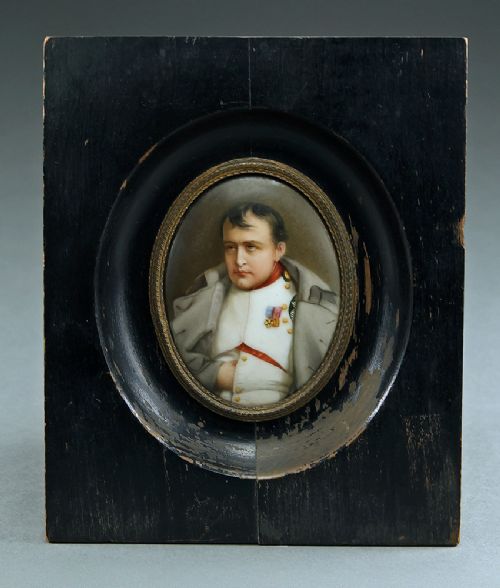
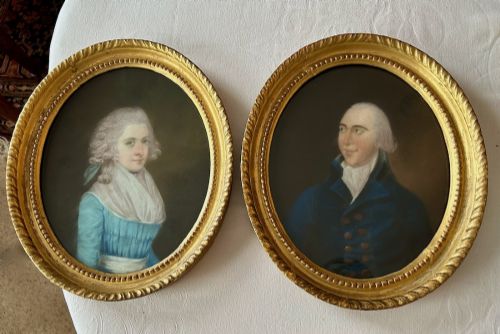
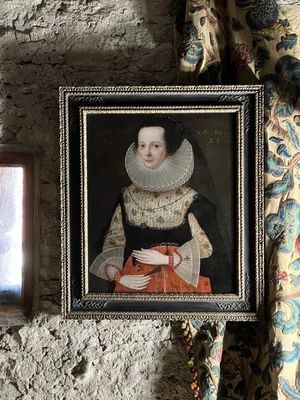
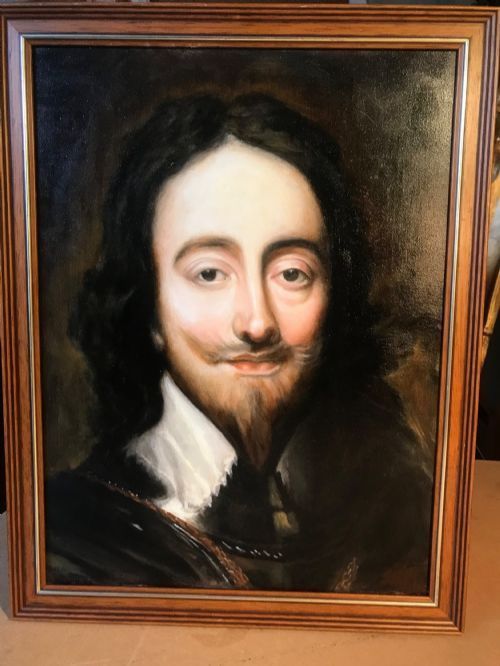
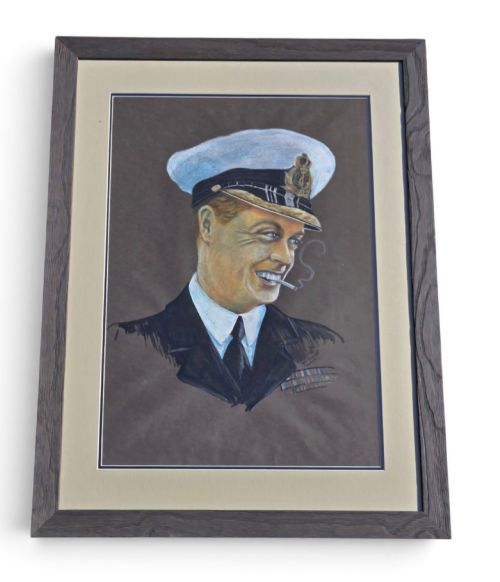
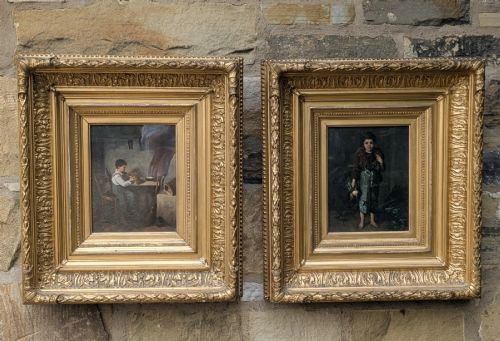
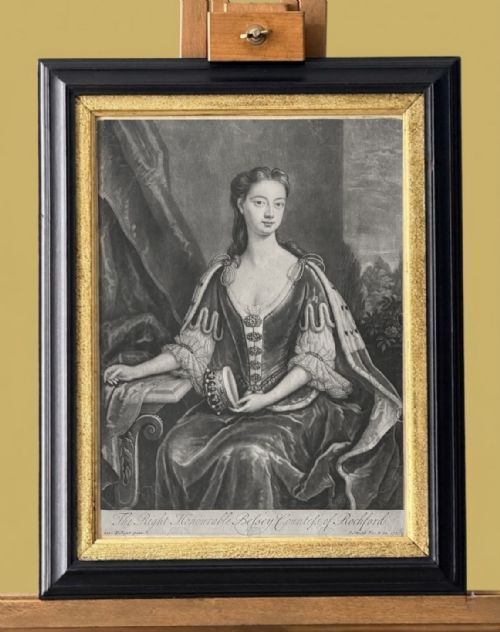
Wood framed portrait artwork encompasses likenesses rendered across long periods, capturing subjects from nobility to children within protective wooden boundaries. When exploring wood framed portrait artwork on this page, collectors encounter everything from 17th-century oils on canvas to Edwardian pastel drawings and Victorian prints.
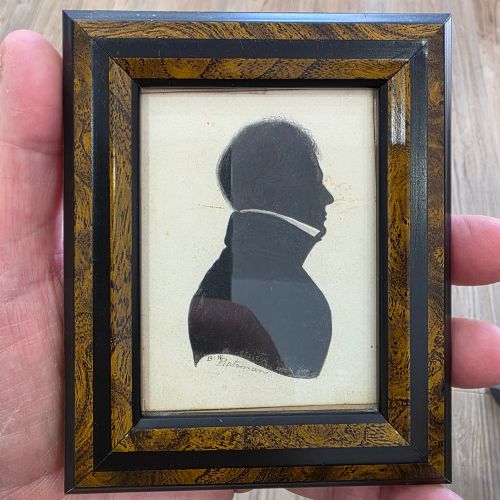
The materials span traditional canvas, paper, and panel, enclosed within period frames fashioned from giltwood, rosewood, and plain timber. These pieces range from grand Georgian oil paintings to intimate silhouettes and detailed engravings of historical figures.
Early works often depict identifiable nobility or anonymous gentry executed by regional schools, while later examples include prints and academic studies. Each piece preserves a fragment of social history through the direct gaze of the sitter.
Materials and Construction
Artists historically applied oil paint or pastel onto prepared canvas, wood panel, or heavy paper, utilising natural pigments bound in oil or gum. These delicate surfaces required immediate physical support, leading to the custom construction of wooden stretchers and rigid backing boards.
Surrounding timber frames were carved, moulded, and frequently finished with gold leaf applied over bole, or left as polished rosewood and oak. The joinery of these frames involved traditional mitred corners secured with pegs or glue, designed to bear the weight of the heavy glass and picture assembly.
Protective glass layers frequently accompanied works on paper and pastel to shield the friable medium from atmospheric moisture and dust. Glazing techniques evolved from early crown glass with distinct impurities to later clear panes that altered the reflection and preservation of the artwork.
Listings span centuries from the 17th to the 20th, incorporating materials such as gold leaf, canvas, and glass alongside oil and pastel mediums.
Evaluating Quality and Execution
The ability of the artist to render anatomical precision and psychological depth separates standard portraiture from exceptional examples. Skilled hands capture light across skin and fabric with deliberate brushwork or precise pastel blending, avoiding the stiff rigidity seen in lesser workshop copies.
Frame integrity and originality heavily influence the standing of a piece, as period frames matched to the exact age of the canvas command greater appreciation. Alterations, overzealous cleaning of the painted surface, or mismatched replacement frames diminish the historical cohesion of the object.
The condition of the underlying support material, whether stable canvas weave or unwarped wood panel, dictates the longevity of the artwork. Minimal intervention and well-preserved pigment layers without extensive modern repainting indicate superior preservation over decades.
Joseph Clover·Emily Eyres·Anthony Van Dyck·John Smith·Sir Peter Lely·Albin Mattenheimer
The Wood Framed Portrait Artwork Glossary
- Pastel
- A dry medium composed of powdered pigment and a binder, pressed into sticks and applied to paper. It creates velvety textures that require glass protection.
- Giltwood
- Timber carved and coated with a thin layer of gold leaf or metallic powder. This finish brightens dark interiors and defines period framing styles.
- Silhouette
- A solid black profile likeness cut from paper or painted onto card, popular before the widespread adoption of photography. It relies entirely on outline accuracy.
- Mezzotint
- A printmaking process where the copper plate is roughened to achieve rich dark tones and subtle gradations of light. It translates oil paintings into tonal prints.
- Panel
- A flat piece of wood used as a rigid painting surface before canvas became dominant. Oak and mahogany were frequently selected for stability.
Wood Framed Portrait Artwork: Frequently Asked Questions
How do I date an antique portrait?
Dating relies primarily on the sitter's costume, hairstyle, and the construction methods of the frame and backing boards. Examining the canvas weave and the type of pigments or paper further narrows the active period.
Signatures, inscriptions on the reverse, and stylistic markers associated with specific centuries provide additional chronological evidence. Comparing the technique to documented regional schools helps confirm the era of creation.
Can I hang these portraits in direct sunlight?
Direct sunlight damages both the wooden frames and the pigments within oil, pastel, and paper artworks. Ultraviolet rays cause fading in pastels and watercolors, while temperature fluctuations warp wood panels.
Positioning these pieces away from direct windows and radiators preserves the integrity of the materials. Using climate-controlled interior walls prevents the paint from cracking and the timber frame from splitting.
What is the difference between an oil painting and a pastel portrait?
Oil paintings utilise pigments suspended in drying oils applied to canvas or wood, resulting in a durable and layered glossy surface. Pastels consist of dry pigment sticks applied to paper, producing a matte, powdery texture that remains extremely fragile.
Oils tolerate cleaning and minor environmental shifts better than pastels. Pastels must remain sealed behind glass to prevent the pigment from dusting away from the paper support.
Are original frames important for portraits?
Original frames maintain the historical context and aesthetic balance intended by the maker or early owner. A period-correct frame complements the proportions of the artwork and reflects the prevailing taste of the era in which the portrait was created.
While frames are sometimes swapped over centuries due to damage, matching styles enhance the overall integrity of the piece. Collectors view a well-preserved original frame as a significant asset to the artwork.