


Dark Tone Canvas Art
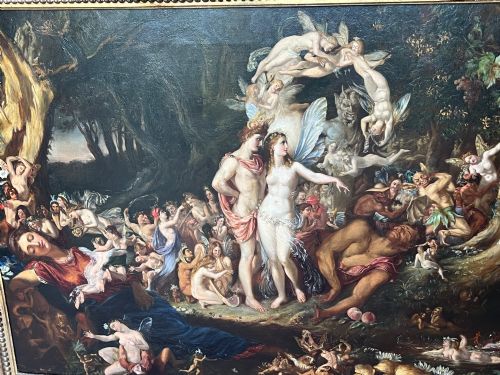
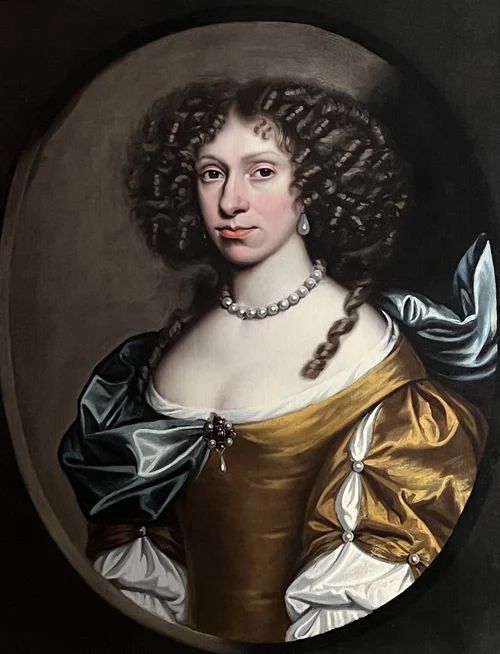
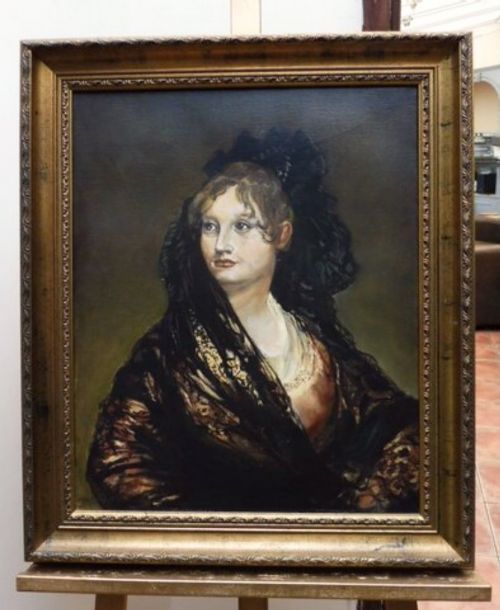
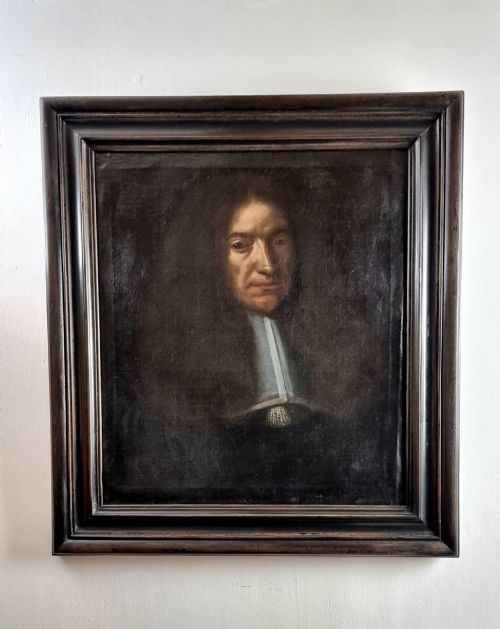
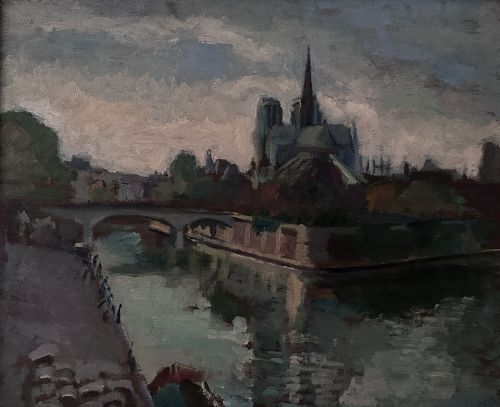
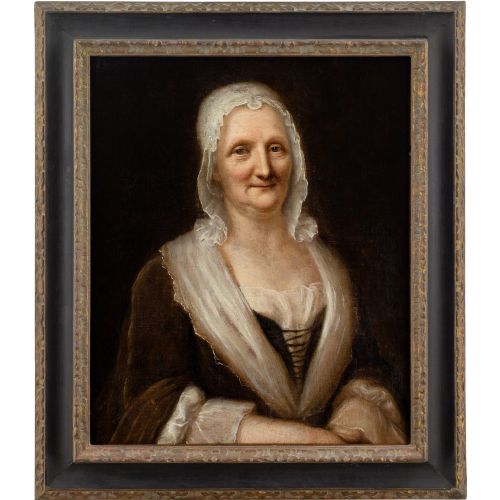
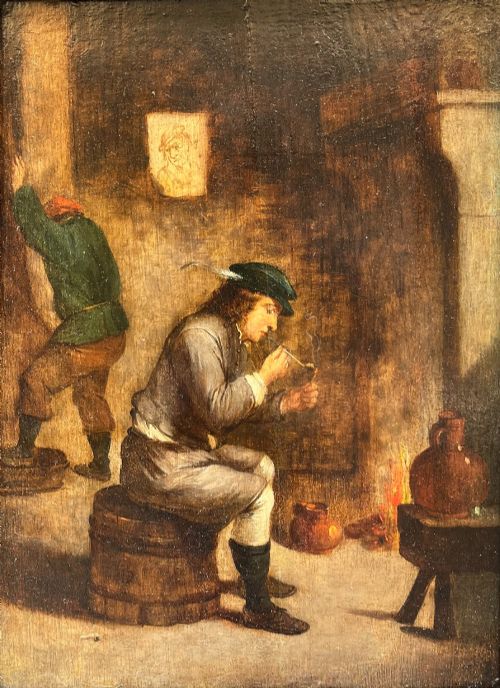
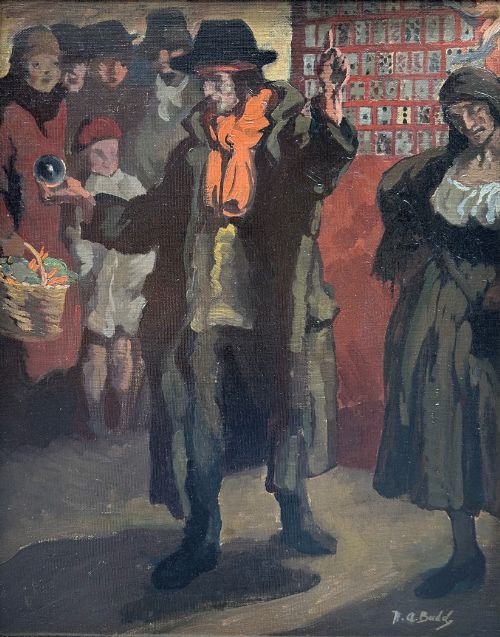
Dark tone canvas art brings deep shadows and moody palettes into a room, offering centuries of oil painting tradition for a striking interior display.
Dark Tone Canvas Art
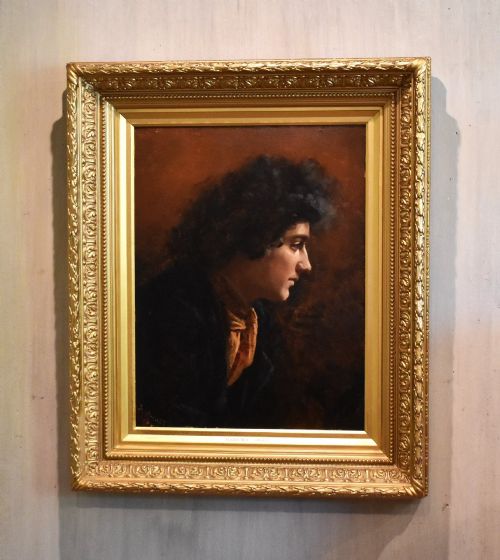
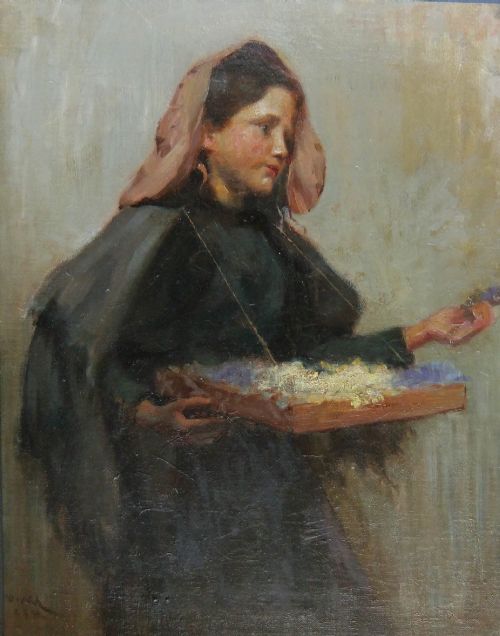
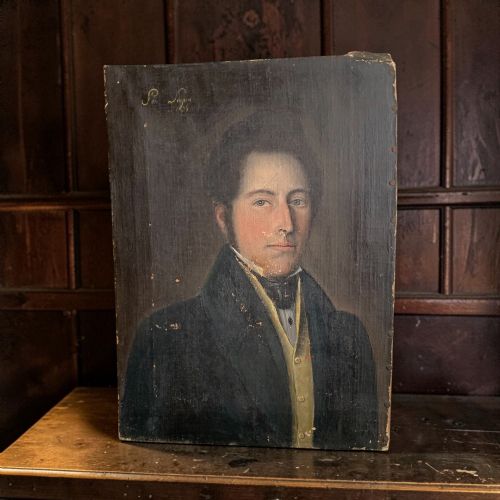
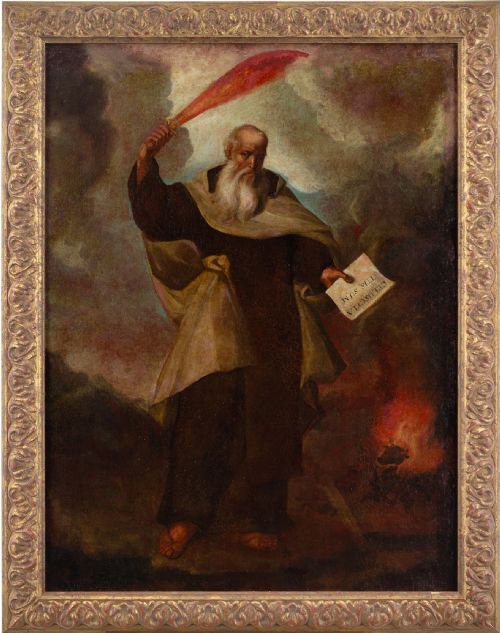
Dark tone canvas art encompasses historical oil paintings spanning the seventeenth century through the early twentieth century, focusing on rich shadow and subdued lighting. These works frequently present portraits, domestic scenes, and religious subjects originating from British, French, Spanish, Dutch, and German schools.
The selections available here lean heavily into portraiture and interior genre scenes created on woven textile supports. Buyers encounter works framed in period timber and giltwood, carrying the authentic marks of centuries of varnish maturation and pigment darkening.
Materials and construction methods
These works rely on traditional oil paint applied to woven canvas stretched over wooden frames, often supported by original or period secondary wooden structures. The medium allows for gradual building of deep glazes and heavy impasto, creating the characteristic shadowed depths observed across the centuries.
Makers utilised ground layers and rich pigment mixtures bound in oil to achieve lasting dark tonality. Frames constructed from wood and finished in giltwood complement the canvas supports, showing the joinery and preparation methods typical of European workshops.
Materials recorded across the inventory include traditional oil paint, woven canvas, supportive wood panels, and ornate giltwood framing.
Factors determining quality
Quality rests upon the confidence of the brushwork and the structural integrity of the pigment layer across the canvas support. Superior examples maintain clarity in shadow and deliberate handling of light, whereas lesser pieces suffer from heavy-handed overpainting or flattening of tonal depth.
The handling of anatomical detail and spatial depth distinguishes accomplished academy training from routine workshop production. Preservation of the original surface texture without excessive intervention marks the difference between a well-survived historical document and a compromised canvas.
Sir Joseph Noel Paton·David Scougall·David Teniers·Herbert Ashwin Budd·Florence Small·William Watt Milne·Thomas Sidney Cooper·Thomas Beach·Roberto Venturi·Henry Collins·Ralph Hedley·John Phillip·James G Faulds·John Partridge·George Hayter·Robert Ker Porter
The Dark Tone Canvas Art Glossary
- Canvas
- A heavy woven fabric used as a support surface for oil painting. It provides the flexible base stretched across wooden frames for historical works.
- Giltwood
- Wood decorated with gold leaf or gold paint, commonly used for historical picture frames. It offers a reflective border to dark painted compositions.
- Impasto
- Paint applied in thick strokes that stand out from the canvas surface. This technique creates physical texture and catches low light in shadowed areas.
- Genre painting
- Artwork depicting scenes from everyday life, ordinary people, or domestic interiors. These pieces record historical occupations and social customs.
- Old Master
- An eminent European artist working before about eighteen hundred. The term also designates a painting produced by such a master.
Dark Tone Canvas Art: Frequently Asked Questions
How do I clean an old oil painting?
Historical oil surfaces require professional conservation rather than domestic cleaning solutions. Active intervention can easily strip original glazes or damage vulnerable aged varnish layers.
Dust accumulation should be gently removed with a soft, dry brush without applying pressure to the canvas weave. Any deeper grime requires assessment by a trained conservator.
Why do older paintings look so dark?
Natural resins and varnish formulations darken over centuries of exposure to light and domestic atmospheres. This ageing process absorbs light and deepens the overall tonal range.
Dirt trapped on the surface further mutes the original pigment choices made by the artist. Professional removal of aged varnish can reveal unexpected colour relationships.
How should I hang canvas art at home?
Canvas works require stable indoor environments away from direct sunlight and excessive humidity fluctuations. Sudden temperature shifts cause the wooden stretcher frames and textile supports to expand and contract unevenly.
Secure picture hooks rated for the combined weight of the painting and frame must be anchored properly. Using two hanging points prevents the frame from tilting out of alignment.
How can I tell the age of a painting?
Examination of the canvas weave, stretcher frame construction, and preparatory grounds provides reliable dating clues. Hand-beveled wooden stretchers and handmade nails point toward earlier manufacturing periods.
Pigment analysis and crackle patterns across the paint surface offer further confirmation of age. Comparative study against documented examples by known schools helps narrow down the decade.