



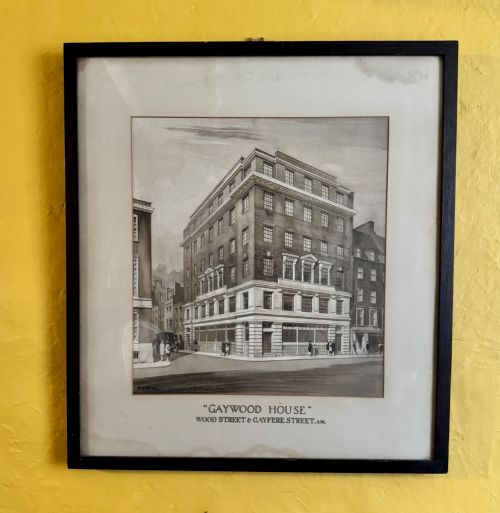
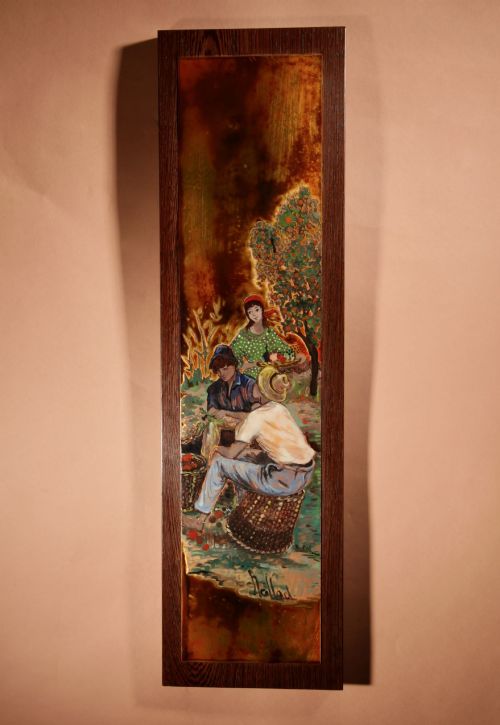
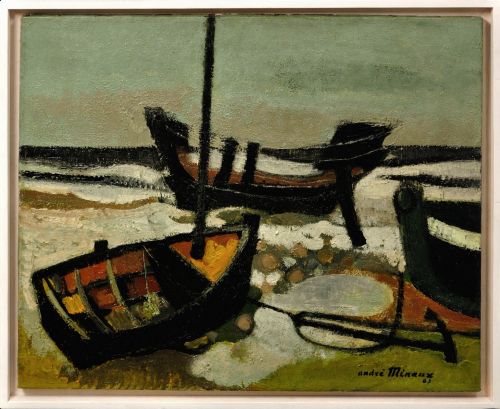

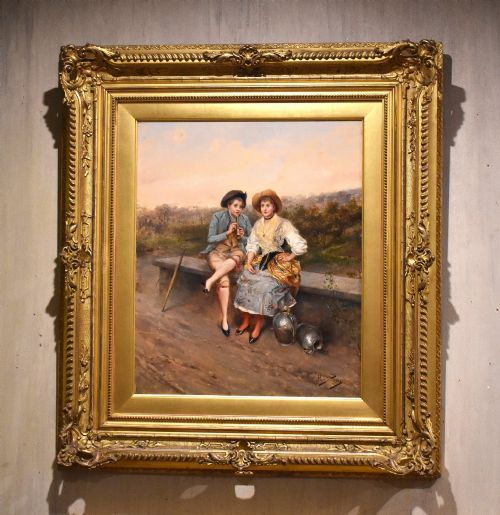
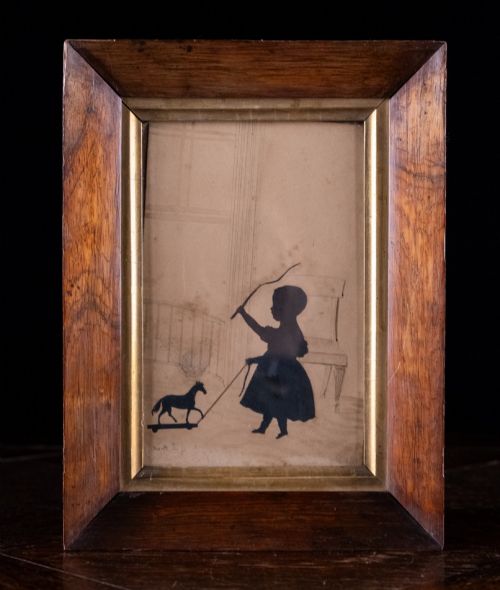
Wood Framed Artwork
Wood framed artwork unites historic paintings, pastels and prints within protective wooden housings spanning multiple centuries of craftsmanship.
Wood Framed Artwork
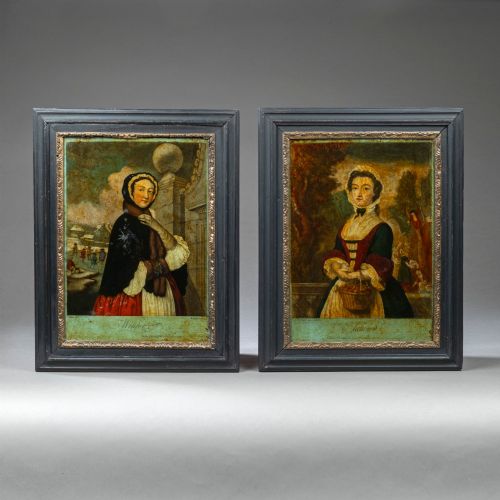
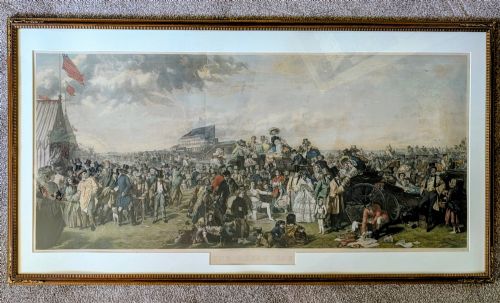
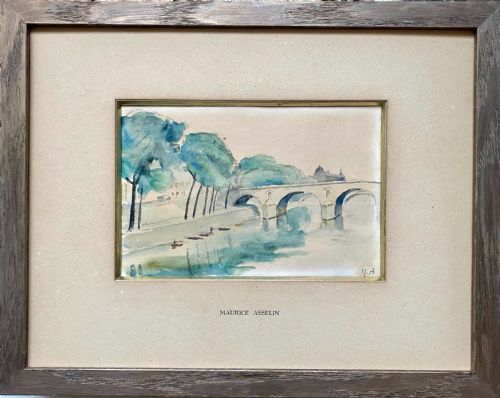
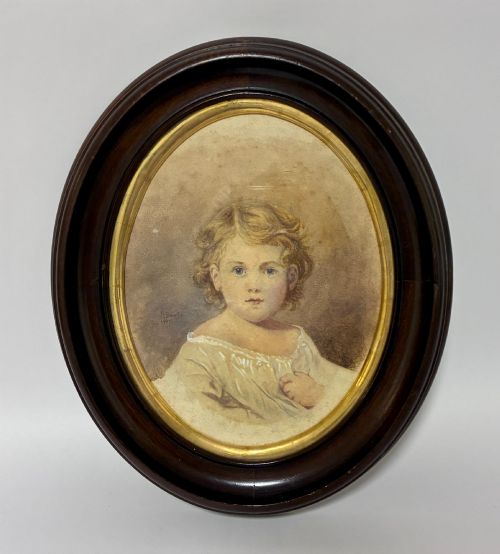
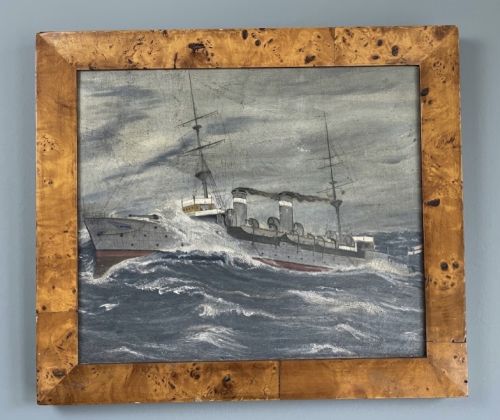
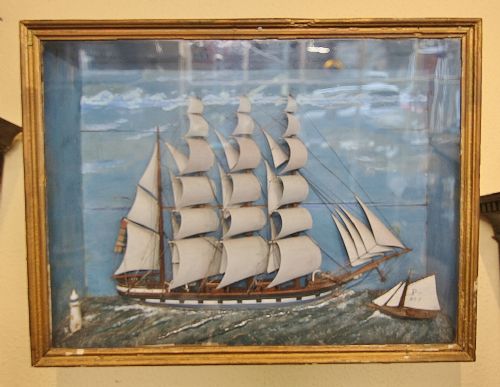
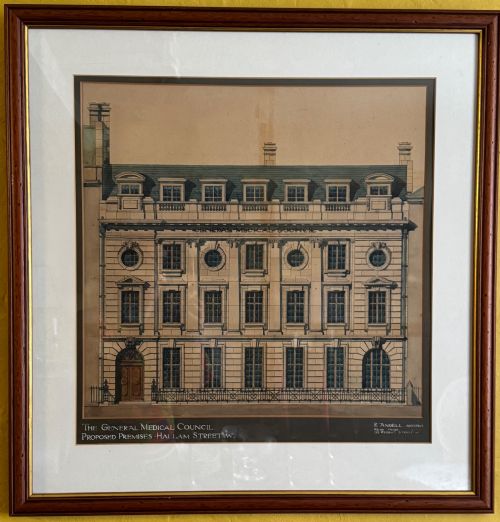
When browsing wood framed artwork, buyers encounter a diverse array of historical visual media set into period surrounds. The selection ranges from seventeenth-century oil paintings on panel and canvas to nineteenth-century watercolours and twentieth-century prints.
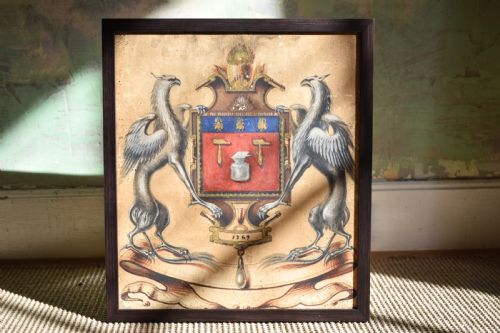
Most pieces on this page combine traditional painting surfaces with timber mouldings, stretching from the Baroque era through the Victorian period into mid-twentieth-century designs. The primary focus rests on framed pictorial works where the enclosing timber contributes structural integrity and aesthetic context.
Originating across British, European and Asian workshops, these pieces encompass portraits, landscapes, still lifes and genre scenes. The physical relationship between the artwork and its protective border defines the category.
Materials and Construction
The physical objects rely on natural wood, glass, and paper supporting media such as oil paint, pastel, and watercolour. Canvases, wooden panels, and heavy paper sheets form the primary bases for the imagery.
Frames utilise solid timber, giltwood, and gesso layers, sometimes enhanced with gold leaf applications. Joinery techniques and carved mouldings secure the artworks behind protective glass panels where appropriate.
Wood Framed Artwork Retail Price Guide 2026
Typical asking prices for wood framed artwork among the pieces listed under this phrase on Sellingantiques today, from the lower quarter to the upper quarter. They describe what is for sale here now, not the wider market.
Pigeons make an unexpected appearance in the selection, recorded proudly alongside aristocratic portraits and quiet pastoral landscapes.
Markers of Standard
Quality separates through the integrity of the artistic execution and the originality of the mounting frame. Masterful brushwork, confident draughtsmanship, and well-preserved pigments distinguish superior paintings from standard decorative examples.
The harmony between the artwork and its timber frame dictates the overall standard. Original period surrounds that complement the age and scale of the central piece elevate the integrity of the entire object.
Alonso Perez·Thomas Murray·Thomas Frye·Barent Gael·George Whitton Johnstone
The Wood Framed Artwork Glossary
- Giltwood
- Wood that has been coated with a thin layer of gold leaf or gilt paste. This finish appears frequently on elaborate historical frames.
- Mezzotint
- A printmaking process of the tonal method, enabling rich dark shades and subtle gradations. Eighteenth-century examples often portray notable historical figures.
- Gesso
- A plaster-like mixture applied to wood frames to create a smooth surface for carving and gilding. Artisans shape this material into intricate decorative reliefs.
- Oil on Panel
- A painting executed on a flat wooden board rather than canvas. This stable support is common in early European works.
Wood Framed Artwork: Frequently Asked Questions
How do I date a wood frame?
Dating relies on examining the timber species, joinery methods at the corners, and the composition of the gesso layers beneath any surface gilding.
Changes in moulding profiles across different design eras also provide reliable chronological clues for the housing.
Were these artworks always framed in wood?
Most paintings and works on paper required rigid surrounds to protect the edges of the canvas, panel, or sheet from environmental damage.
Timber mouldings have served as the primary structural and aesthetic boundary for pictorial art for centuries.
How should I care for historic framed pieces?
Maintain stable indoor humidity levels and keep the items away from direct sunlight to prevent the timber and pigments from drying out or fading.
Dust the frames gently with a dry, soft cloth without applying liquid cleaning products directly to the wood or glass.
Can I tell if a frame is original to the artwork?
Original pairings usually show consistent patina, matching wear patterns, and appropriate scale between the inner rebate and the picture edges.
Examining the backboards and fixings often reveals whether the mounting dates to the same period as the artwork.