
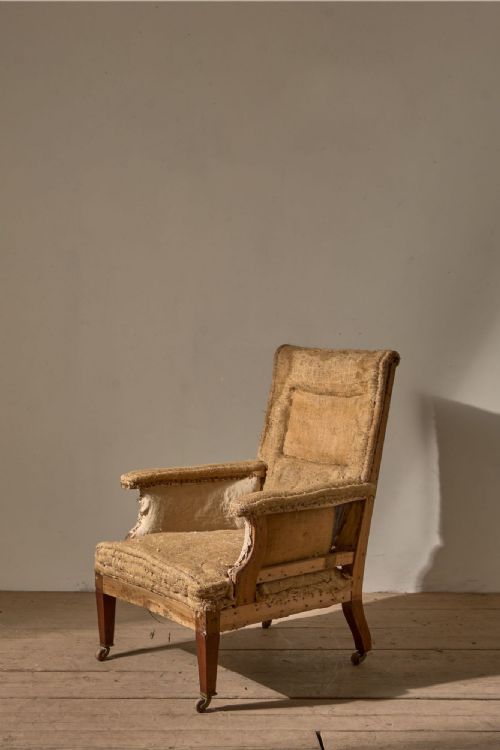
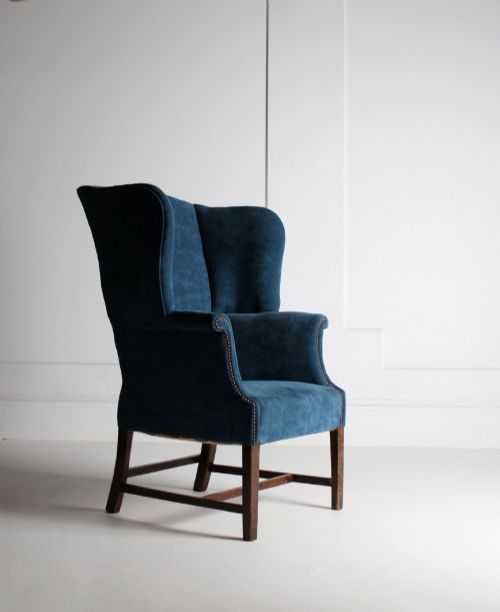


Wood Framed Accent Chair
These wood framed accent chair examples bring period character to a room, offering functional seating shaped by centuries of diverse design.
Wood Framed Accent Chair
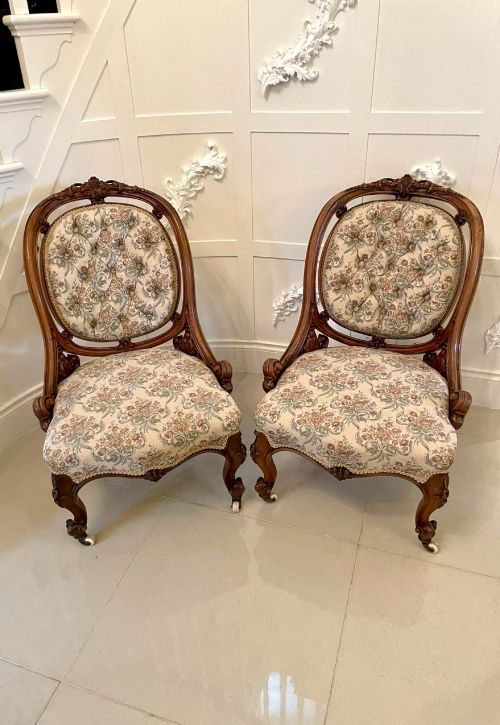
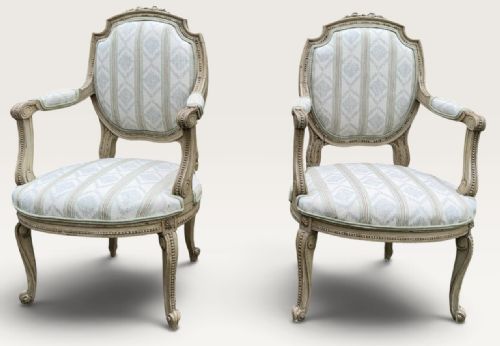
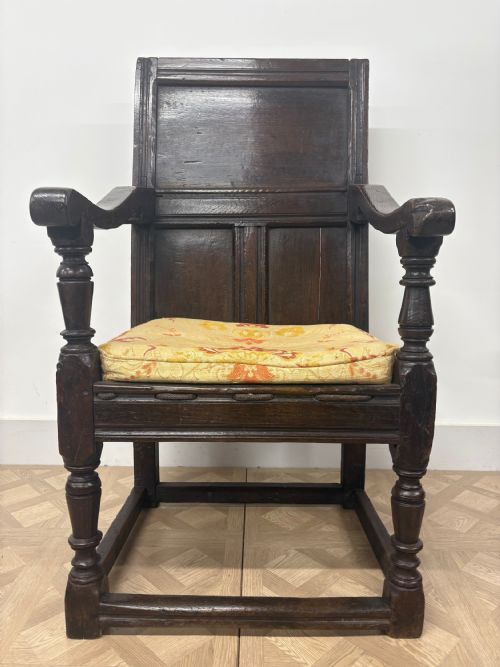
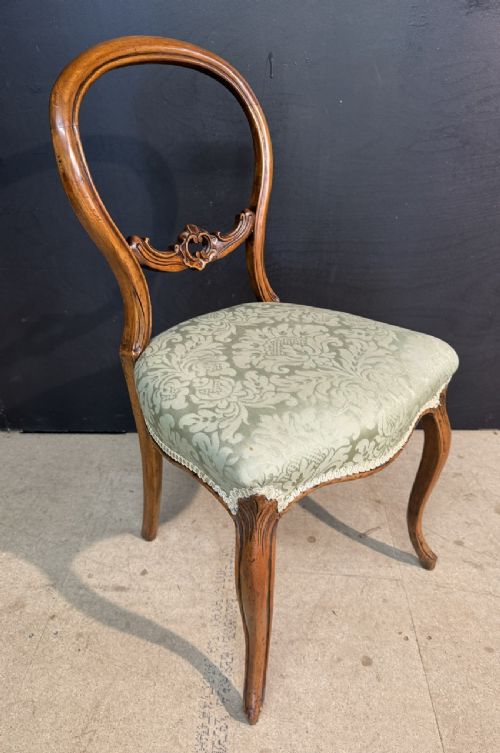
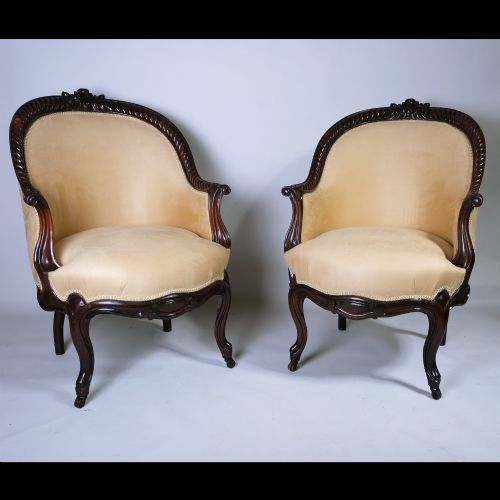
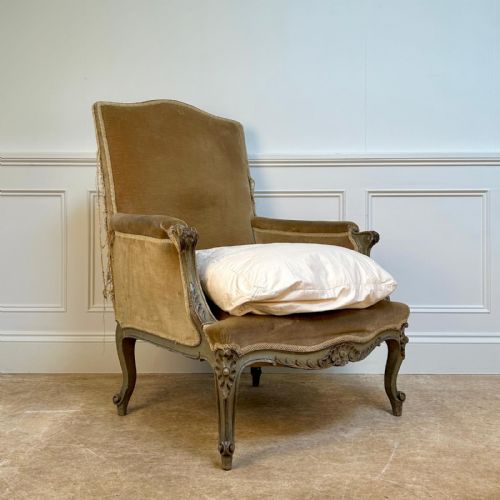
A wood framed accent chair unites structural timber with upholstered comfort, serving as a decorative yet practical seat in a parlour, bedroom or library. When exploring the selections here, a buyer encounters pieces spanning the nineteenth century through to the early decades of the twentieth century. These include French bergères, English walnut fireside chairs, and revival styles referencing earlier historical periods.
The assortment relies heavily on Victorian and Edwardian examples alongside continental French pieces and occasional specialised forms such as folding chairs or low bedroom seats. Walnut and oak form the backbone of the timber choices, frequently paired with varied fabric or velvet coverings. Such seating functions naturally as a focal point or a complementary piece within an established interior scheme.
How they were made
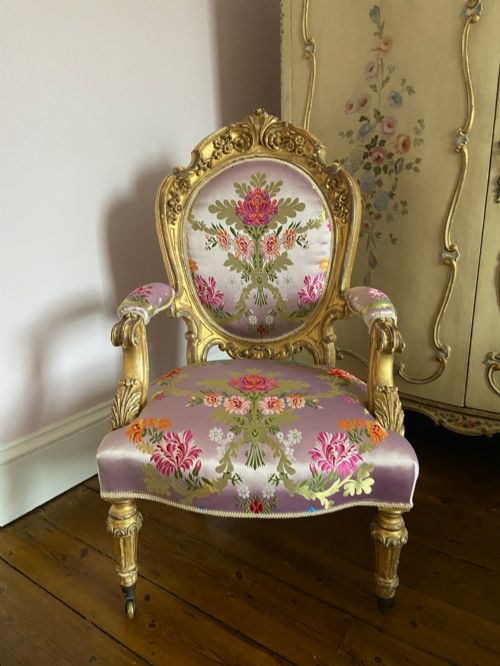
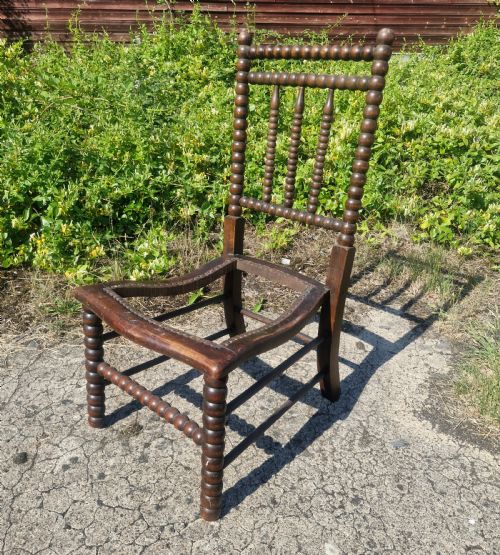
Carpenters and cabinetmakers constructed these frames using traditional joinery methods combined with carved ornamentation in hardwoods like walnut, mahogany and oak. Giltwood and ebonised finishes appear alongside original paintwork, reflecting the aesthetic preferences of specific decades from the seventeenth century through to the Edwardian era. Turned elements, such as bobbin framing, sit alongside elaborate Rococo and Louis XVI style carvings.
Upholstery techniques developed from simple pad seats to sprung foundations covered in velvet, leather or patterned fabrics. Frames often feature exposed timber arms and legs, highlighting the grain and colour of the material used. Brass details and inlaid woodwork provide additional decorative accents on selected salon and library chairs.
Listings incorporate nineteenth-century formats alongside Edwardian and 1930s examples, utilising walnut, oak, mahogany, and giltwood frames.
What varies in quality
The standard of carving and the crispness of detail dictate the visual appeal of any given piece. Chairs displaying deep, hand-chiselled ornamentation or complex turned members demonstrate a higher level of artisanal skill than plain commercial production.
The integrity of the timber frame and the survival of original finishes, such as early paint or patinated walnut, influence desirability. Preservation of original upholstery materials or sympathetic reupholstery using period-appropriate textiles maintains the historical character of the furniture.
The Wood Framed Accent Chair Glossary
- Bergère
- An upholstered armchair with enclosed sides, typically featuring cane work or padded upholstery within a wooden frame. Originating in France, these pieces prioritize comfort.
- Cabriole leg
- A furniture leg that curves outward and then tapers inward, mimicking an animal's limb. This form is common in revival styles referencing eighteenth-century design.
- Giltwood
- Timber treated with gold leaf or gold paint to create a luminous surface finish. It appears frequently on French salon and revival armchairs.
- Wainscot armchair
- An early form of wooden armchair constructed mostly from solid oak with panelled backrests. These sturdy seats date back to the seventeenth century.
- Savonarola chair
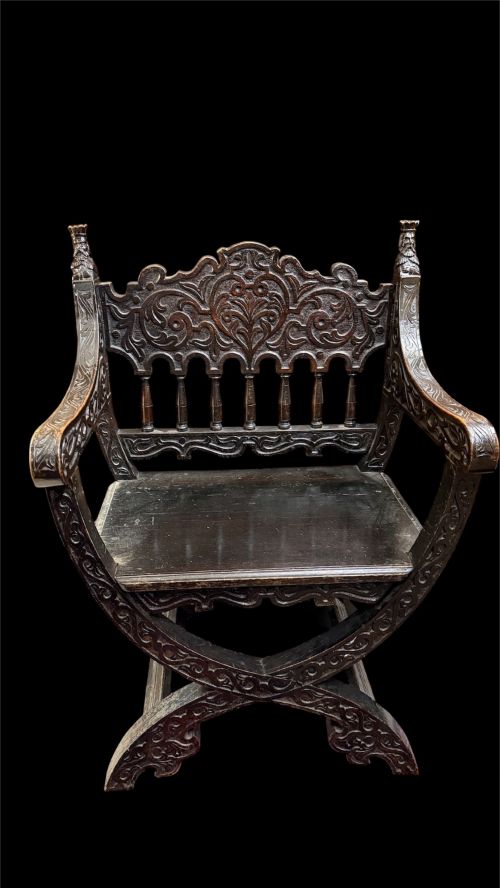
- A folding chair constructed from multiple intersecting wooden slats forming a distinctive X-frame. This Renaissance style offers portability alongside architectural presence.
Wood Framed Accent Chair: Frequently Asked Questions
How do I identify a Victorian chair?
Victorian chairs often feature dark hardwoods like walnut or mahogany with heavy carving influenced by revival styles. Look for robust frames and buttoned upholstery.
Examination of the timber underneath and the method of joining can help confirm the mid to late nineteenth-century origins.
Where should I place an accent chair?
These chairs suit corners of bedrooms, reading nooks, or flanking a fireplace where they provide a functional seat and visual contrast. Their decorative frames ensure they look appealing from any angle.
Consider the scale of the room and the height of the backrest when positioning the piece.
What is a bergere chair?
A bergere is a French-style armchair characterised by a wide seat and enclosed upholstered sides. They are designed for relaxation and often feature exposed polished wood frames.
Many examples date from the late nineteenth or early twentieth century and use cane or fabric panels.
How do I care for wooden frames?
Dust the timber regularly with a soft dry cloth and avoid placing the chair in direct sunlight or near heat sources. This protects the original polish and prevents the wood from drying out.
Condition the exposed wood periodically using appropriate traditional wax where recommended.