


Wood Dressing Glass
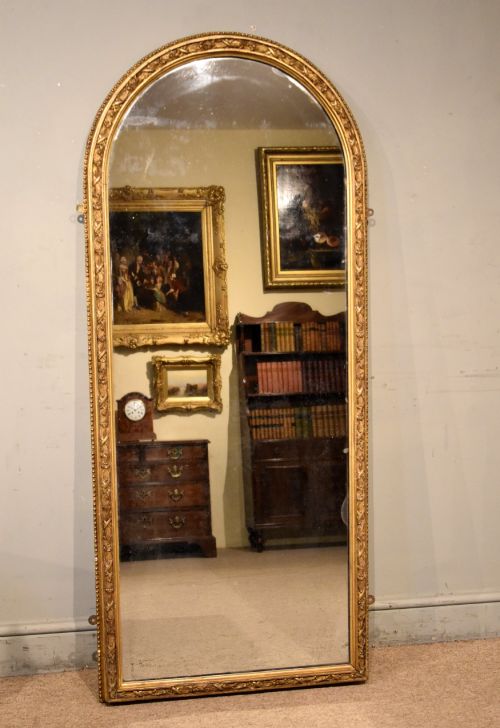
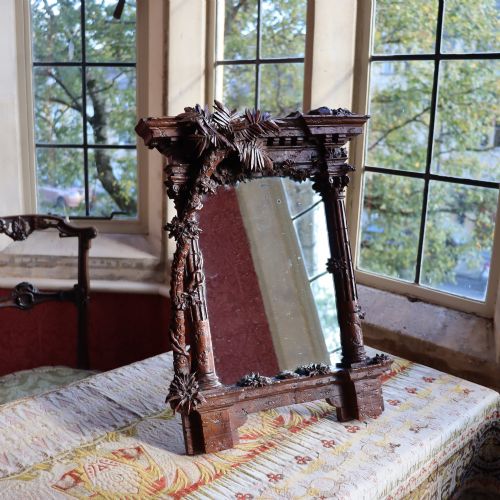
A wood dressing glass sits on a bureau or stands on the floor, offering a clear reflection while anchoring a room with timber warmth.
Wood Dressing Glass
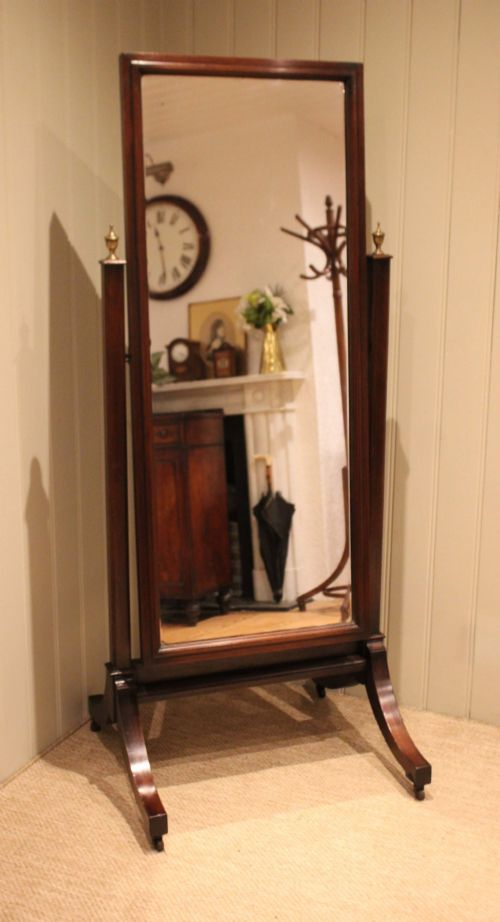
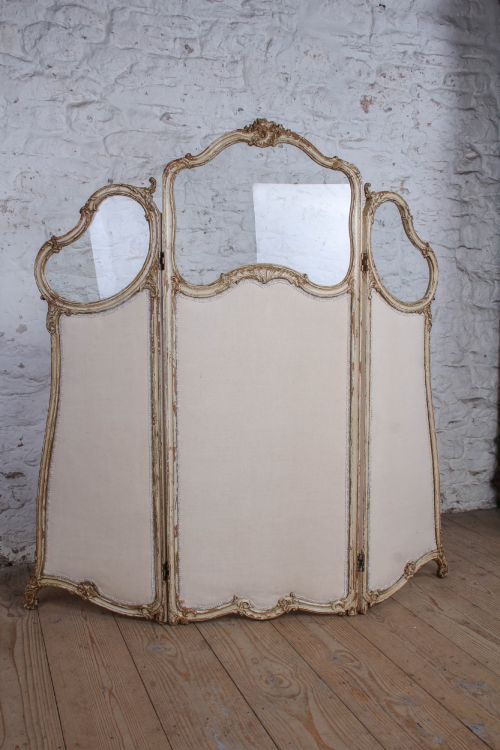
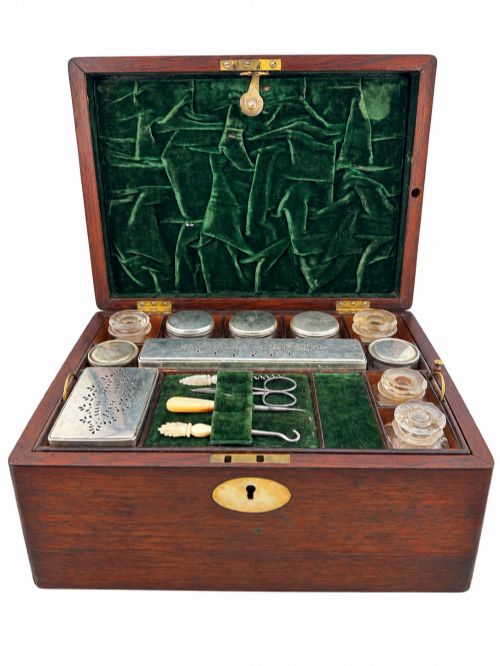
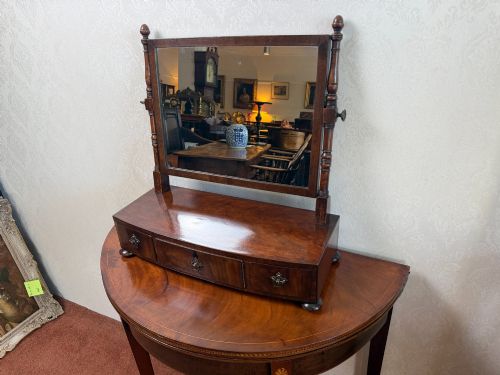
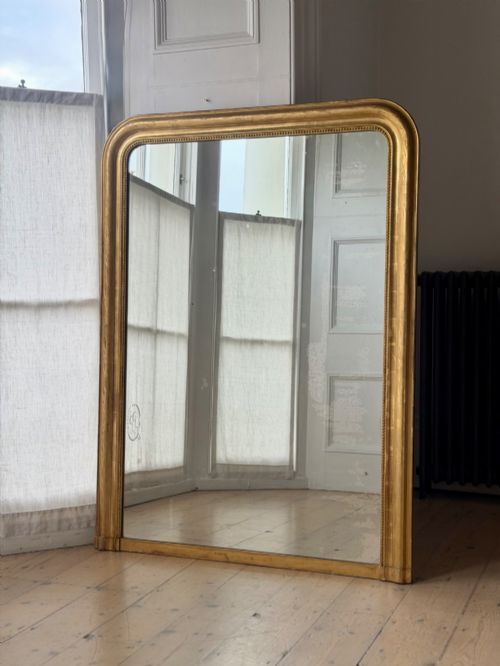
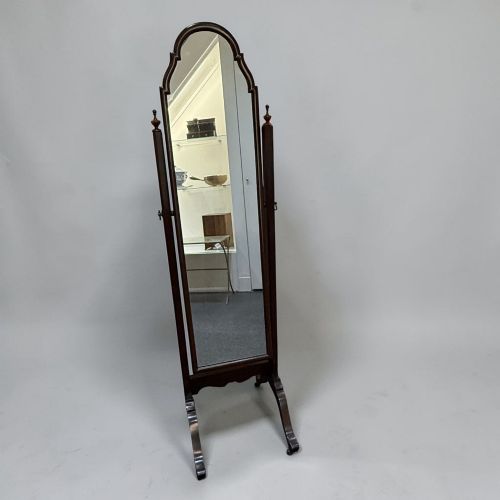
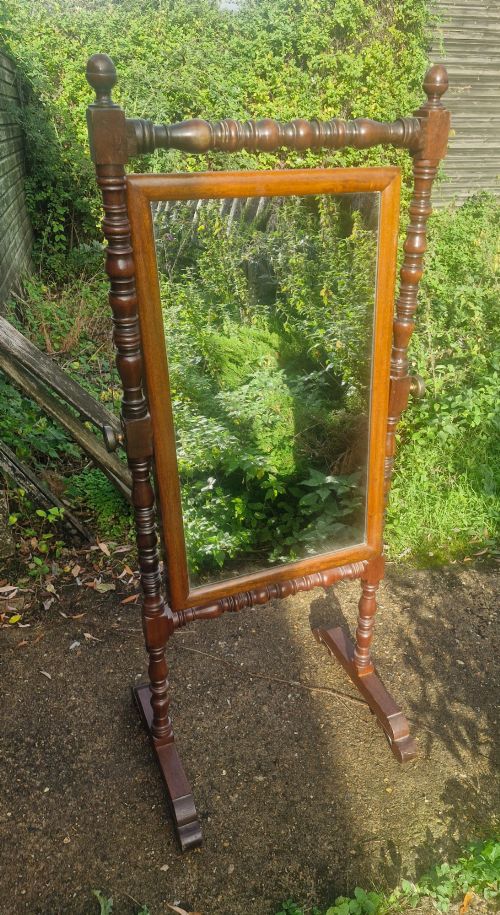
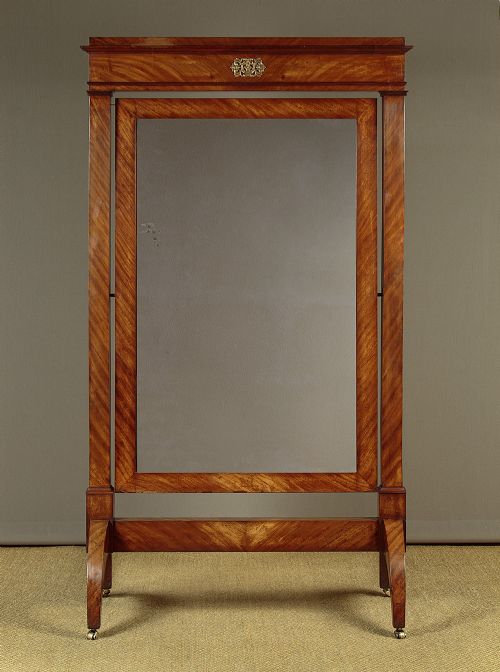
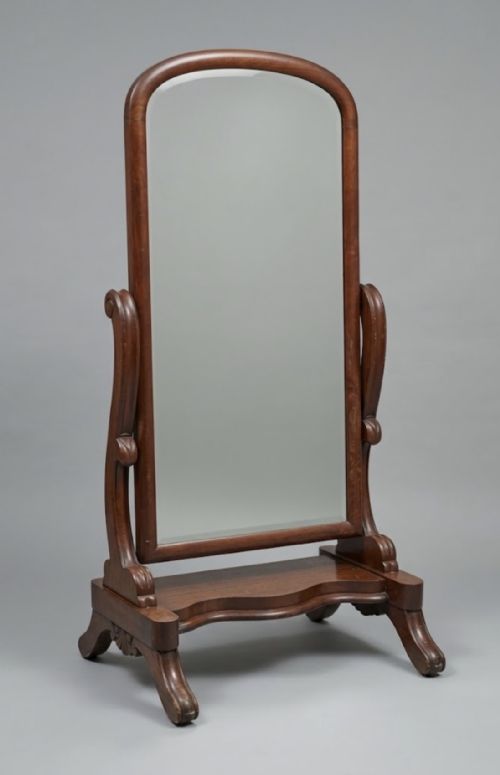
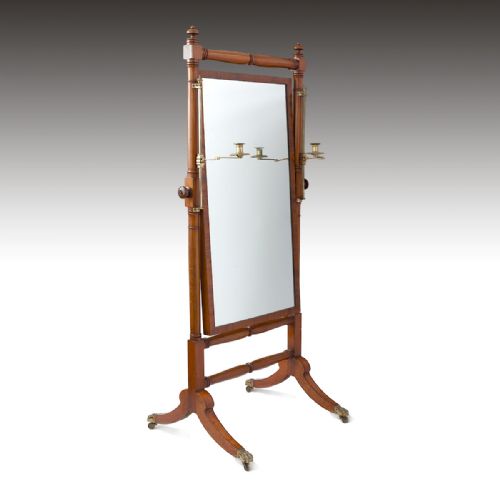
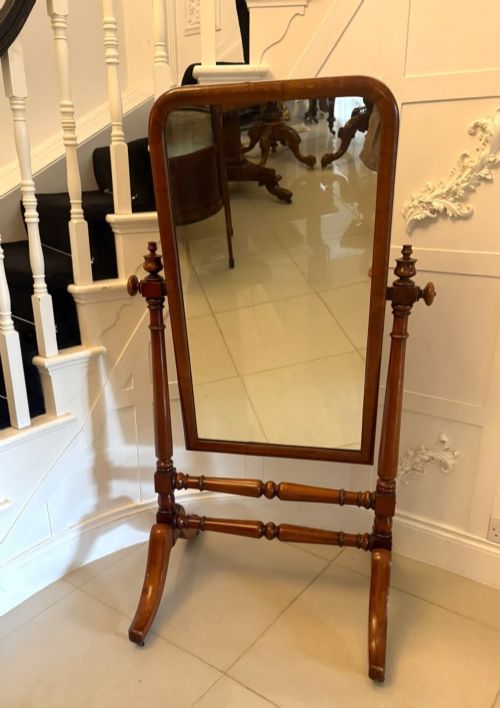
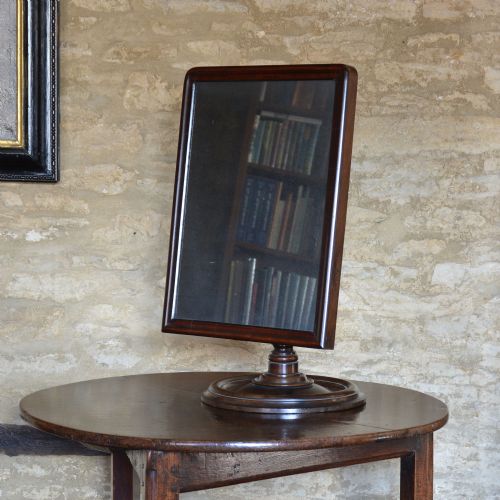
A wood dressing glass functions as a practical looking glass for the bedroom or dressing chamber, taking the form of smaller toilet mirrors set on box bases with drawers or large freestanding cheval frames. When exploring a wood dressing glass, a buyer encounters table versions from the Georgian period alongside full length Victorian and Edwardian examples.
The objects recorded here span several centuries of cabinet making, appearing in forms such as swivel mirrors, cheval mirrors, and vanity boxes with integrated glass. Mahogany forms the backbone of these listings, accompanied by walnut, satin birch, and rosewood.
Originating in English, French, Dutch, and Chinese workshops, these pieces range from compact George III toilet mirrors with serpentine drawers to grand Regency country house cheval frames. Each type serves the primary task of personal grooming while displaying the distinct joinery of its era.
Materials and construction
Cabinet makers constructed these mirrors primarily from solid mahogany, walnut, and rosewood, often applying veneers over secondary conifers for box bases and frame uprights. Joinery methods relied on dovetailed drawer construction and turned side pivots that allowed the glass frame to tilt.
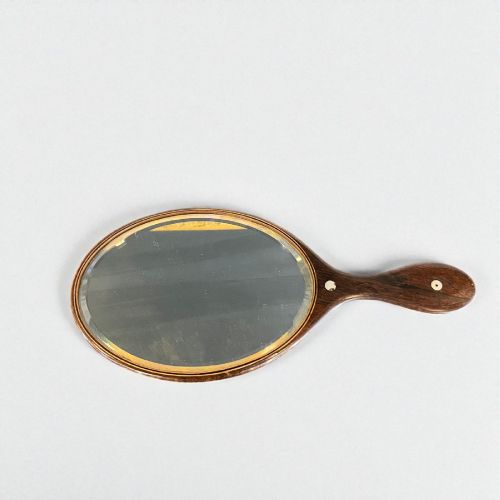
Reflecting surfaces consist of traditional mirror glass or mercury glass held within rebated wooden frames, secured by thin wooden backing boards. Decorative elements incorporate brass castors, bone or mother of pearl inlay, and carved gesso or giltwood details.
Wood Dressing Glass Retail Price Guide 2026
Typical asking prices for wood dressing glass among the pieces listed under this phrase on Sellingantiques today, from the lower quarter to the upper quarter. They describe what is for sale here now, not the wider market.
Listings feature 19th century, Georgian, Regency, and Edwardian periods in mahogany, walnut, and rosewood.
Assessing quality
The grade of a wood dressing glass rests on the selection of timber veneers, such as figured mahogany or burr walnut, and the crispness of hand carved details on the frame and base. Superior pieces exhibit fine dovetailing on internal drawer boxes and retain their original brass swivel hardware and castors.
Proportion and stability dictate the standing of a cheval mirror or table glass, with better examples maintaining balance without excessive reinforcement. The clarity and age of the mirror plate, whether original mercury glass or early plate, further distinguish standard utility mirrors from fine cabinet work.
Heal And Sons·Gillow
The Wood Dressing Glass Glossary
- Cheval mirror
- A large freestanding mirror suspended on a vertical frame with side pivots, allowing the full plate to swing.
- Toilet mirror
- A smaller dressing glass designed to sit upon a table, chest, or dressing bureau, usually incorporating small drawers in its base.
- Mercury glass
- A double walled glass blown object with a silvering mixture inserted between the layers, common in 19th century looking glasses.
- Gesso
- A plaster based material applied to wooden frames and moulded into decorative reliefs before gilding or painting.
Wood Dressing Glass: Frequently Asked Questions
What is a wood dressing glass?
A wood dressing glass is a mirror mounted in a wooden frame, designed for personal grooming on a table or standing independently on the floor.
These pieces range from small 18th century box mirrors with tiny drawers to tall 19th century cheval frames.
How do I date a dressing glass?
Dating relies on timber choices, construction methods like hand cut dovetails, and the style of the mirror supports.
Georgian examples tend to feature compact box bases with ogee bracket feet, whereas Victorian and Edwardian pieces often use heavier freestanding frames with brass castors.
Can I replace the mirror plate?
Replacing a mirror plate is possible, but original mercury glass or old bevelled glass adds historical value to antique pieces.
Collectors generally prefer to retain original glass plates even when they show foxing or minor silvering degradation.
Where should I place a cheval mirror?
A cheval mirror requires adequate floor space and clearance to allow the heavy wooden frame to stand securely.
Placing the piece away from direct, damp sunlight helps protect the timber veneer and the backing silver of the glass.