
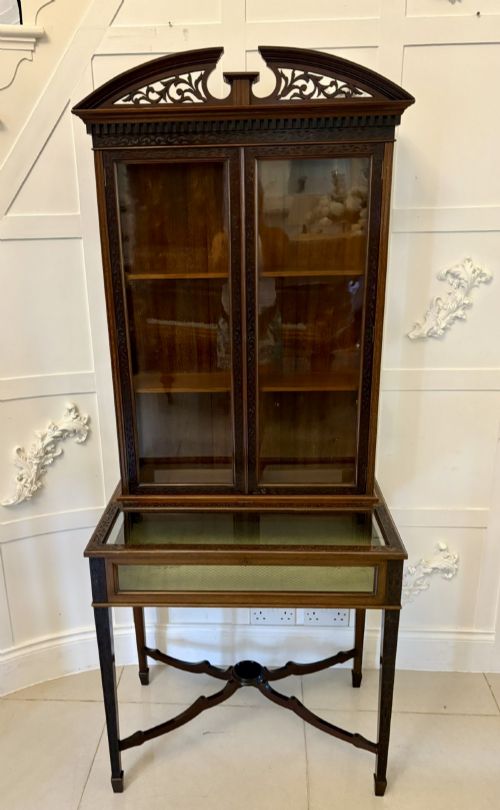
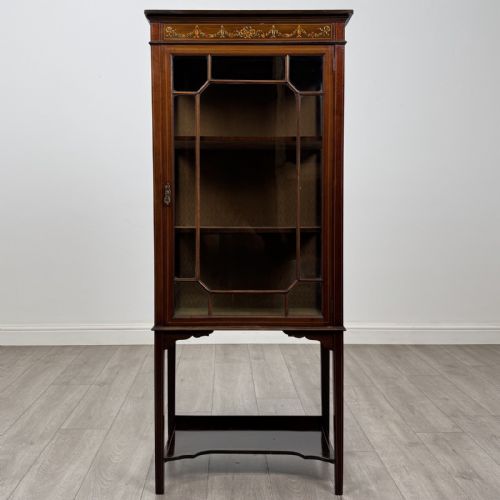
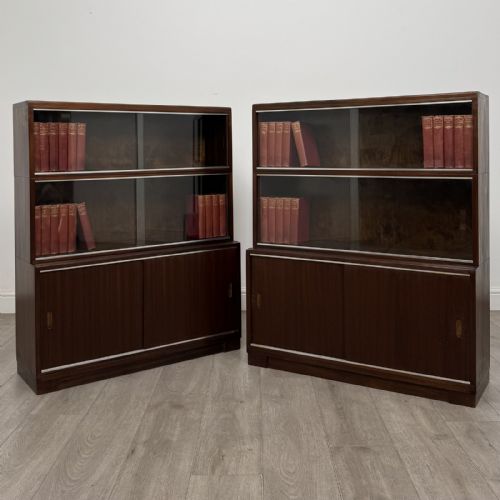
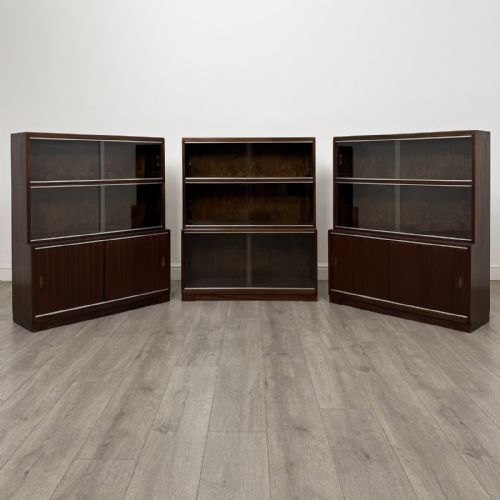
Wood Display Cabinet
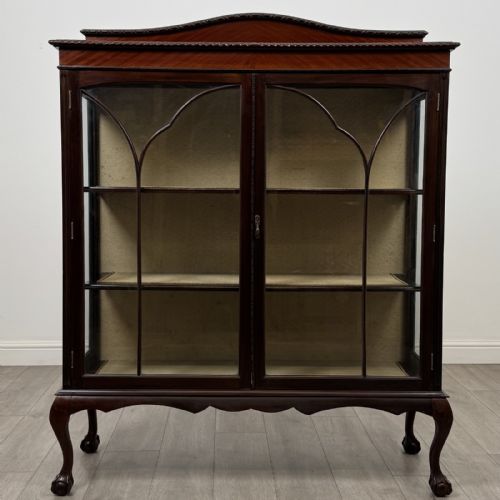
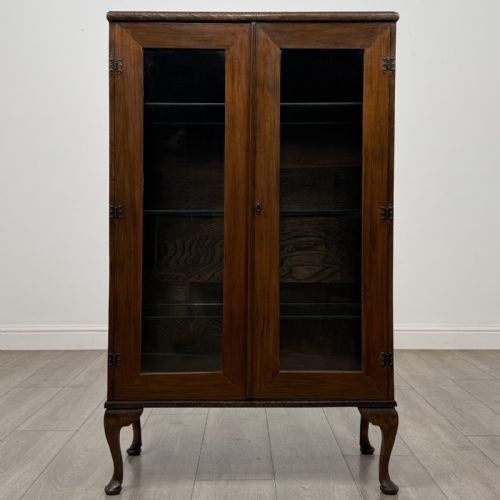
A wood display cabinet holds china, books and curios behind glass doors, bringing order and visibility to a room.
Wood Display Cabinet
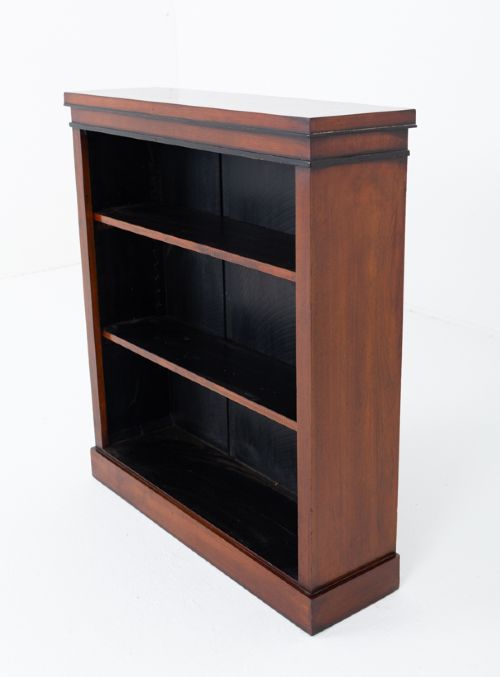
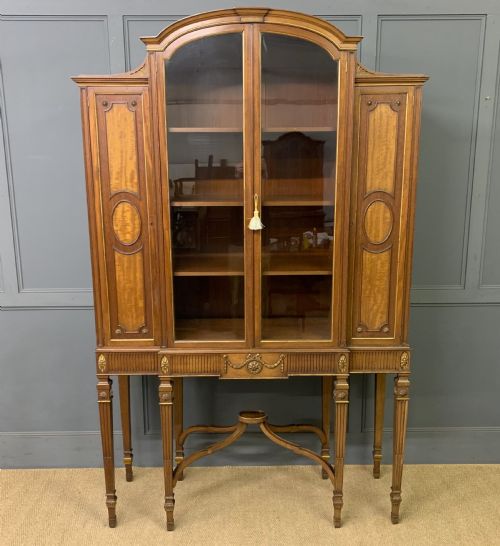
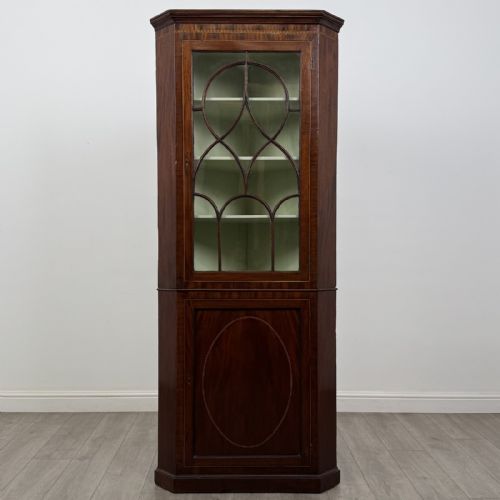
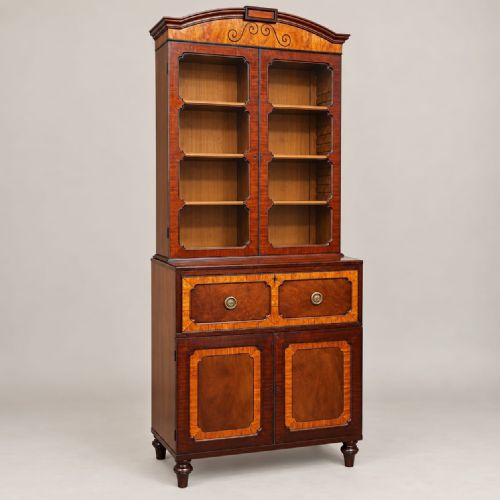
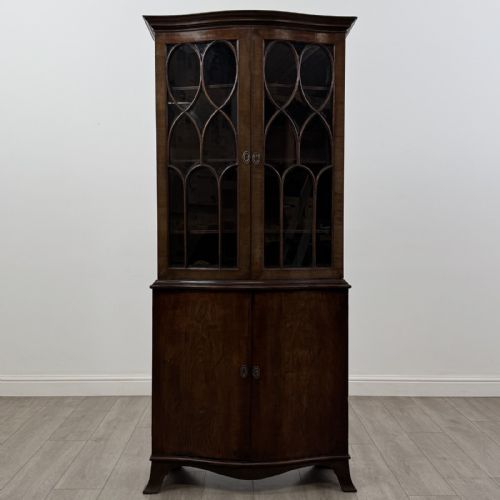
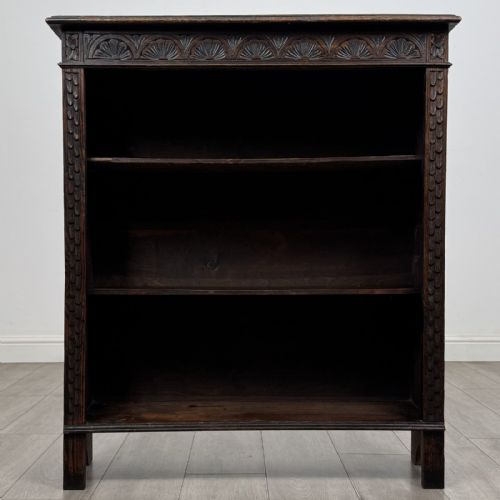
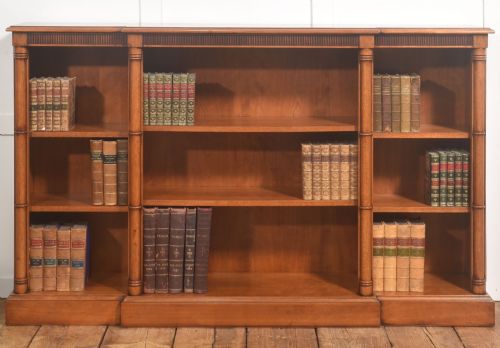
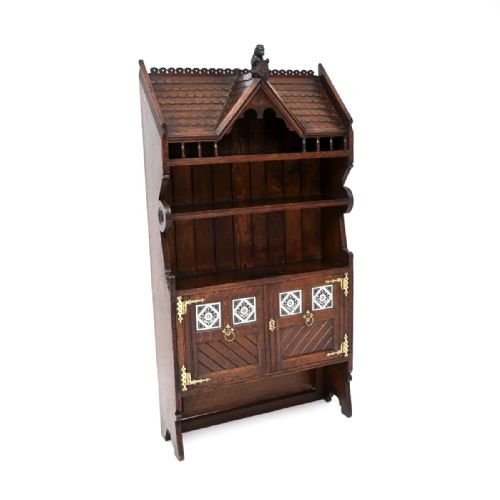
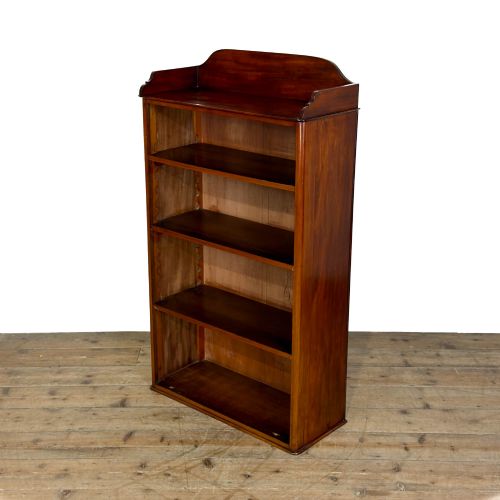
A wood display cabinet appears across the nineteenth and early twentieth centuries in forms ranging from tall bookcases and corner cabinets to inlaid Edwardian glass-fronted cabinets and Japanese shodonas. These pieces served to protect and exhibit valued possessions in the parlour, library or shop.
The buyer meets Victorian and Edwardian examples most frequently on this page, often constructed in mahogany, walnut or oak with glazed doors and adjustable shelves. Regional variations include Georgian breakfronts, satinwood bureau bookcases and Anglo-Indian hardwood cabinets.
Makers such as John Moyr Smith, Macey, Gillows and Hille contributed to this tradition, producing specialised furniture for domestic display and storage. The selection spans straightforward utilitarian shelving to elaborately carved revival styles.
Materials and Construction
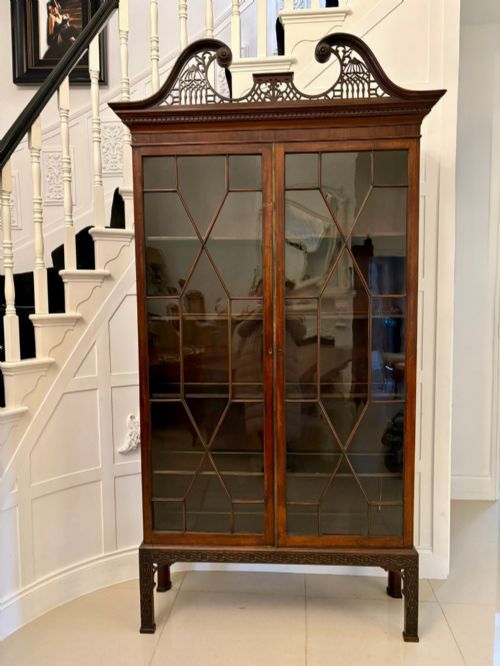
Makers built these cabinets using hardwoods including mahogany, oak, walnut, rosewood and satinwood, frequently enhanced with contrasting stringing, marquetry or brass fittings. Glass panels were secured within wooden framing to provide a clear view of the interior shelves.
Stationers utilised specialised cupboards with sliding glass to keep pens orderly before fountain pens took over the desk.
Quality Markers
Quality rests in the selection of figured timbers, the crispness of carved details, and the precision of inlaid marquetry work. Cabinets featuring fine astragal glazing bars and substantial brass hardware demonstrate superior craftsmanship.
The integrity of the internal structure, including well-fitted adjustable shelving and smooth door operation, distinguishes higher tier production from standard utilitarian pieces. Finer examples balance robust construction with refined proportions.
John Moyr Smith·Macey·Gillows·Hille
The Wood Display Cabinet Glossary
- Astragal glazing
- Wooden bars dividing glass panes within a door or window. These narrow mouldings create geometric patterns typical of Georgian and revival bookcases.
- Secretaire
- A desk disguised as a drawer or cabinet door, folding down to reveal a writing surface and small compartments. Such fittings often integrate into larger bookcases.
- Shodona
- A Japanese cabinet or display stand featuring asymmetrical shelving and decorative carving. These pieces gained popularity in Western interiors during the late nineteenth century.
- Marquetry
- Decorative veneer work forming pictures or patterns from thin pieces of wood. Craftsmen applied these elements to door panels and friezes.
- Breakfront
- A piece of furniture where the central section projects forward from the flanking wings. This architectural layout creates depth in large bookcases and sideboards.
Wood Display Cabinet: Frequently Asked Questions
Where should I place a cabinet?
These cabinets suit dining rooms, living spaces or studies where glass doors protect contents from dust while maintaining visibility. Positioning them away from direct sunlight helps preserve polished wood finishes and delicate veneers.
Ensure the floor is level so that doors and drawers align correctly within their frames. Corner cabinets utilise awkward junctions effectively, while tall breakfronts work best against expansive wall space.
How do I care for polished wood?
Maintain timber surfaces by dusting with a soft, dry cloth and applying appropriate beeswax occasionally to nourish the grain. Avoid chemical sprays or excessive moisture which can damage antique polishes.
Keep cabinets away from direct heat sources and sudden temperature shifts to prevent wood from warping or cracking. Glass panels require standard window cleaner applied to a cloth rather than sprayed directly.
How do I tell Victorian from Edwardian?
Victorian pieces tend to feature darker timbers, heavier carving and robust proportions designed to project solidity. Walnut and mahogany predominate in these mid to late nineteenth-century examples.
Edwardian furniture often displays lighter woods such as satinwood, simpler lines, and refined inlay work influenced by Sheraton revivals. Proportions become airier to suit brighter, less cluttered interior schemes.
Are shelves adjustable?
Many bookcases and display cabinets incorporate adjustable shelving supported by wooden racks, metal pins or brass strip hardware. This allows the internal layout to accommodate books or objects of varying heights.
Some early or utilitarian pieces feature fixed shelves secured permanently within the carcase. Checking the interior side panels reveals whether the height can be altered.