



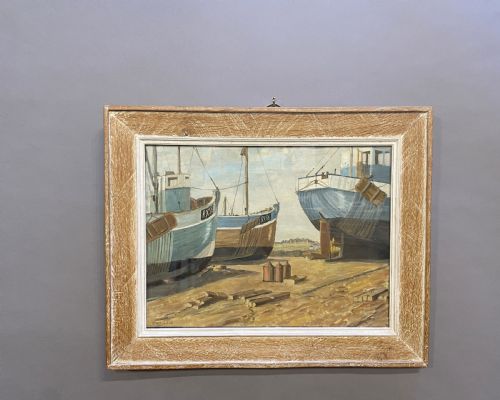
Wood Board Painting
Wood board painting brings together direct artistic expression and rigid natural supports, offering buyers tactile works spanning centuries of creative effort.
Wood Board Painting
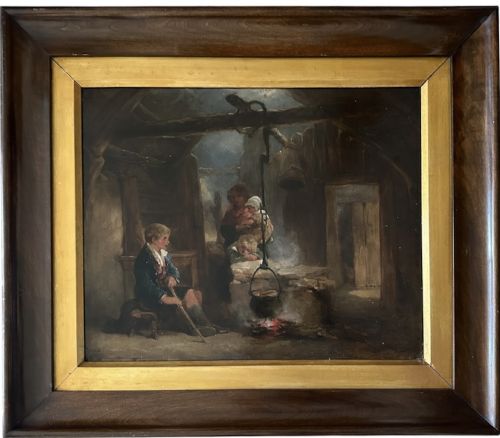
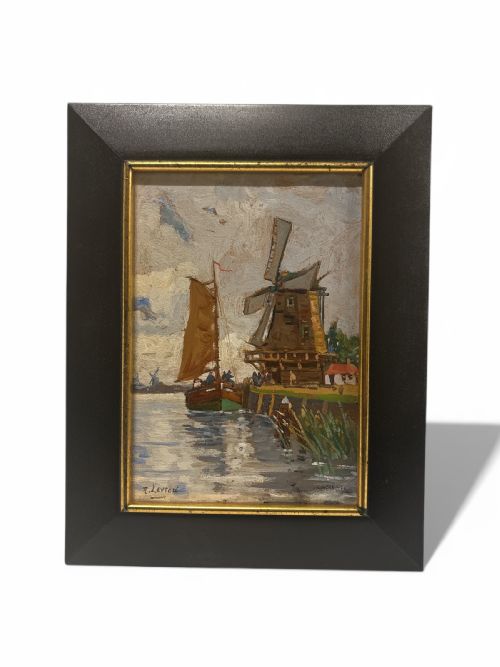
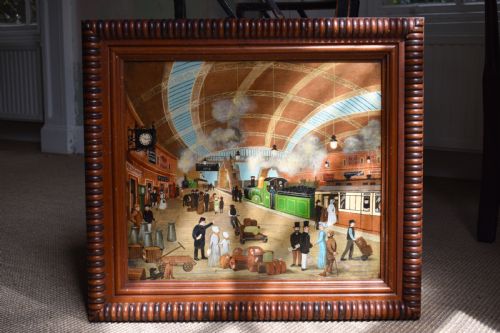
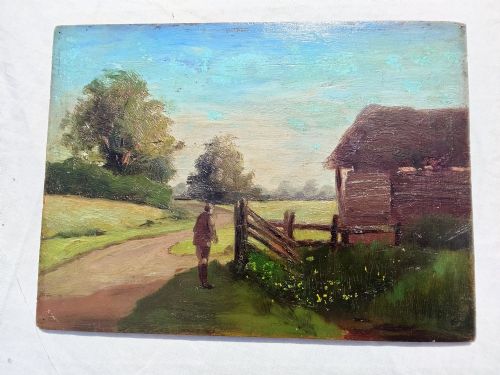
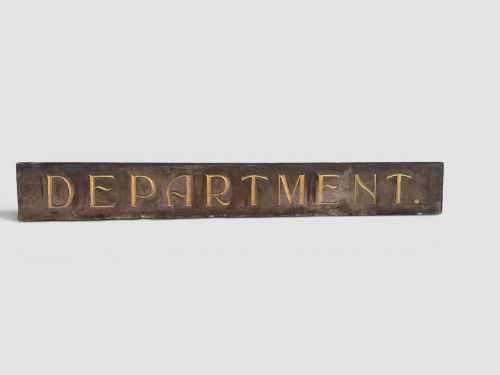
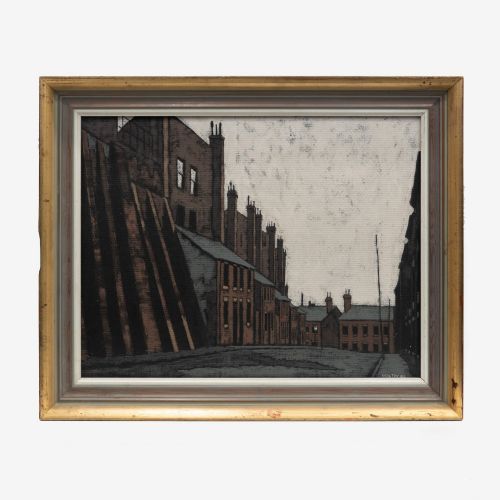
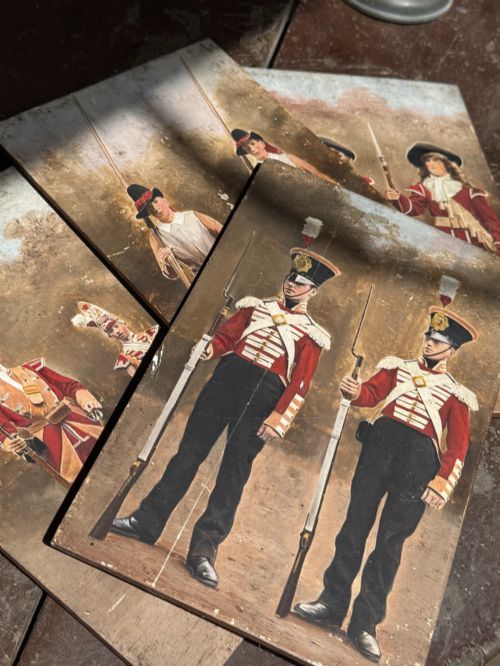
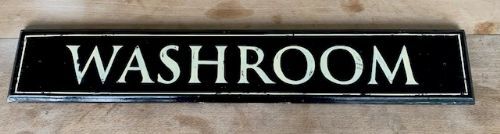
When searching for wood board painting, buyers encounter a diverse selection of works created directly on wooden panels, boards and architectural fragments rather than conventional stretched canvas. These pieces bridge fine art and decorative objects, ranging from formal landscapes and still lifes to vernacular signs, fairground panels and dummy boards.
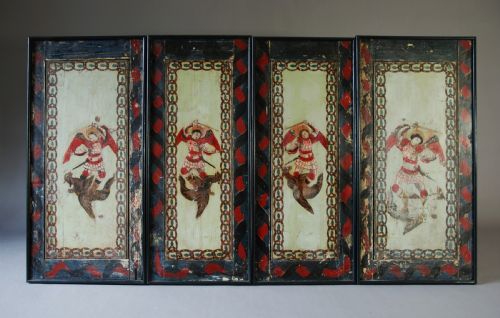
The selections span multiple centuries, with nineteenth-century examples and early twentieth-century works appearing frequently. Alongside traditional oil paintings, the category includes folk art panels, decorative shop displays and painted wooden figures designed to inhabit interior spaces.
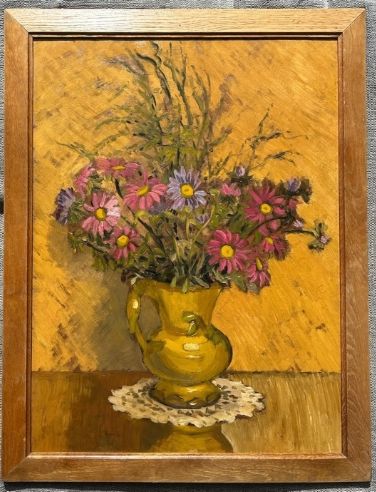
Originating from various British and European schools, these items showcase both academic skill and naive charm. Buyers find everything from delicate floral studies to robust architectural salvage carrying original paint layers.
Materials and Techniques
Artists and makers utilised solid timber supports including pine, oak and general wooden panels, often preparing the surface to receive pigment. Oil paint served as the primary medium, applied directly to the wood or occasionally over gesso preparations to build depth and texture.
Many utilitarian and decorative items received hand-painted finishes using oil or standard decorative paints, sometimes sealed with protective varnishes. Structural elements like pine boards, reclaimed panels and shaped wooden cutouts provided rigid foundations that survived decades of handling and environmental change.
Listings feature oak, pine, and general wood boards supporting oil paint, gilt, and plain paint across the eighteenth, nineteenth, and twentieth centuries.
Assessing Quality
Quality rests upon the skill of the brushwork, the stability of the wooden support and the integrity of the original surface finish. Superior examples display confident handling of pigment and balanced composition, whereas lesser pieces can feel stiff or overly formulaic.
The preservation of the original paint layer dictates much of the appeal, with untouched surfaces commanding greater appreciation than heavily restored panels. The character of the wood itself, including natural grain and honest wear, contributes to the overall presence of the piece.
Kenneth Cozens·R Leyton·W Klombeck·Maria Jose Hernandez·Jonny Gaston·John Moore of Ipswich·Stuart Walton·Florence Adelina Hess·Allan Douglas Davidson·Gabriel Puig Roda·Colin Graeme Roe·John Bell·Phillip Krevoruck·Hans Temple·John Falconar Slater·W Lewis·David Woodford·Lewis Creighton·Jack Cross·Brian Richardson·Frank Wood·George Sherwood Hunter·Carlo Follini·Charles Horwood·W E Littlewood
The Wood Board Painting Glossary
- Dummy board
- A painted wooden figure cut out to silhouette life-sized people, animals or soldiers, designed to deceive the eye from a distance.
- Panel
- A flat piece of wood used as a rigid support for painting in place of stretched canvas.
- Gesso
- A plaster-like mixture applied to wooden surfaces to prepare them for gilding or painting.
- Folk art
- Utilitarian or decorative objects made by self-taught individuals, often characterised by a naive or direct aesthetic.
- Architectural salvage
- Salvaged building elements, such as painted signs and decorative boards, repurposed for interior display.
Wood Board Painting: Frequently Asked Questions
What is a wood board painting?
A wood board painting is an artwork executed directly on a wooden panel, board or wooden object rather than on traditional canvas. These supports provide a rigid foundation that often outlasts fabric.
They encompass fine art landscapes and portraits as well as decorative items like painted signs and decorative panels.
How do I care for wooden panel paintings?
Wooden supports react to changes in humidity and temperature by expanding and contracting slightly. Keep them away from direct heat sources and damp environments to protect the wood and the paint layer.
Dust them gently with a dry, soft cloth and avoid using liquid cleaners on the painted surface.
Were these pieces used outdoors?
Many items in this category, such as fairground panels, trade signs and architectural salvage, were originally made for external use or bustling public environments. Their exposure to the elements often created the distressed patinas collectors prize today.
Most surviving examples are now suited exclusively for indoor display.
How can I tell the age of a painted board?
Dating relies on examining the type of wood, the preparation of the surface, the pigments used and the style of the painting or lettering. Wear patterns and fixings on the reverse also offer clues to the period of manufacture.
Comparing construction methods with dated examples helps narrow down the decade or century.