



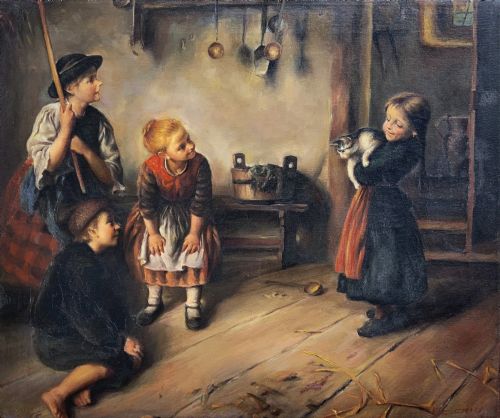
Framed Mid Century Painting
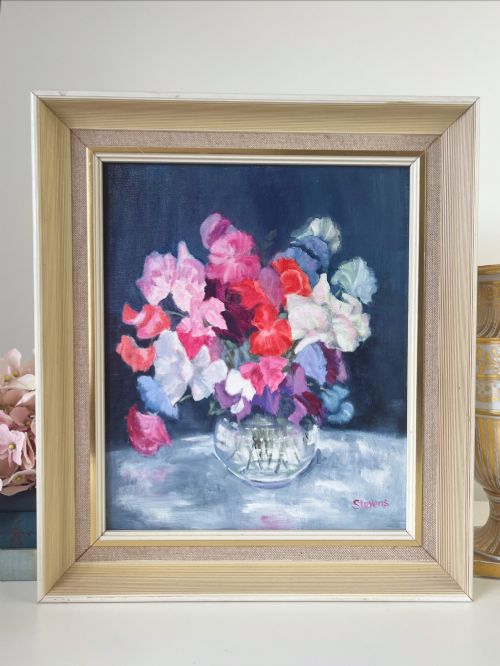
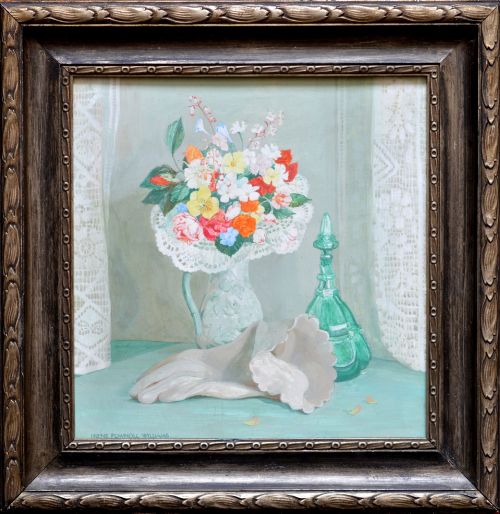
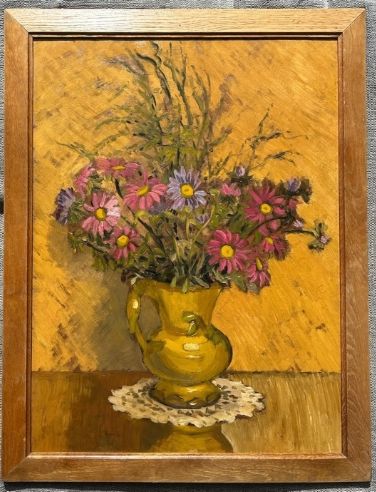
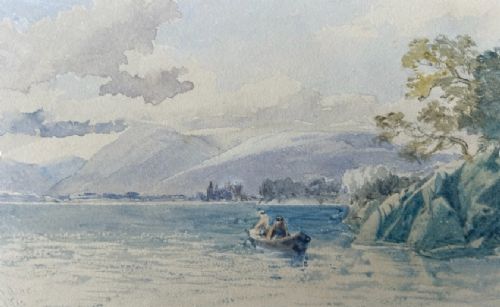
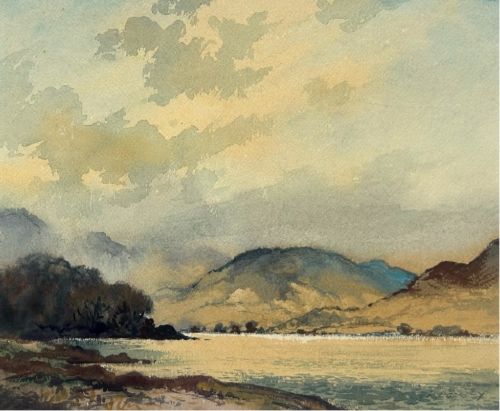
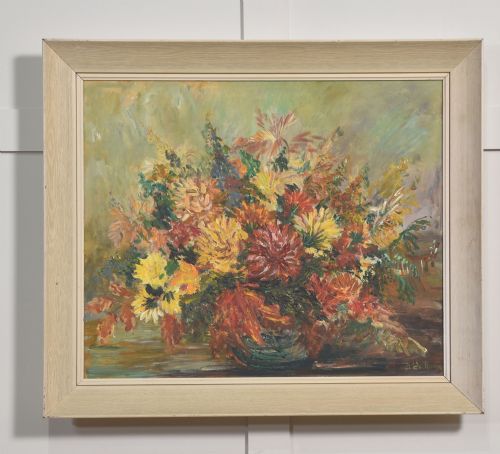
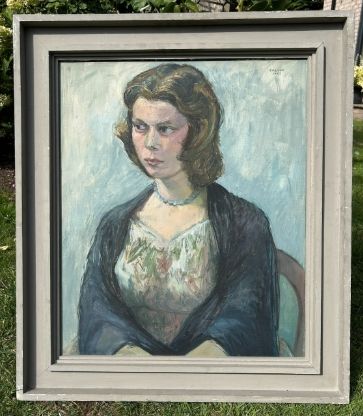
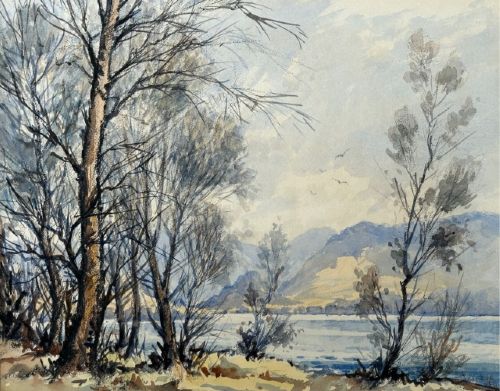
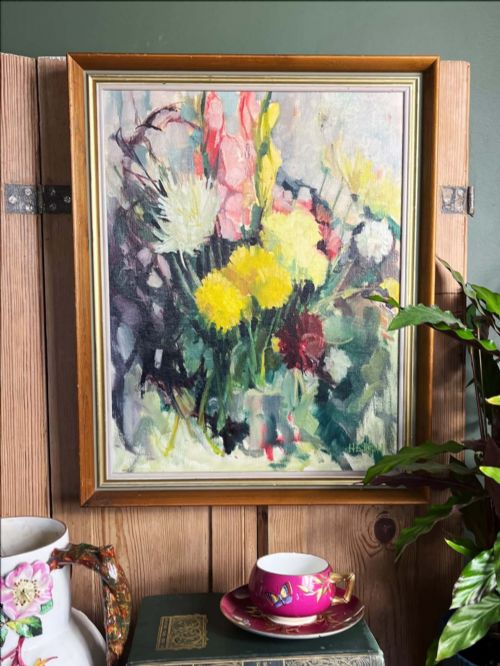
A framed mid century painting brings mid-century modern and British impressionist character to a room through original canvases and boards.
Framed Mid Century Painting
A framed mid century painting encompasses original works produced primarily during the 1930s, 1940s, 1950s, and 1960s, spanning landscapes, portraits, and still lifes. These works reflect movements such as mid-century realism, modern British art, and expressionism.
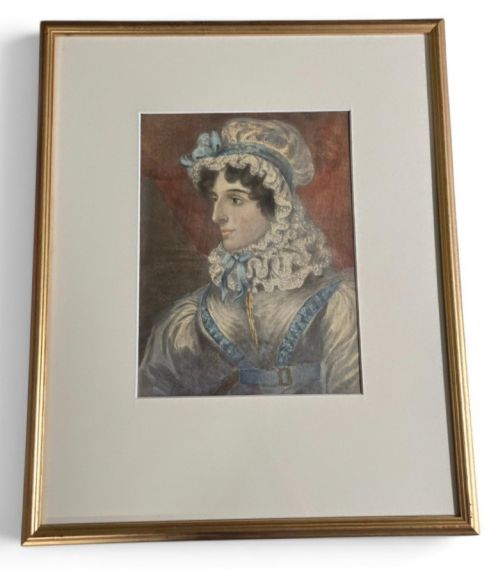
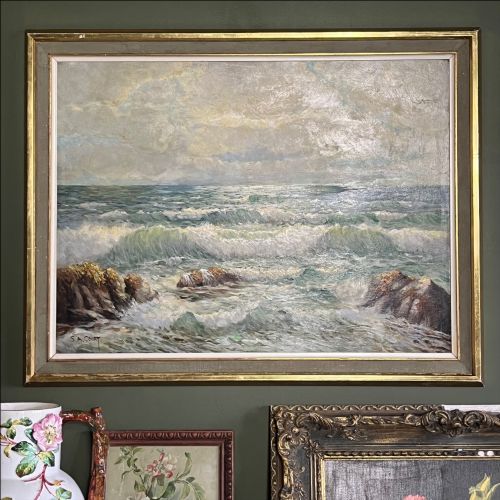
The selections available here range from coastal scenes and cityscapes to intimate portraits and floral studies. Most examples date from the mid-twentieth century, though earlier nineteenth-century portraits and watercolours also appear.
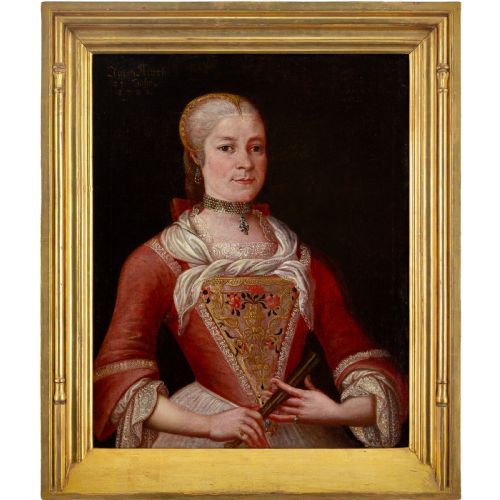
Buyers encounter works executed on canvas, wood panel, board, and paper, often housed in period frames including swept gilt moulding. These pieces serve as primary wall art for domestic and institutional interiors.
Quality and execution
Quality rests upon the confidence of the brushwork, the harmony of the palette, and the fidelity of the composition. Skilled artists capture light and form with economy and precision.
The integrity of the original support and the condition of the pigment layer influence the standing of a piece. Original framing that complements the period of the artwork adds further distinction.
Listings feature works spanning from the seventeenth century through to the 1960s, with oil paint, canvas, wood, and board as primary materials.
Kenneth Cozens·Thomas Miles Richardson Jnr·Bernard Hailstone·Robert Leslie Howey·Antonio DeVity
The Framed Mid Century Painting Glossary
- Board
- A rigid flat substrate made of wood pulp or composite material used as a painting support instead of canvas.
- En plein air
- A French term describing the practice of painting outdoors to capture direct natural light and atmosphere.
- Gilt
- A thin layer of gold leaf or metallic paint applied to wooden frames for decorative surface enrichment.
- Provenance
- The documented history of ownership and origin associated with a work of art.
- Swept frame
- An ornate wooden frame featuring moulded scrolling details and deep profiles popular in traditional framing.
Framed Mid Century Painting: Frequently Asked Questions
How do I date a mid century painting?
Dating relies on stylistic markers, framing methods, and artist documentation recorded in signatures or exhibition labels. Mid-century works often display distinctive post-war colour palettes and modernist compositional structures.
Physical inspection of the canvas backing, stretcher bars, and framing materials provides further clues to the precise decade of creation.
What is the difference between oil on canvas and board?
Oil on canvas involves pigment applied to a flexible woven textile stretched over a wooden frame, offering a springy surface and subtle texture. Board provides a completely rigid flat surface that requires less structural tension.
Both supports were widely utilised throughout the twentieth century depending on the artist's preference for studio or outdoor work.
How should I hang and light a vintage painting?
Hang paintings at eye level on interior walls away from direct sunlight and fluctuating humidity sources to protect the pigment and support. Stable environmental conditions prevent warping of wooden boards and canvas slackening.
Utilise dedicated picture lights or balanced ambient LED illumination to reveal the true colour values and brush texture without generating excessive heat.
Are original frames important for these paintings?
Original frames provide historical context and aesthetic harmony intended by the artist or contemporary framer. Swept gilt frames and simpler mid-century wooden mouldings complement the period character of the artwork.
Retaining the original housing preserves the complete historical object, though framing can be updated if structural stability requires intervention.