




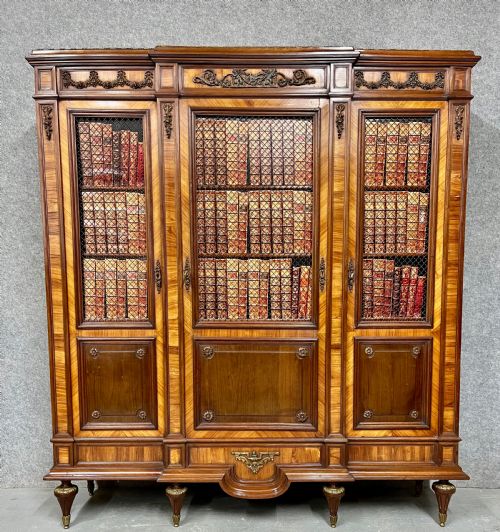
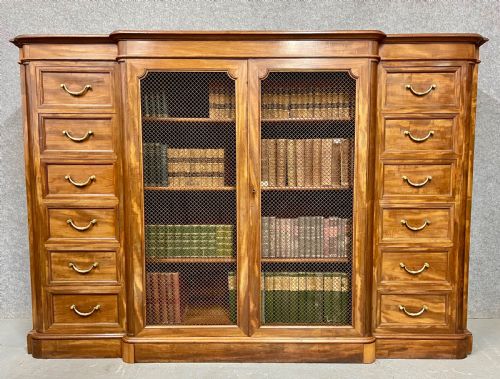
Wire Mesh Door Cabinet
A wire mesh door cabinet offers visible storage through woven metal panels, combining practical utility with period elegance.
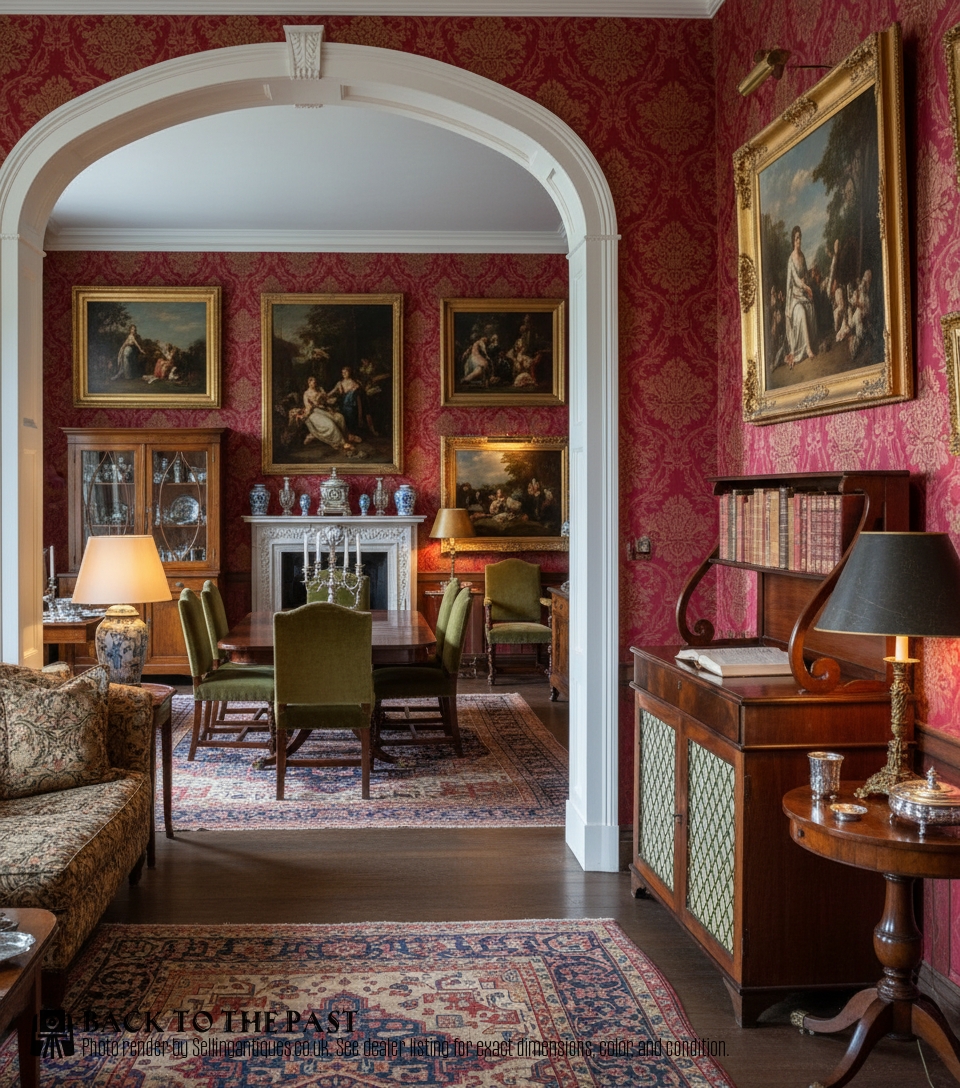
Wire Mesh Door Cabinet
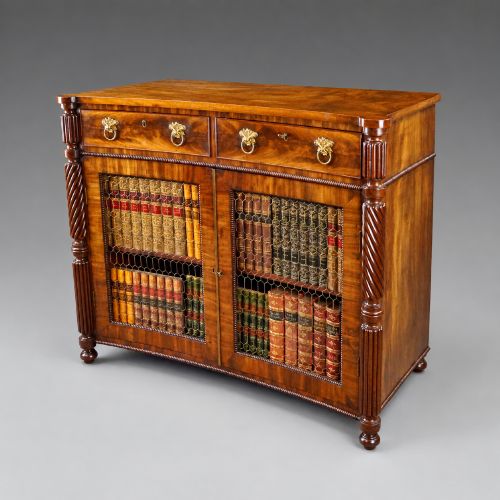
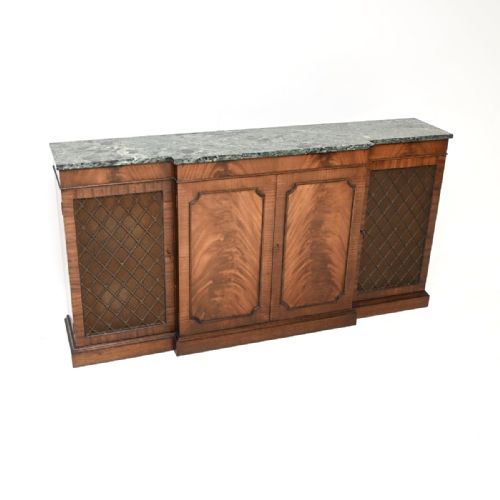
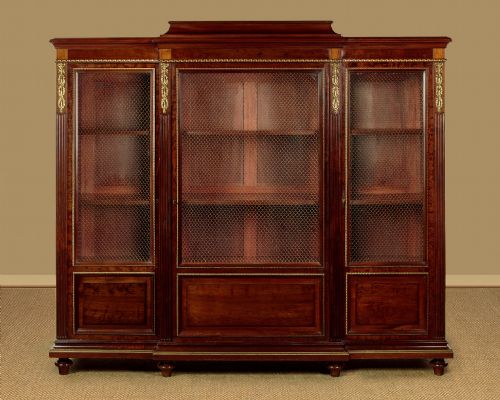
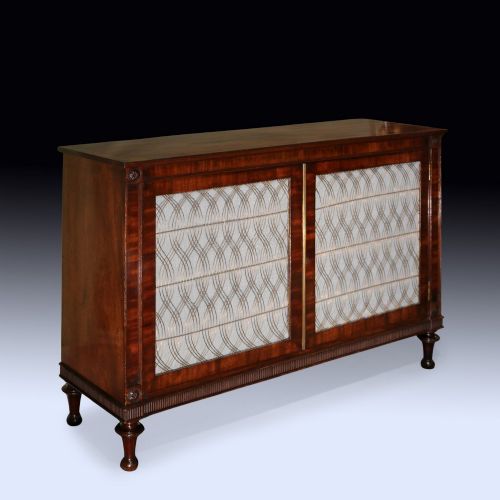
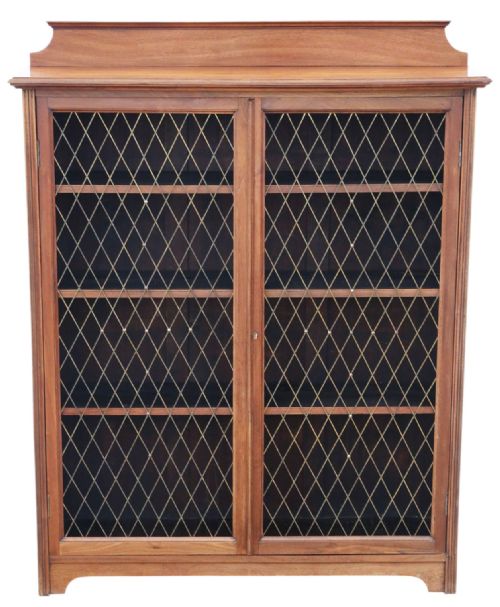
A wire mesh door cabinet serves as a functional storage piece, often taking the form of bookcases, side cabinets, and sideboards across this selection. These items emerge from various eras, including the eighteenth and nineteenth centuries, alongside pieces from the early twentieth century.
The most frequent examples on this page are mahogany side cabinets and bookcases featuring either brass grilles or wire mesh panels. Makers from periods such as Regency, Georgian, and William IV shaped these utilitarian and display forms to store books and household items securely while maintaining ventilation.
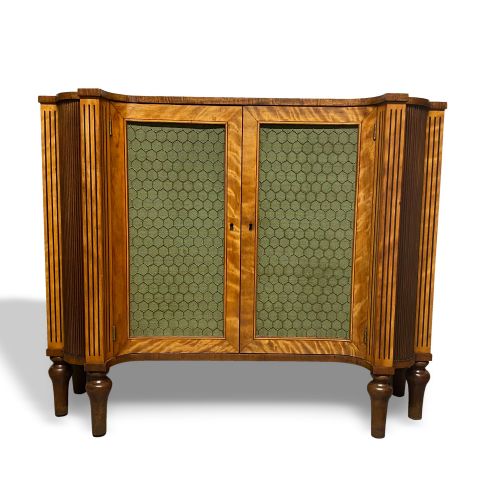
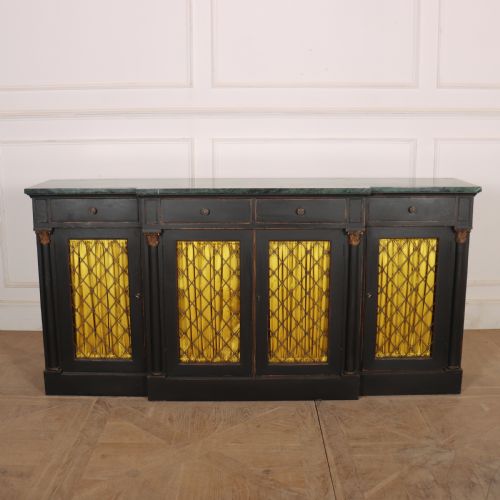
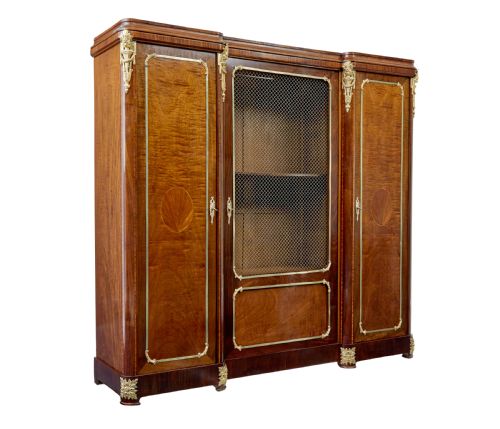
Origin influences the character of each piece substantially, with English mahogany designs appearing alongside French Louis XV style and French Empire influenced pieces. Buyers also encounter painted wood finishes and satinwood surfaces among the domestic and continental examples.
Materials and construction methods
Construction relies heavily on dense timbers such as mahogany, walnut, and satinwood, often paired with brass mounts and woven wire mesh or grilles. Cabinetmakers built these carcases to house adjustable display shelves and heavy books without warping.
Surface treatments range from polished mahogany and figured kingwood to painted wood finishes. Fine examples integrate marble tops and detailed brass mounts to elevate the visual weight of the timber.
Country house cabinets quietly hold centuries of secrets behind their modest wire mesh doors.
Distinctions in construction and finish
Quality reveals itself in the selection of timber figures, such as figured mahogany and satinwood, and the precision of the brass grille or wire mesh fitting. Superior items display careful joinery in the carcase and refined proportions that balance the storage compartments.
The integration of secondary materials like marble tops and fine brass mounts separates standard utility storage from high-style library bookcases and sideboards. Original hardware and intact mesh panels contribute significantly to the integrity of the piece.
Ince & Mayhew
The Wire Mesh Door Cabinet Glossary
- Breakfront
- A cabinet or bookcase whose central section projects forward from the flanking sections. This architectural arrangement creates depth and shadow on large library pieces.
- Grille
- A decorative metal lattice fitted into a cabinet door in place of wood or glass. These networks of brass or wire allowed air circulation inside enclosed shelves.
- Kingwood
- A dense, heavily figured exotic timber featuring rich dark brown and gold tones. Cabinetmakers utilised this wood for high-end French and English decorative pieces.
- Satinwood
- A light-coloured tropical timber with a lustrous, reflective grain. It gained popularity during the Georgian and Regency periods for refined cabinetwork.
- Concave
- Curved inwards like the interior of a circle. This subtle shaping alters the standard rectangular silhouette of a side cabinet.
Wire Mesh Door Cabinet: Frequently Asked Questions
What is a wire mesh door cabinet?
A wire mesh door cabinet is a storage piece featuring woven metal panels instead of solid wood or glass in the doors. These items functioned historically to store books, linen, or provisions while allowing proper ventilation.
Today, buyers use them in living areas and libraries to display collections while keeping contents protected yet visible through the wirework.
How do I date a wire mesh cabinet?
Dating relies on examining the timber species, construction methods, and stylistic details such as Regency brass mounts or Georgian proportions. Secondary woods and backboards also offer clues regarding the period of manufacture.
Comparing the specific joinery techniques to known nineteenth and eighteenth-century examples helps confirm the age of the carcase.
Where should I place a side cabinet?
Side cabinets suit dining rooms, hallways, and living spaces where surface area and enclosed storage are both required. Their shallow depths compared to large wardrobes make them practical for narrow rooms.
Positioning them away from direct heat sources protects the antique timber and polished finishes from drying out.
How do I care for antique timber?
Maintain antique timber by dusting regularly with a soft, dry cloth and avoiding modern silicone-based polishes. Applying occasional specialist wax preserves the moisture and lustre of mahogany and walnut surfaces.
Keep the room humidity stable to prevent the wood and internal wire mesh panels from shifting or rusting.