


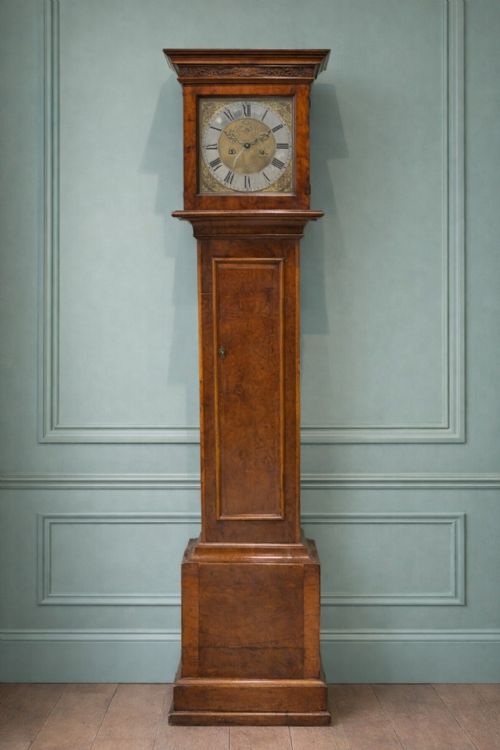


William Mary Longcase Clock
A william mary longcase clock brings monumental proportion and intricate marquetry into a room, anchoring the space with centuries of horological history.
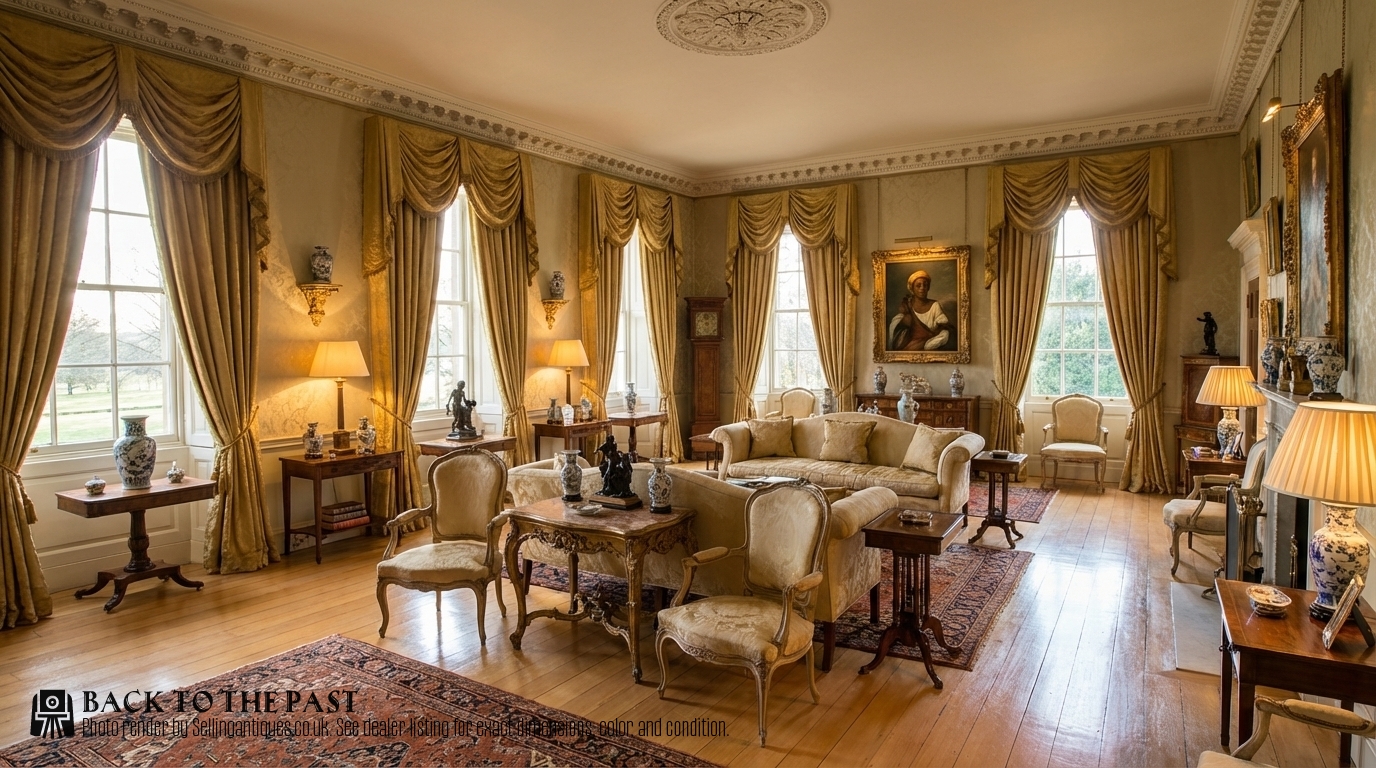
William Mary Longcase Clock
A william mary longcase clock stands as a towering achievement of late seventeenth-century design, combining architectural presence with precision timekeeping. These tall-case timepieces emerge predominantly from the distinct aesthetic of the William and Mary period, though related examples span the seventeenth century into the early eighteenth century.
The versions most commonly met on this page feature rich timber casework housing traditional brass dials and steel movements. Regional examples appear alongside sophisticated London pieces, offering buyers a choice between provincial charm and metropolitan sophistication.
The form developed during an era of intense innovation in English clockmaking, resulting in tall wooden trunks designed to protect weight-driven movements. Collectors encounter both thirty-hour and eight-day durations, housed in cases that reflect the height of cabinet-making standards from the period.
Materials and construction
Cabinet-makers of the period utilised highly figured timbers such as walnut, burr walnut, burr elm, and oak to construct the tall wooden cases. These woods were often embellished with intricate marquetry inlay, creating elaborate floral and geometric patterns across the flat surfaces of the trunk and hood.
The internal mechanics rely upon brass dials and steel components, assembled by skilled horologists working within London and provincial workshops. Glass panels inserted into the hood door protect the delicate dial face while allowing a clear view of the time.
Early clockmakers occasionally signed their brass dials in Latin, ensuring future generations needed a classics degree just to read the maker's name.
Markers of distinction
The sophistication of the timber selection largely determines the standing of a particular piece, with densely figured burr veneers and crisp marquetry setting the finest examples apart from simpler oak versions. The delicacy of the floral inlay and the preservation of the original surface finish indicate the level of craftsmanship invested in the cabinet work.
The reputation of the maker inscribed upon the brass dial further distinguishes the horological merit of the clock. Master clockmakers of the late seventeenth century incorporated movements of superior technical execution, separating standard production from the work of renowned metropolitan workshops.
Henry Massy·Nathaniel Pyne·Edin Burgis·Edward East·Joseph Knibb·Edward Stanton·Joseph Saer·Joseph Windmills·William Noke·John Welsh·Peter Wise·Richard Baker·Jonathan Jones·Thomas Deykin
The William Mary Longcase Clock Glossary
- Marquetry inlay
- Decorative wood veneers meticulously cut and fitted to form pictorial or geometric designs on the surface of the clock case. This technique required immense skill from seventeenth-century cabinet-makers.
- Longcase clock
- A tall, weight-driven pendulum clock housed inside a protective wooden trunk, commonly referred to as a grandfather clock. The design emerged to accommodate longer pendulums for greater timekeeping accuracy.
- Burr walnut
- A prized wood harvested from the gnarled growths of walnut trees, yielding swirling, highly decorative grain patterns. It decorated the most luxurious furniture and clock cases of the period.
- Eight-day movement
- A clock mechanism designed to run for eight days between manual windings, requiring heavier lead weights and more complex gear trains than thirty-hour variants.
William Mary Longcase Clock: Frequently Asked Questions
How do I wind the clock?
Winding involves using a specialised key or pulling the cords attached to the internal weights, depending on the specific mechanism design. Care must be taken not to overwind the movement.
Most eight-day clocks require winding once a week, while thirty-hour variants need attention daily or weekly according to their specific gear train configuration.
Where should I place it?
Position the clock against a sturdy interior wall away from direct sunlight, heating vents, and damp areas to protect the antique timber and delicate veneers.
A stable floor surface is essential to ensure the pendulum swings evenly and the movement keeps accurate time without interruption.
How do I identify the period?
Examine the construction methods of the wooden case, the style of the brass dial spandrels, and the signature of the maker engraved on the face. Late seventeenth-century pieces often display distinct marquetry patterns and narrower trunk proportions.
Comparing the dial layout and lettering style against documented makers from the William and Mary era helps confirm the approximate date of manufacture.
Were these clocks used in bedrooms?
Longcase clocks were primarily installed in principal reception rooms, hallways, and grand staircases where their striking mechanism could be heard throughout the household.
Their imposing height and resonant chime made them public statements of status and utility within the home rather than private bedroom timepieces.