






Period Longcase Clock
A period longcase clock stands as the architectural heartbeat of a traditional interior, bringing centuries of mechanical precision and cabinet-making to a hallway.
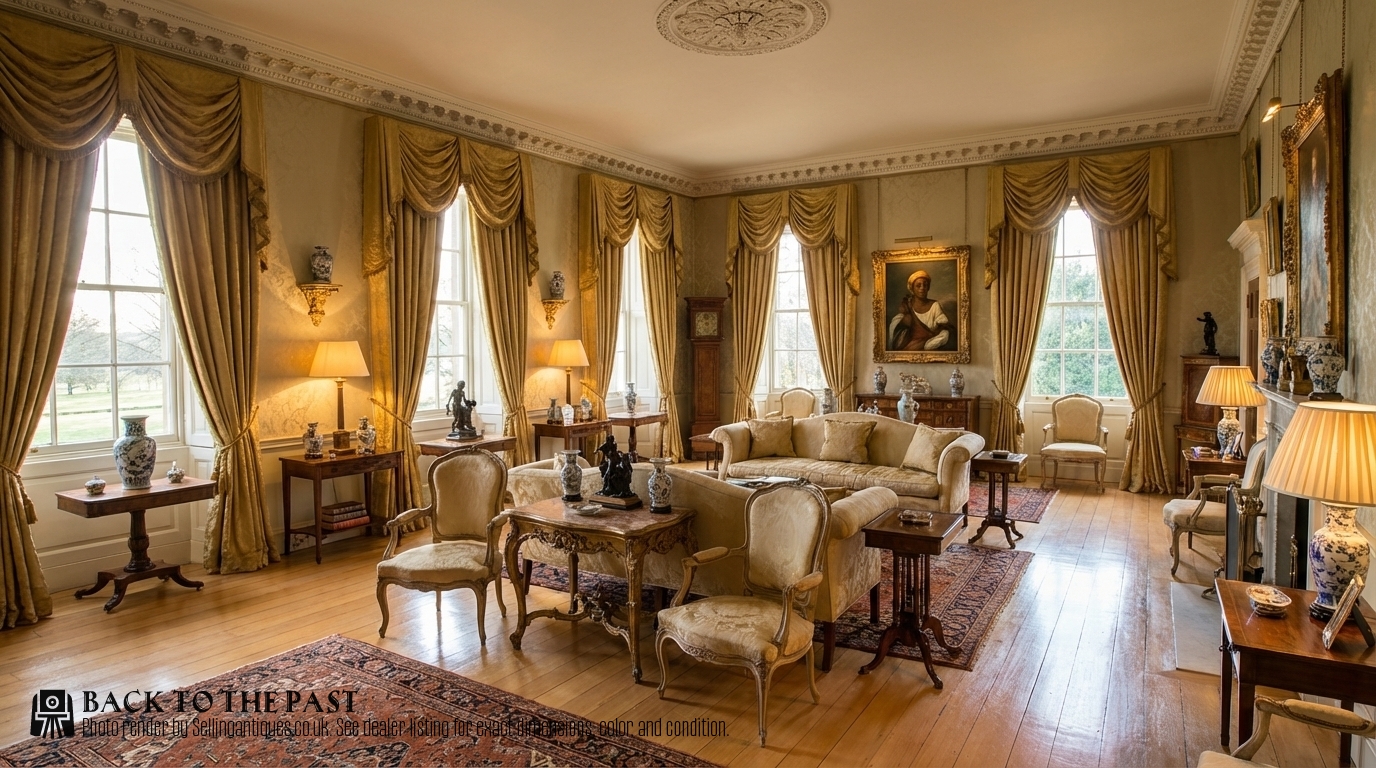
Period Longcase Clock
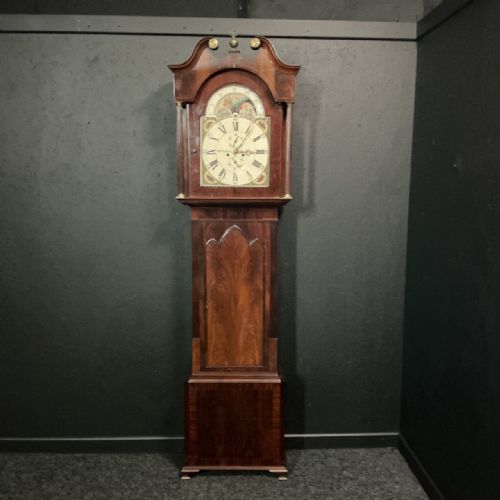
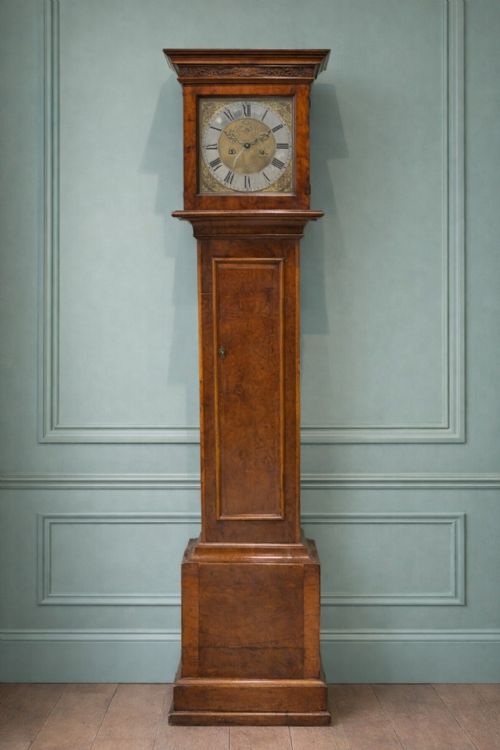
A period longcase clock is a tall floor-standing timepiece housing a weight-driven movement beneath a protective wooden hood and trunk. When searching for a period longcase clock, a buyer encounters pieces spanning the seventeenth, eighteenth, and nineteenth centuries, often referred to colloquially as grandfather clocks.
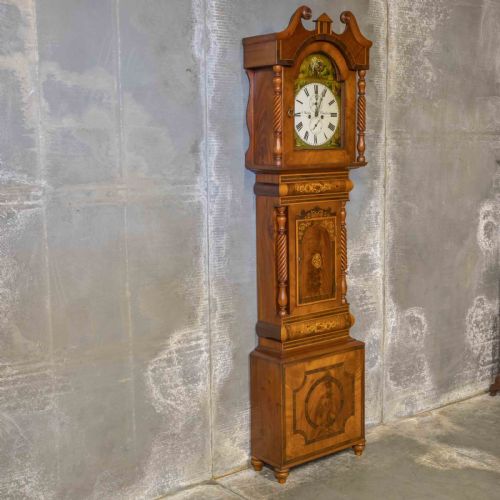
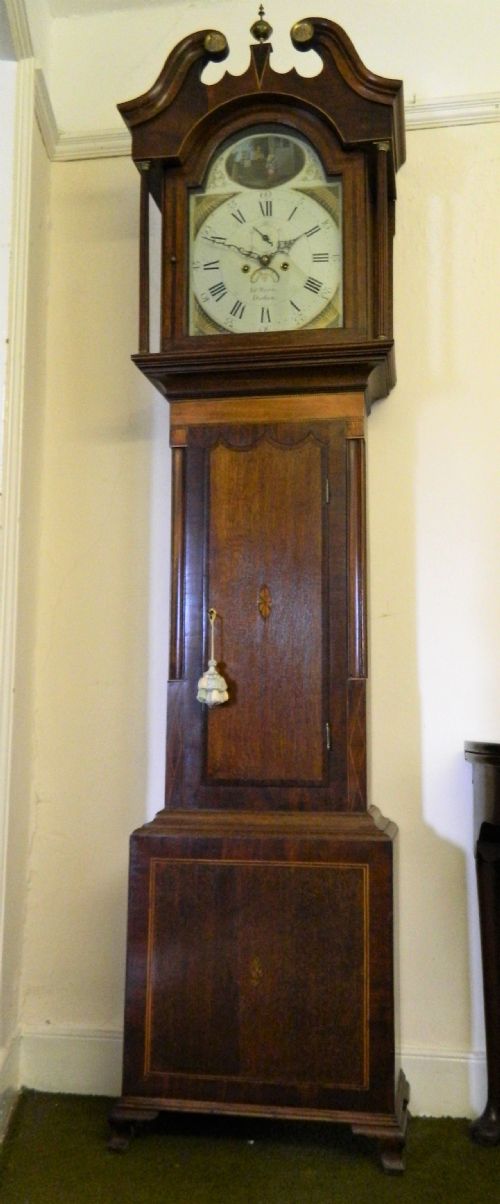
Regional diversity shapes the selection, with provincial makers from towns like Kendal, Lancaster, and Horsham appearing alongside notable metropolitan clockmakers. Cabinets vary from plain rustic oak to sophisticated examples featuring marquetry inlay and lancet tops.
Materials and Construction
Makers constructed the tall wooden cases using native and imported timber including oak, mahogany, walnut, and burr elm, often over deal carcases. Carpenters utilised figural veneers, cross-banding, and chequered inlaid decoration to embellish the trunk and base.
The dials combine brass chapter rings, cast brass spandrels, and painted iron surfaces protected by glazed doors. Internally, brass gear trains and iron arbors operate via suspended weights and pendulum rhythms.
Some provincial clocks were affectionately termed cottage clocks, built small enough to fit low farmhouse ceilings.
Evaluating the Range
Quality separates simple utility timepieces from exceptional cabinet work through the choice of timber and the sophistication of the dial. Figured grain, intricate marquetry, and choice veneers distinguish high-end metropolitan pieces from standard regional oak furniture.
The precision and finish of the mechanical movement, whether an eight-day or thirty-hour train signed by a notable maker, dictate the standing of the clock. Proportion also plays a vital role, with smaller cottage proportions and balanced architectural hoods commanding particular attention.
Joseph Saer·Williams·Raine of Durham·Burton of Kendal·Saunders of London·Thomas Deykin·John Culliford·James II·Rule of Portsmouth
The Period Longcase Clock Glossary
- Longcase clock
- A tall freestanding weight-driven timepiece featuring a dial, trunk, and base. These pieces are commonly known as grandfather clocks.
- Dial
- The face of the clock displaying the hours and minutes. It often incorporates engraved brass or painted iron.
- Spandrel
- The ornamental corner piece set in the angles of a clock dial. These cast brass decorations evolved in style across different periods.
- Hood
- The upper glass-fronted section enclosing the dial and movement. It frequently lifts off or opens forward to allow access.
- Marquetry
- Decorative veneer work formed by fitted pieces of various woods. Artisans applied these patterns to seventeenth and eighteenth-century cases.
Period Longcase Clock: Frequently Asked Questions
How do I wind a longcase clock?
Winding requires raising the internal weights using a crank key inserted into the dial face.
Care must be taken not to over-wind the movement, stopping when resistance is felt.
What is the difference between oak and mahogany cases?
Oak cases typically reflect provincial or early eighteenth-century country cabinet-making.
Mahogany cases generally indicate later Georgian refinement and imported tropical timber usage.
How do I tell an 18th century clock from a 19th century one?
Eighteenth-century examples often feature square brass dials with cast spandrels and oak or walnut carcasses.
Nineteenth-century pieces frequently display painted iron arched dials and richer mahogany veneers.
Where should I place a longcase clock in my home?
A dry interior wall away from direct heat sources and drafts ensures the movement remains stable.
Solid floorboards are essential to keep the pendulum swinging evenly and the case upright.