


William IV Wooden Box
A william iv wooden box brings together substantial timbers like mahogany and rosewood to form practical containers designed for correspondence, tea, and precious items.
William IV Wooden Box
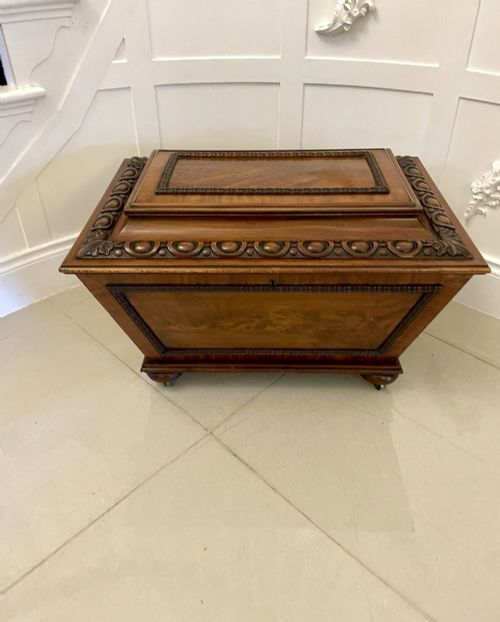
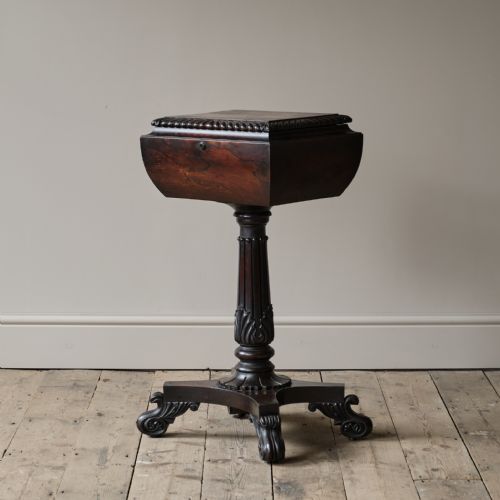
When you search for a william iv wooden box, you encounter a distinct group of containers that span the nineteenth century, including the Regency and Victorian eras. These items served specific domestic functions, functioning as cellarettes, teapoys, writing slopes, jewellery boxes, and snuff boxes.
Makers such as Gillows and Austin produced notable iterations of these forms, often incorporating elaborate inlays and fitted interiors. Pieces range from table top writing boxes to substantial freestanding teapoys set on carved feet.
What varies in quality
The standard of a william iv wooden box depends heavily on the selection of timber and the complexity of its construction. Highly figured mahogany, burr walnut, and burr yew elevate a piece above standard stock.
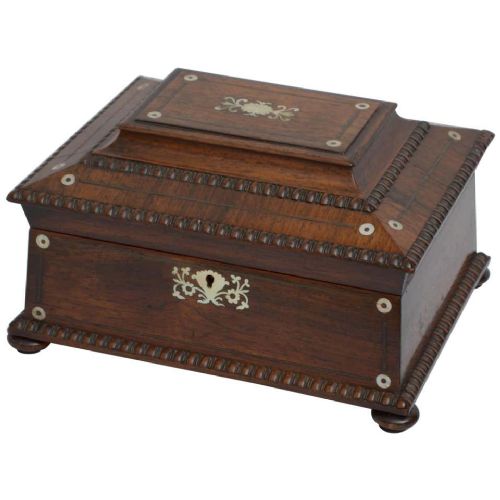
Execution of decorative elements distinguishes finer examples, particularly where intricate mother of pearl bird and foliate inlay or crisp carving adorns the exterior. Maker attributions or stamps from established firms like Gillows further mark out superior production.
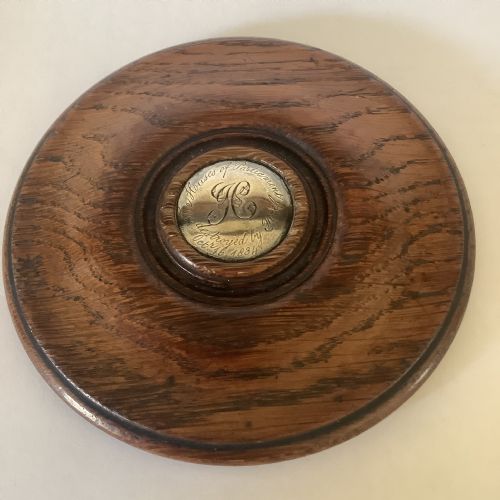
One listed snuff box originated as a curious relic salvaged directly from the devastating fire of the Houses of Parliament in 1834.
Gillows·Austin
The William IV Wooden Box Glossary
- Teapoy
- A pedestal table or standalone box designed for storing and serving tea. These pieces often contain internal mixing bowls and caddy boxes.
- Cellarette
- A lockable container used for storing wine and bottles, frequently constructed in a sarcophagus shape during this period.
- Writing slope
- A portable slant-topped box that opens to reveal a slanted writing surface, inkwells, and storage compartments for correspondence.
- Sarcophagus
- A coffin-like architectural shape with a domed lid and panelled sides, widely favored for tea caddies and wine coolers of the era.
- Work box
- A container outfitted for sewing and needlework supplies, sometimes configured as an ottoman or standing worktable.
William IV Wooden Box: Frequently Asked Questions
What is a teapoy used for?
A teapoy served as a container for storing expensive dry tea leaves safely away from moisture and light in the nineteenth century parlour. Many examples included internal caddies and mixing bowls for preparing the brew.
Over time, these versatile pieces transitioned from functional pantry boxes to decorative furnishings displayed prominently in reception rooms.
How do I identify a William IV box?
William IV pieces typically display robust classical proportions, heavy timbers like mahogany and rosewood, and characteristic sarcophagus forms. Look for carved scroll feet and bold architectural mouldings.
Makers occasionally incorporated specific motifs such as mother of pearl inlay, brass mounts, or stamps from known workshops.
What woods were used in these boxes?
Cabinet makers predominantly utilised dense tropical hardwoods, choosing mahogany and rosewood for their strength and deep colouration. Burr walnut and burr yew also appear, selected for their striking decorative grain.
Oak was occasionally employed for utilitarian containers, while secondary timbers formed internal partitions.
How should I care for a rosewood box?
Keep antique rosewood and mahogany boxes away from direct sunlight and radiators to prevent the timber and veneers from drying out and splitting. Maintain a stable room temperature and humidity level.
Dust the surface gently with a dry cloth and avoid applying modern chemical polishes that can damage historic finishes.