


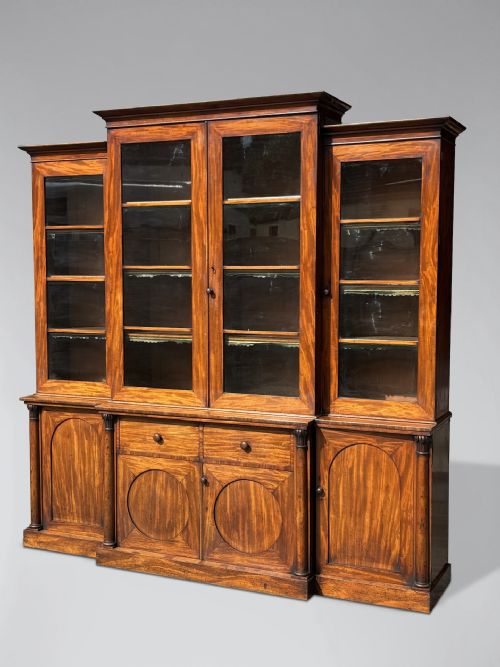


William IV Library Cabinet
A william iv library cabinet brings architectural presence and grand proportions to a room, offering substantial shelving for serious collections.
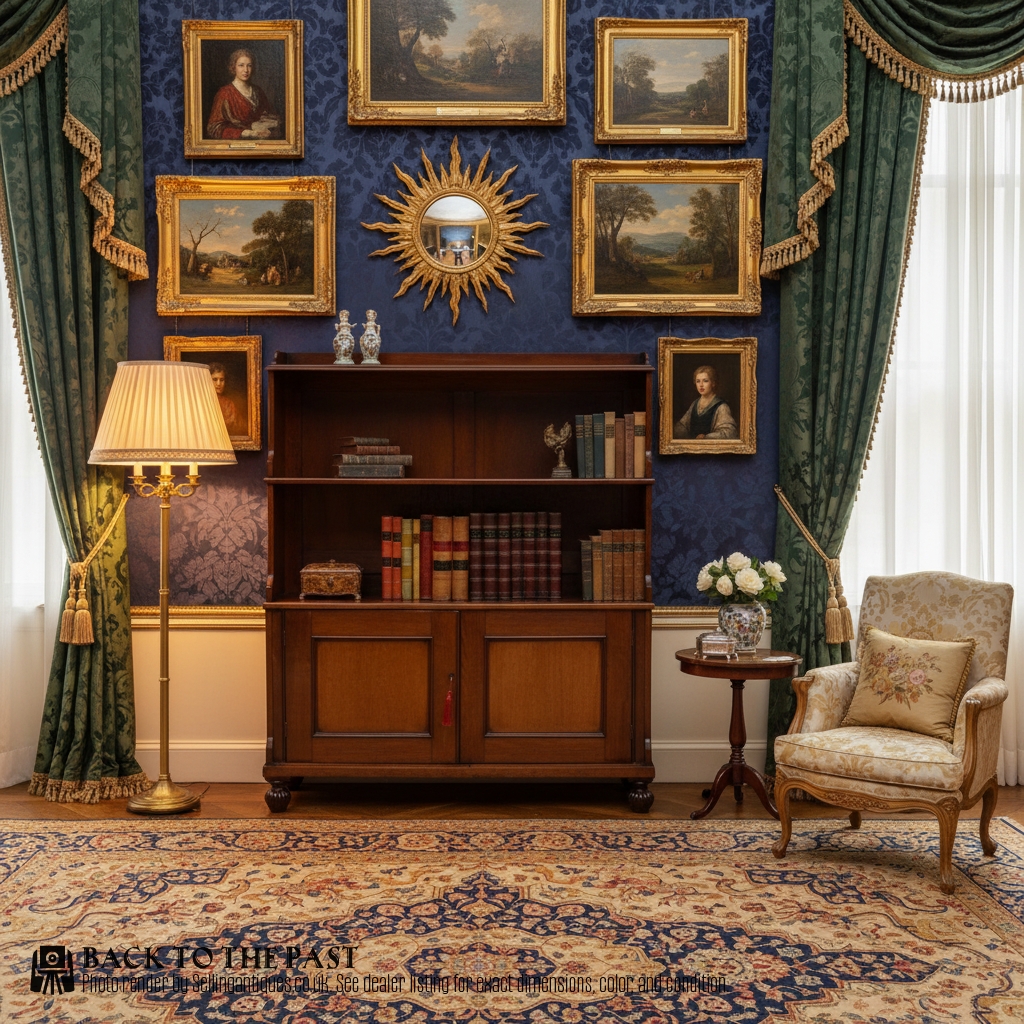
William IV Library Cabinet
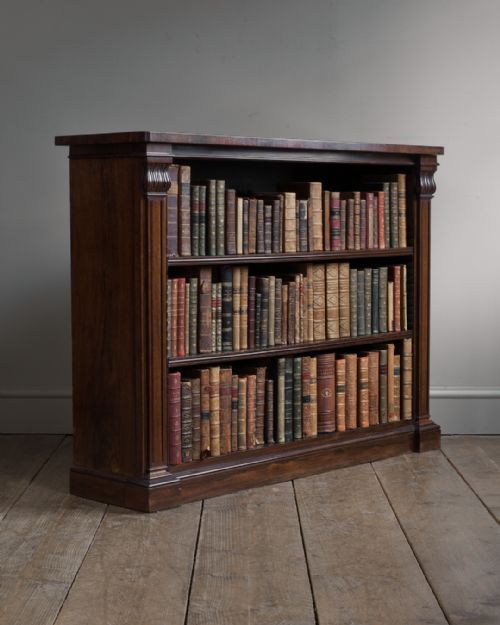
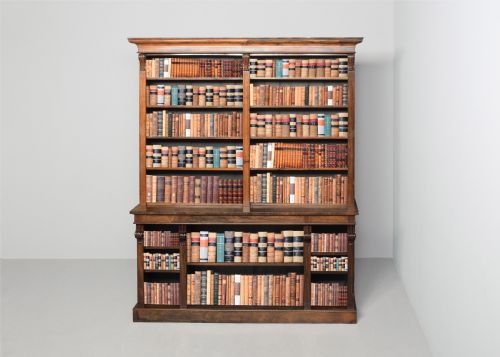
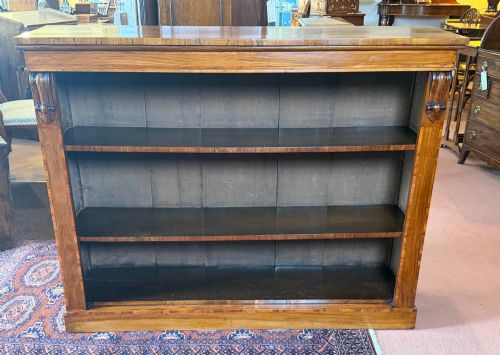
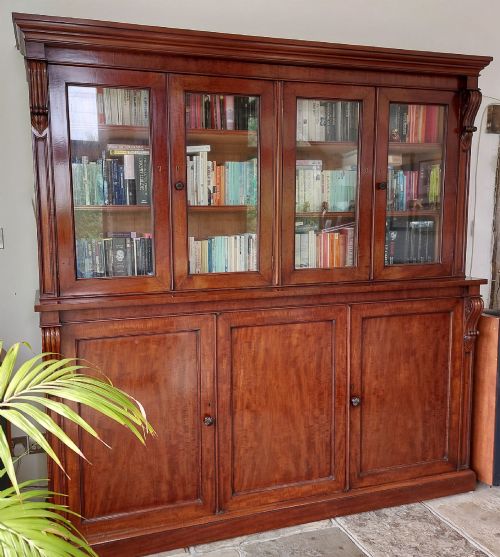
A william iv library cabinet is a substantial piece of furniture designed to house books and display volumes, typically emerging from the nineteenth century. The selection includes breakfront forms, open bookcases, glazed door cabinets, and secretaire variants equipped with writing drawers.
Makers and workshops constructed these items in mahogany, flame mahogany veneer, rosewood, oak, and walnut, often pairing glazed doors with adjustable shelves. Pieces frequently integrate architectural details such as crenelated cornices, reflecting the tastes of the Regency and William IV periods.
How they were made
Cabinet makers utilised dense native and exotic timbers, selecting flame mahogany veneer and rosewood for prominent exterior surfaces to create striking visual grain patterns. Solid oak and mahogany formed sturdy internal carcases and shelving designed to support heavy volumes.
Glazing bars divided large glass panels into geometric panes, while brass inlays and brass hardware added refined decorative accents to rosewood and mahogany doors.
William IV Library Cabinet Retail Price Guide 2026
Typical asking prices for william iv library cabinet among the pieces listed under this phrase on Sellingantiques today, from the lower quarter to the upper quarter. They describe what is for sale here now, not the wider market.
One exceptional listing squeezes a five-glass library clock right into the furniture lineup alongside massive multi-door breakfront bookcases.
What varies in quality
Quality separates standard utilitarian storage from pieces commissioned for grand country houses, visible in the selection of timbers and the sophistication of architectural mouldings. Fine examples display carefully matched flame mahogany veneers and intricate brass inlay work across breakfront facades.
The integration of functional elements, such as smoothly operating adjustable shelving systems and integrated secretaire writing slopes, distinguishes superior workshop production from simpler provincial items.
James Winter and Sons·Gillows of Lancaster·Richard Bridgens
The William IV Library Cabinet Glossary
- Breakfront
- A cabinet design where the central section projects forward from the flanking wings. This architectural arrangement creates depth and shadow across the facade.
- Secretaire
- A cabinet incorporating a pull-down drawer front that serves as a writing desk, often fitted with small pigeonholes and inner drawers. It combines storage with a compact writing surface.
- Flame mahogany veneer
- A thin slice of mahogany timber cut from the point where a branch joins the main trunk, showing a flickering, flame-like grain pattern. Cabinet makers laid this veneer over secondary woods for decorative effect.
- Crenelated cornice
- A decorative top moulding featuring alternating indentations resembling the battlements of a castle. This architectural detail appears on Gothic Revival and period library furniture.
William IV Library Cabinet: Frequently Asked Questions
How do I spot a genuine William IV bookcase?
Look for characteristic architectural details, heavy timber construction, and specific period secondary woods like mahogany and rosewood. Proportions tend to be robust, reflecting the design vocabulary of the 1830s.
Check for adjustable shelf mechanisms and hand-cut joinery that align with nineteenth-century workshop practices rather than later machine-made manufacturing.
Where were these cabinets used?
These large cabinets originated in the libraries and studies of country houses and substantial town residences. They served to protect and organise expanding collections of leather-bound books.
Today, they function well in home studies, large living rooms, and dining spaces where substantial book storage is required.
How should I care for rosewood and mahogany?
Protect antique timber surfaces from direct sunlight to prevent fading and keep relative humidity stable to avoid wood splitting. Dust regularly with a soft, dry cloth rather than applying silicone polishes.
Period finishes respond best to occasional applications of traditional beeswax maintained by gentle buffing.