

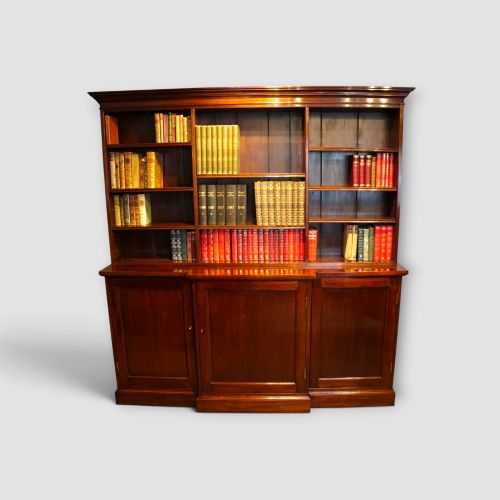
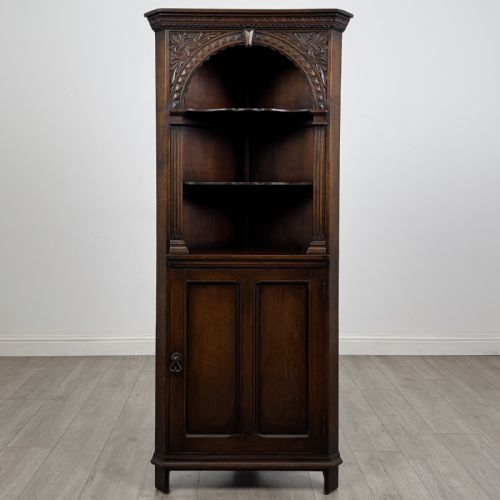
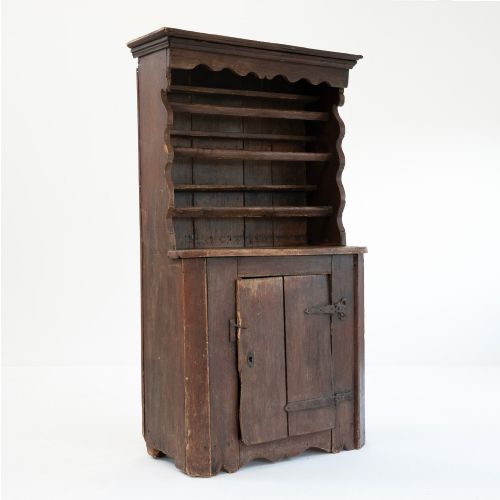
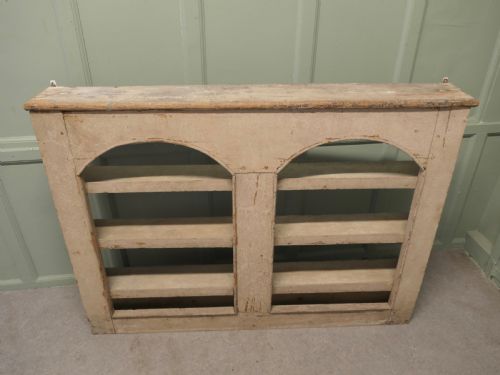


Open Top Cupboard
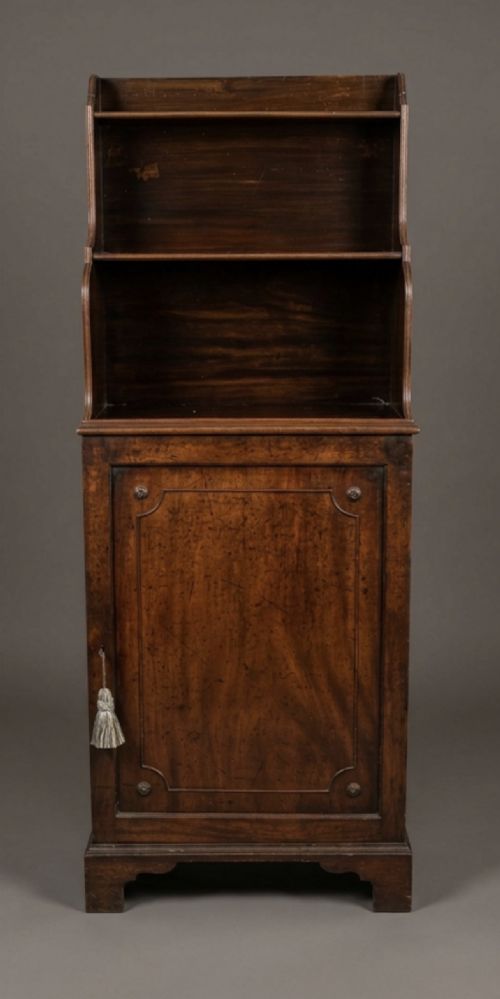
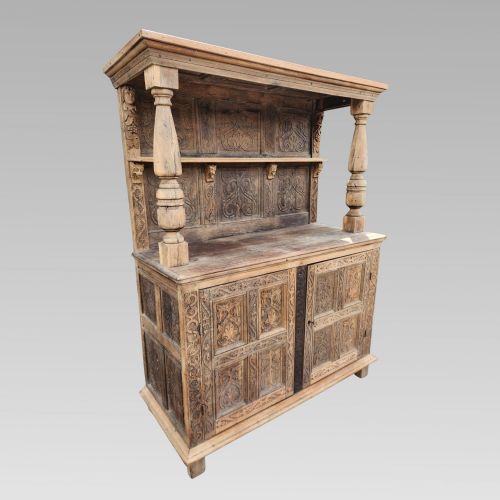
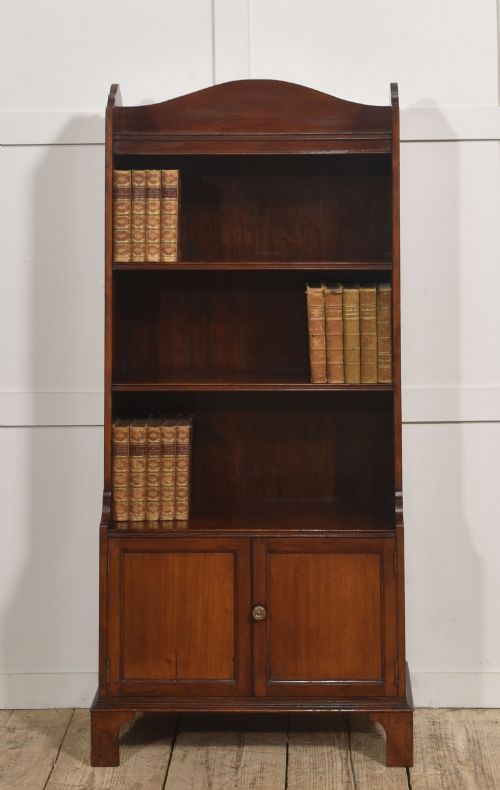
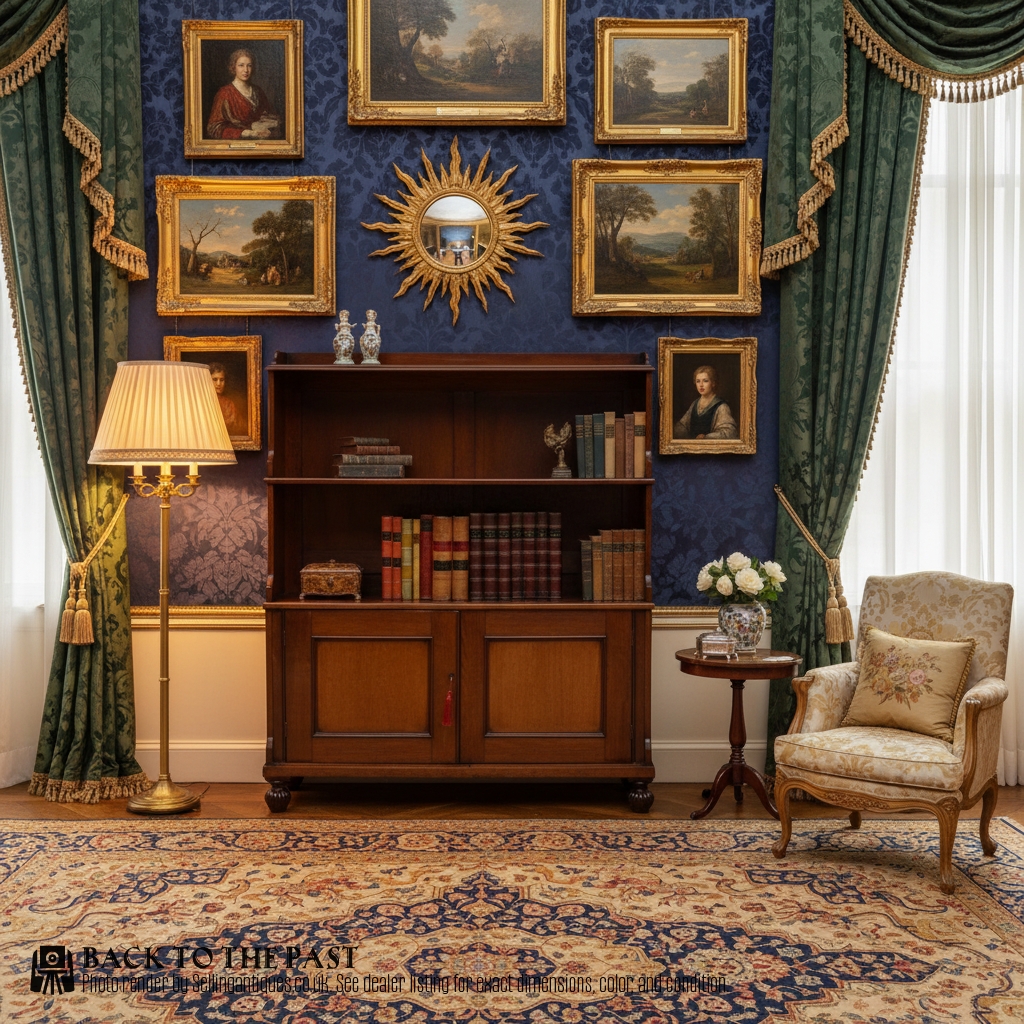
An open top cupboard brings together open display shelving and enclosed storage, offering a practical solution for books and display.
Open Top Cupboard
When you search for an open top cupboard, you encounter a variety of forms that combine upper display space with a lower enclosed cabinet base. The pieces span periods from the eighteenth century through to the early twentieth century, taking shapes such as bookcases, dressers, and side cabinets.
The version you are most likely to meet on this page is constructed from timber, particularly mahogany, oak, or pine, reflecting regional domestic traditions from England, France, Ireland, Sweden, and Italy. These hybrid furniture forms serve practical storage needs while providing a prominent surface for books, ceramics, or decorative objects.
How they were made
Makers utilised solid timbers such as mahogany, oak, pine, and walnut, frequently selecting figured veneers for fronts and panels. Structural integrity relied on traditional joinery, dovetailing for drawers, and the fitting of adjustable shelves within the upper display sections.
Surface treatments range from painted and bleached finishes to polished mahogany and rosewood. Brass hardware, wrought iron fittings, and marble tops appear on specific regional and period pieces, adding functional detail to the timber construction.
Open Top Cupboard Retail Price Guide 2026
Typical asking prices for open top cupboard among the pieces listed under this phrase on Sellingantiques today, from the lower quarter to the upper quarter. They describe what is for sale here now, not the wider market.
What varies in quality
The distinction between tiers of quality rests on the choice of timber and the precision of the construction. Superior examples utilise dense, well-figured mahogany, walnut, or satinwood, paired with refined proportions and carefully executed mouldings.
Quality also shows in the integration of the upper open shelves with the lower cupboard base, where balanced design and harmonious secondary woods elevate the piece above utilitarian workshop production.
Gillows·Collinson & Lock London·Sandberg & Co·C Mellier & Co
The Open Top Cupboard Glossary
- Waterfall bookcase
- A tiered open bookcase where the depth of the shelves decreases toward the top. This form became popular during the nineteenth century.
- Campaign cupboard
- A portable storage piece designed for travel, often featuring flush brass handles and collapsible elements. These items are associated with military use.
- Whatnot
- A piece of open shelving supported by vertical columns, used for displaying ornaments. They emerged in the nineteenth century.
- Dresser
- A piece of furniture combining lower cupboards or drawers with upper shelving for kitchen or dining use. Irish and French examples often display regional vernacular traits.
- Galleried top
- A raised rim or metal rail around the edge of a surface, designed to prevent objects from sliding off. This feature is common on bedside cabinets and small tables.
Open Top Cupboard: Frequently Asked Questions
What is an open top cupboard?
An open top cupboard is a dual-purpose furniture form that pairs upper open shelving with a closed storage base. This configuration allows for the display of books or ceramics above while concealing less decorative items below.
Such pieces appear in various timbers and styles across the eighteenth, nineteenth, and early twentieth centuries, serving dining rooms, libraries, and bedrooms.
How do I date an open top cupboard?
Dating relies on identifying the prevailing timber choices, construction techniques, and stylistic vocabulary of the period. Georgian and Regency pieces often display clean classical lines in mahogany, while Victorian items lean toward heavier oak or walnut.
Twentieth-century examples introduce simpler profiles or stylistic revivals, helping to place the piece within its specific historical decade.
Where were these cupboards used?
These cupboards functioned across domestic spaces, from kitchens and dining rooms to libraries and bedrooms. Kitchen dressers and sideboards held crockery, whereas bookcase hybrids housed library collections and reading material.
Smaller bedside variants provided compact surface space and enclosed storage within private chambers.
How do I care for antique timber?
Maintaining antique timber requires stable environmental conditions away from direct heat sources and sudden humidity fluctuations. Regular dusting with a soft, dry cloth preserves the polished surface without stripping the underlying finish.
Applying appropriate wax sparingly helps maintain the moisture balance of woods like mahogany, oak, and walnut over time.