

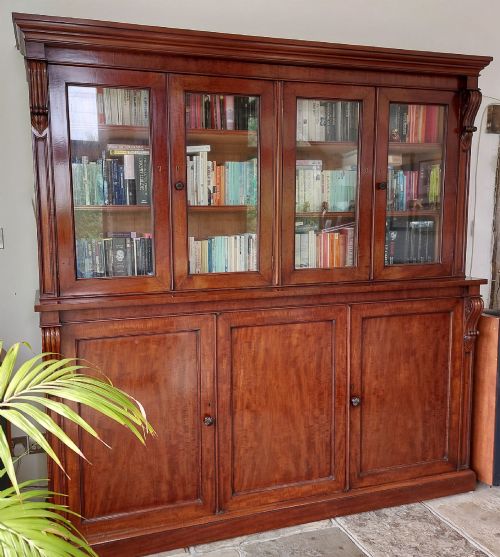
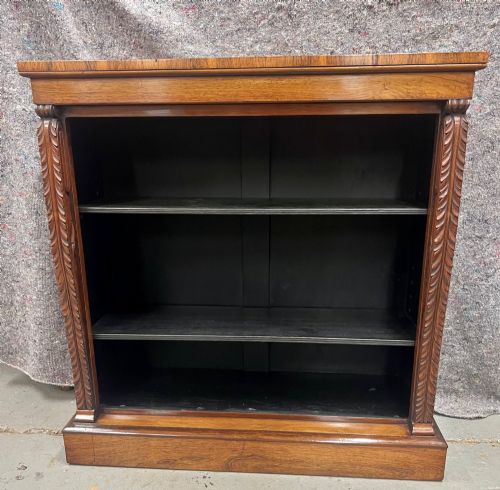


William IV Book Cabinet
A william iv book cabinet is a sturdy piece of furniture designed to hold volumes while anchoring a room with dark timbers.
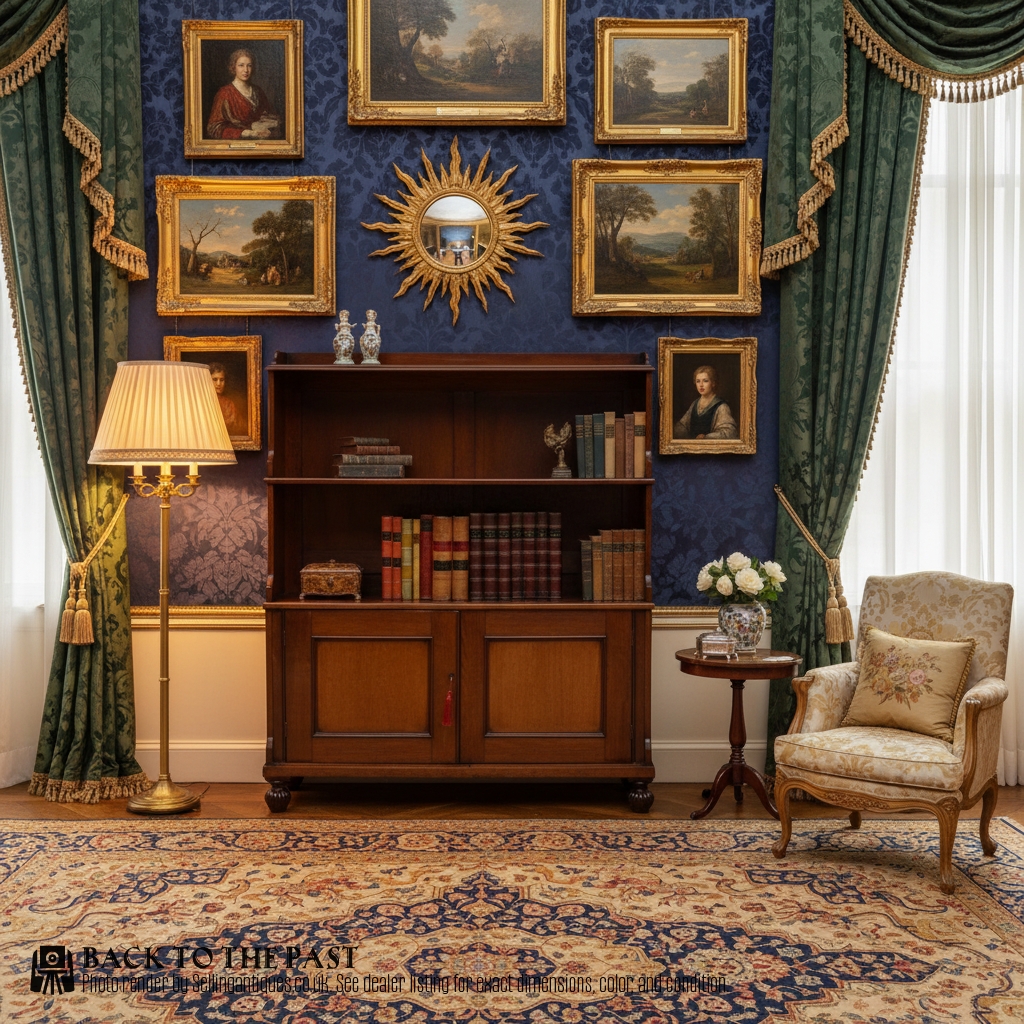
William IV Book Cabinet
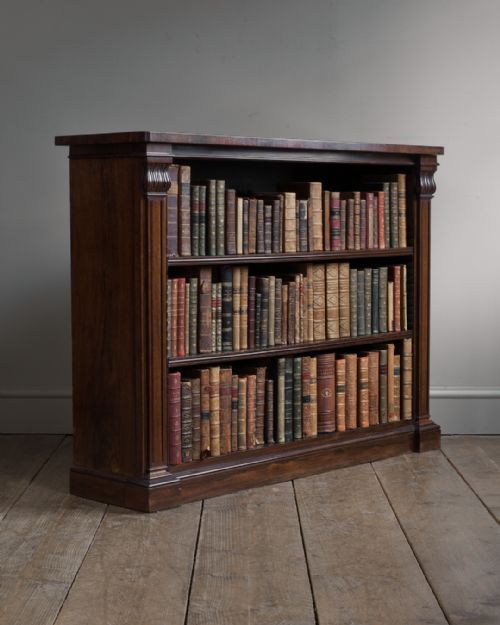
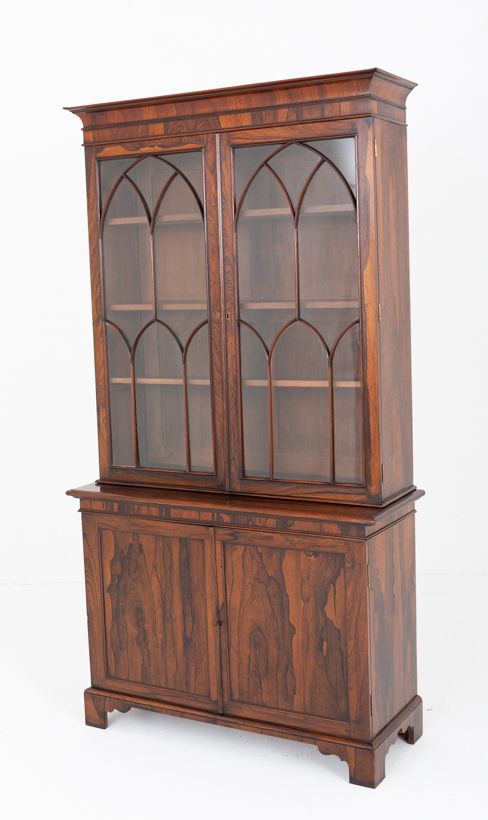
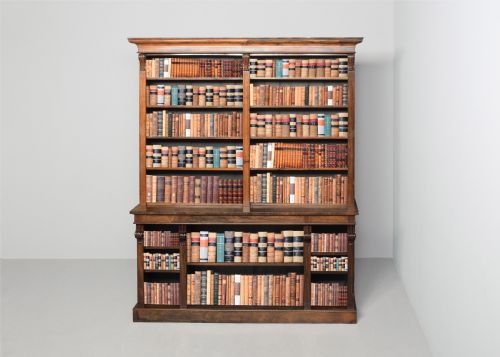
When you search for a william iv book cabinet, you are looking at substantial storage furniture originating from the nineteenth century, blending Georgian robustness with later decorative tastes. The selection on this page centres primarily on pieces defined by the William IV period, alongside related Regency and Victorian examples.
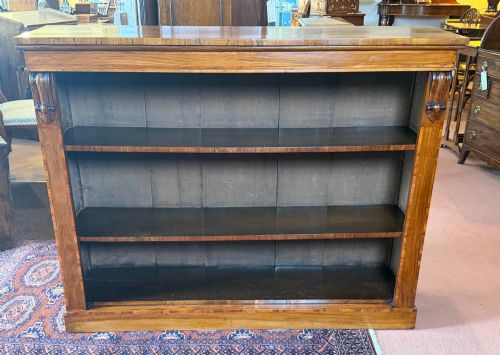
Forms vary from large breakfront library bookcases with cupboards to compact tabletop cabinets and open shelves in rosewood or mahogany. These functional items served domestic libraries and studies, housing prized volumes behind glazed or open fronts.
How they were made
Cabinet makers utilised dense native and exotic timbers, predominantly mahogany and rosewood, often featuring figured grains that added visual depth to large vertical surfaces. Walnut, satinwood, oak, pine, and goncalo alves also appear in the construction of these cabinets.
Joining techniques combined structural timber frames with fitted shelves, frequently adjustable, and brass hardware such as grilles. Glazing techniques permitted dust-free display, while marble tops feature on specific side cabinet variants.
William IV Book Cabinet Retail Price Guide 2026
Typical asking prices for william iv book cabinet among the pieces listed under this phrase on Sellingantiques today, from the lower quarter to the upper quarter. They describe what is for sale here now, not the wider market.
The listings combine nineteenth-century periods with materials such as mahogany, rosewood, walnut, and marble.
What varies in quality
The distinction between ordinary and superior pieces rests on the choice of timber veneer, such as highly figured mahogany or select rosewood grains, and the refinement of the carving. Breakfront library proportions and architectural details elevate the stature of a cabinet.
The William IV Book Cabinet Glossary
- Breakfront
- A cabinet design where the central section projects forward from the flanking outer sections. This architectural arrangement creates depth and shadow across the facade of large library pieces.
- Goncalo alves
- A dense exotic hardwood prized for its striking contrasting grain patterns. It appears in select nineteenth-century furniture construction.
- Glazed
- Fitted with glass panes in the doors to protect books from dust while maintaining visibility. It distinguishes display cabinets from open shelving.
- Rosewood
- A heavy, dark timber with distinct figuring utilised extensively by cabinet makers in the nineteenth century. It provides a rich surface tone for formal rooms.
William IV Book Cabinet: Frequently Asked Questions
What is a william iv book cabinet?
A william iv book cabinet is a nineteenth-century storage piece designed for books and papers, typically constructed from mahogany or rosewood.
These pieces range from tall library breakfronts to smaller tabletop cabinets and open shelf units.
How do I date a bookcase cabinet?
Dating relies on stylistic markers from the nineteenth century, including the heavy proportions, classical motifs, and timber choices typical of the period.
Evidence of construction methods, such as adjustable shelf mechanisms and brass hardware, further helps determine the era.
Are shelves usually adjustable?
Many examples feature adjustable shelves to accommodate varying book sizes. This practical interior system appears frequently in nineteenth-century library furniture.
Fixed shelves also occur, particularly in smaller or earlier regional pieces.
What woods were used most often?
Mahogany and rosewood dominate the material record for these cabinets, providing dark and richly figured surfaces. Secondary timbers like oak and pine appear in internal framing.
More unusual selections like goncalo alves and satinwood also feature in specific items.