

William IV Box
When you search for a william iv box, you encounter heavy timbers and rich silver designed to hold everything from tea to precious papers.
William IV Box
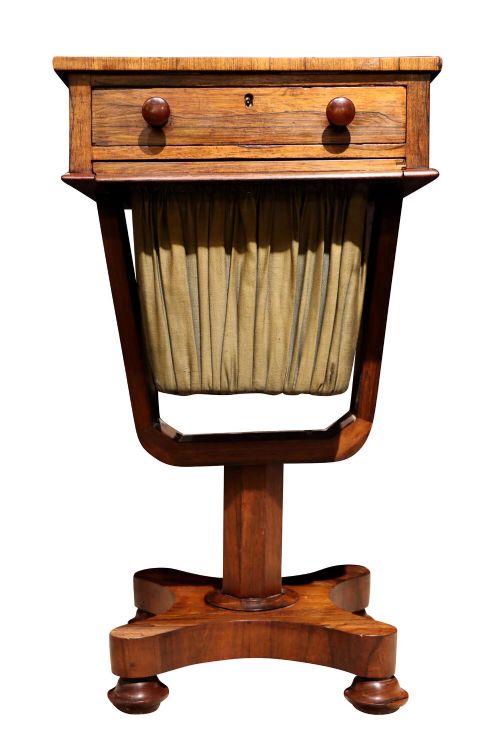
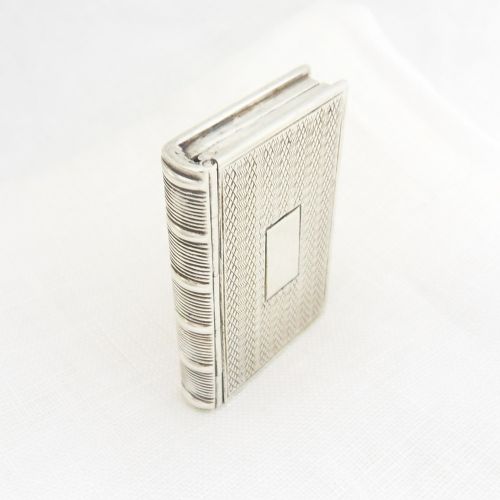
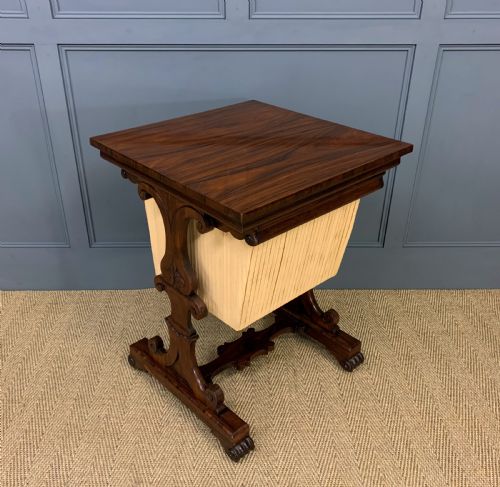
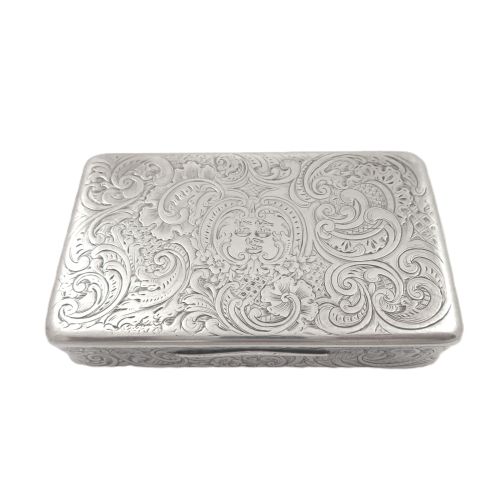
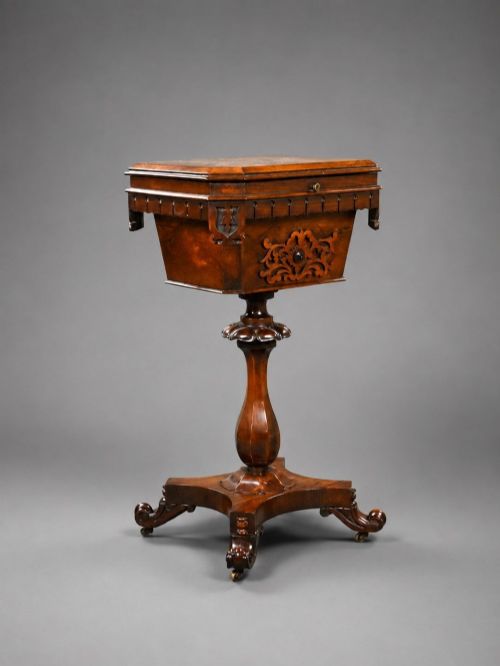
A william iv box encompasses a wide variety of personal receptacles, from table-top tea caddies and work tables to pocket-sized silver snuff containers and writing slopes. These objects reflect the domestic habits of the early nineteenth century, serving specific functions for sewing, correspondence, and the storage of valuables.
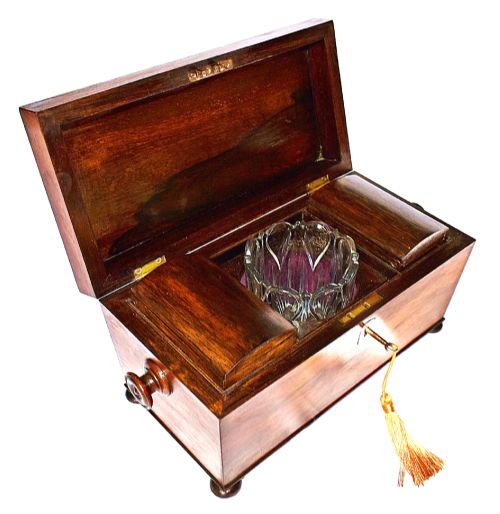
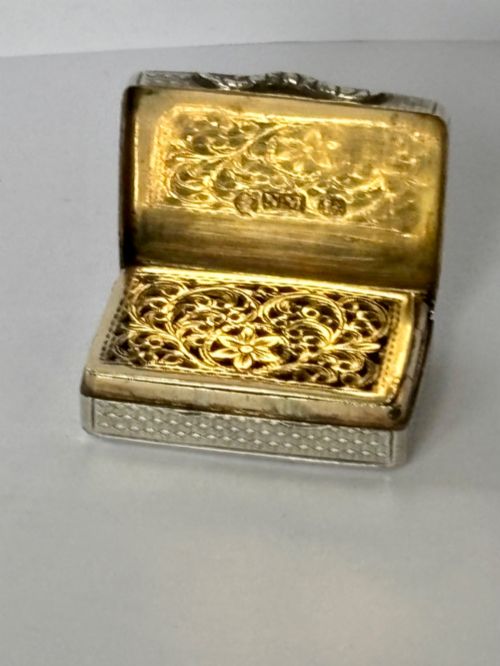
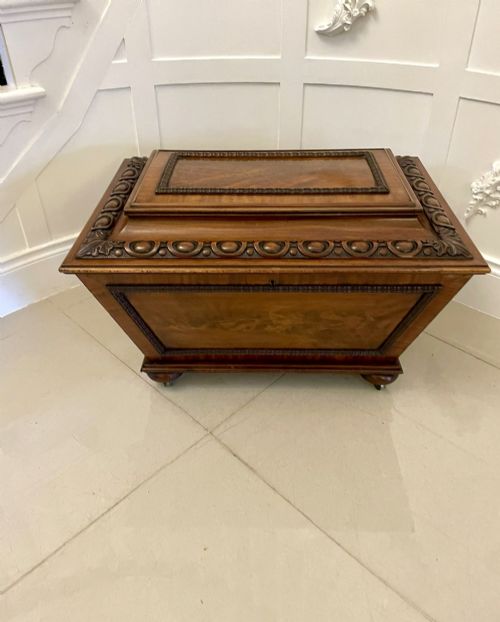
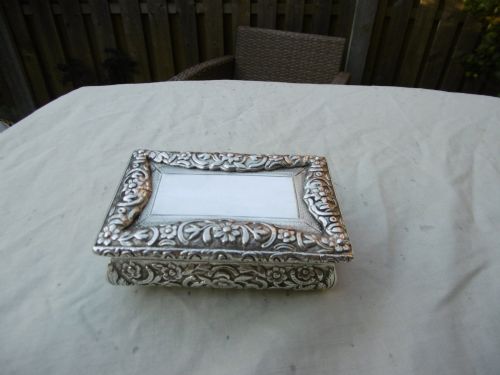
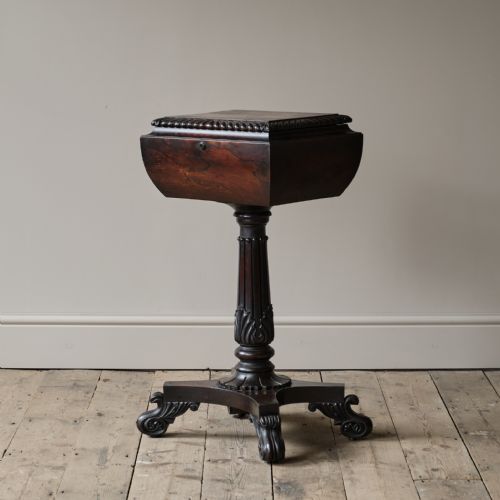
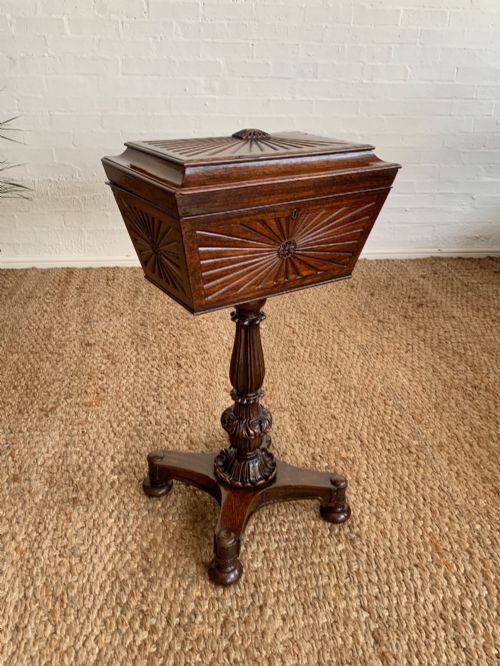
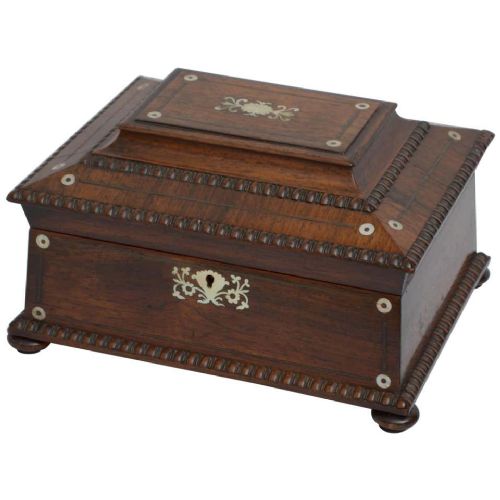
Rosewood and mahogany form the predominant bodies of these larger containers, frequently shaped with the characteristic sarcophagus silhouette associated with the era. Smaller examples appear in sterling silver, often featuring detailed chasing, engine turning, or gilt interiors.
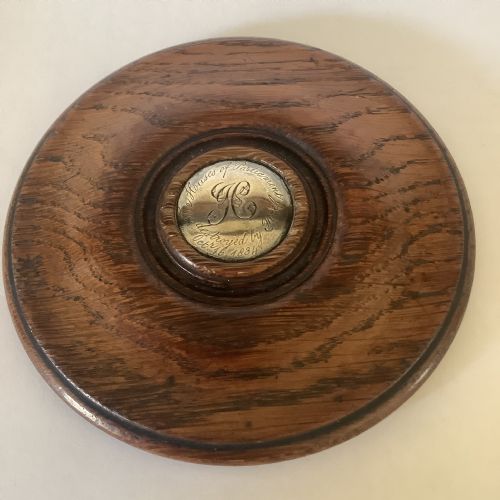
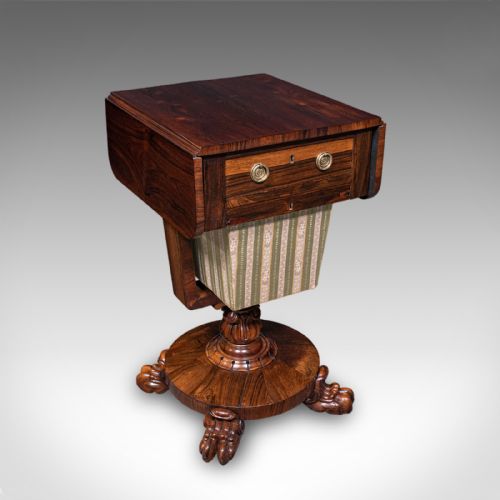
The material record also includes burr maple, oak, walnut, and delicate fabric linings in silk and leather. Many pieces double as furniture, taking the form of occasional work tables or tea poys mounted on pedestal bases.
Materials and Construction
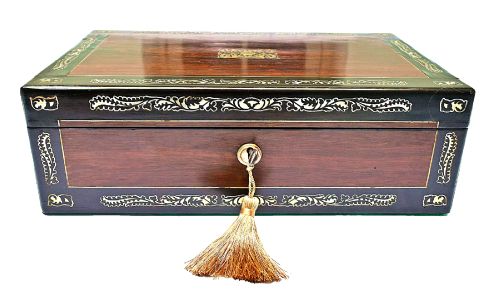
Cabinet makers utilised dense exotic timbers like rosewood and flame mahogany, often selecting figured veneers to create striking lid panels and sunburst patterns. Inlays of brass, mother-of-pearl, and specimen woods decorate the surfaces of writing slopes and sewing boxes.
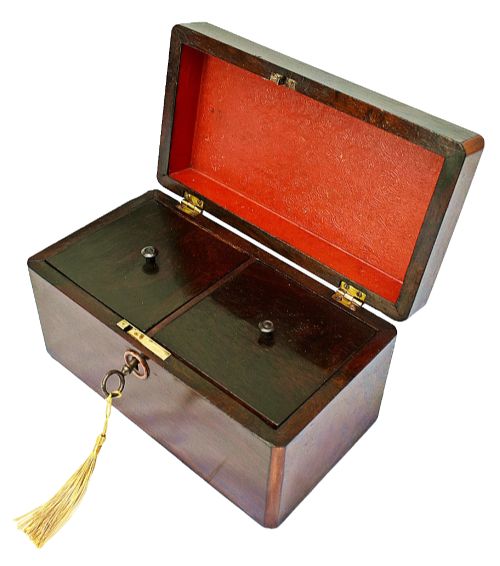
Silversmiths employed techniques such as chasing, embossing, and engine turning to ornament small containers like snuff boxes and vinaigrettes. Interiors often reveal fitted compartments lined with velvet, silk, or red Moroccan leather to protect delicate contents.
William IV Box Retail Price Guide 2026
Typical asking prices for william iv box among the pieces listed under this phrase on Sellingantiques today, from the lower quarter to the upper quarter. They describe what is for sale here now, not the wider market.
Object forms span practical items including writing slopes, work tables, cellarettes, and pocket snuff boxes.
Distinctions in Execution
The distinction between standard containers and exceptional pieces lies in the choice of timber veneer, the precision of brass or mother-of-pearl inlays, and the complexity of internal fittings. Superior furniture and boxes display careful grain matching and substantial hardware.
In silver items, quality depends on the depth of the floral chasing, the crispness of engine-turned patterns, and the reputation of the silversmith. Original elements such as fitted glass inserts, sponges, and custom leather cases elevate the standing of the piece.
Thomas Shaw·Joseph Willmore·Nathaniel Mills·Edward Edwards·John Caw·Edward Smith·Taylor And Perry·Willmore And Co·William Simpson·Austin·Gillows
The William IV Box Glossary
- Teapoy
- A container for storing dry tea leaves, often resting on a central pedestal or table stand. These vessels frequently feature internal caddies and mixing bowls.
- Vinaigrette
- A small silver box containing a perforated grill over a sponge soaked in aromatic vinegar. Victorians carried these personal items to ward off unpleasant odours.
- Sarcophagus
- A box shape featuring a domed or stepped lid sloping outward toward the base, commonly seen in mahogany and rosewood tea caddies and cellarettes.
- Writing slope
- A desktop box with a hinged, slanted lid that opens to reveal a lined writing surface and compartments for ink and pens.
- Engine turning
- A mechanical decoration technique that cuts intricate geometric patterns into metal surfaces using a lathe. This finish appears frequently on silver snuff cases.
William IV Box: Frequently Asked Questions
What was a teapoy used for?
A teapoy served as a secure storage container for expensive loose tea leaves in the nineteenth century. The lockable internal compartments kept the valuable contents safe from domestic staff.
Larger versions stood on pedestal bases in drawing rooms, sometimes incorporating mixing bowls and small caddies within the main sarcophagus body.
How do I care for a rosewood box?
Rosewood requires stable humidity and protection from direct sunlight to prevent the timber and delicate veneers from drying or splitting. Dust the surfaces gently with a dry, soft cloth rather than using harsh liquid polishes.
Internal fabric linings such as silk or velvet should be kept dry and free from moisture to preserve the original materials.
What is the difference between a tea caddy and a teapoy?
A tea caddy is a smaller box designed to sit on a table, holding one or more varieties of tea leaves inside individual lidded canisters. A teapoy is typically a larger, substantial piece of furniture supported by its own legs or pedestal stand.
Both items date predominantly to the Georgian, Regency, and William IV periods, serving the same core function of tea storage.
How can I tell a silver snuff box period?
British silver boxes carry hallmarks that indicate the assay office, the year of manufacture, and the maker's mark. These stamped symbols provide a reliable method for dating the piece accurately.
Stylistic elements like floral chased borders, engine-turned patterns, and castle-top engravings also help align the box with specific decades.