
William IV Bookcase Cabinet
A william iv bookcase cabinet combines generous library storage with architectural presence, offering a sturdy yet refined focal point for period interiors.
William IV Bookcase Cabinet
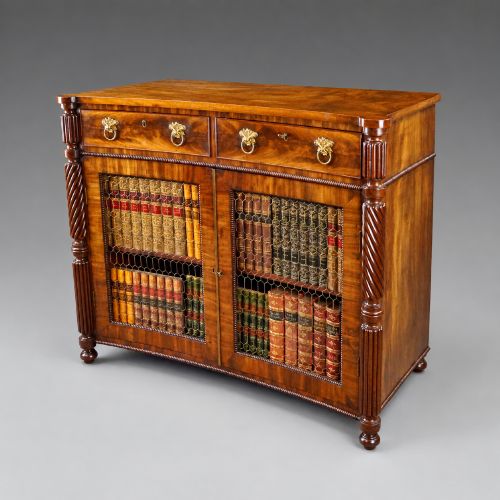
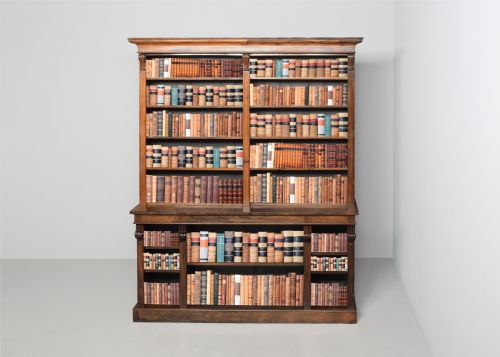
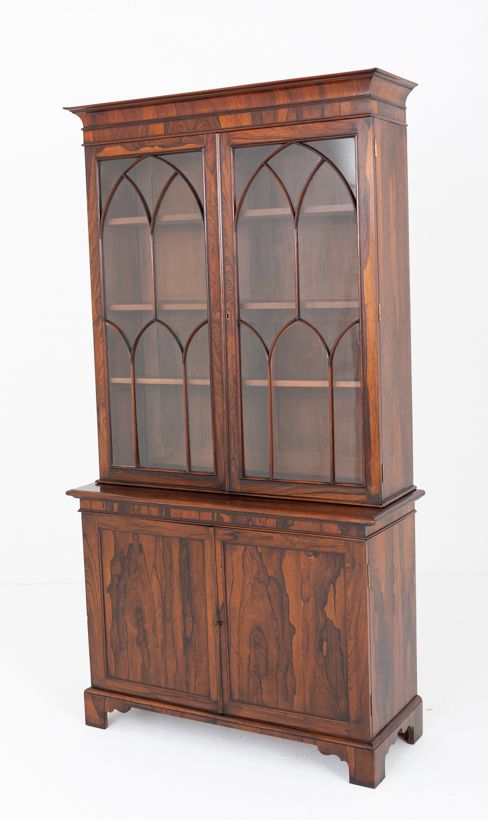
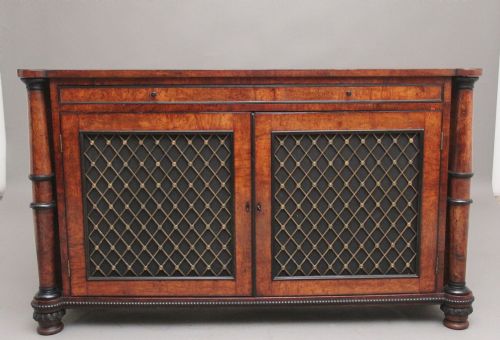
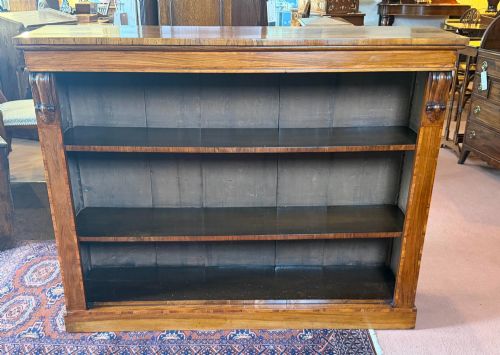
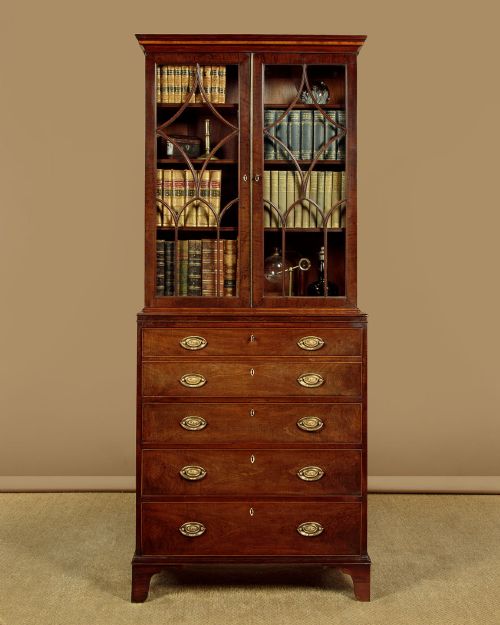
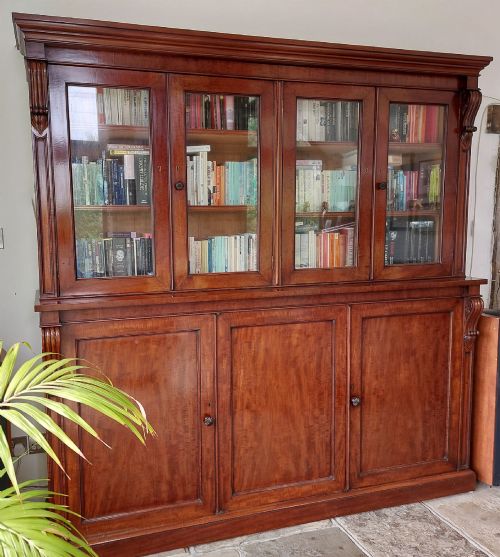
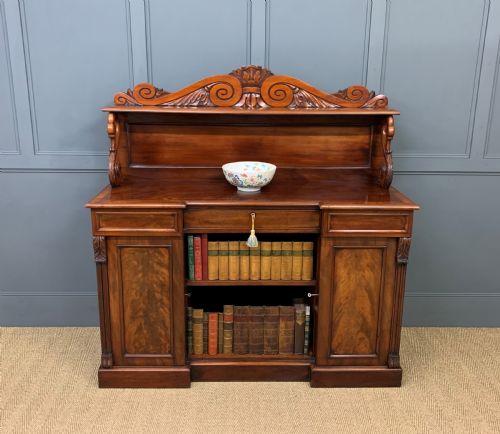
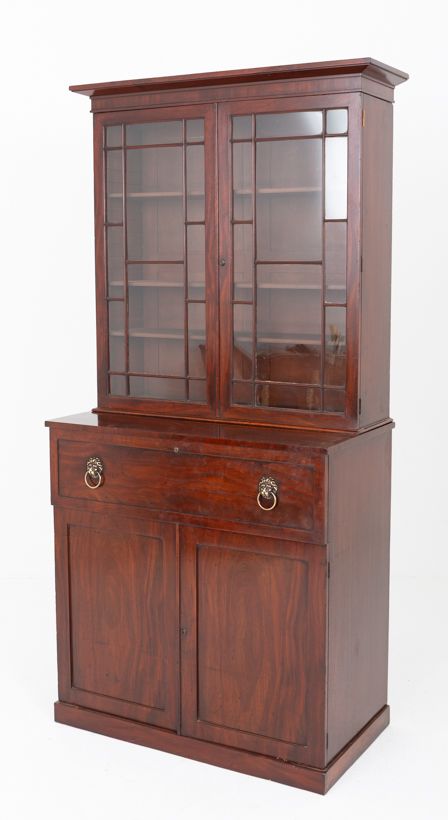
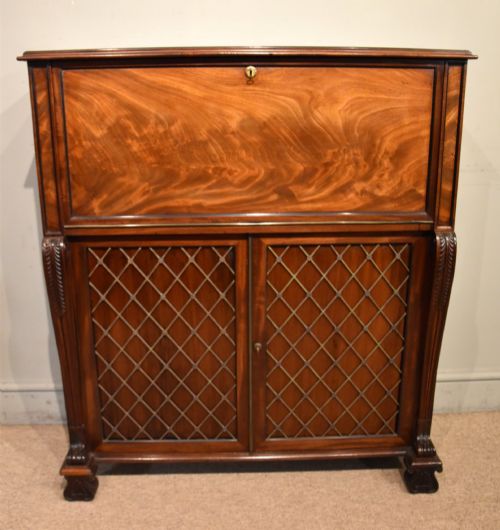
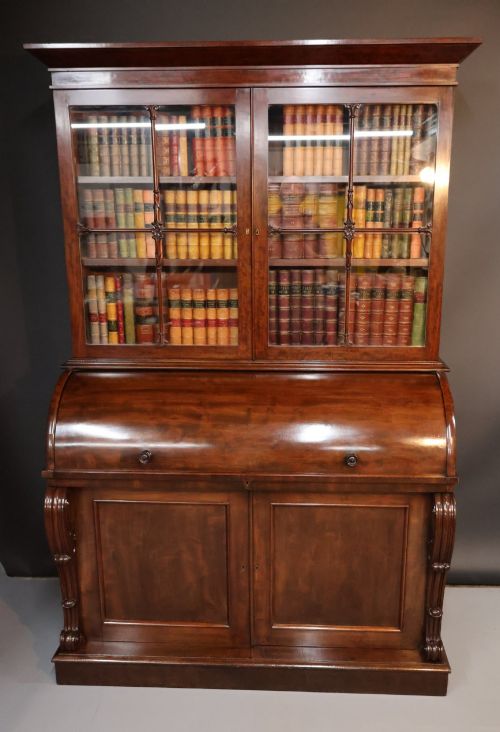
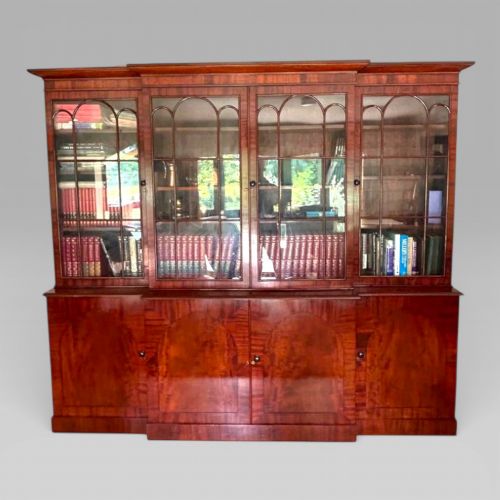
A william iv bookcase cabinet typically unites enclosed lower cupboards with upper shelving or glazed display doors, frequently emerging from nineteenth-century workshops. The pieces encountered here span compact side cabinets and secretaire variants alongside grand breakfront library bookcases.
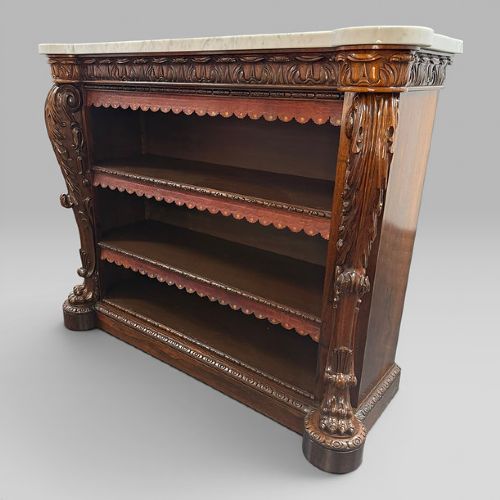
Makers often utilised mahogany, rosewood, and oak, occasionally incorporating flame veneers or marble tops to elevate the design. These items served busy domestic libraries and drawing rooms, storing leather-bound volumes and household papers.
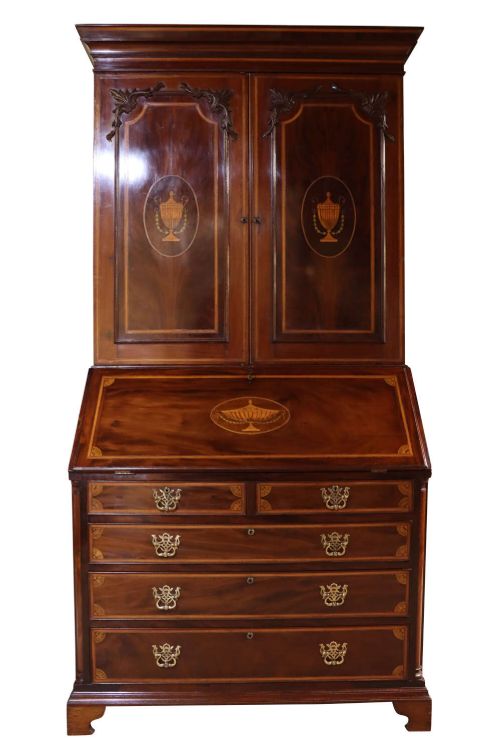
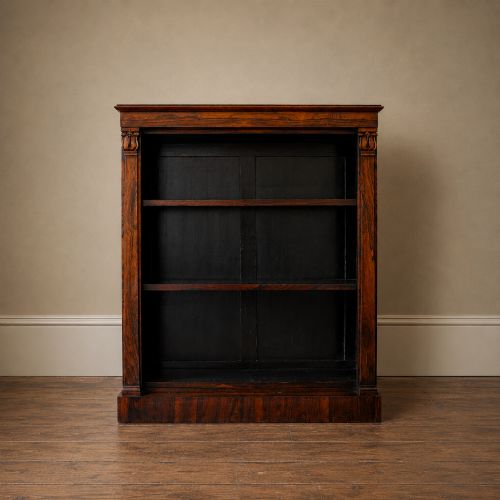
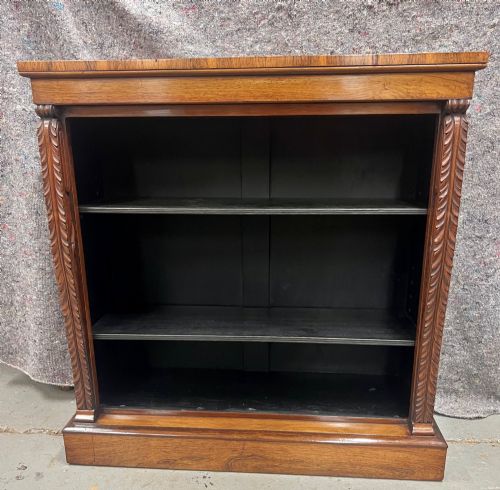
Examples range from open rosewood shelves with adjustable interiors to heavy cylinder bureau bookcases fitted with writing slopes. The style bridges late Georgian restraint and early Victorian ornamentation through substantial cornices and understated carved details.
Materials and Technique
Cabinetmakers relied heavily on solid mahogany, rosewood, and pollard oak, often applying figured flame mahogany veneers to door panels and drawer fronts for visual depth. Brass inlay, ebony stringing, and marble tops appear frequently on select glazed bookcases and side cabinets.
Construction methods involved substantial timber carcasses, dovetailed drawer boxes, and hand-cut glazed framing designed to support heavy volumes. Adjustable shelving systems utilised wooden racks or brass pins to accommodate varying book heights.
Some secretaire drawers hide tiny secret compartments designed for stashing love letters and carriage keys.
Judging Quality
The degree of refinement rests on timber selection, such as the richness of the rosewood grain or the symmetry of flame mahogany veneers across large breakfront surfaces. Superior examples display meticulous joinery, balanced proportions, and integrated architectural details like crenelated cornices or crisply turned columns.
Subtle enhancements, including original brass hardware, well-fitted secretaire drawers with fitted writing slopes, and intact glazed panels, separate standard utility pieces from workshop masterworks attributed to notable makers like Gillows or James Winter & Sons.
Gillows·James Winter and Sons
The William IV Bookcase Cabinet Glossary
- Secretaire bookcase
- A hybrid form featuring a pull-down writing drawer that conceals small pigeonholes and miniature drawers above lower shelving or cupboards.
- Breakfront
- A cabinet design where the central section projects forward from the flanking wings, creating a pronounced architectural rhythm.
- Flame mahogany veneer
- Thin slices of timber cut from branches where the grain forks, producing a fiery, mottled pattern applied over a secondary wood carcass.
- Crenelated cornice
- An upper architectural moulding notched in a pattern resembling medieval battlements, seen on select library bookcases.
- Chiffonier
- A low sideboard or cabinet featuring enclosed cupboards beneath a shelf or upper display structure.
William IV Bookcase Cabinet: Frequently Asked Questions
What is a secretaire bookcase?
A secretaire bookcase incorporates a hinged writing drawer that drops forward to reveal a leather or velvet-lined writing surface alongside small interior compartments. This clever adaptation allowed owners to manage correspondence without requiring a separate desk.
Beneath this writing section, standard cupboard doors or open shelves provide robust storage for books and papers. The design proved immensely popular in nineteenth-century libraries and studies.
How do I distinguish mahogany from rosewood?
Mahogany typically displays a warm reddish-brown tone that deepens with age, occasionally showing dramatic flame or Cuban figuring across wide surfaces. It forms the backbone of sturdy library furniture.
Rosewood presents a darker, heavily grained appearance with distinct purplish-black streaks and an oily lustre. Cabinetmakers often reserved rosewood for highly decorative drawing-room pieces.
Where were these cabinets used?
These pieces originally anchored formal libraries, studies, and drawing rooms in substantial nineteenth-century homes. They housed prized leather-bound volumes, ledgers, and delicate porcelain collections.
Today, they function just as effectively in contemporary living spaces, storing modern libraries while serving as striking architectural furniture.
How do I adjust the shelves?
Many nineteenth-century examples feature adjustable shelving supported by wooden vertical rack strips or traditional brass peg systems. This allows the internal height to be modified for varying book sizes.
Care must be taken when repositioning older shelves to avoid disturbing historical timber surfaces or straining the original support mechanisms.