


William IV Accent Chair
A william iv accent chair brings solid timber and firm upholstery together in a practical seat built for nineteenth-century rooms.
William IV Accent Chair
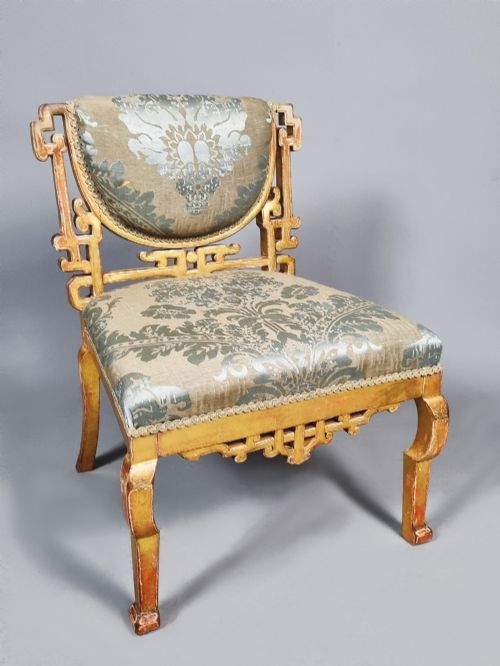
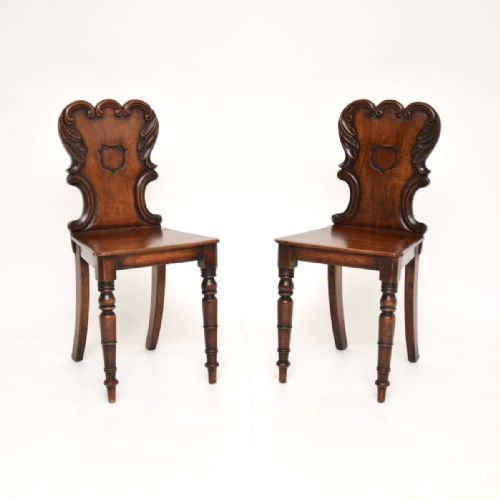
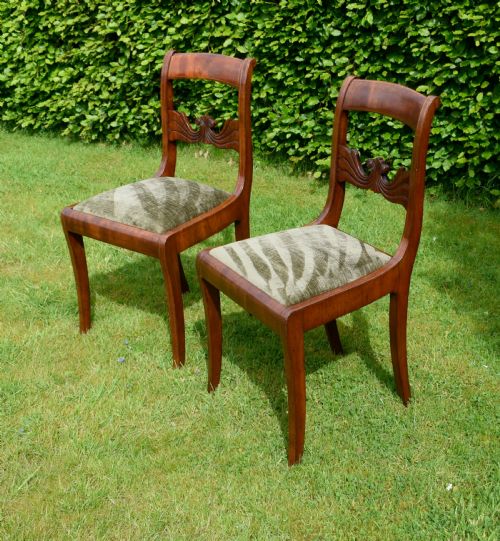
A william iv accent chair encompasses a variety of seating forms from the nineteenth century, including hall chairs, library armchairs, and slipper chairs. These pieces originate from the Regency and early Victorian periods, showing the distinct heavy proportions and classical revival influences of the era.
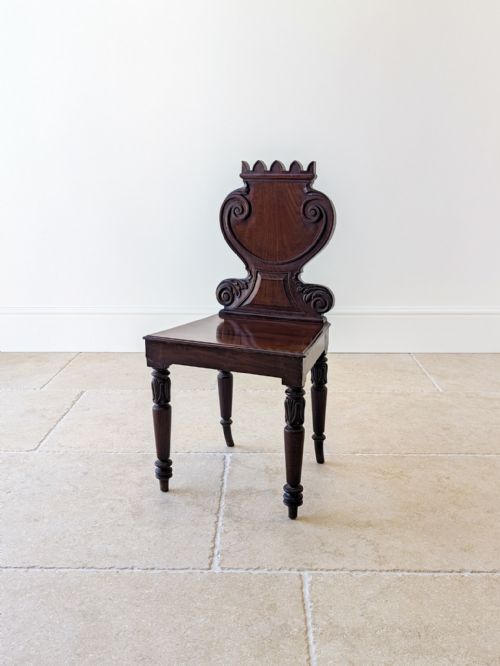
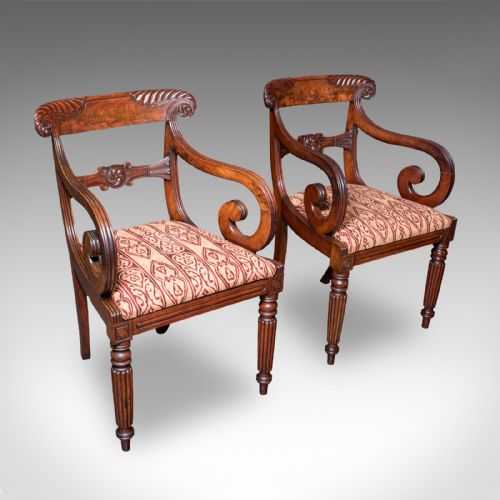
The most common examples encountered on this page are mahogany and rosewood armchairs, alongside pairs of timber hall chairs intended for reception spaces. Buyers frequently select these items to anchor a room with period character and traditional craftsmanship.
Materials and construction
Makers relied heavily on dense timbers such as mahogany and rosewood, often shaping the show frames with hand-carved scrollwork and turned supports. Brass castors frequently appeared on library and lounge seats to ease movement across heavy carpets.
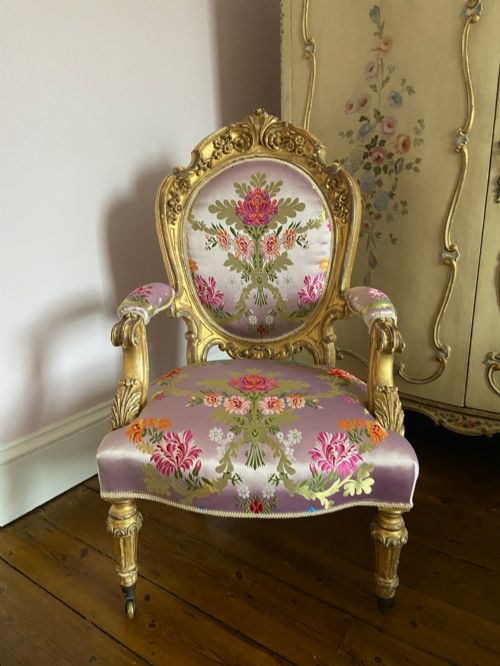
Upholstery techniques involved traditional stuffing secured beneath fabrics like velvet, silk damask, and patterned cotton. Button-backed finishing provided both structural tension and decorative relief on comfortable armchairs and nursing seats.
Listings feature seating produced across the nineteenth century, with mahogany and rosewood appearing alongside oak and giltwood.
Assessing the workmanship
Quality shows in the crispness of the timber carving and the selection of well-figured wood veneers for prominent surfaces. Subtleties in joinery and the harmonious proportions of the arms and legs distinguish standard production from superior workshop output.
The integrity of the underlying frame and the preservation of original show wood dictate the standing of an individual piece. Finer examples retain their structural stability alongside untouched patination on the timber components.
Waugh & Son·Gillows
The William IV Accent Chair Glossary
- Carver chair
- An armchair designed with solid wooden arms, typically positioned at the head of a dining table or used as a singular reception seat. These sturdy items share stylistic traits with matching dining chairs.
- Hall chair
- A rigid wooden seat intended for an entrance hall or corridor, frequently featuring a solid panel back carved or painted with a family crest. They prioritised architectural presence over cushioned comfort.
- Slipper chair
- A low-seated upholstered chair originally designed for bedrooms, allowing a person to dress with ease. The compact frame sits close to the floor on short legs.
- Library armchair
- A substantial cushioned seat built for reading rooms and studies, often fitted with scroll arms and brass castors. These heavy pieces offered robust support for prolonged sitting.
William IV Accent Chair: Frequently Asked Questions
Where should I place a william iv accent chair?
These chairs suit sitting rooms, studies, and bedrooms where their distinct timber frames can stand clear of heavy traffic. Placing them away from direct heat sources protects the polished wood and antique fabric.
Pairs work well flanking a fireplace or console table, while single armchairs function effectively as reading seats in a quiet corner.
Are these chairs comfortable for daily use?
Library and lounge chairs offer deep cushioning and supportive armrests suited for relaxation. Hall chairs and rigid side chairs provide a firmer sit intended for brief periods.
Original padding utilises traditional materials which may feel firmer than modern foam seating. Many owners retain this historic build for authentic period posture.
How do I distinguish between regency and victorian pieces?
Regency designs often draw heavily on classical Greek and Roman motifs with restrained lines. Early Victorian items introduce heavier scrolling and more exuberant carved ornamentation.
Timber choice also provides a clue, as dense rosewood and rich mahogany transition gradually into darker walnut finishes as the nineteenth century progresses.
Can I mix these chairs with modern furniture?
The rich tones of mahogany and rosewood anchor contemporary interiors by adding warmth and texture. Combining period seating with clean modern lines creates a balanced room layout.
Selecting appropriate upholstery helps bridge historical timber frames with current colour schemes in a living space.