

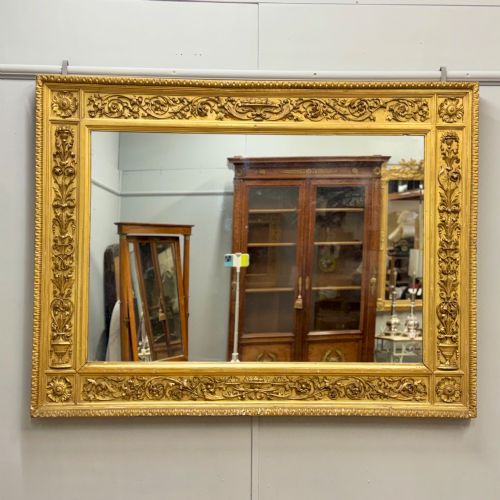
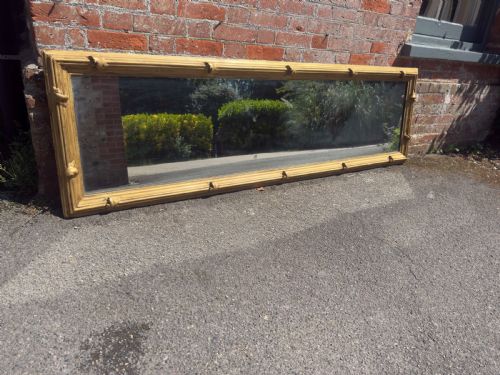


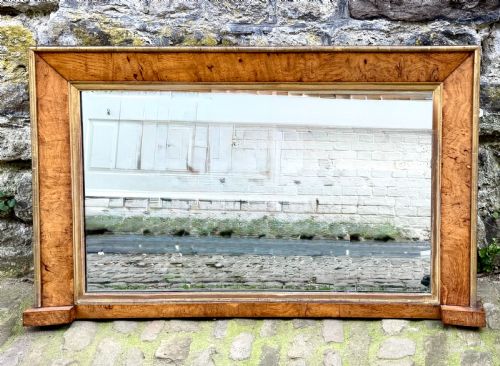


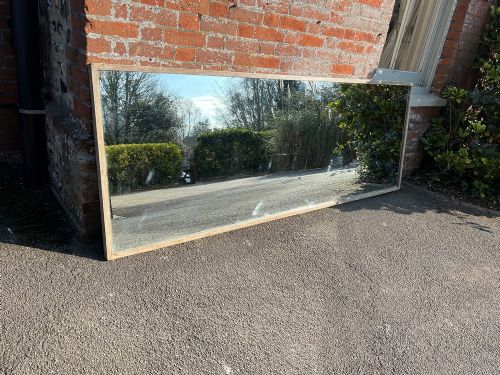


Wide Overmantel Mirror
A wide overmantel mirror centres a room, commanding the space above the fireplace with scale and light.
Wide Overmantel Mirror
A wide overmantel mirror is a substantial looking-glass designed specifically to hang horizontally above a mantelpiece. The pieces found here span the nineteenth century and the early twentieth century, taking in Regency, Victorian, Edwardian, and Art Deco periods.
Most examples on this page follow classic forms such as the Regency giltwood style, heavy Victorian oak or ebonised frames, and clean-lined Art Deco formats. Makers from these eras utilised proportions intended to match the grand widths of period fireplaces.
Origins stretch across English, French, and Venetian workshops, resulting in variations like painted bistro frames, triple-plate glasses, and elaborate giltwood and gesso decorations. Buyers searching for a wide overmantel mirror encounter diverse regional interpretations of these large-scale wall mirrors.
Materials and construction methods
Carved wood provides the primary structural foundation for these frames, often employing pine, oak, or burl wood underneath decorative surfaces. Artisans shaped these timbers to carry heavy glass panels securely above hearths.
Giltwood and gesso finishes required meticulous application of gold leaf over layered plaster grounds on wood. Ebonised details and painted finishes offered alternative aesthetic choices for Victorian and French provincial pieces.
Mirror glass itself was heavy and costly to produce in large dimensions, leading some makers to utilise triple-plate configurations or segmented panels to achieve the desired width.
Wide Overmantel Mirror Retail Price Guide 2026
Typical asking prices for wide overmantel mirror among the pieces listed under this phrase on Sellingantiques today, from the lower quarter to the upper quarter. They describe what is for sale here now, not the wider market.
Some nineteenth century mirrors retain the ghost of an old London coal fire trapped within the amber tone of their foxed glass.
Distinctions in quality
The finesse of the carved wood and gesso ornamentation separates standard production from superior work. Crisp detail in the carving indicates skilled handwork rather than mass-produced moulding.
The condition and depth of the original mercury or silvered mirror glass influence the character of the piece. Authentic ageing creates a distinctive foxed appearance that modern glass cannot replicate.
The Wide Overmantel Mirror Glossary
- Gesso
- A plaster-based material applied to wood frames to create a smooth surface for gilding. Artisans carved intricate relief details directly into this dried compound.
- Giltwood
- Timber coated with gold leaf or metallic powder. It reflects candlelight and daylight effectively in a formal interior.
- Ebonised
- Wood treated with a chemical stain or black paint to imitate ebony. This dark finish gained popularity during the Victorian era for striking contrast.
- Triple-plate
- A mirror construction using three separate glass sections side by side. This method allowed makers to span wide mantels before single large sheets of glass were readily available.
- Foxing
- The natural degradation of the reflective backing behind the glass. Small dark spots and cloudiness develop over decades of exposure to air and moisture.
Wide Overmantel Mirror: Frequently Asked Questions
Where should I hang a wide overmantel mirror?
These mirrors traditionally hang directly above a mantelpiece in a principal reception room. Their horizontal proportions complement the width of a fireplace surround.
Alternatively, they function effectively on any expansive wall space where a strong horizontal focal point is required. Ensure the wall structure can support the substantial weight of these large frames.
How do I identify a Regency overmantel mirror?
Regency pieces typically display classical motifs such as ball ornamentation, reeded columns, and gilded surfaces. The frames often exhibit restrained neoclassical elegance compared to later Victorian exuberance.
Construction details like pine secondary woods and early joining techniques help confirm the period of manufacture.
How should I clean an antique mirror glass?
Clean the glass gently using a soft microfibre cloth and a minimal amount of mild glass cleaner. Avoid spraying liquid directly onto the frame or edges where moisture can seep behind the silvering.
Take care around aged foxing and original backing materials to prevent further deterioration.